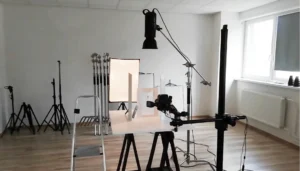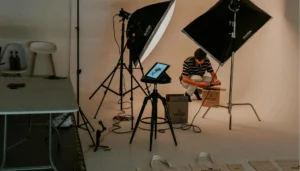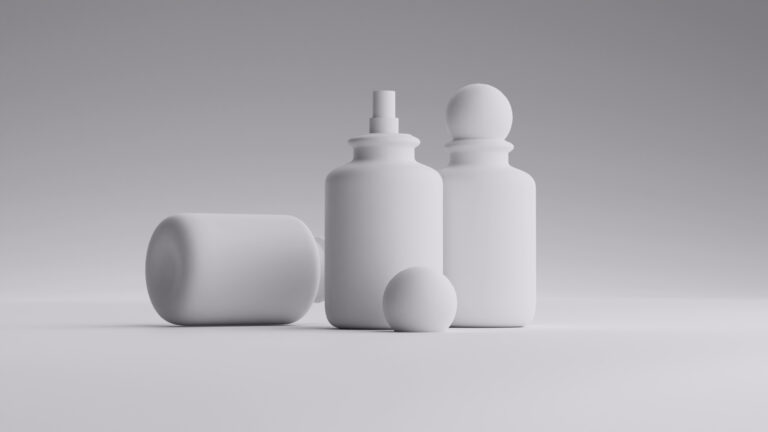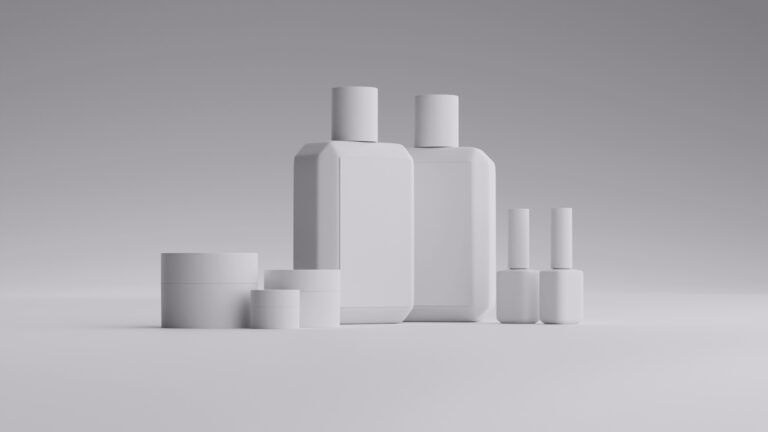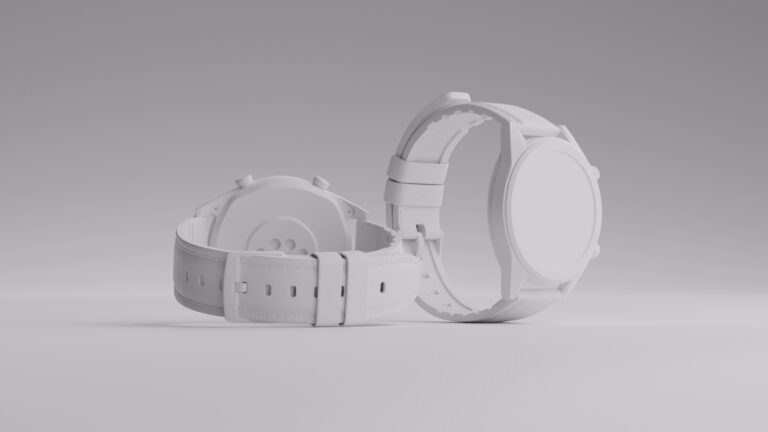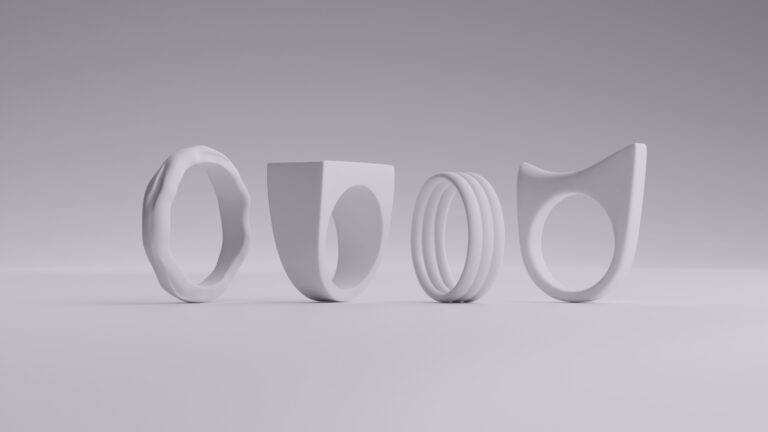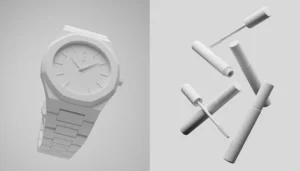

CGI product photography is basically a way to take photos of products without actually using a camera or a studio. Instead of setting up physical lights and tripods, we do everything inside 3D software.
The thing is, you still have to know your way around a real camera. If you don’t understand how light hits a surface or how a lens works in the real world, you won’t get good results in a digital one.
Think of it as a simulation. It mimics reality so well that it has become a much faster and cheaper way to get high-quality product images.
What is CGI photography?
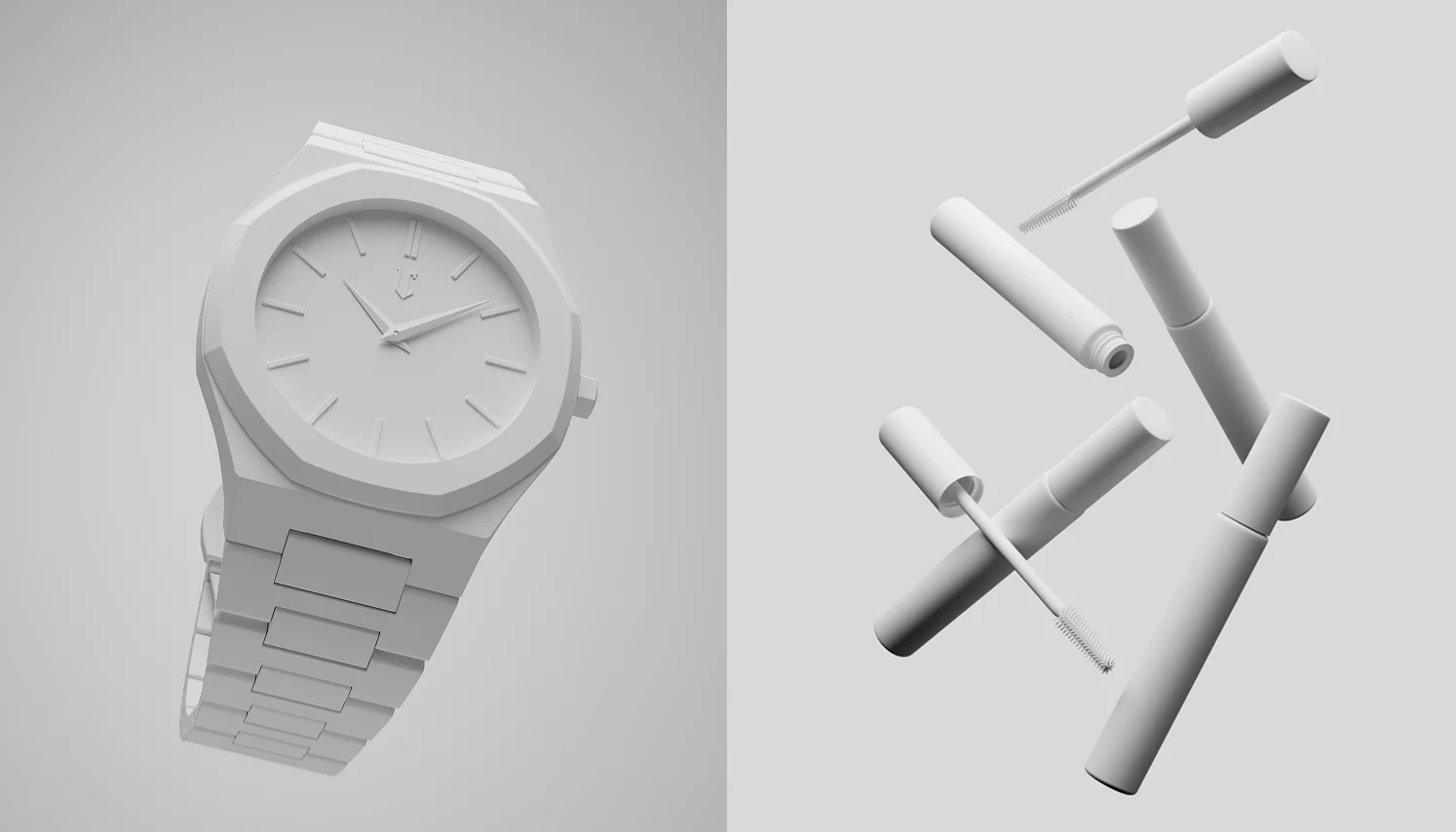
At its core, CGI product photography is the process of using 3D software to create product images or videos that are indistinguishable from real life.
You can see CGI (Computer Generated Imagery) as a digital simulation of traditional photography, which honors it as a true craft rather than a simple computer trick. Yes, our tools evolve, but foundational craftsmanship remains the same.
Success in the CGI space comes from a deep mastery of product styling, light shaping, and camera composition. By mastering these physical studio principles, an artist can creates compelling, professional imagery within the 3D environment.
Here is how we translate the physical world into the digital one:
- Virtual equipment: Instead of physical strobes, softboxes, and tripods, we use digital versions inside our software. We can simulate any lens or lighting setup with total control.
- Rendering: Our software calculates how light bounces off hard surfaces like metal, plastic, and glass exactly as it would in the real world.
- No physical limits: Because it’s a simulation, we aren’t limited by gravity or physical space. We can place a camera in a spot a real one could never fit, or create lighting that would be impossible to rig in a traditional studio.
Ultimately, CGI is simply a faster, cheaper, and more convenient method to achieve the same results. For hard surface products, it is no longer just an alternative to traditional photography—it is the superior choice.
CGI vs AI vs Traditional product photography
Choosing the right method for your product visuals depends entirely on your project goals. Traditional photography is about capturing reality, CGI is about building it, and AI is about generating it. You don’t always have to pick just one. Actually, many modern brands use a mix of all three to stay competitive. Here is how they break down across the most important factors:
Traditional Photography
This is the “gold standard” for authenticity. It’s perfect when you need to capture organic things like food, or when the “human touch” and tiny real-world imperfections are part of your brand’s soul. However, it’s the hardest to scale.
If you want to change a product’s color or the camera angle later, you basically have to start over. It involves shipping products, renting studios, and managing a crew, which makes it the most expensive and slowest option.
CGI (3D Rendering)
Think of CGI as a digital studio where you have God-like control. Once we build a 3D model of your product, it becomes a permanent asset. You can “photograph” it from any angle, in any lighting, forever.
It’s incredibly flexible and usually cheaper than traditional photography in the long run because there are no shipping or travel costs. It’s the best choice for technical products, electronics, or furniture where you need absolute precision and consistency across hundreds of different versions.
AI (Generative AI)
AI is the new kid on the block, and it’s all about speed. It’s great for creating lifestyle backgrounds or “mood” shots in seconds for a fraction of the cost. The catch is that AI often struggles with technical accuracy—it might hallucinate a button where there shouldn’t be one or warp the shape of a logo.
It’s a fantastic tool for social media or testing ideas quickly, but it usually lacks the “pixel-perfect” control required for high-end packaging or detailed product pages.
Comparison Table
Feature | Photography | CGI | AI |
|---|---|---|---|
Cost | High (Studio, crew, shipping) | Moderate (Higher upfront, low reuse cost) | Very Low (Subscription/Prompt based) |
Speed | High (Studio, crew, shipping) | Total (Change anything at any time) | Instant (Seconds or minutes) |
Flexibility | Low (Hard to change after the shoot) | 100% Controlled & Precise | High (But hard to direct exactly) |
Accuracy | 100% Real | 100% Controlled & Precise | Variable (Can "hallucinate" details) |
Stability | Food, Fashion, Luxury "Storytelling" | Very High (Infinite variations possible) | Extreme (Thousands of images instantly) |
Best for | Food, Fashion, Luxury "Storytelling" | Electronics, Jewelry Cosmetics, Technical SKUs | Social Media, Mockups, Concepting |
Actually, the smartest move is often a hybrid approach. You can use CGI to create a perfect, 100% accurate product image, and then use AI to generate a dozen different lifestyle backgrounds to put it in. This gives you the precision of 3D with the speed and cost-savings of AI.
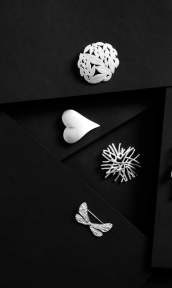
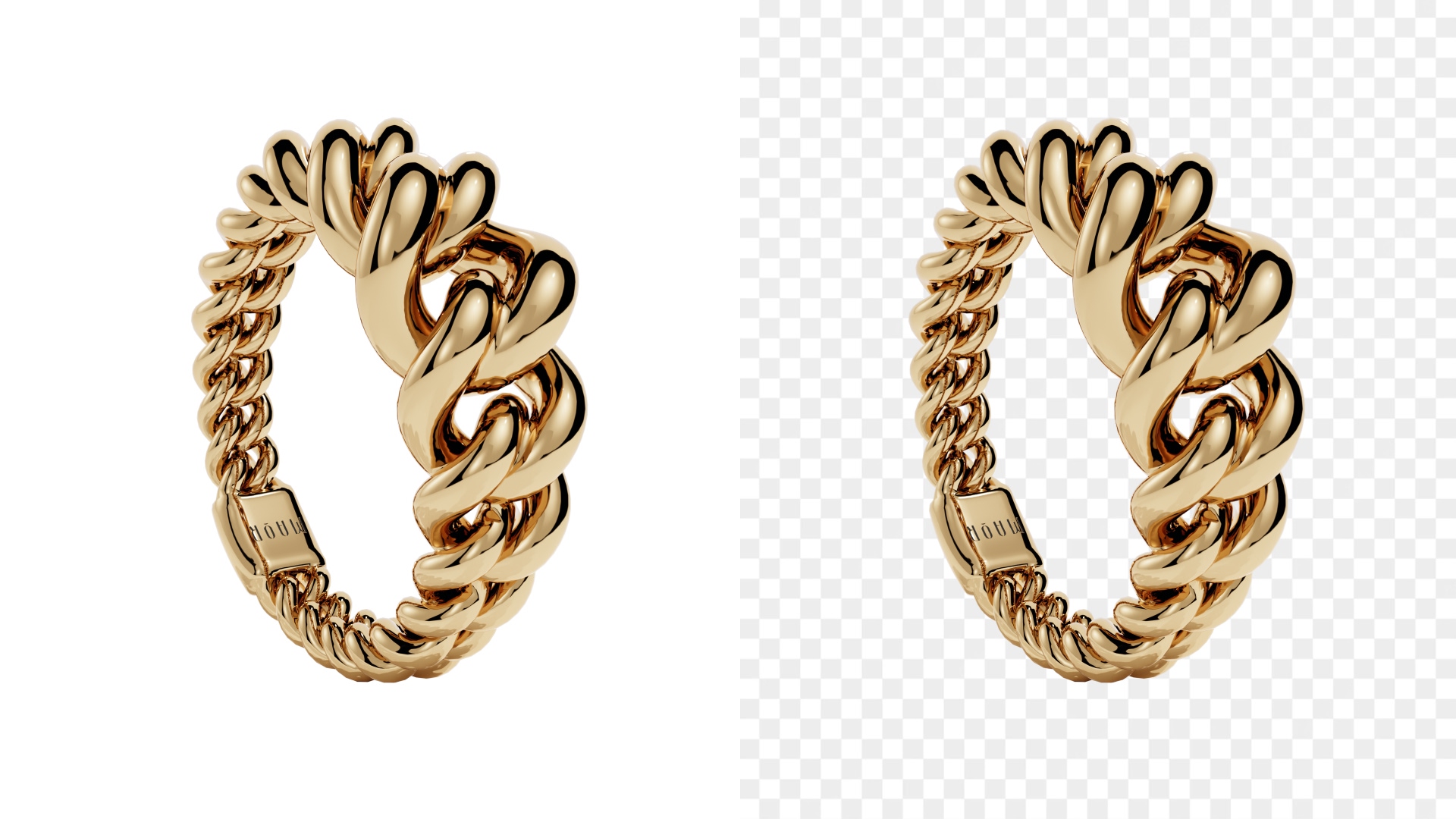
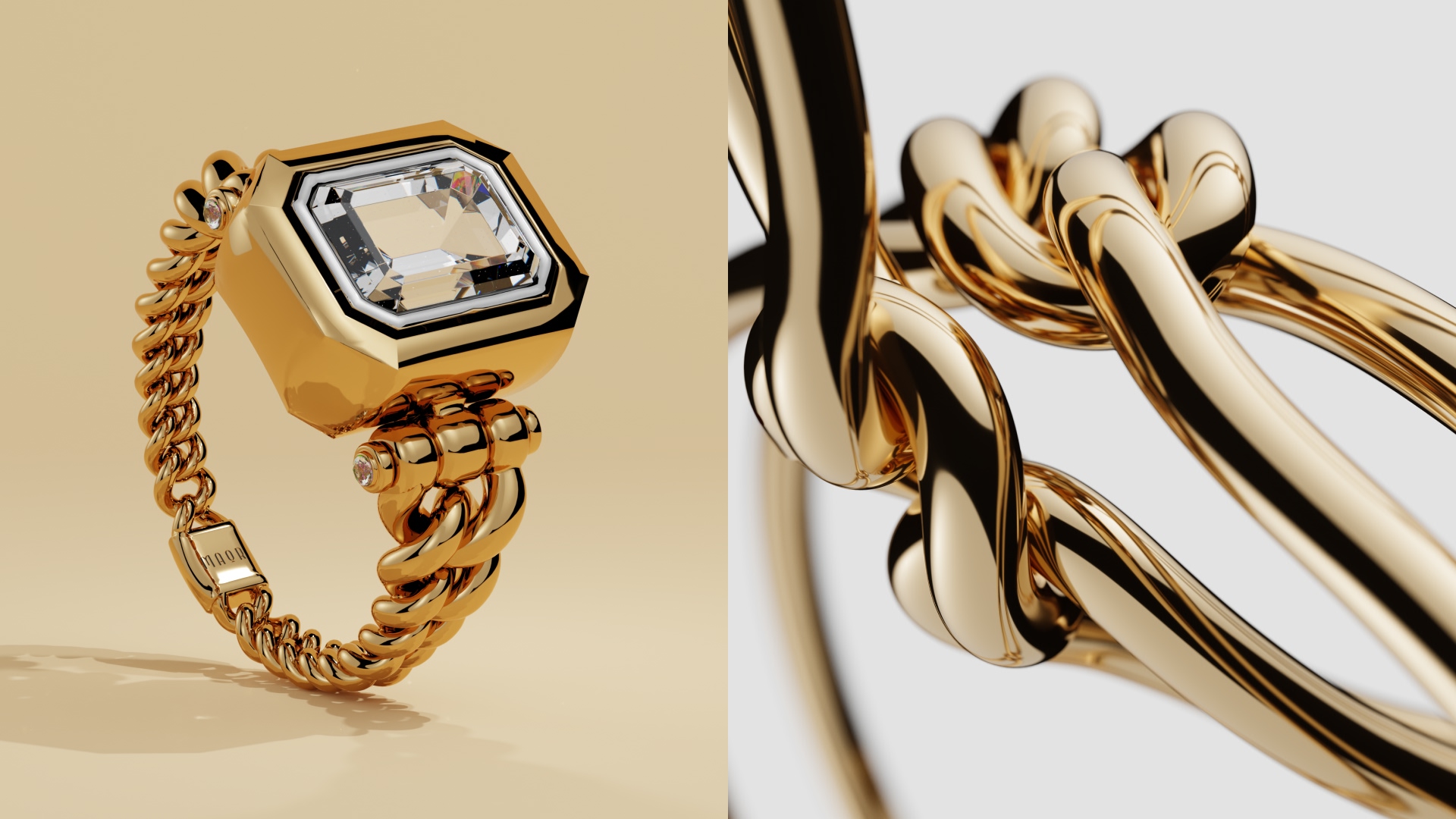
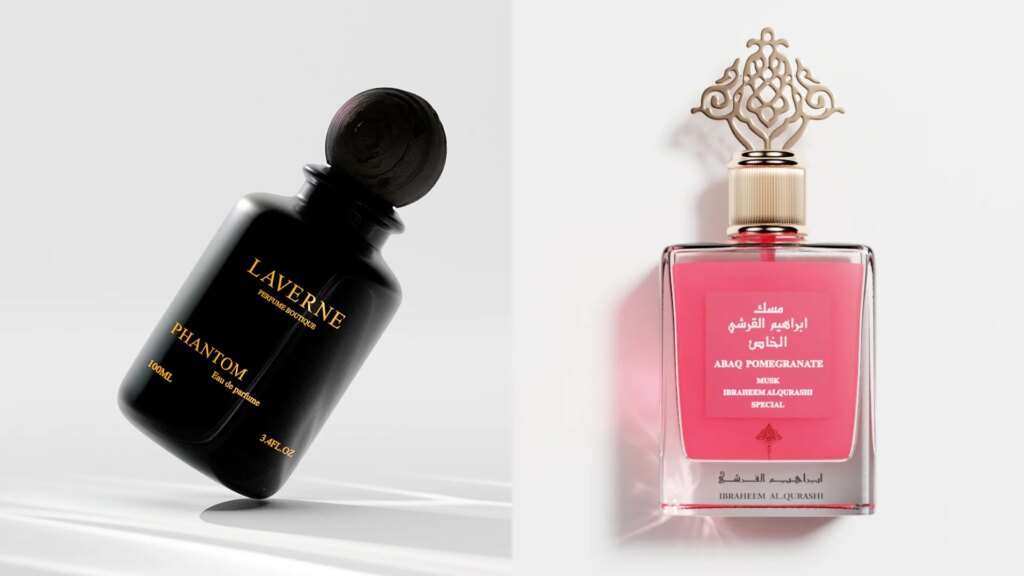
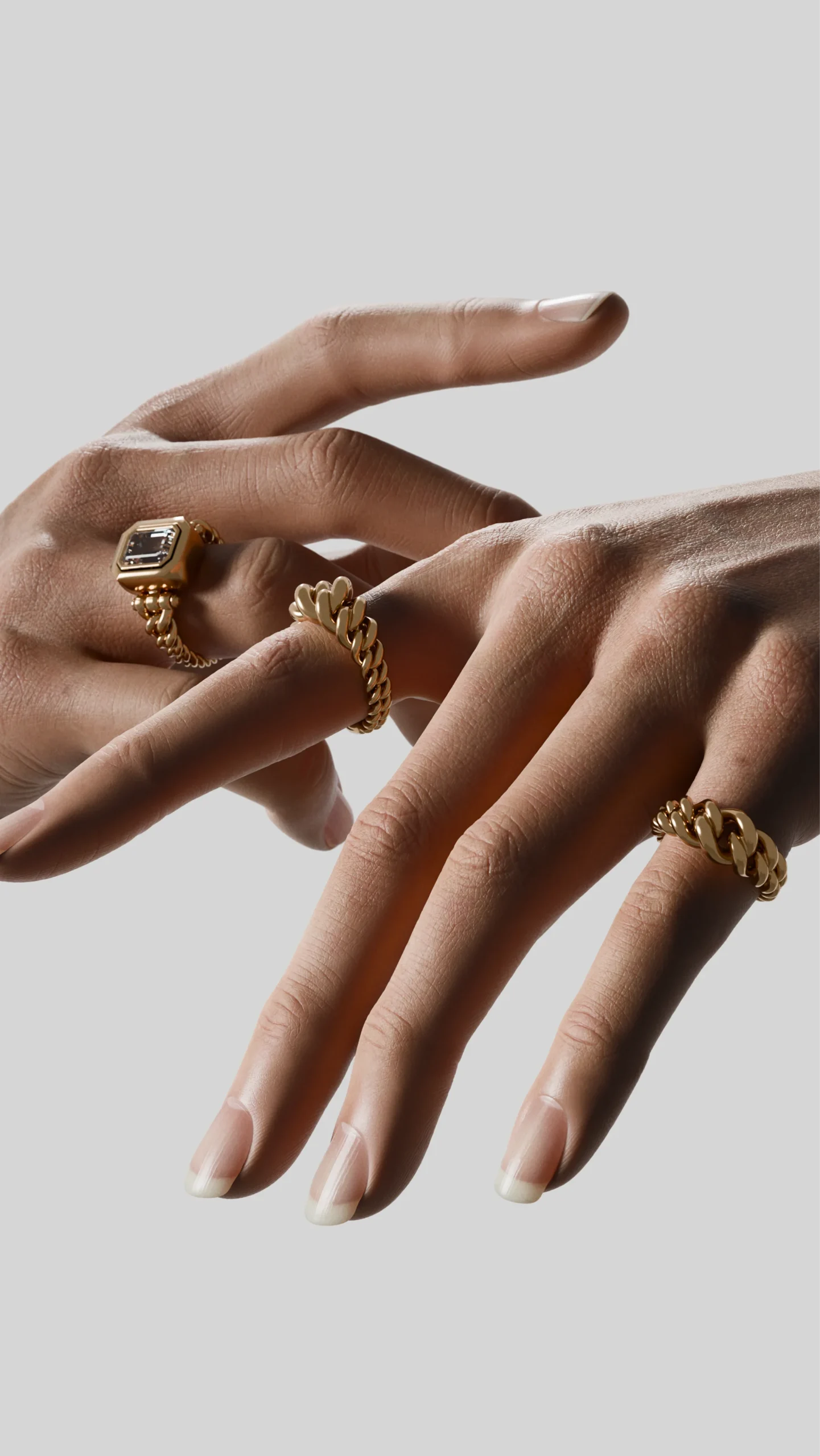
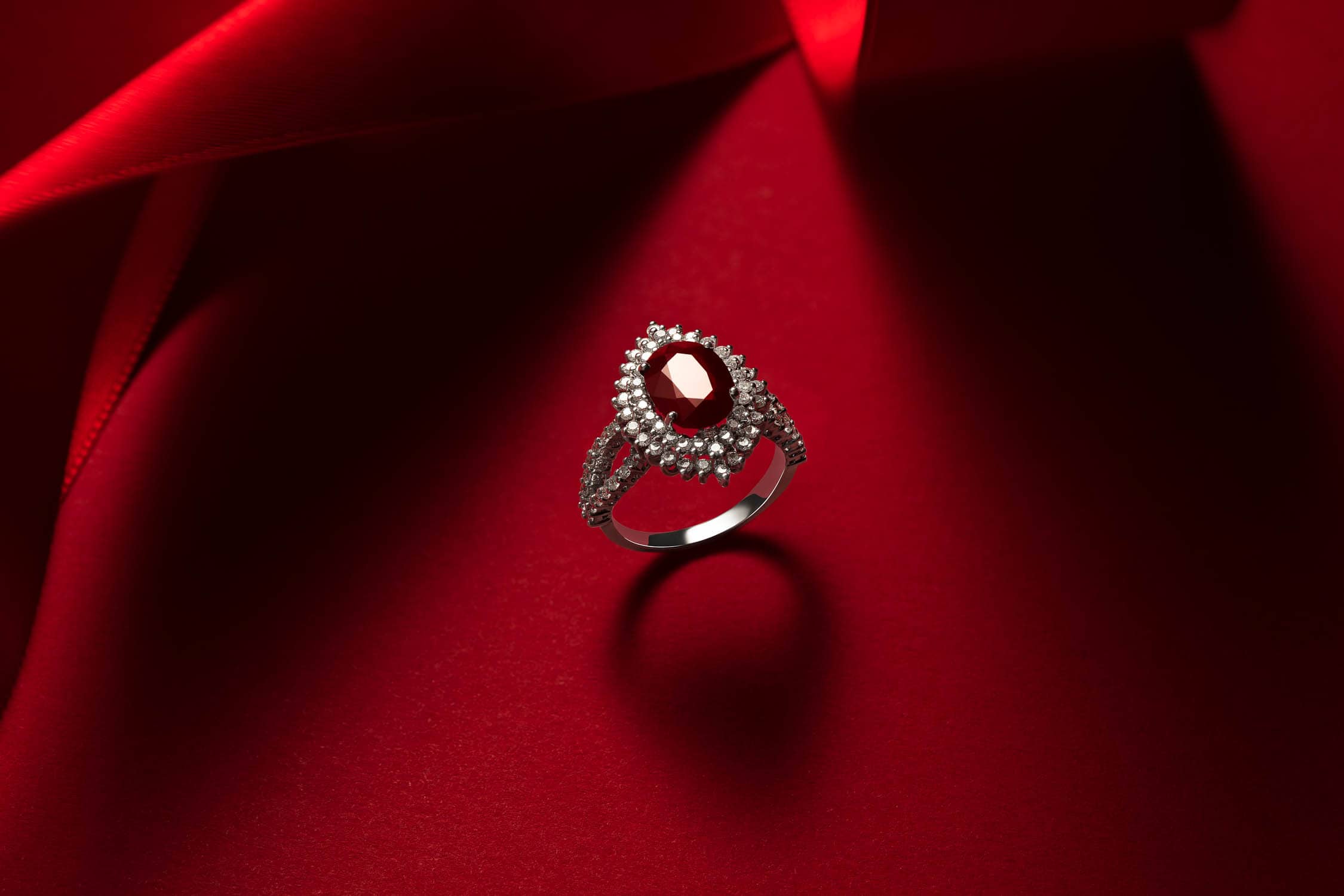
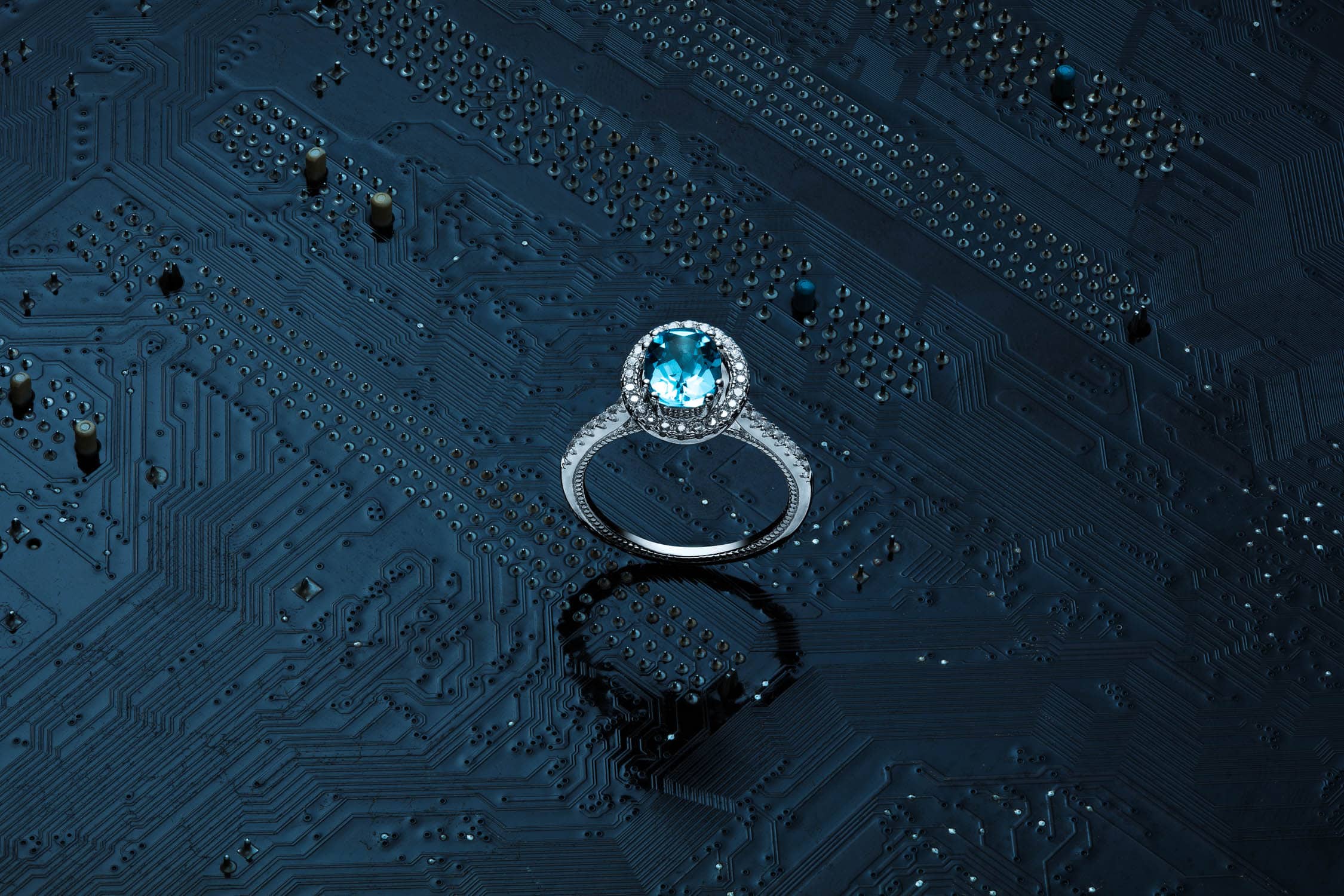
Below you can see several examples of our typical CGI product photography work:






Benefits of CGI product photography
CGI product photography is a total game-changer for eCommerce platforms like Amazon or Shopify. The thing is, shoppers love consistency. When they’re clicking through your store, they want to see every product from the exact same height and with the same lighting.
Once we have your product modeled in 3D and the lights are set, we can create multiple angles instantly. You get a clean, professional look across your whole catalog without the headache of trying to match physical camera setups every time you add a new item.
eCommerce (Amazon, Shopify)
The thing is, eCommerce platforms like Amazon and Shopify really thrive on consistency. When a customer scrolls through your store, they want to see every product from the exact same height and with identical lighting. Since we’re working in a 3D space, we can lock those settings in.
Once the product is built and lit, we can instantly generate dozens of angles with perfect white backgrounds. It creates a professional, polished look that is nearly impossible to match with a physical camera over time.
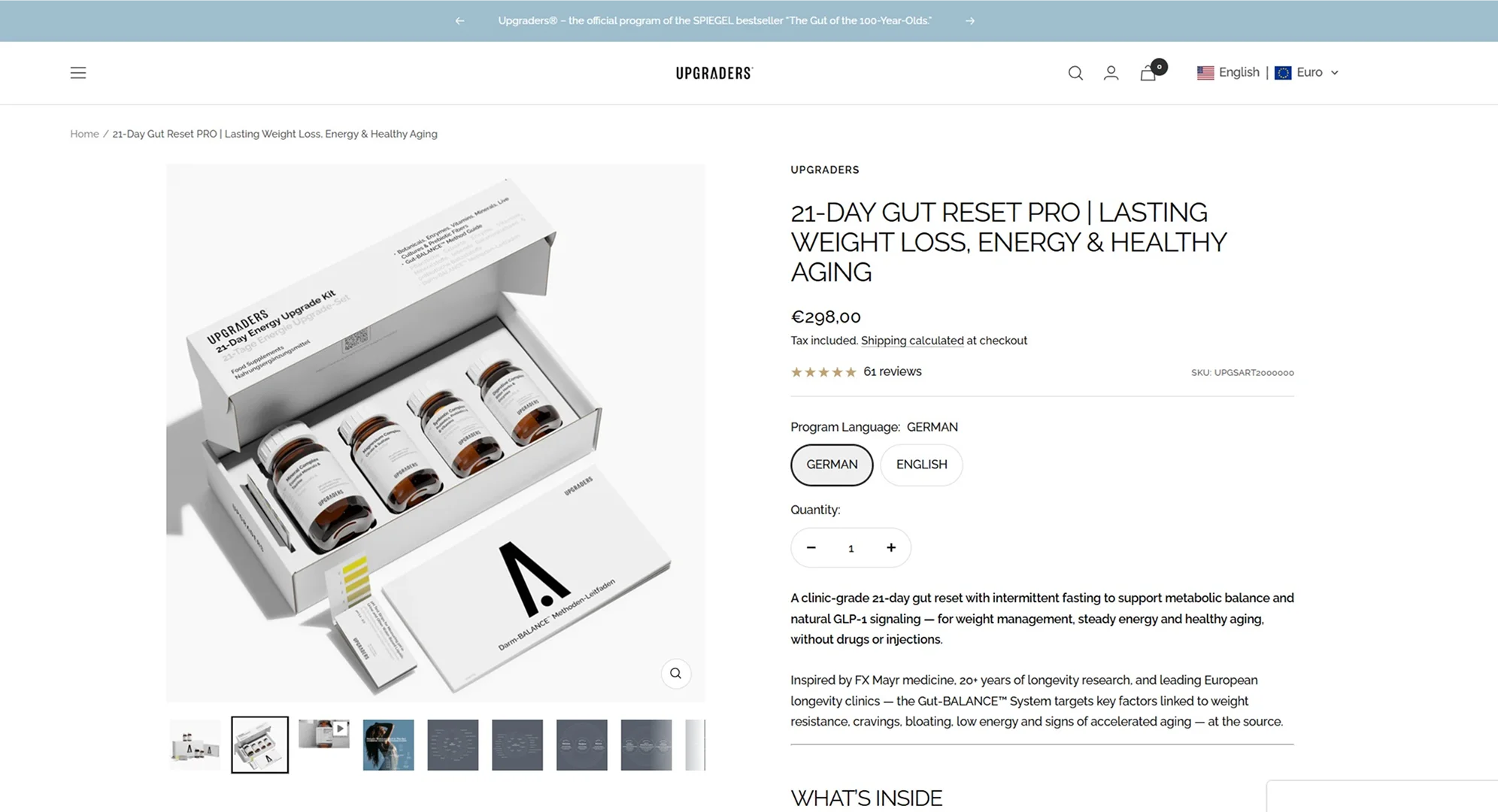
Product launches (before manufacturing)
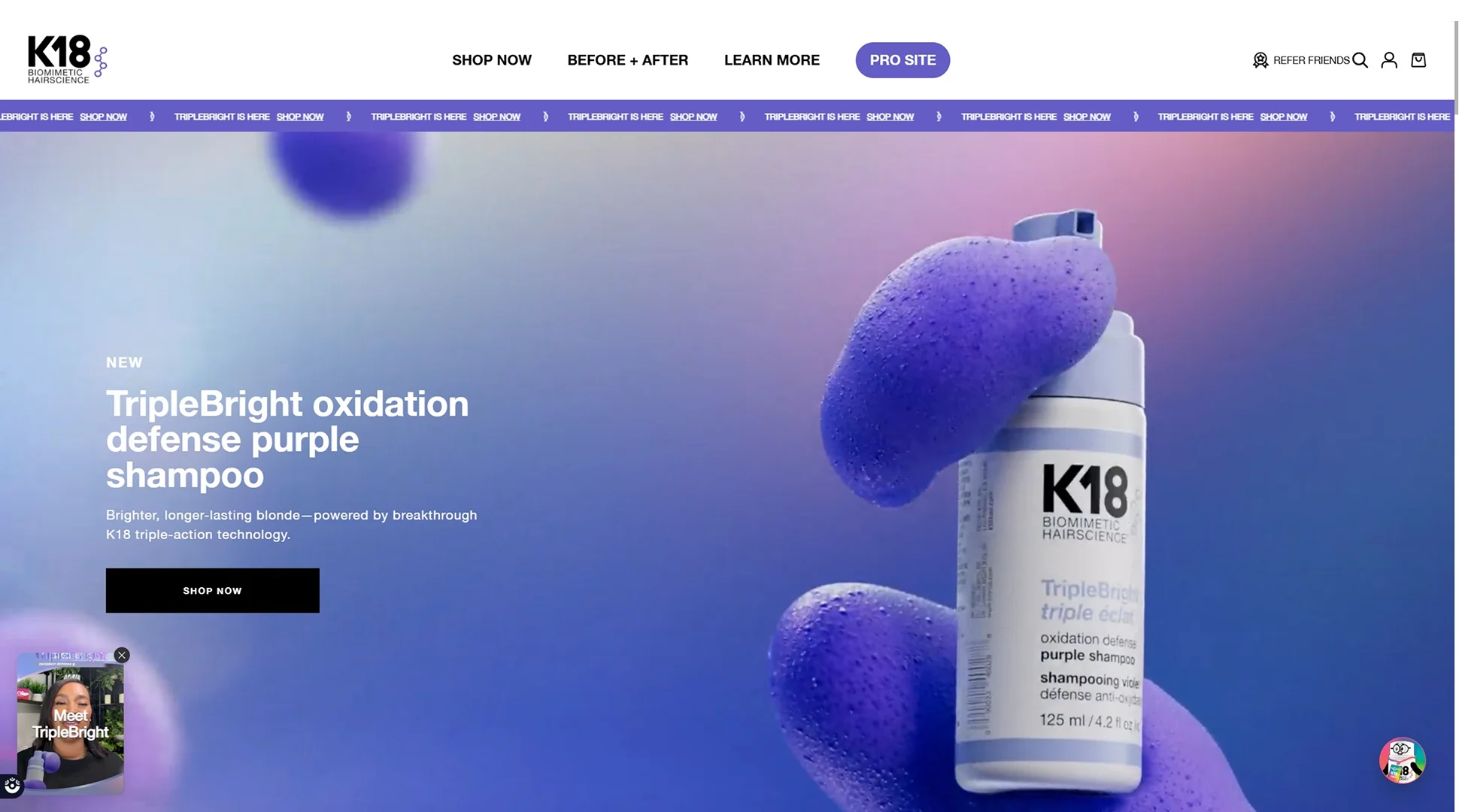
Actually, one of the biggest advantages is being able to launch a product before it even exists in the real world. You don’t have to wait for the factory to finish manufacturing. We can take your design files, apply digital labels, and create high-end visuals for your website to gauge customer interest right away.
We’ve done this many times, most notably with the brand K18. It’s a huge head start that lets you begin marketing while the actual goods are still in production.
Advertising campaigns
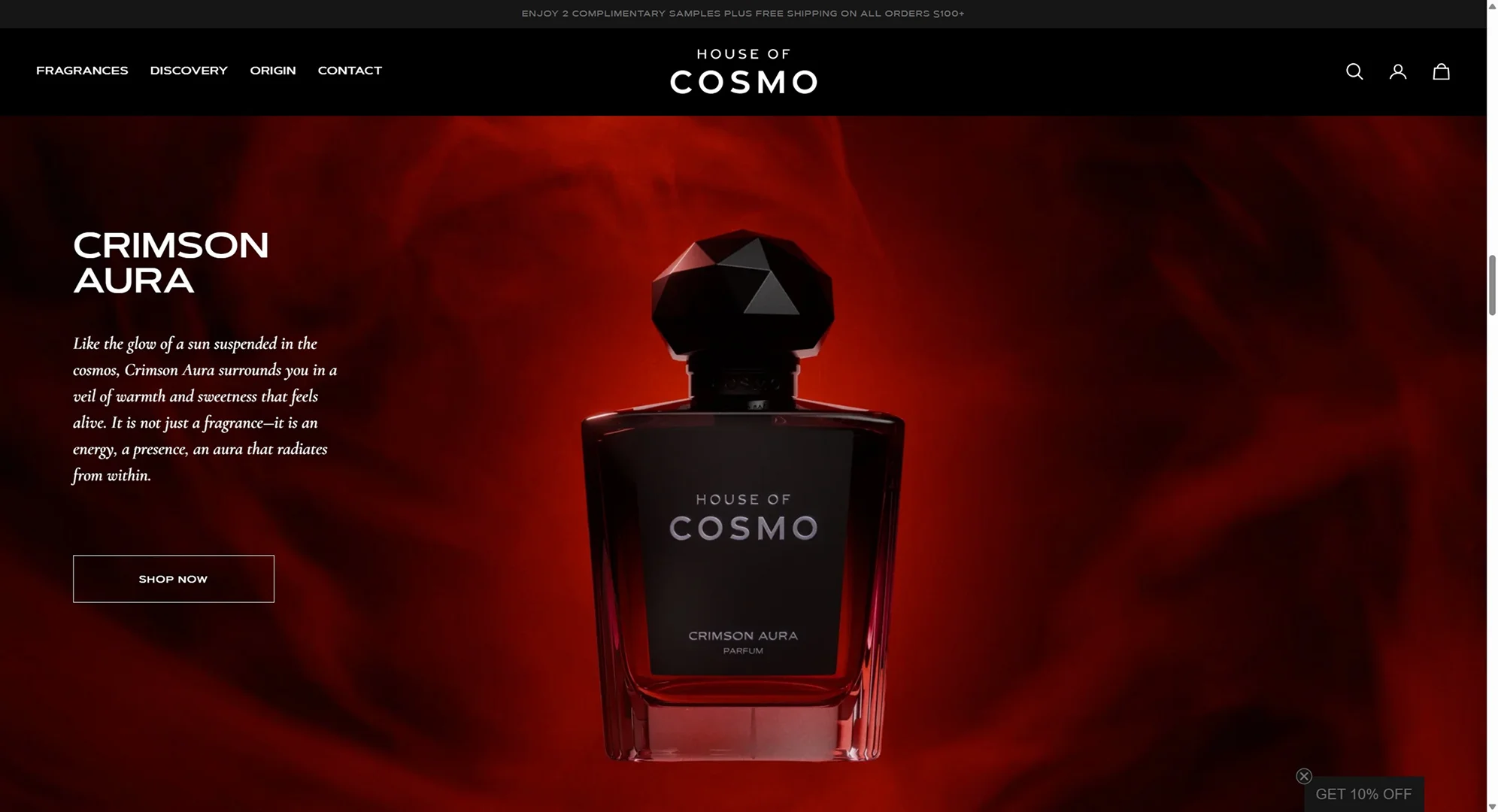
When it comes to big advertising campaigns, the “no limits” aspect of CGI is a lifesaver. These campaigns change all the time, and CGI allows us to pivot just as fast. If you need to swap a product color, shift the camera angle, or change the entire lighting environment to fit a new season, we can do it without a re-shoot.
You aren’t stuck with what you captured on a single day in a studio; you have a living file that adapts to any creative idea you can think of. You can learn more about Cosmo project in this case study.
Social media creatives
Social media is another place where this tech really shines. Whether it’s a clean still image or a punchy 10-second animation, CGI grabs attention because it looks so crisp.
These short videos are perfect for ads because they are totally indistinguishable from reality but allow for movements a physical camera could never pull off. It’s a simple way to keep your feed looking fresh and high-end without the constant stress of organizing new photo shoots every month.
How CGI product photography works (Process)


Creating a high-end CGI photograph isn’t just about clicking a button; it’s a disciplined, technical journey. At Welpix, we follow a rigorous workflow used by industry leaders to ensure every frame looks indistinguishable from reality. Here is how we move from a blank screen to a perfect shot.
1. The Foundation: 3D Modeling
Every project starts with the physical geometry of the product. Many of our clients, especially in the jewelry and electronics sectors, already have 3D models used for manufacturing. If you have those files, we can plug them right in to speed up the process.
If you don’t, we can build your product from scratch. All I need are a few reference images from different angles. If I can see it and understand how it’s built, I can recreate it in 3D with total precision.

2. Surface Detail: Shading and Texturing
Once the model is ready, we apply “shaders” to define the surface. Whether your product is made of brushed metal, frosted glass, or high-gloss plastic, we know how to recreate those material properties so they react to the environment naturally.
This is also where we handle digital labeling. If you’re in the cosmetics or perfume industry, you likely have your label designs in Illustrator or PDF formats. We take those digital files and “map” them onto the 3D model, ensuring the graphics wrap perfectly around the curves of your packaging.

3. The Art of the Perception: Lighting
In my experience, 80% of a great product shot is the lighting. It’s an art form. We use light to shape the product, drive the viewer’s focus, and create an emotional pull.
- For catalog shots, we might use clean, shadowless lighting against a 100% white background.
- For hero shots, we manipulate highlights to accentuate the craftsmanship.
We’ve actually developed our own proprietary light sources that simulate real-world studio gear. This is a massive differentiator for us; you can really see the depth and realism in our jewelry work compared to artists who just use “loose” or automated lighting.

4. Final Output: Rendering
This is the phase where the software and hardware do the heavy lifting. The computer calculates how every ray of light bounces off the textures we’ve created. Depending on the image resolution and the complexity of the scene, this can take anywhere from a few seconds to several minutes per frame. It’s the bridge between our digital setup and the final high-resolution file.

5. Polising: Post-Production
Even after the computer renders the image, we often take it into tools like Photoshop or After Effects for the final 5%. We call this compositing. Instead of spending hours tweaking tiny details inside the 3D software, it’s often faster and more effective to:
- Fine-tune color correction and contrast.
- Enhance specific reflections to achieve absolute perfection.
- Clean up “pixels” to ensure the final result is flawlessly sharp.
How much does CGI product photography cost?
We believe in being up front about what things cost. We’ve spent a lot of time refining our pricing structure to make it as transparent and predictable as possible, so you aren’t hit with “hidden fees” halfway through a project.
Our pricing is built on two simple components:
1. 3D Product Modeling (The Foundation)
Everything starts with a digital version of your product. We charge for this €29/hour. The time required depends entirely on complexity—a sleek perfume bottle is a quick build, while an intricate mechanical watch takes more time. Once we have this model, it’s yours to use for any future images or animations.
2. The Creative Style (The Environment)
The second part of the cost depends on how many images or seconds of animation you need, and which “level” of complexity you choose. We break this down into four distinct styles:
- €49 — White Background: Clean, professional, and perfect for e-commerce or catalog use. These are the most cost-effective because they are less hardware-demanding and take less time to set up.
- €99 — Minimalistic: A step up in style, focusing on clean lines and subtle backgrounds to make the product pop.
- €149 — Simple Props: We introduce geometric shapes or basic physical elements to add depth and context.
- €299 — Custom Style: This is where we go all out. These images can take ten times longer to develop because they require high-level artistry, complex environments, and significant computing power to render.
The Pricing Calculator
Because we want you to know exactly what to expect, we’ve developed a simple pricing calculator on our website. You can select your style and quantity to get an instant estimate of what your project will cost.
I’ve also recorded a dedicated video below that walks you through the entire process and shows you exactly how we calculate these numbers. You can find our full, transparent price list here:
- 3D modeling
- White bg.
- Minimalistic
- Simple prop
- Custom
- 3D modeling
- White bg.
- Minimalistic
- Simple prop
- Custom
Industries using CGI product imagery
While CGI product photography is suitable for almost any industry, I’ve learned that trying to do everything often means spreading yourself too thin. At Welpix, we’ve made the strategic choice to focus our expertise where it delivers the most value: hard surface products.
Technically, there are no limits to CGI. We can handle soft surfaces like fabrics, liquids, and even food. However, we specialize in the following industries because that’s where our experience runs deepest. The rule of thumb is simple: if your product has a hard surface, we can create world-class promotional materials for it.
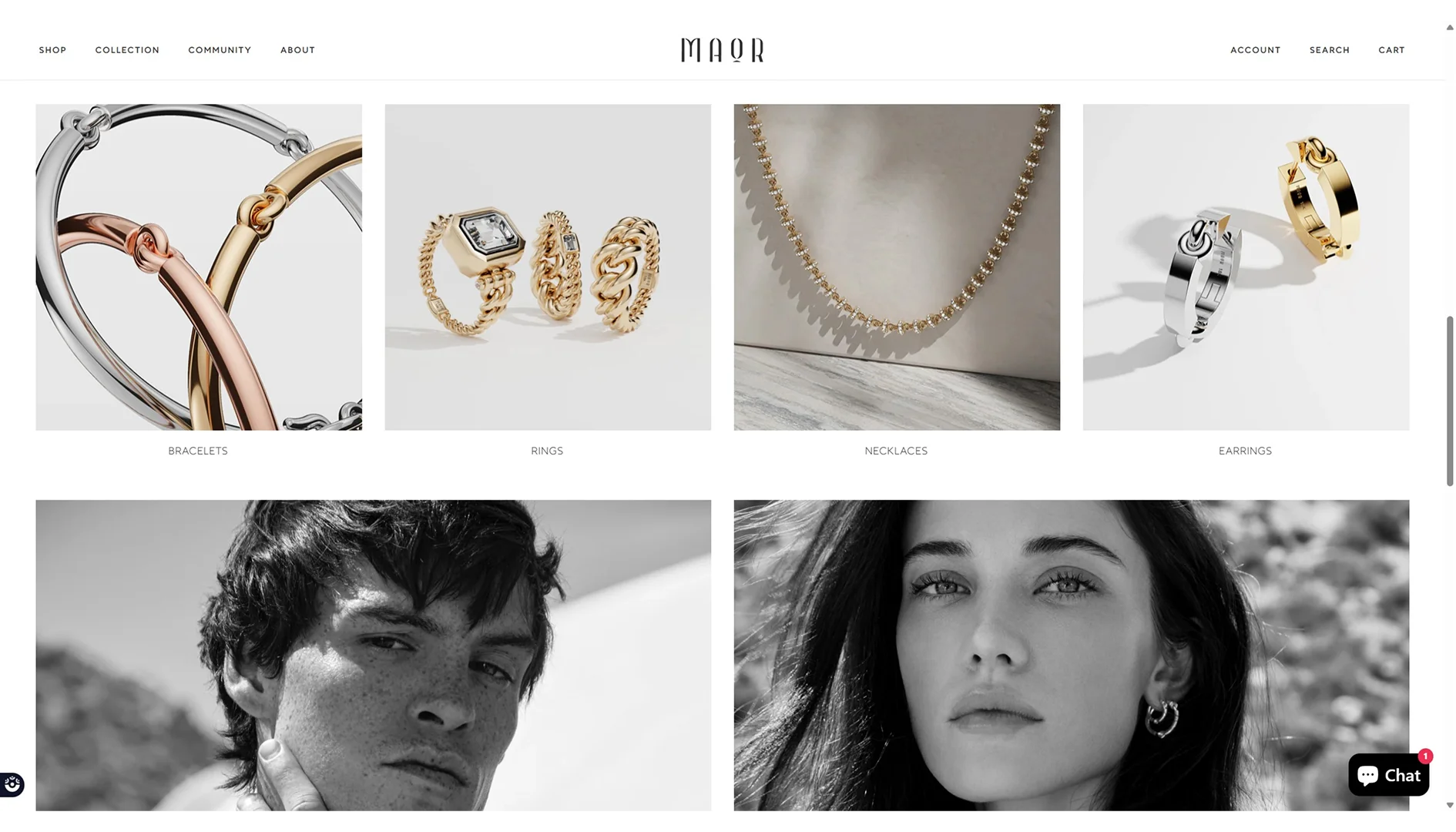
Jewelry (Gold, Silver, and Diamonds)
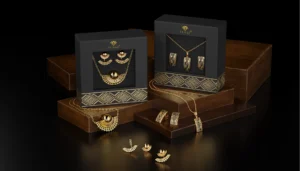
Jewelry is one of our core specialties. Beyond the stunning visual results, there is a massive logistical benefit: peace of mind. Since we are based in Europe but service a global clientele, our customers don’t have to worry about shipping incredibly expensive, high-value pieces across borders just for a photoshoot. We build it digitally, saving you a fortune on insurance and shipping while keeping your assets safe at home.
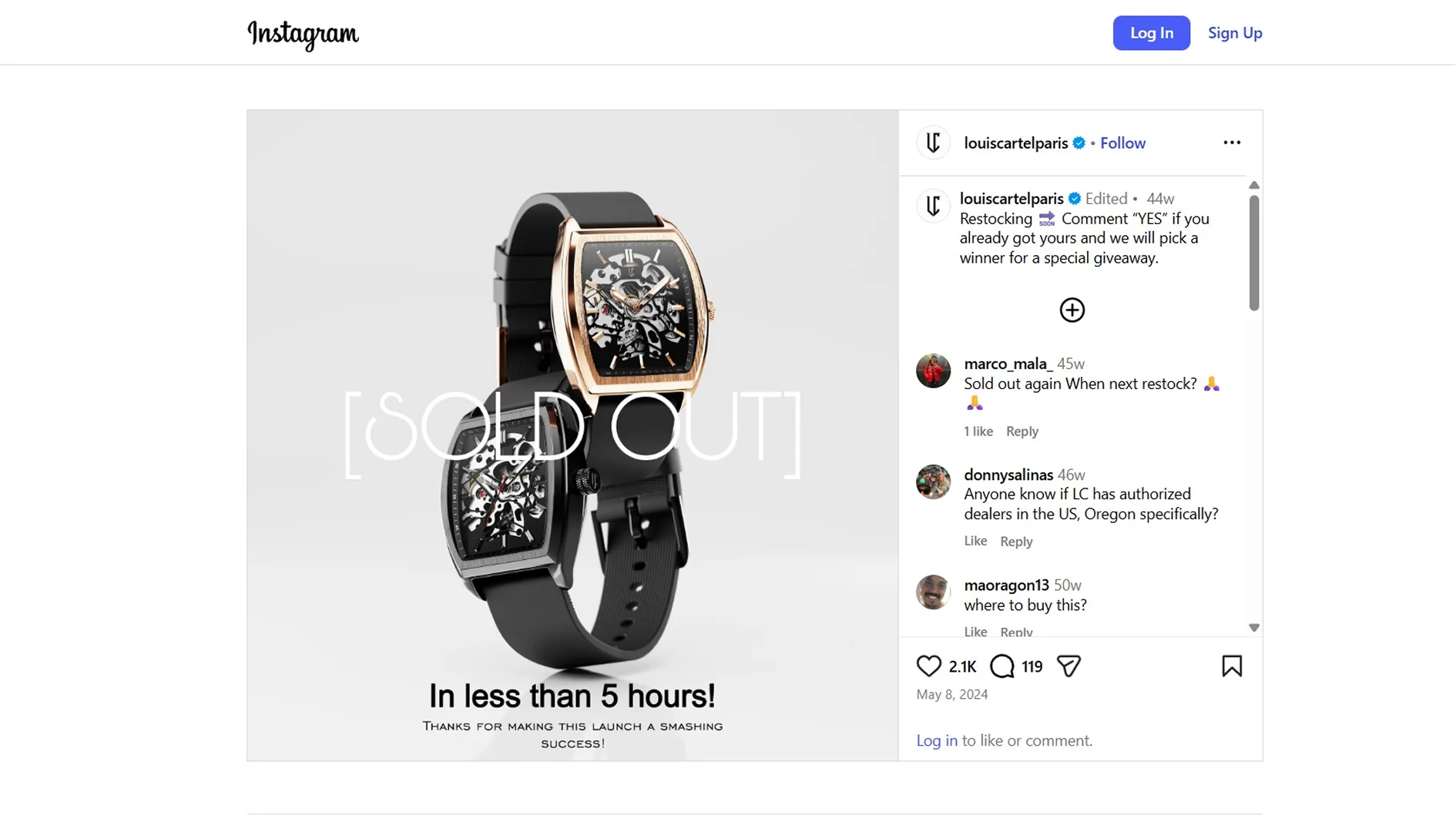
Watches
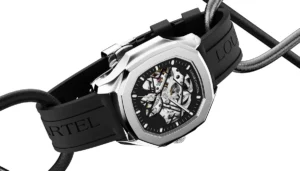
Watch photography is notoriously difficult. In the traditional photo world, specialists “eat, sleep, and breathe” watches because these small, shiny objects demand extreme skill in lighting and retouching.
With CGI, we can achieve a level of perfection and macro-detail that physical camera lenses often struggle to reach. We can get closer to the intricate movements and polished surfaces than ever before.
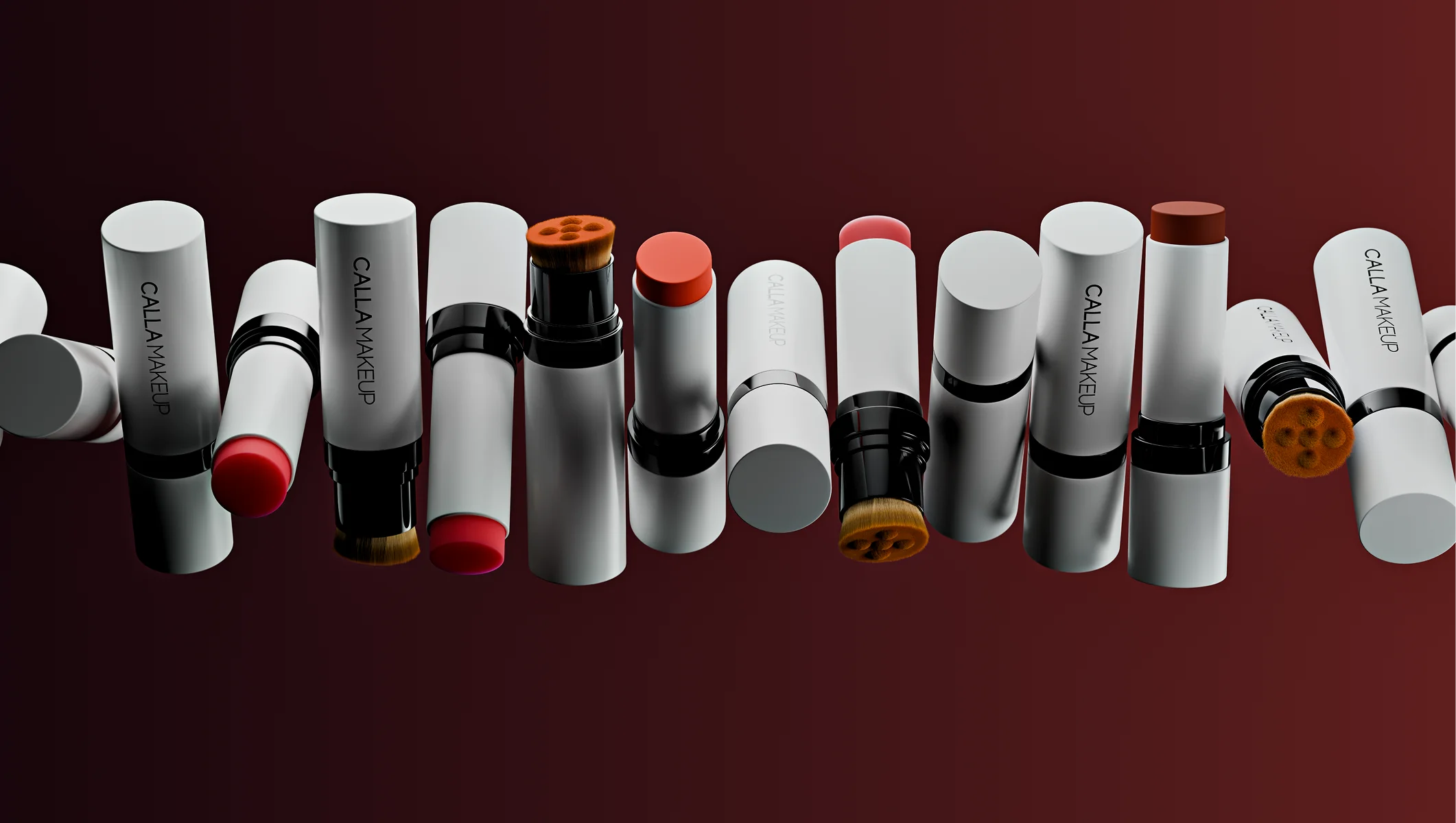
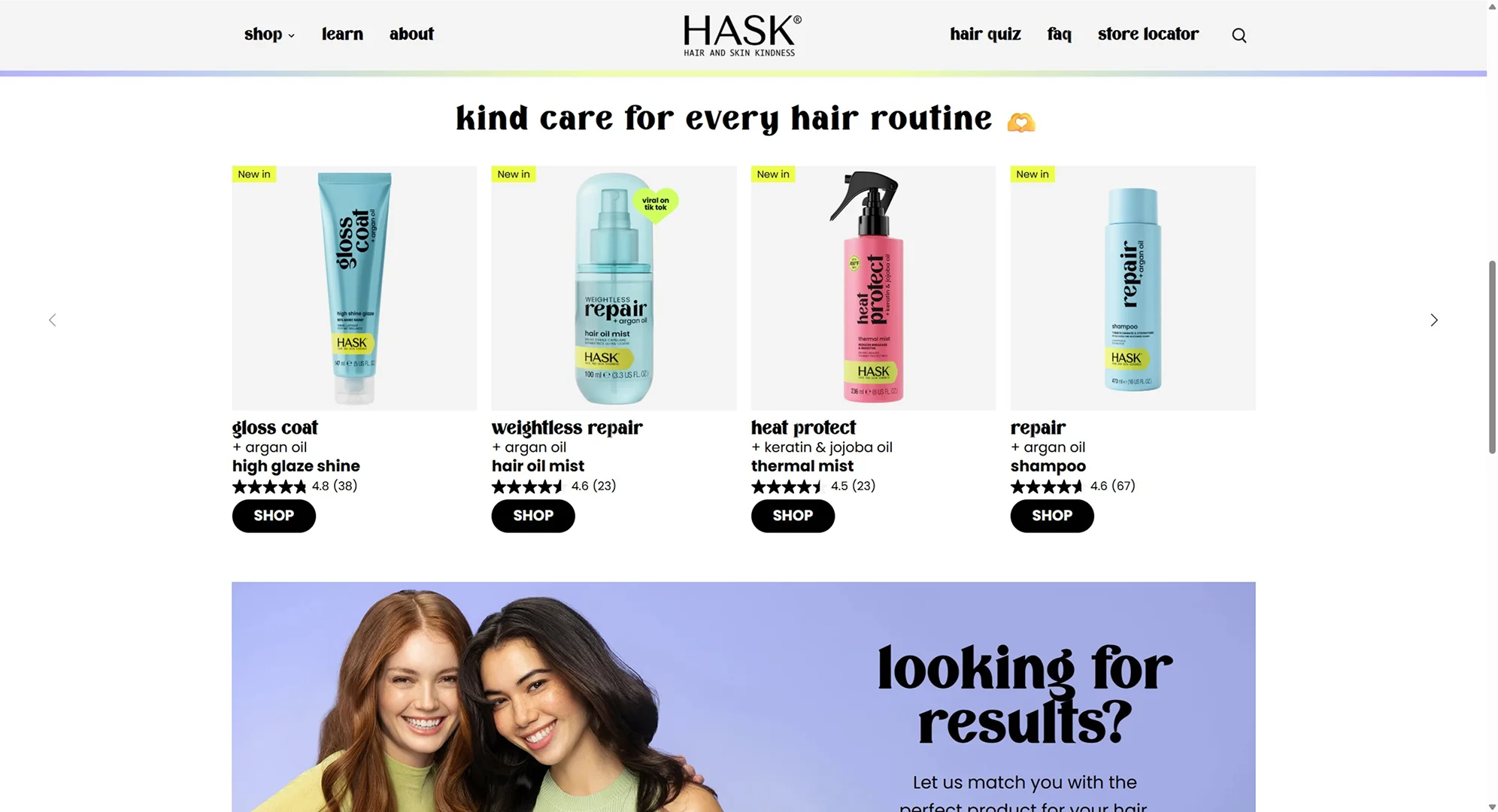
Cosmetics
The cosmetic industry is a battlefield of competition. For these brands, precision, predictability, and cost are the three pillars of success. We’ve worked with brands worldwide for years because we make the process easy.
You don’t need to ship us dozens of bottles; just send us a few reference photos and your label files (PDF or Illustrator), and we can produce high-end content faster and more affordably than a traditional studio.
Electronics
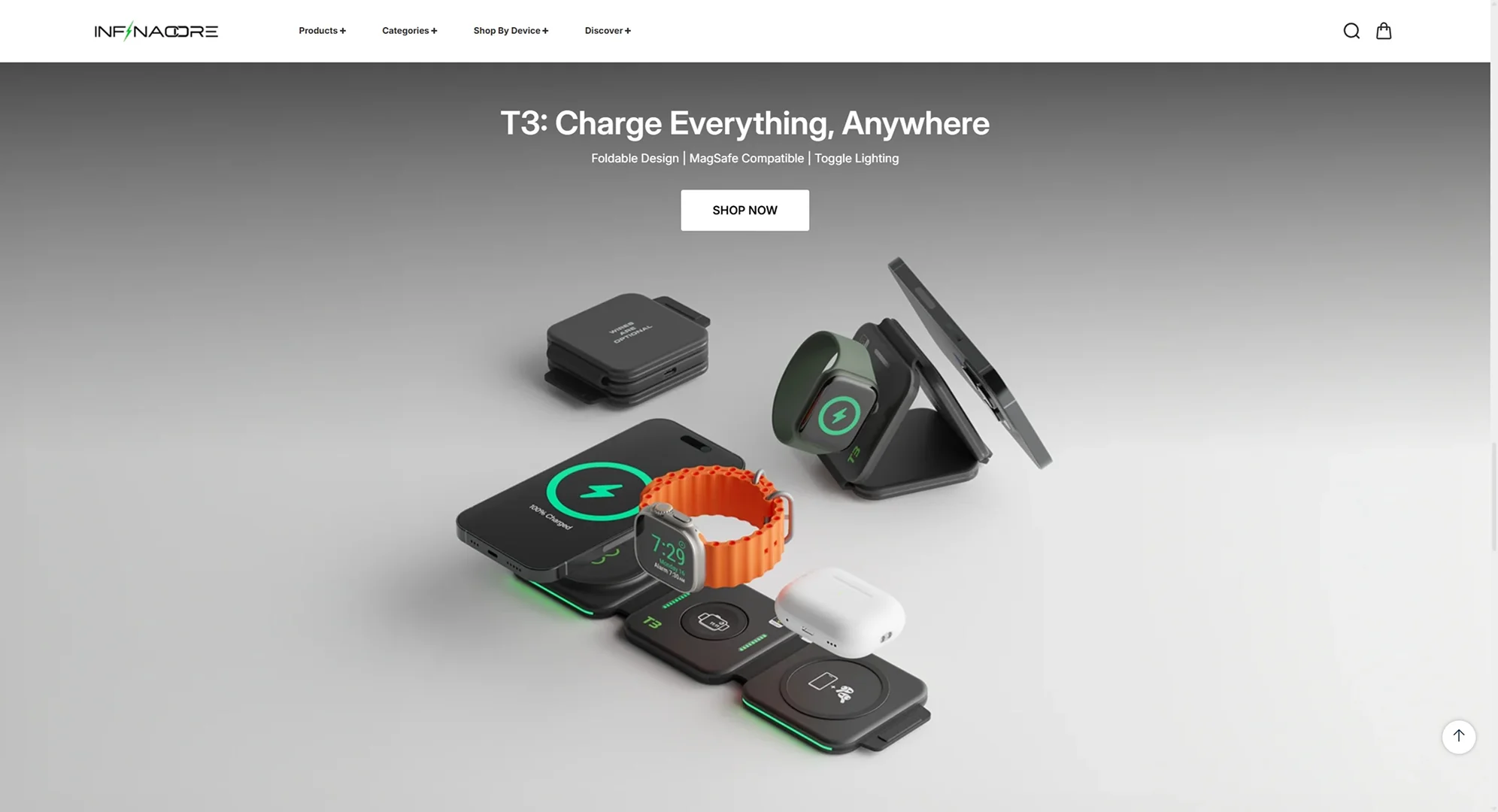
Whether it’s consumer tech or heavy industrial equipment, electronics are the “classic” example of where CGI shines. We can provide instant marketing assets that are so realistic that no one—not even your competitors—will ever question if they are real or digital.
Other produts
Our portfolio isn’t limited to the categories above. If it’s a hard surface, we’ve likely rendered it. We have extensive experience with:
- Travel cases and luggage
- Candles and scent burners
- Personal care (electric toothbrushes, fans)
- Food containers and packaging
- Confectionery (candy bars and chocolate products)
If you have a product that fits this description, we can help you build a visual library that works across every marketing channel you have.
The power of CGI Hand Modeling
Digital imagery is moving beyond the limitations of traditional photography, and CGI hand modeling is leading this shift. After two decades in product marketing, I have seen how the right hand placement transforms a cold product shot into a story about lifestyle and human connection. Whether it is a luxury watch, a piece of fine jewelry, or a cosmetic cream, virtual hands provide a level of perfection and control that physical shoots cannot match.
The Pillars of Success with CGI Hand Modeling:
- Anatomical Precision: We sculpt hands with realistic skin textures, subtle pores, and natural light interaction. This ensures the digital hand looks indistinguishable from a human one, maintaining the viewer’s immersion.
- Infinite Customization: You select the exact hand type that fits your brand identity. From age and skin tone to nail shape and grip style, every detail is adjustable to align with your specific target audience.
- Flawless Integration: Virtual hands interact with products with mathematical accuracy. In jewelry and watch rendering, the fingers wrap around the item perfectly, eliminating the shadows or awkward reflections often found in traditional photography.
- Consistent Branding: You maintain a unified look across entire product lines. Because the hand is a digital asset, you can reuse the same model for different campaigns, ensuring your brand aesthetic remains stable over time.
- Dynamic Posing: We position hands in ways that highlight the ergonomics and scale of a product. This is essential for cosmetics, where the hand demonstrates the texture of a cream, or for watches, where the wrist position showcases the dial’s clarity.
- Cost and Time Efficiency: CGI removes the need for hand models, manicurists, and complex lighting setups on set. You achieve believable results through a streamlined digital workflow that allows for easy revisions and updates.
Using CGI hands allows us to focus on the emotional resonance of the product. We create a sense of touch and ownership that invites the customer to imagine the product in their own hands. By mastering these digital tools, we ensure every frame is optimized for engagement and visual impact.
Why Brands Are Switching to CGI in 2026

The shift toward CGI for product marketing in 2026 isn’t just about following a trend; it’s a practical response to how fast the industry moves. After two decades in 3D production, I see three clear reasons why brands are finally ditching traditional photo shoots.
- Global collaboration without the logistics: We’ve reached a point where physical location is irrelevant. Brands can coordinate with their marketing teams from anywhere and send us their specs over the internet. We eliminate the nightmare of shipping physical prototypes across the world, which bypasses customs delays and high freight costs. Because the product lives in a digital space, creative updates happen almost instantly.
- Drastic cost reduction: When you compare CGI to traditional photography, the math is simple. You aren’t paying for location scouting, travel for a full crew, or the downtime lost waiting for the perfect lighting. CGI is faster, cheaper, and more convenient because we control the entire environment from a workstation.
- Precision over AI chaos: Many clients come to me after trying to use AI for their product shots. Their main complaint is always a lack of consistency. While AI is a fantastic tool for the initial brainstorming and concept phase, it often fails when you need a specific, repeatable result. We use those AI concepts as a starting point, but we move into CGI for the actual production. At the end of the day, CGI is the tool that delivers precision and brand consistency that AI alone can’t match.
CGI allows us to take a solid idea and turn it into a high-end visual without the friction of the physical world. It’s about being lean, staying creative, and getting to market before the competition does.
Pioneering a New Medium: The Origin of "CGI Photography" (2020)
Back in 2020, we found ourselves at a unique crossroads. Long before CGI Photography became an industry buzzword, we were already engineering the concept in the field. As early as 2018, I was using software like SketchUp to simulate and map out complex studio lighting. I wasn’t just “rendering”—I was using digital tools to solve real-world photographic problems.
When the lockdowns hit and physical studios became inaccessible, we realized we didn’t need to wait for the world to reopen. We merged our two worlds by moving our entire studio into the digital space we had been building for years.
During this transition, we made a startling discovery. I searched Google for the term “CGI Photography” and, to my shock, found zero results. It was a moment of total disbelief; the search bar was silent on a concept that felt so clearly necessary.
That was the final push we needed to show the world what was possible. We began documenting a strict new methodology that treated 3D scenes with the soul and lighting principles of a physical camera.
This process became more than just a theory; it became a curriculum.
- The Foundation: We first began teaching these techniques through Still Life Academy, sharing the original videos that defined this new hybrid medium.
- The Evolution: As the industry caught on, the academy evolved into what is now Welpix—a professional studio built on these pioneering principles.
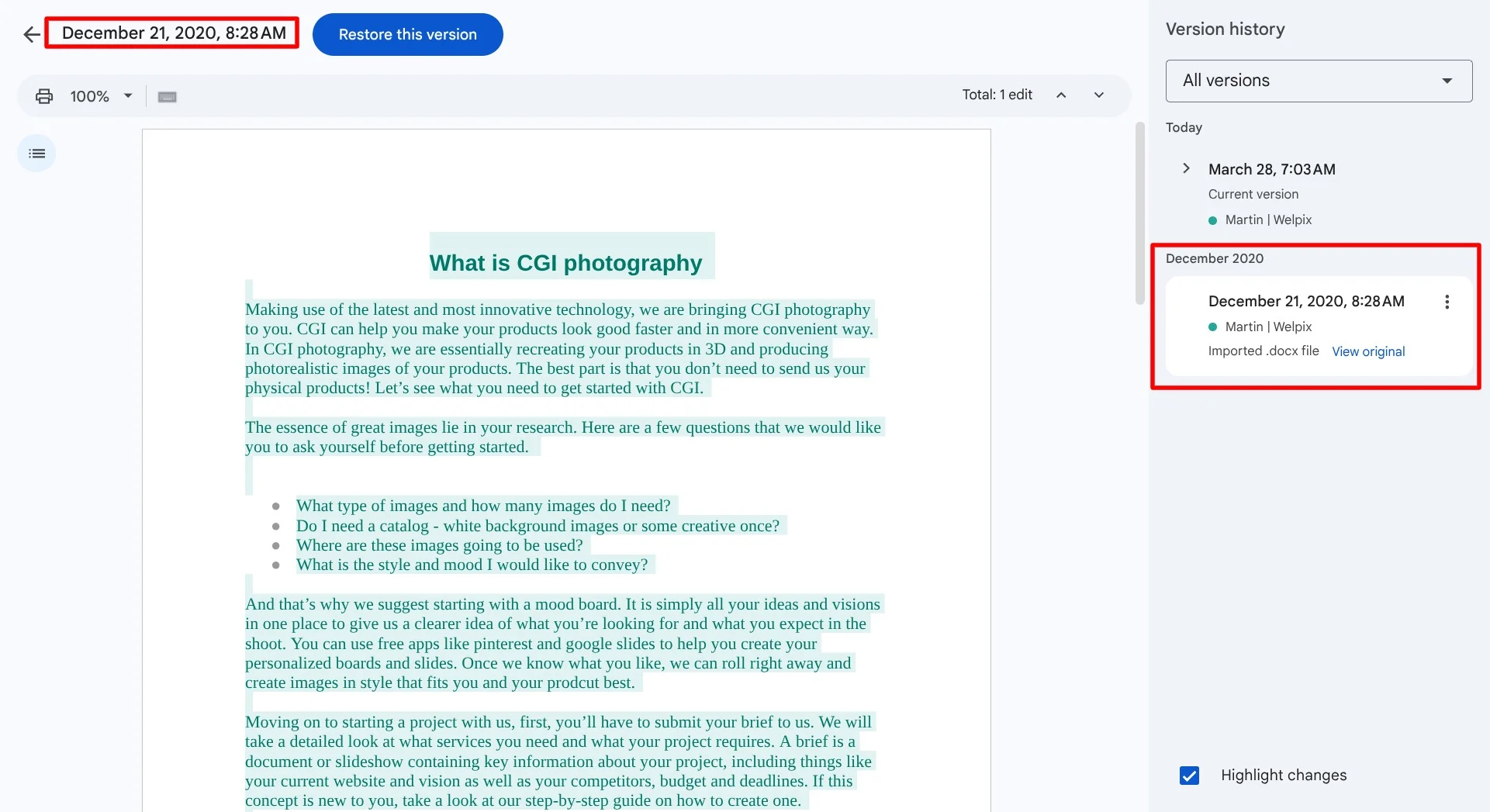
- The Proof: You can still see the digital footprint of this invention via the Wayback Machine’s archive of our original January 2021 announcement.
While many people use the term today, our roots are firmly planted in those quiet months of 2020 when we decided to bridge the gap between the lens and the pixel.
FAQ
What does CGI stand for and how is it used?
CGI stands for Computer Generated Imagery. In our studio, we use it to create digital simulations of products that look exactly like high-end photography, but without the limitations of a physical camera.
What is the practical CGI meaning for my brand?
The CGI meaning in a business context is the ability to create, manipulate, and reuse 3D assets for marketing. It means you have a permanent digital version of your product that can be placed in any environment or lighting setup at any time.
How does CGI differ from AI imagery?
CGI offers precise control and mathematical accuracy, making it ideal for technical products. AI is faster and cheaper for generating ideas or backgrounds but often lacks the precision needed for specific product details.
Can I get photos before my product is manufactured?
Yes. We can use your design files or reference photos to create 3D models and high-end visuals. This allows you to start your marketing and advertising campaigns while the actual goods are still in production.Here goes your text … Select any part of your text to access the formatting toolbar.
What are the main benefits of digital hand modeling?
CGI hands provide perfect skin textures and flawless interaction with your product without the need for live models or manicurists. They ensure consistent branding across your campaigns and can be customized to fit any target audience.
Is CGI more expensive than traditional photography?
While there is an upfront cost to build the 3D model, CGI is usually cheaper in the long run. It eliminates shipping, travel, and studio rental fees, and allows you to update colors or angles instantly without a re-shoot.