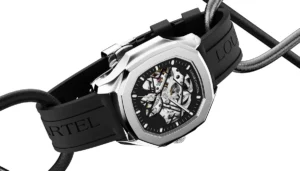
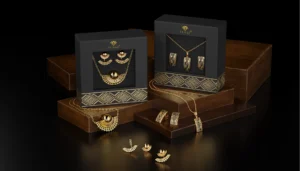
“Not only does CGI deliver better results than traditional photography. It also renders shipping physical inventory useless. That’s exactly what the Quinix project demonstrates.
You can avoid tons of logistical headaches by simply providing digital label files (PDF or Illustrator) and a quick reference video to capture textures (foil, gloss, etc). Plus, this process gives you full control over visual elements. You decide the saturation, lighting, reflections, and more, until the final image 100% matches your vision.”
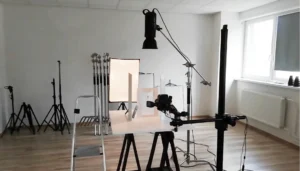
The supplement market today is all about less is more. People are growing more health-conscious by the week. They’d rather get their nutrients from real food than gamble on rainbow-colored capsules stuffed with mystery additives. So when they shop online, they want a clear quality promise. That’s where perfect images come in. That’s where perfect images, and the CGI vs photography decision, becomes crucial. Consumers expect visuals that look clean, premium, and undeniably real.
QUINIX, a startup preparing to introduce its premium collagen product, knew this all too well. And their core problem was familiar to us. Traditional photography just didn’t do their product justice. The bottle had a multi-layered label with a sophisticated combination of “silver foil with a soft touch finish” and “embossed UV glossy print.” It’s easy to imagine how at least one of these details would fall flat in a physical studio. It’s hard to highlight all and get that perfect lighting in one single shot.
We ended up creating those clean, accurate catalog shots they wanted and earned their trust. Then came their next project for us: creating a signature hero image to define their brand on their homepage. This case study breaks down the Computer-Generated Imagery (CGI) workflow for this. Read on to see why they chose CGI time and time again (and why they’re coming back for a fun third project).
Deep dive: A step-by-step breakdown of our CGI workflow
1. The brief: Turning a creative vision into a digital blueprint

Our QUINIX client, Reza, gave us a detailed creative brief that we had a lot of fun looking at. Think Japandi Pinterest mood board met a clear, unique vision. The goal was to make one strong hero image for their website’s homepage. But now, we needed to turn this vision into an executable plan. Reza drew inspiration from three of our available aesthetics (Minimalistic, Simple prop, and Custom) and the vibes other premium supplement brands go for.
We love specifics, and this project had tons of them. Like placing the product on a “concrete block or riser” and adding “water droplets to the product canister” for a fresh look. Another custom element was a glass filled with “liquid and ice cubes,” with a “slight yellowish tint” to hint at a mixed product. Our role was to bring them all together into a stunning image that also kept QUINIX’s brand identity. With a clear digital blueprint in mind, we moved to creation.
2. The digital twin: Modeling the product with precision

You don’t get professional CGI (the kind you can’t tell apart from an actual photo) without accurate 3D modeling. This is where we make the physical product’s digital twin, down to the pixel. If this isn’t perfect, any tiny inaccuracy snowballs into a huge deformity later, when we add textures or render it.
Our team started with the master 3D model of the QUINIX Collagen Fusion+ container. Luckily, we’d already perfected this during our first project! So we had a flawless asset ready to use again (one of the biggest advantages of using CGI, by the way).
Our modelers then focused on the new scene elements requested by Reza. We also talked Reza through every step of the process (including how we use Blender and other 3D tools) because we love how transparency solidifies a working partnership. Once we had our perfect digital twin, we could bring the whole scene to life.
3. The "impossible" material: Texturing a multi-layered label

This is where clients have a lot of fun. One minute, you have a 3D thing, the next, you have your product, just like the real one, complete with color, material, and finish. For QUINIX, this was the vital part: the material’s realism was exactly what would communicate that premium quality (and what traditional photography hadn’t managed to convey).
Now, it’s not always easy to recreate every detail without ever holding the physical object. We worked with PDF and Illustrator source files, plus a close-up video Reza gave us. Eventually, we delivered on all fronts: the reflective silver foil, the matte soft touch finish, and the raised embossed UV glossy print.
Yes, it took time, but because our studio is digital and fully controlled, we could work on each element and fine-tune it to perfection before moving on to the next. Reza was happy, so were we, and so we moved to lighting and rendering.
4. The iterative process: Refining light, shadow, and color

Rendering and post-processing are, of course, those final stages where the image is perfected and produced for export. Here, we always do a super-collaborative review cycle. We want to make sure the final asset nails the client’s desired mood and meets the technical requirements for its intended platforms (yep, sometimes this is a little tricky if there’s a lot of different platforms).
Throughout the feedback rounds, we adjusted the light sources, shadows, and color grading. From the soft shadows cast by the product to the subtle glint on the glass, we fine-tuned each detail until Reza was happy, and of course, until the hero product screamed excellence. Now, the image aligned with the QUINIX brand identity and was ready to go up.
Project results: Value beyond pixels


The real test of a CGI project is what those polished final images actually do for the client. Yes, they look pretty. But what then? In QUINIX’s case, the visuals from this second project gave the brand a strong, polished look for their homepage and, like we intended, upgraded the way people see them overall.
And no, we didn’t just give them one image. It was a suite of high-quality, versatile assets, each made to serve a specific purpose:
- Custom Lifestyle Scene: The hero image features the product on a concrete block next to the custom-modeled glass, complete with a drink, ice cubes, and subtle water droplets on the container for that fresh, appealing look.
- Abstract Brand Scene: A more conceptual image places the product against a dynamic background of abstract, gold-rimmed bubbles. An engaging asset perfect for marketing and social media.
- Minimalistic Catalog Scene: A clean, elegant shot with a simple “White/grayish Background” and “minimalistic lighting and shadow,” for versatile placement and consistent with their existing catalog images.
We gave QUINIX high-resolution files. This means maximum flexibility for their design team: they can implement them across their website and various marketing channels in whatever resolution and format they wish.
There’s another measure for our success here. Not only did QUINIX trust us with this second project (their most important visual asset, by the way), but they promised even more future collaborations. This, to us, means one thing: we did our job. Their image now stands proud on their website, telling their philosophy and bringing in new customers. That’s all we can ask for.
Partnering for growth: Your next CGI project
Reading this, we hope you reached the same conclusion as us. CGI’s inherent flexibility and precision were vital for a startup like QUINIX. They surpassed traditional photography limitations and got a premium look that matched their product. Now, they have a library of versatile assets they can use and reuse, with different environments, for future campaigns and offers.
Our process is always built on trust and transparency. That’s why we’re consistently smart and strategic partners in our clients’ growth. We turn creative briefs (and ambitious visions) into precious digital assets that solve business problems and create new opportunities.

Martin and the Welpix team did an excellent job on our QUINIX launch. I was initially worried about not shipping physical samples, but they recreated our complex labels perfectly using just digital files. The final images looked polished and thoroughly professional.
I truly appreciated their flexibility with our startup budget and the extra support, like the helpful video on changing background colors. From strict Amazon compliance to stunning custom CGI hero images, their attention to detail was impressive. I have already started our next project with them.
Understanding the investment (and how QUINIX saved with us)
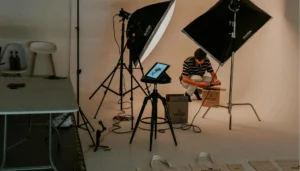
By avoiding a photography studio, QUINIX saved thousands of dollars: shoots, reshoots, shipping, travel, post-processing, you name it. These are things that never happen in a digital CGI studio. Not to mention, once the model is ready, we can reuse it for various campaigns at a fraction of the initial cost.
We believe in a transparent and collaborative approach to project pricing, too. If you’ve never worked with us, the process begins with completing a brief. We offer guidance and tools (including a video explanation) to help you articulate your vision and requirements. From there, we develop a custom cost estimate. Take a look for yourself!
- 3D modeling
- White bg.
- Minimalistic
- Simple prop
- Custom
- 3D modeling
- White bg.
- Minimalistic
- Simple prop
- Custom