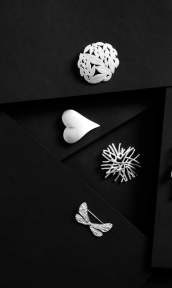
Your product images do most of the heavy lifting online. They’re there to replace all that potential buyers can’t get: touch, weight, texture… even trust. Because if your visuals look flat, they’ll scroll right past them. If they shine, however, people might stop for a cheeky zoom-in. And when they’ve already established your brand looks trustworthy, then the “add to cart” happens within minutes.
That’s why choosing between traditional product photography vs CGI is an important decision today. But this is not a one-size-fits-all. The right approach depends on what you sell, how fast you need content, how often your catalog changes, and how much control you want over the final look.
Some products benefit from real-world imperfections (dents, smudges) and natural light. Others need absolute precision, flawless surfaces, and infinite flexibility. And trust us, many brands use both for different goals. We’ve made the guide below for this exact purpose: read on to find out how CGI compares with traditional photography, and how to know what’s best for you right now.
What is CGI product photography?
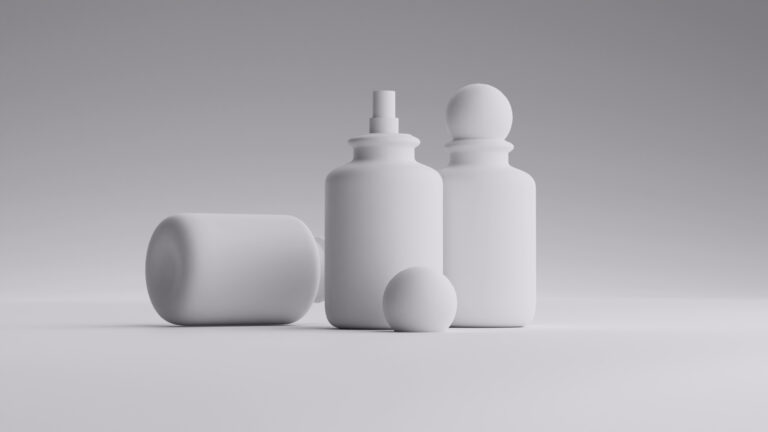
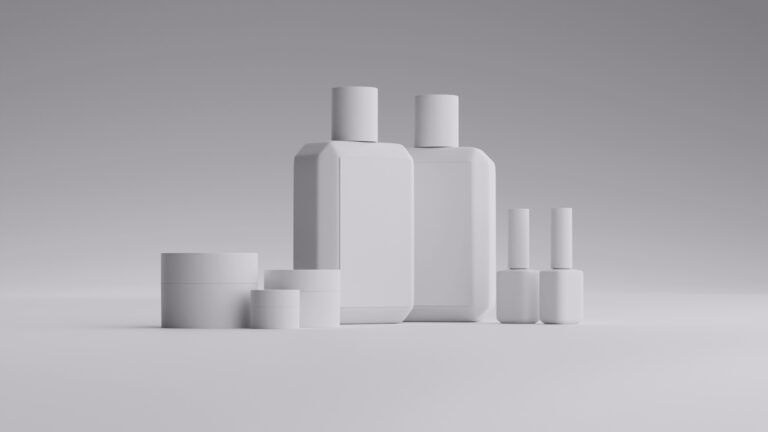
CGI product photography is the process of creating product images digitally. Meaning by using 3D modeling and rendering software. So instead of photographing a physical item, a CGI artist builds a virtual twin of your product, then generates photo-real CGI images and/or animations from it.
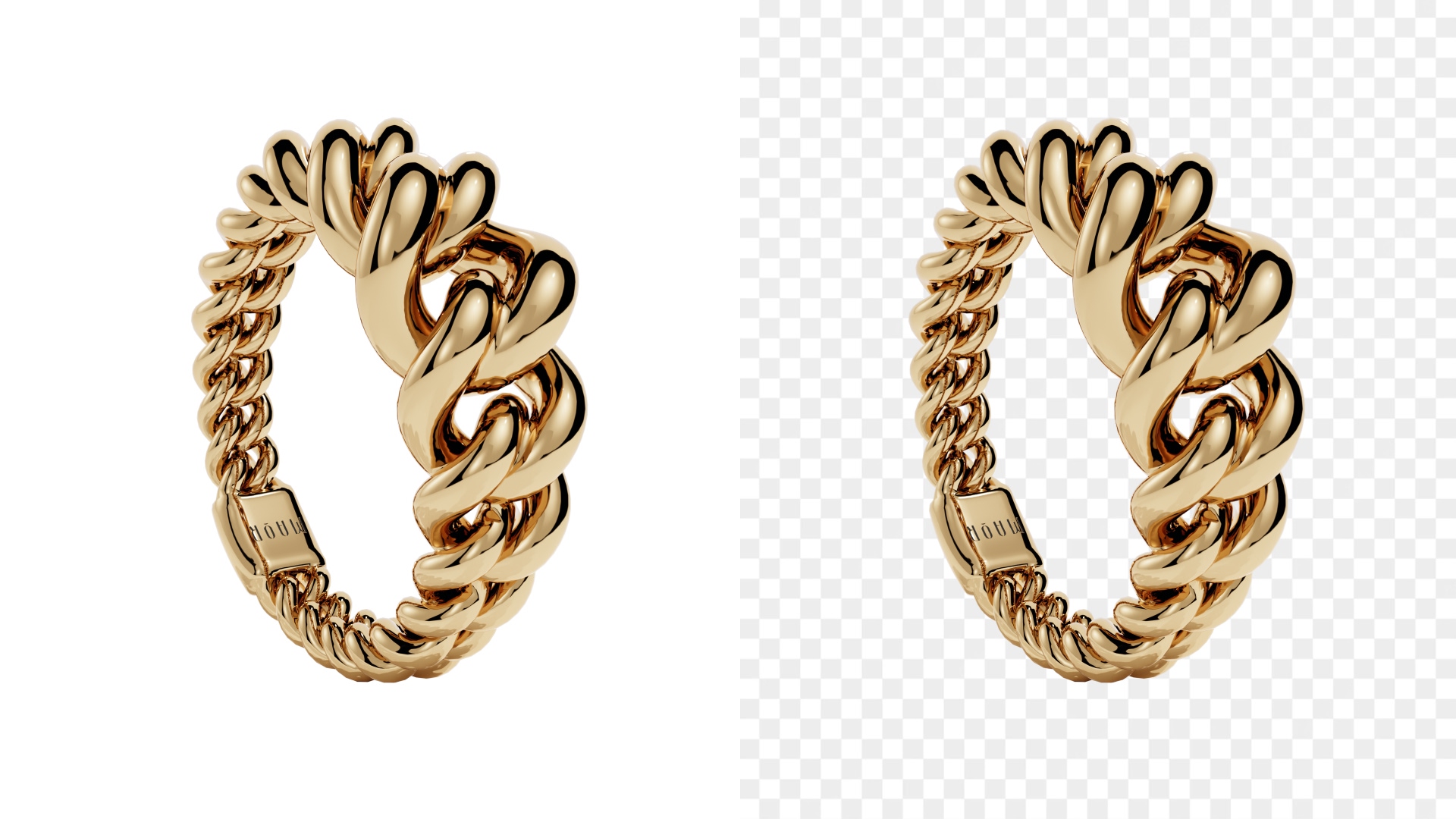
These CGI photos can look 100% indistinguishable from real photography (when done well). You can control lighting, materials, reflections, camera angles, and background. You can even add those imperfections we were talking about in the introduction, like dents and smudges, to make your digital twin even more realistic—if your product images benefit from this, of course.
Bottom line, you skip studios, props, weather conditions, and the laws of physics. Sometimes you want your product to balance on the back of a giant turtle, and that’s fine. The result, whatever your creative vision, is a set of CGI product images that are consistent, scalable, and easy to adapt across platforms.
This approach is often called virtual product photography or 3D product photography services, and it’s especially popular in ecommerce for premium products or complex variations.


What is traditional photography?
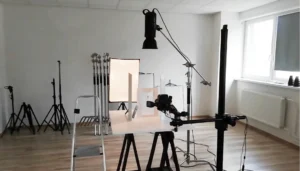
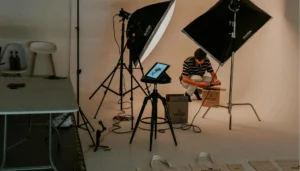
Traditional product photography means capturing images of a real, physical product using a camera. Well, a camera plus lighting equipment, inside a studio or on-location setup. The photographer styles the scene, adjusts lighting, and shoots multiple angles to highlight your product’s features.
After the shoot, your approved images usually go through photograph retouch. This is meant to clean up backgrounds, fix imperfections, refine colors, and other fine touches your product might need. This method is often associated with artistic product photography, lifestyle scenes, and products where texture, freshness, or organic variation matters.
For brands that want a tangible, real-world feel (or that rely on human interaction with the product), traditional photography is still gold. But brands of all sizes opt for both, as they have different products, different launches, platforms, and business goals.
So let’s see the two side by side.
Comparison between CGI and traditional photography
When comparing CGI product photography vs traditional photography, we believe the biggest difference boils down to control versus reality.
Traditional photography captures what exists in front of the lens. The final result thus hinges on several external factors. Think lighting conditions, physical setup, and how well everything comes together on shoot day.

CGI product rendering, on the other hand, starts from a digital model. Meaning every single detail can be adjusted throughout the process (long before the “shoot” is done).

From a production standpoint, traditional photography requires shipping products, booking studios, coordinating schedules, and reshooting if something changes. CGI product shots are created remotely and can be updated without starting from scratch.
In terms of consistency, CGI photos excel. Every image in a series can match perfectly in lighting, angle, and background—because you dictate everything, from materials to how light gets absorbed or reflected by your product. Traditional photography can achieve this too, but it takes more planning (and usually, a much steeper cost).
Traditional photography is most often used for lifestyle scenes and products that benefit from a human element: clothing in motion, food, or anything where mood and real-world context matter.

CGI product photography, on the other hand, is used when brands need visual perfection and total control. It does wonders for close-ups, hero shots, and highly polished product images.

Advantages of CGI product photography
Flexibility and creative control
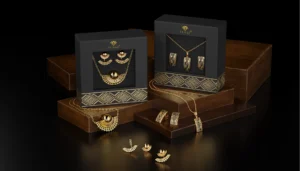
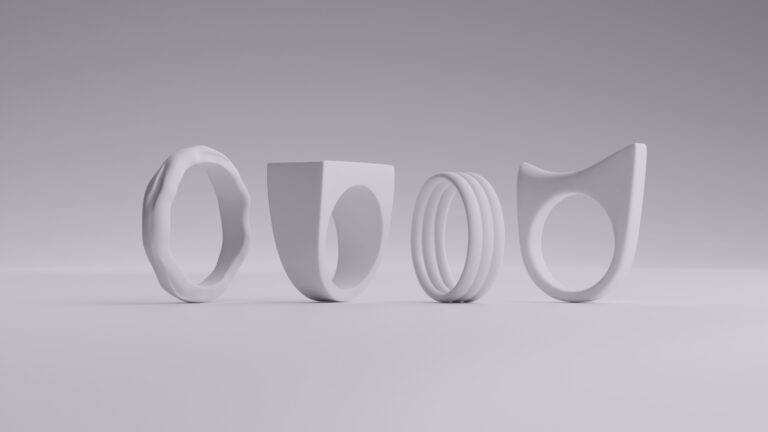
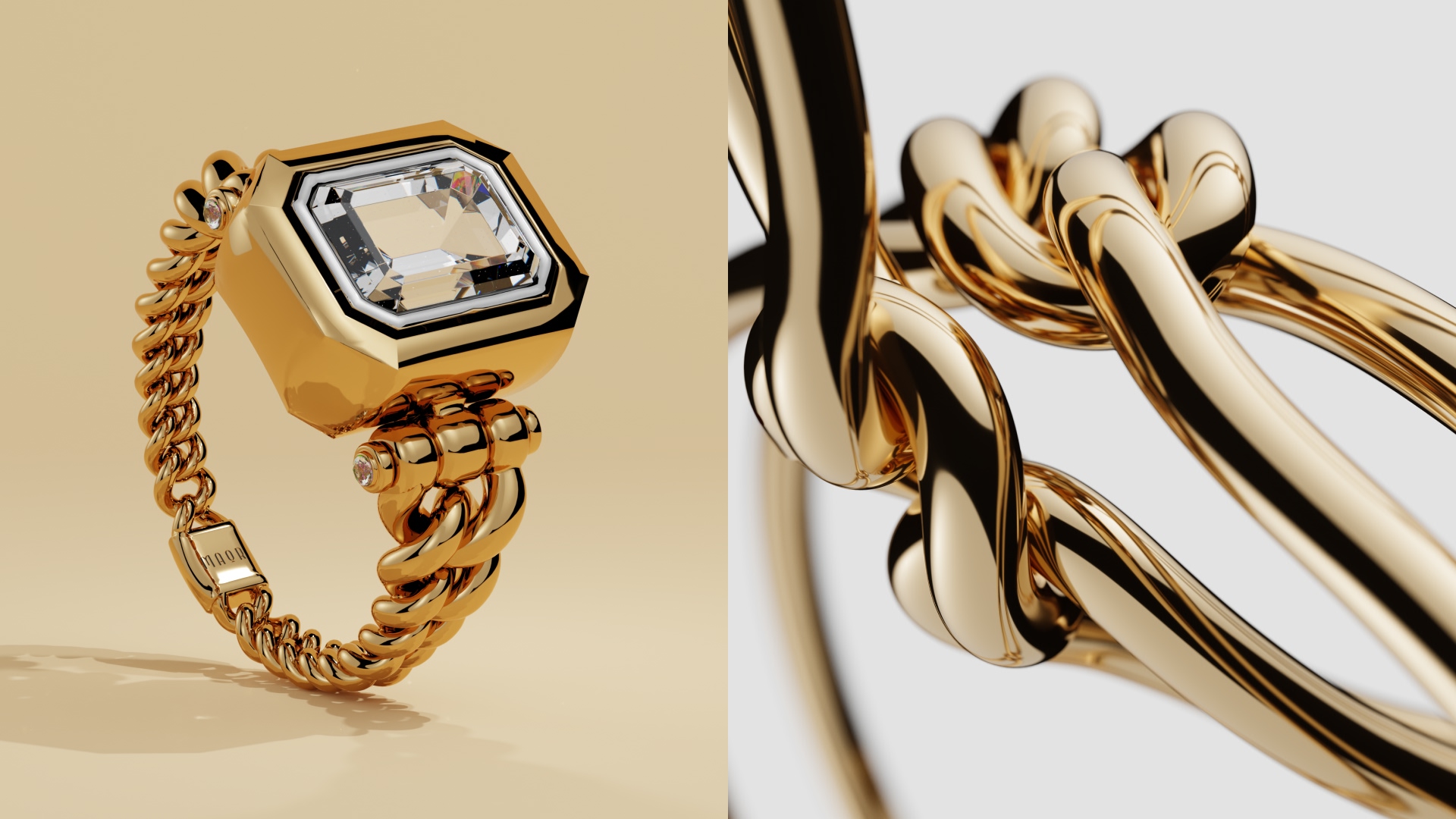
CGI product photography gives you full control over every visual element, be it creative or strategic. So you can endlessly change colors, materials, camera angles, or background CGI. And you can do this in the days or weeks your project takes, but you can also come back to a model way into the future, for a new launch or campaign. If you sell premium jewelry or cosmetics, this means perfectly polished visuals every time, no matter how many variations you have.

Cost efficiency over time
CGI product rendering does take an upfront setup. But it often becomes more cost-effective as your catalog grows. The more you use it (and reuse those models), the cheaper it gets. Think about it: there are no studio rentals, shipping costs, or repeated shoot days. For ecommerce brands with frequent launches, CGI product images scale way better than traditional photoshoots.
Image consistency across channels
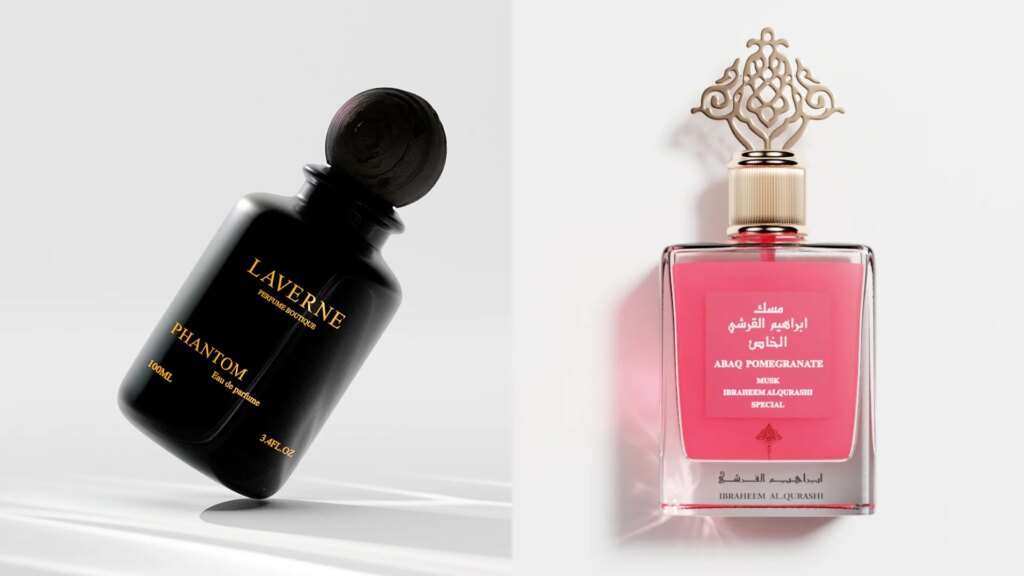
CGI product shots ensure that every image looks cohesive, whether it’s used on product pages, ads, or social media. This is gold for large catalogs, footwear product photography, or brands selling multiple colorways that need visual uniformity. Plus, this visual consistency is what screams “trustworthy brand” online. So it’s one of those things you’ll benefit from in the long run.
That’s why brands like K18 work with us:

Precision and detail
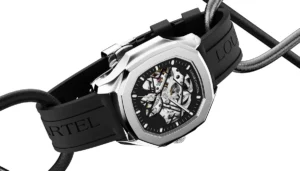
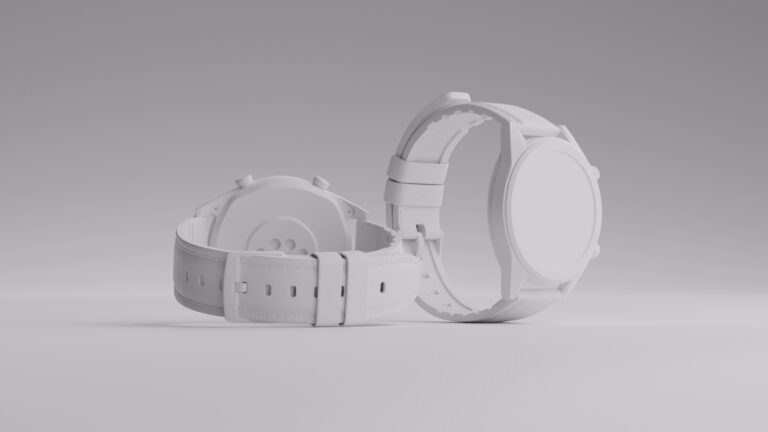
With photo-real CGI, you can highlight details that are hard to capture with a camera. Think fine engravings, complex textures, perfect reflections… even perfect imperfections (like a dent exactly where you want it to be, not a happy accident in a physical studio). If you sell watches, tech products, or luxury items, you’ll thank CGI for this.
Speed & remote production
Because CGI photos are created digitally, production can happen fast and, well, remotely. You don’t need to wait for samples or international shipping (which, let’s face it, is time and money). A CGI product image can be approved, tweaked, and finalized at crazy speed compared to traditional photography. Plus, you can choose the absolute best CGI team, no matter where they are on the globe (as opposed to “product photographer near me”).
Check out some of our latest CGI product videos, too:
Advantages of traditional photography
- Natural imperfections
Real products come with tiny variations that can feel authentic and relatable, especially for handmade or organic goods. - Strong lifestyle storytelling
Traditional photography works well when people, food, or real environments are part of the story. - Familiar production process
Many brands already understand how traditional photography works, which can make planning feel more intuitive. - Tactile realism
Textures like fabric softness or food freshness can sometimes feel more immediate when captured through a lens.
Limitations of traditional photography
- Higher production costs
Studios, photographers, props, travel, and reshoots add up quickly, especially for ecommerce brands with large catalogs. - Limited flexibility
Once a shoot is done, major changes often mean starting over. Adjusting angles, lighting, or colors isn’t always possible in post. - Slower turnaround
Scheduling, shipping products, and coordinating teams can stretch timelines far beyond what fast-moving brands need. - Inconsistent results
Even with great planning, lighting conditions and physical variables can introduce inconsistencies across product images.
CGI or traditional: how to choose
CGI product photography is a real game-changer when you need speed and creative flexibility. If your products have hard surfaces, or oodles of variations, or need super-precise lighting, CGI product images will save time and money in the long game.
And we can’t stress how cool CGI for perfect visual consistency. That’s not just across one launch. It’s across platforms, campaigns, offers, decades. Take a look at any A-list brand (from Apple to Zara) and you’ll find 100% continuity in everything from fonts to color codes. That’s what CGI gets (that traditional photography just can’t match).
Virtual product photography also makes sense if you’re launching before manufacturing is complete or if shipping products for shoots is impractical. For ecommerce brands that update visuals all the time, CGI photos are so much easier to manage.
Traditional photography, conversely, works best when the product’s appeal depends on real-world context, human interaction, or organic variation. Food, fashion editorials, and certain lifestyle brands still benefit from the authenticity of a camera-based approach. You’ll find many brands that use both, though, for various purposes. Like Dyson, showing lifestyle photos to create emotional connection, and CGI exploded view to show the premium components inside their cleaners.
- 3D modeling
- White bg.
- Minimalistic
- Simple prop
- Custom
- 3D modeling
- White bg.
- Minimalistic
- Simple prop
- Custom
Wrapping up


There’s no universal winner in the traditional product photography vs CGI debate. Just smarter choices for specific needs. So always keep in mind what you want to achieve: in general, with your brand, and right now, with a specific product, collection, or launch.
At Welpix, we specialize in CGI product photography that looks real and scales effortlessly. And yes, we work remotely, globally, and without unnecessary complications. In fact, we’re constantly praised for our seamless, collaborative workflows. So if you want product visuals that keep up with your ecommerce growth, you know where to find us.
FAQ
Is CGI product photography better than traditional photography for ecommerce?
In most ecommerce cases, CGI product photography offers better consistency, scalability, and cost efficiency, especially for large or frequently updated catalogs.
Are CGI photos realistic enough for online stores?
Absolutely! High-quality photo-real CGI is often indistinguishable from traditional photography when created by experienced artists.
What types of products work best with CGI product images?
Products with hard surfaces like electronics, jewelry, cosmetics, furniture, and footwear product photography are ideal for CGI.
Can CGI replace photograph retouch entirely?
CGI product rendering reduces the need for traditional photograph retouch because lighting, materials, and backgrounds are controlled digitally from the start.
Is virtual product photography suitable for startups?
Yes. Virtual product photography allows startups to launch without expensive photoshoots or fully manufactured samples.
How long does it take to create CGI product shots?
Timelines vary by complexity, but CGI product shots are often faster to produce than organizing traditional photoshoots.
Can CGI photos be used for ads and social media?
Absolutely. CGI product images are commonly used across product pages, ads, marketplaces, and social platforms due to their consistency and flexibility.