2026 social media sees shops fighting for attention with increasingly louder headlines and brighter colors. Visuals are your only hope to really compete. That’s where advertising photography comes in. It’s what makes someone stop mid-scroll because something caught their eye and felt worth a second look.
Done right, advertising photography makes the difference between a product that exists online and one that convinces people it belongs in their lives. Not just that, in our humble opinion. Advertising photography builds long-term trust and raises the bar for your brand. So let’s talk about how advertising photography works in detail, why it’s so powerful, how it differs from commercial photography, and how to use it best to get your brand the attention it deserves.
What is advertising photography and why is it important?
Advertising photography is a specialized form of photography meant to promote, persuade, and sell products, services, or brands.
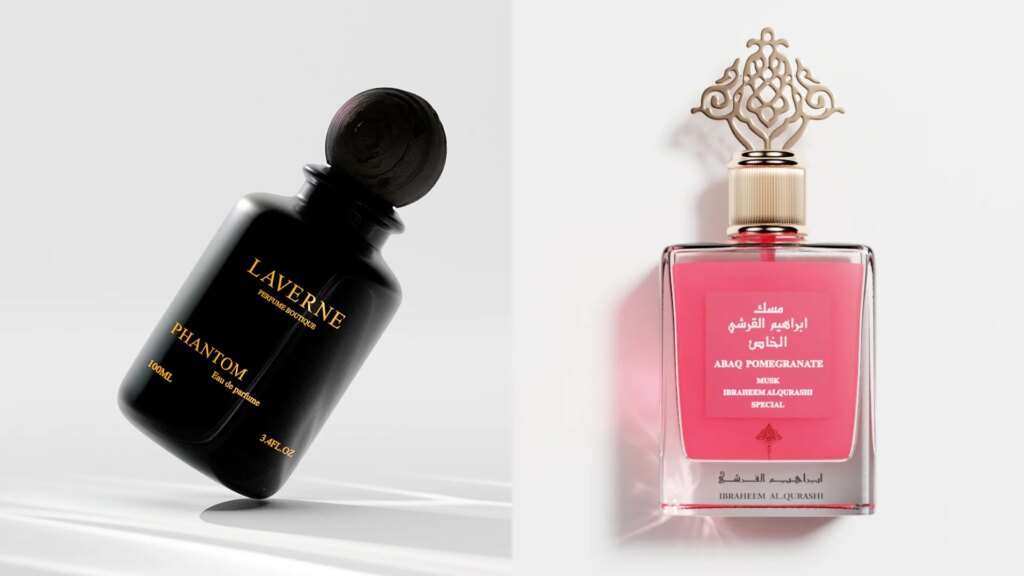
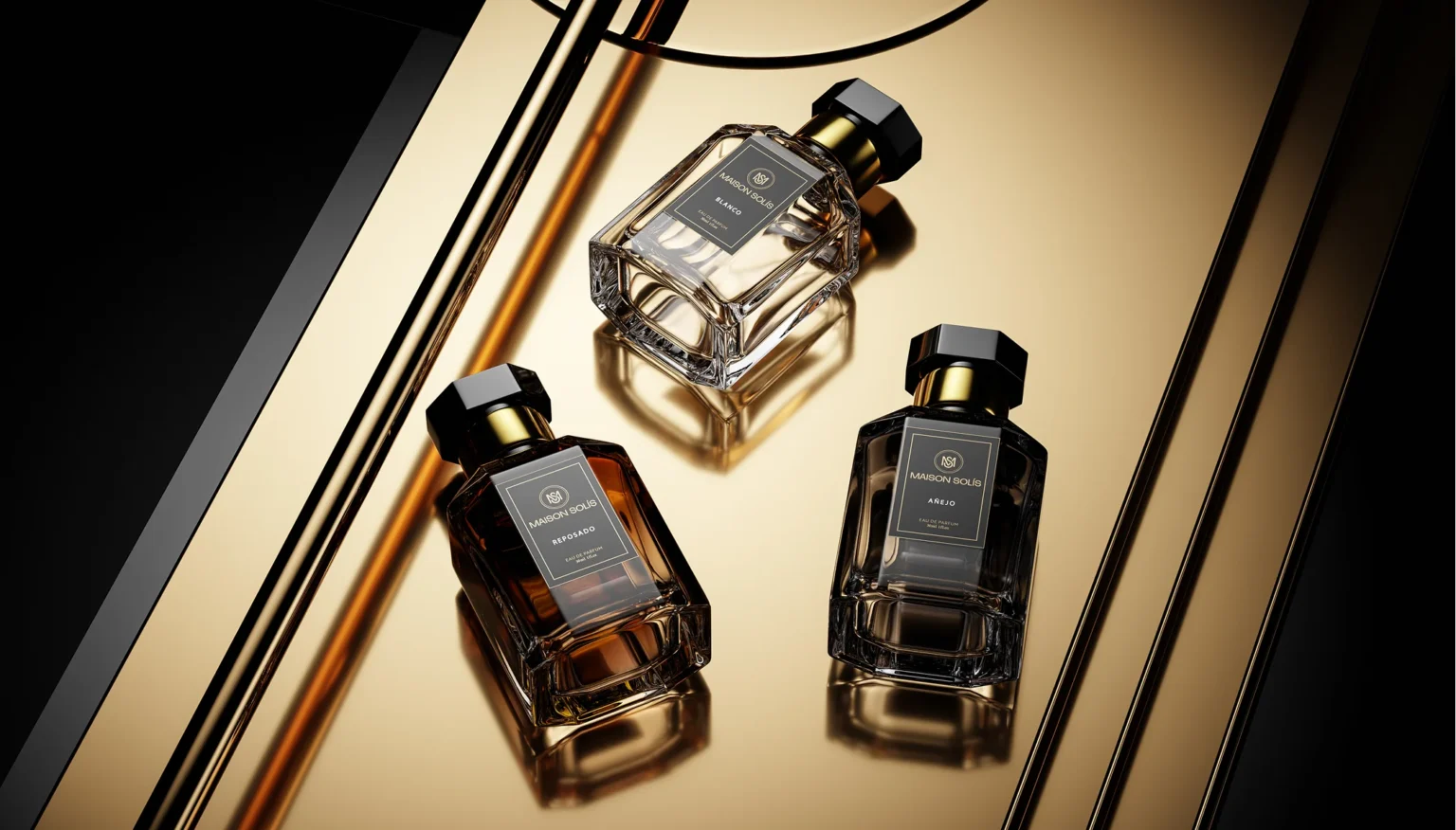
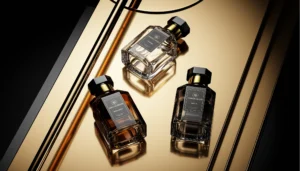
So instead of simply documenting what something looks like, you’re trying to shape perception. You can do this by using lighting, composition, styling, and context. The end-goal, always, is to make your product feel desirable (and to know what audience you want it to feel desirable to). Think of a perfume bottle shot like a movie still, a sneaker photographed mid-motion, or a skincare product bathed in soft, clinical light to signal “this works.”
Why advertising photography matters
Advertising photography sits at the sharp end of your marketing funnel. Or let’s put it another way: without it, you won’t sell. Today, posts with images sell 600% more than those text-only. And that makes sense, right? Images show your potential buyers what they’re buying, and they shape how your brand feels. Strong ad photography builds desire, credibility, and recognition, yep, before a single word is read. In ecommerce especially, advertising photography directly influences conversions and trust.


Advertising photography vs. commercial photography
The short version? Advertising photography sells an idea. Commercial photography documents a subject for business use.
The slightly longer version: advertising images are designed to persuade and influence how people feel about a product or brand. So they use storytelling, mood, and creative concepts. Commercial photography, on the other hand, is more straightforward and functional. It basically focuses on clearly showing what something is: what it looks like, how it’s used, etc, without a fancy narrative behind it.
Both have their place, but mixing them up can lead to visuals that look great but fail to do their job. Here’s a clear breakdown by goal:
|
Goal |
Advertising photography |
Commercial photography |
|
Style |
Conceptual, stylized, emotion-driven |
Clean, functional, neutral |
|
Usage |
Ads, campaigns, billboards, social media |
Websites, catalogs, internal use |
|
End goal |
Persuasion and brand positioning |
Accurate representation |
|
Focus |
Message, mood, storytelling |
Subject clarity and detail |
|
Example |
A perfume bottle in a cinematic scene |
A product on white for a webshop |
And if you’re somehow still asking, “What is commercial photography?”, think consistency and clarity. If you want creative advertising photography that sparks emotion, conversely, that’s advertising photography.
Now, let’s look into the main types of advertising photography.
Types of advertising photography
Product advertising photography
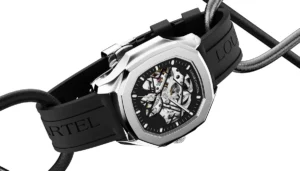
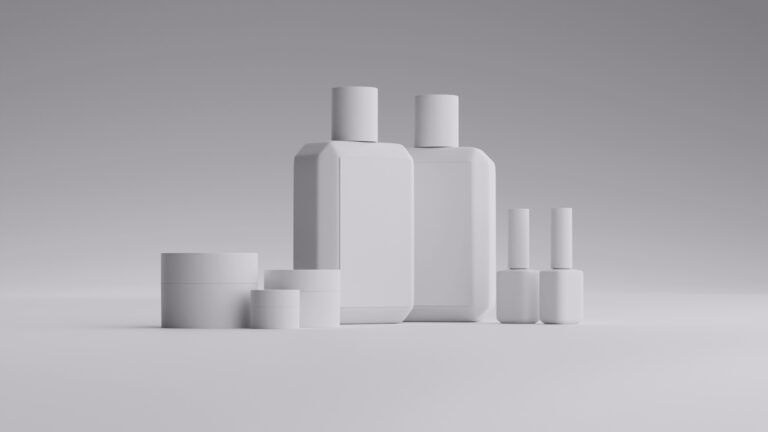
This is classic advertisement photography for ecommerce and retail. Products are shot with precision, often on clean backgrounds or stylized sets. The end goal here is to highlight design, materials, and features. It should answer the buyers’ questions about what they’re buying and why your product and not someone else’s. It’s ideal for tech, beauty, home goods, and any brand that needs clarity plus polish.

Lifestyle advertising photography
Here, products are shown in real-world use: worn, held, lived with. Lifestyle advertising photography works brilliantly for fashion, fitness, homeware, and FMCG brands that want customers to imagine themselves using the product. The more your buyers can envision themselves owning the actual thing, the more confidently they’ll add to cart.

Fashion advertising photography
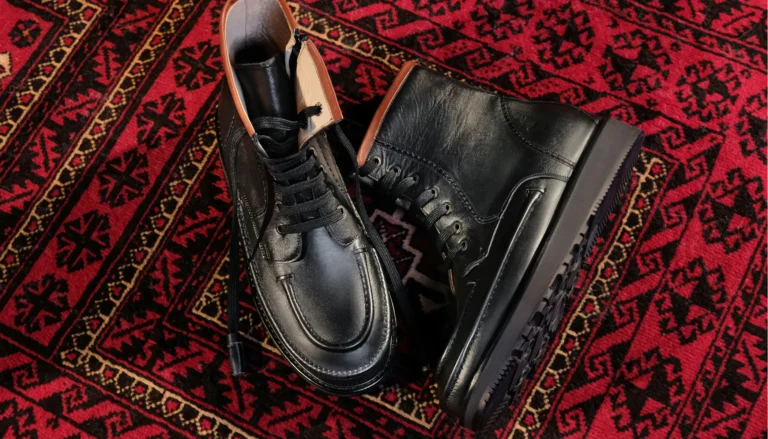
Here’s another type of advertising photography that focuses on building aspiration. Fashion photography is often so much more than clothes on models. All the other details (lighting, poses, environments) are there to sell a mood or identity. This type of photography is perfect for apparel, accessories, and luxury brands alike.
Food advertising photography
This one’s highly controlled and deeply technical, because it absolutely must look delicious. Food advertising photography is designed to trigger appetite and impulse buys. Everyone from restaurants, delivery apps, and packaged goods brands uses it. And with CGI and AI working like a charm today, food photos are really becoming more and more tempting.

Conceptual advertising photography
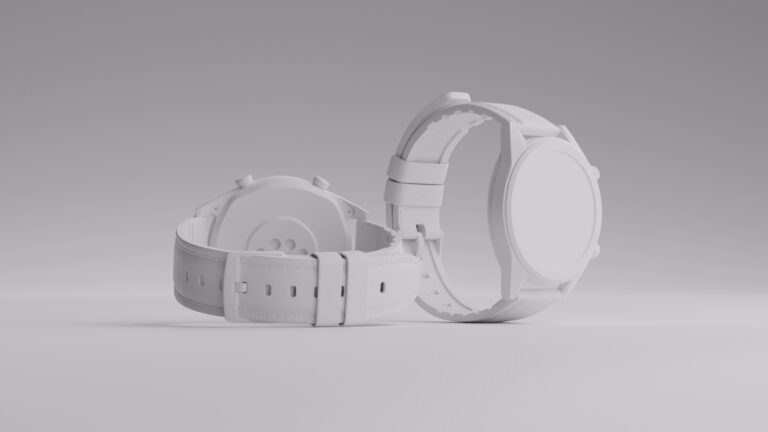
This is where ideas lead, and products follow. Conceptual advertising photography uses symbolism, visual metaphors, and bold compositions to communicate abstract values. Think of Apple Watch ads or awareness campaigns. You want to communicate premium tech or “save the planet” subtly. In this case, less really is more.

CGI-enhanced advertising photography
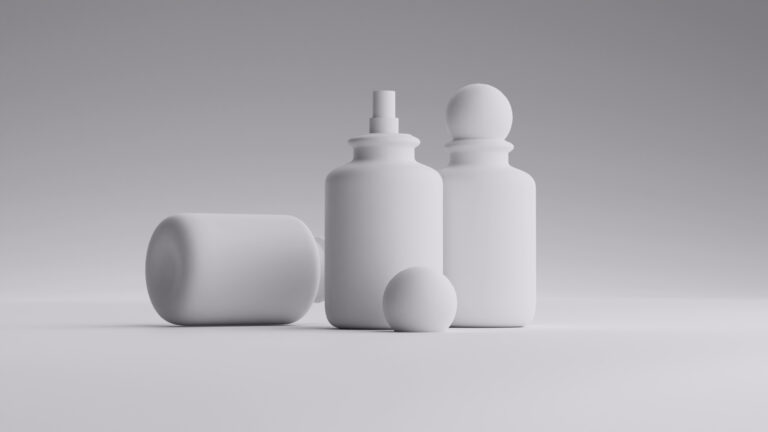
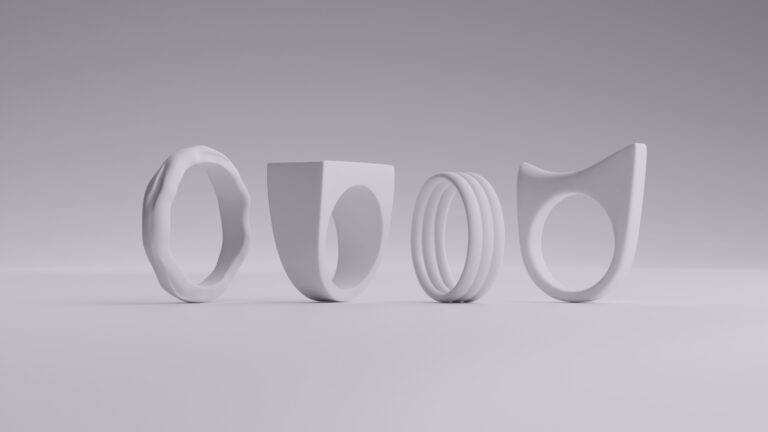
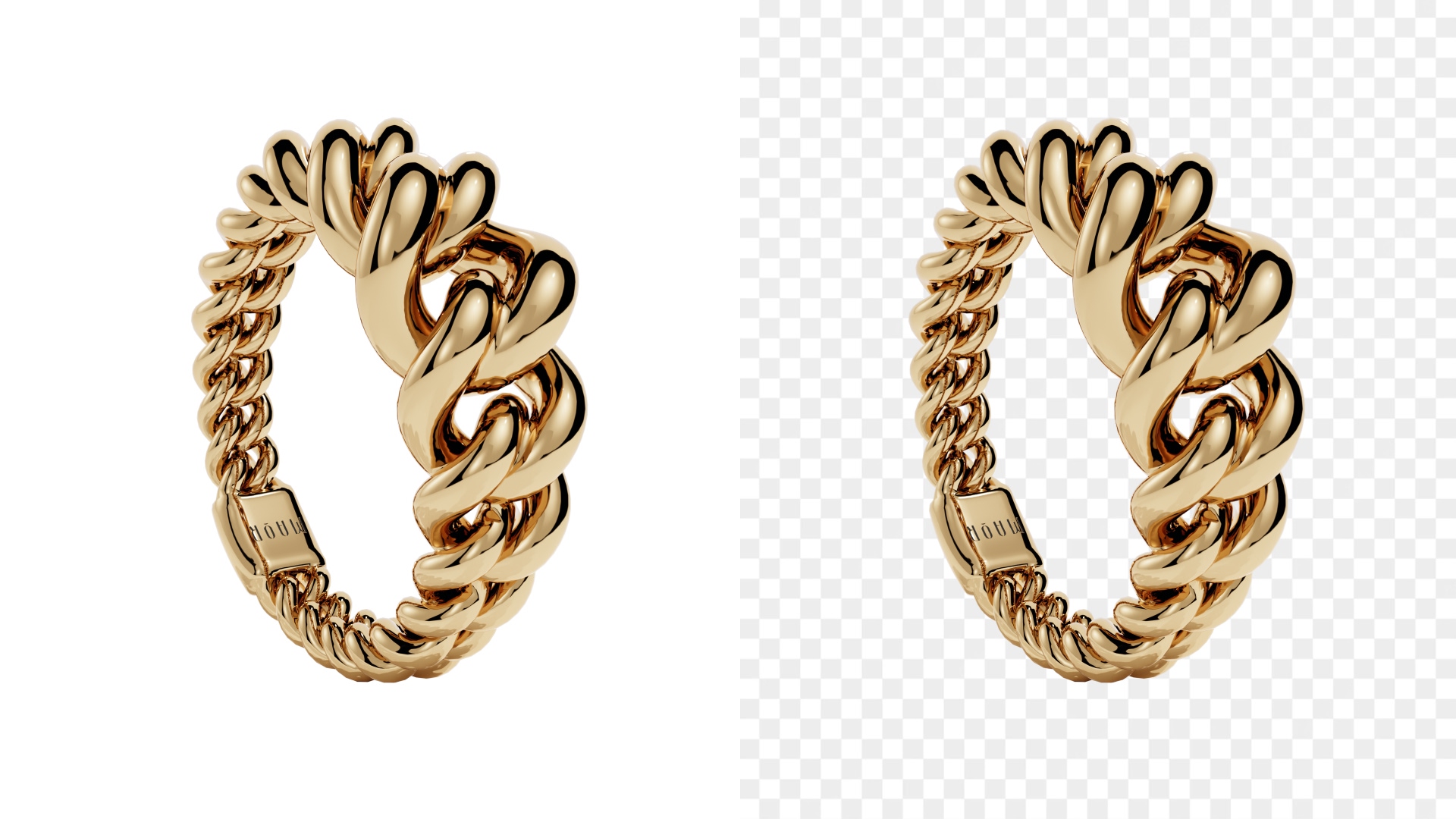
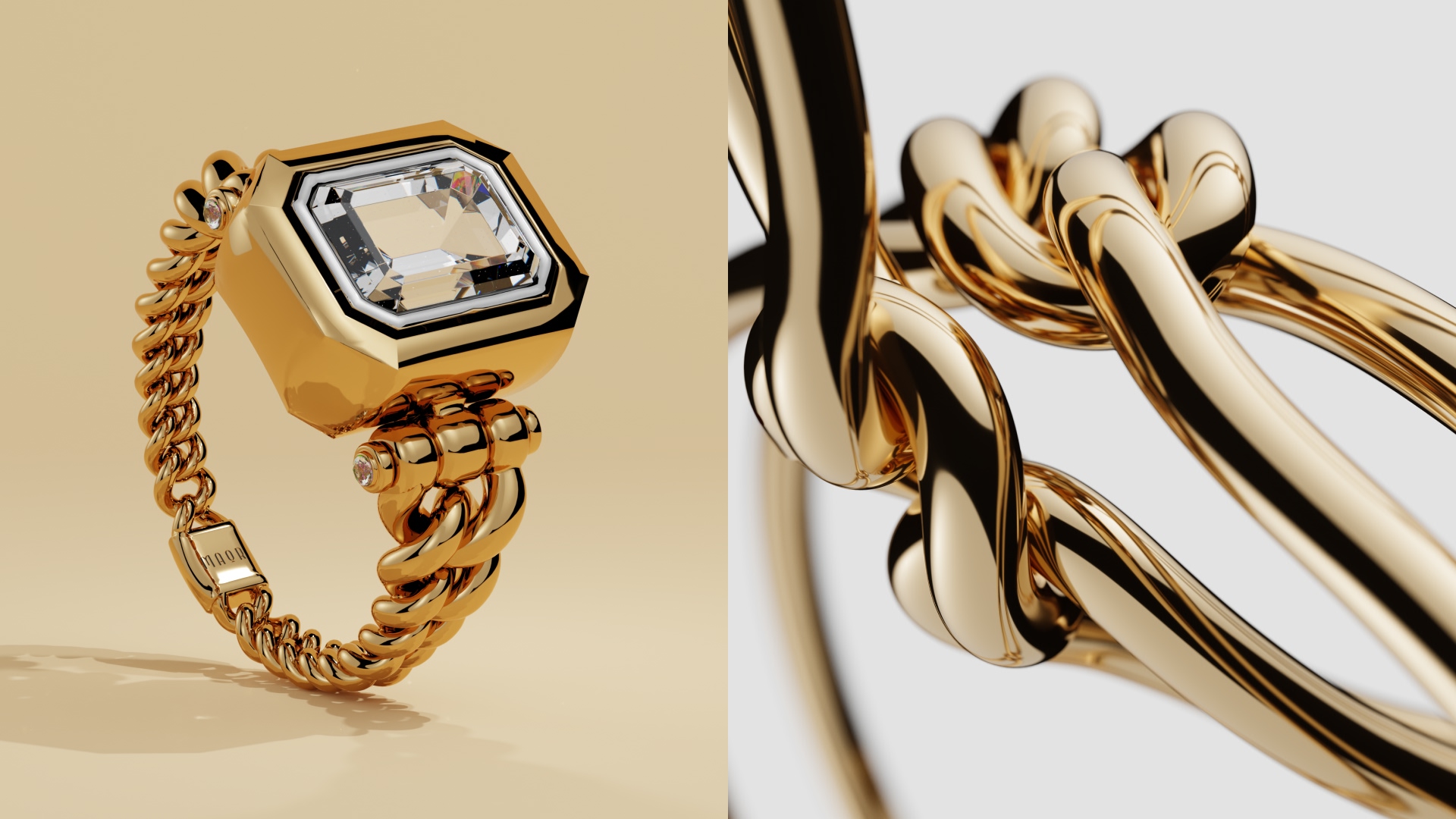
Yep, we already mentioned it. Now, let’s drive the point home. Combining photography advertising with CGI lets you shoot impossible angles, perfect lighting, and infinite variations (until you’re satisfied or just for future offers and campaigns). As a result, CGI in marketing has become a popular choice for brands that want flexible, high-impact campaign visuals. This is gold for ecommerce brands scaling large catalogs or launching products before manufacturing is even complete.

- 3D modeling
- White bg.
- Minimalistic
- Simple prop
- Custom
- 3D modeling
- White bg.
- Minimalistic
- Simple prop
- Custom
Benefits of advertising photography
Stronger brand recognition
This is where you need consistent styles and colors. This kind of advertising photography creates a visual signature that buyers start to recognize instinctively. If mood, lighting, framing, and tone are consistent over time, your brand becomes more credible. People start believing you have a philosophy and a strong identity behind the scenes. Plus, that visual consistency builds familiarity, too, and that’s precisely what turns scrollers into regulars.
Higher trust and credibility
Building on the previous benefit, professional ad photography quietly signals that you take your business seriously. When customers see polished, intentional visuals, they’re much more likely to assume the product itself is the same. That’s especially online, as they can’t touch or try your products. Your visuals really do all the talking. In ecommerce, good photography replaces the reassurance you’d normally get in a physical store.
Better ecommerce performance
Clear, compelling advertising photography reduces hesitation online. It answers all those questions: “What does it look like? How big is it? How would I use it? Is it better than competitors?” It basically removes friction from the decision-making process. When people feel confident about what they’re seeing, they’ll buy much faster. Plus, you might save a lot on returns later on, as buyers won’t be disappointed when they actually get your product.


More engagement across channels
Photography advertising also gives you versatile, scroll-stopping assets you can use everywhere: ads, social posts, landing pages, emails, even packaging. Strong visuals naturally attract more attention as well as interaction. Meaning you get better engagement without constantly working on your content. One well-shot campaign can fuel months of marketing. Done with CGI, you can revamp or adjust it time and time again for years.
Sharper storytelling
Advertising photography done right tells attractive stories. Think about it like you’re communicating lifestyle, values, or emotion. And with an image, you can do that faster than copy ever could, often before the buyer even consciously registers what they’re seeing. With visuals, your message lands instantly and sticks longer. And that latter part is so, so vital right now, with our attention spans shortening by the year.
How to create impactful advertising visuals
- Define the goal
Decide whether you’re driving awareness, clicks, or conversions. Advertising photography without a goal is just decoration. - Know your audience
Your visuals should speak their language, not yours. - Choose the right type
Product, lifestyle, conceptual, CGI—each serves a different purpose. - Plan the concept
Mood, lighting, props, framing, message. Nothing is accidental. - Control lighting and composition
These shape emotion and attention more than any filter ever will. - Refine in post-production
Retouching should enhance, not deceive. Consistency is king. - Optimize for every channel
Crops, formats, and resolutions matter in photography advertising.
Wrapping up
Advertising photography is there to get you quick and lasting results. Done well, it turns browsers into buyers into loyals. And that’s the point where your brand is elevated to rockstar status.
At Welpix, we know what it takes to create advertising photography that sees instant results. Our team of pros mixes creative advertising photography with ecommerce-ready precision. We use CGI to tell your story exactly as you have it in mind, and to solidify your brand’s identity online.
Talk to us today, we’re eager to convince you.
FAQ
What is advertising photography?
Advertising photography is the creation of images specifically designed to promote products, services, or brands through persuasion, storytelling, and visual impact.
What is the use of advertising photography?
It’s used to build brand awareness, increase engagement, and drive conversions across ads, ecommerce, social media, and campaigns.
What are the key aspects of image advertising?
Clear messaging, consistent style, emotional resonance, technical quality, and alignment with brand goals.
What is commercial photography?
The commercial photography definition refers to photography created for business use, typically focusing on accurate representation rather than persuasion.
How much does professional advertising photography cost?
Advertising photography pricing varies widely depending on scope, usage rights, creative complexity, and whether CGI is involved. Simple shoots may start in the hundreds; full campaigns can reach several thousand.
How long does an advertising photo shoot take?
Anywhere from a few hours for basic ad photography to several days for complex creative advertising photography projects.