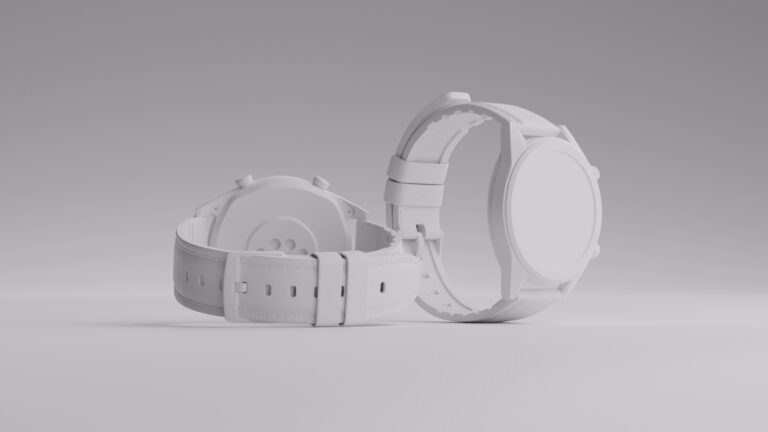
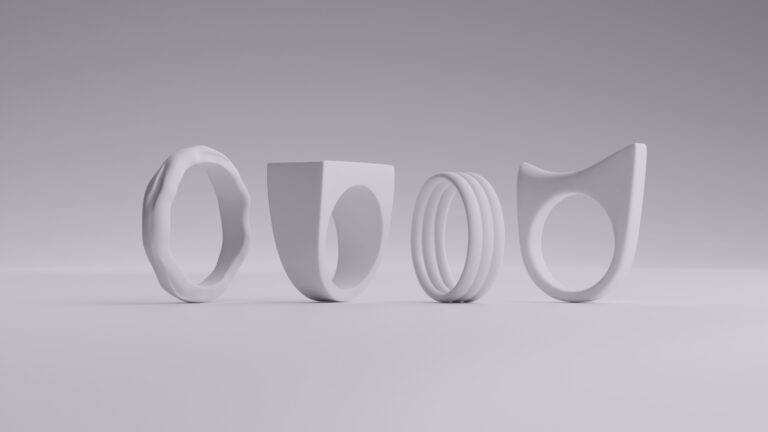
CGI in marketing and advertising has become one of the most exciting creative shifts in the last decade. What once felt like a futuristic fantasy is now the go-to storytelling tool for global brands. Whether it’s a floating handbag above Paris, a lipstick the size of a skyscraper, or a car ad filmed entirely in a 3D studio, CGI (Computer-Generated Imagery) is everywhere.
The CGI market in advertising is expected to grow at a CAGR of 19.9%, reaching a staggering $13.44 billion by 2028. This boom shows how quickly digital creativity is transforming brand communication. Alongside AI, AR, and 3D digital out-of-home (DOOH) campaigns, CGI has become one of the most essential tools for building immersive, visually stunning, and cost-effective campaigns that make audiences stop scrolling and start engaging.
Let’s take a look at how it’s revolutionising advertising right now.
What is CGI in marketing and why does it matter?

CGI in marketing means using computer-generated visuals (from still images to fully animated videos) to create advertising content that looks realistic, imaginative, or both. Instead of photographing a real product or renting out a physical set, marketers now build entire worlds on-screen using 3D modeling software.
Creating freedom through virtual visuals
CGI frees brands from the limits of reality. You can show a perfume bottle on Mars or a sneaker floating through an ocean of color without needing to book a studio or fly a crew halfway around the world. Companies like IKEA and Nike now produce the majority of their ad visuals using CGI instead of traditional photo shoots. When you eliminate physical constraints, you open the door to pure creativity — something every marketer dreams of.
Why it’s powerful for marketing
CGI allows brands to visualize products that don’t even exist yet, giving marketing teams a head start on pre-launch campaigns. It also keeps brand imagery consistent across markets — every product looks perfect, with lighting, shadows, and reflections tailored exactly to brand guidelines. This flexibility makes CGI a strategic tool for modern marketing teams who want control, quality, and scalability all at once.
A new storytelling tool for digital audiences
Today’s consumers expect storytelling that’s bold, emotional, and visually captivating. CGI checks all those boxes while keeping budgets and sustainability in mind. Instead of organizing complex shoots for each market, brands can create reusable assets for every platform — from websites to billboards to TikTok ads — all from the same 3D scene.
In short: CGI matters because it’s not a trend — it’s a new creative language for marketing in the digital age.


The rise of CGI in advertising

The shift from traditional photography and film toward CGI is one of the clearest signs of how digital production has evolved. Advertisers aren’t just chasing novelty — they’re adapting to what audiences respond to best: immersive, high-quality visuals that feel futuristic but familiar.
Consumer demand for wow-factor visuals
Today’s audience scrolls fast and expects every post to grab attention in seconds. CGI helps brands deliver visually stunning scenes that feel fresh and clickable. Maybelline’s viral “CGI mascara on train” campaign racked up over 60 million views within days. People love the blend of real and surreal — it gives them something to share, discuss, and remember.
Cost efficiency and sustainability
A CGI studio doesn’t need to fly to Iceland or build a beach set to show a summer product line. Everything happens digitally. IKEA publicly shared that over 75% of their product visuals are CGI, saving enormous costs and reducing their carbon footprint. This shift also shortens production time. A campaign that once required weeks of logistics can now be done in a few days, with instant revisions possible anytime.
A response to digital-first media
As marketing moves to screens rather than print, CGI offers adaptable assets that fit every format and platform. Brands like Porsche and Samsung use CGI renders for TV spots, Instagram loops, and even interactive AR experiences. It’s not just efficiency — it’s coherence. Every visual stays crisp, scalable, and perfectly optimized for where it’s shown.
Conclusion: The rise of CGI in advertising mirrors the rise of the digital audience. The more we live online, the more we expect visuals that belong there — hyperreal, seamless, and engaging.
How CGI transforms brand engagement

CGI done right makes people feel connected to a brand. From emotion to interactivity, it’s redefining how companies capture attention and loyalty.
Visual appeal drives attention and recall
Humans process images 60,000 times faster than text, and CGI gives brands the power to craft visuals impossible to forget. The Jacquemus “La Bambino” CGI campaign (handbags rolling through Paris on buses — more on that below!) made global headlines and boosted online mentions by over 300%. That level of visual creativity turns simple products into cultural moments.
Emotional storytelling through virtual realism
CGI allows for controlled emotion — lighting, textures, and movement are fully customizable to evoke any mood. L’Oréal’s “Giant Lipstick” ad used exaggerated proportions to blend fashion fantasy with fun, aligning perfectly with their brand tone. These stylized worlds help audiences experience the emotion behind a product, not just its function.
Interactive and consistent engagement
With CGI, brands can create consistent visuals across every touchpoint, from online ads to in-store screens. And because everything exists in 3D, it’s easy to adapt for interactivity. Nike and Balenciaga have both used CGI assets to power AR try-ons and metaverse experiences. This unified approach builds brand recognition while inviting consumers to play and engage.
CGI transforms engagement by giving brands a stage big enough for imagination, and consistent enough for trust.


Benefits of CGI in marketing and advertising

Beyond the visual wow-factor, CGI brings measurable business benefits. From creative control to brand consistency, the advantages are both creative and strategic.
Brand differentiation in a crowded market
CGI helps brands stand out with visuals no one’s seen before. Samsung’s 3D billboard campaigns in London and Times Square generated massive engagement by showing CGI smartphones breaking through digital walls. In a market flooded with similar ads, that kind of originality becomes priceless.
Faster production, better ROI
Once a 3D model is built, it can be reused for product launches, website images, packaging renders, and more. Coca-Cola’s 3D product library allowed them to streamline visuals across markets, reducing content production costs by up to 30%. This reusability stretches marketing budgets while maintaining premium quality.
Seamless omnichannel consistency
When every product asset comes from the same CGI model, your social media visuals, e-commerce pages, and print materials all match perfectly. Apple’s product shots often rely on CGI rendering to ensure flawless consistency across global markets. Consistency doesn’t just look polished — it builds subconscious trust with your audience.
The real benefit of CGI lies in how it merges creativity with practicality. You get bold storytelling, efficient workflows, and sustainable scalability all rolled into one toolset.
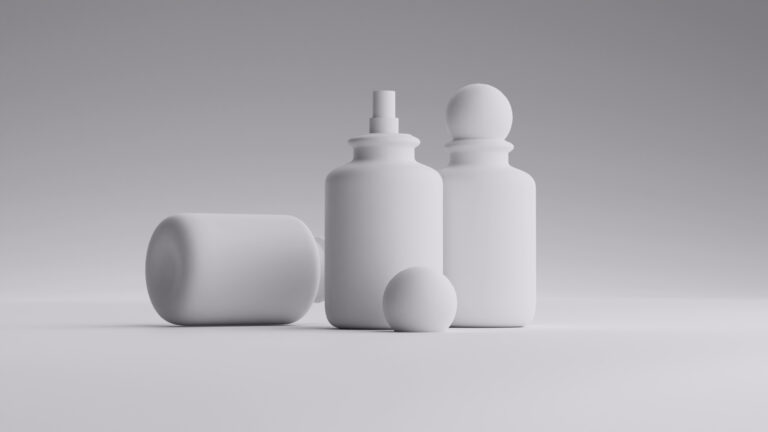
- 3D modeling
- White bg.
- Minimalistic
- Simple prop
- Custom
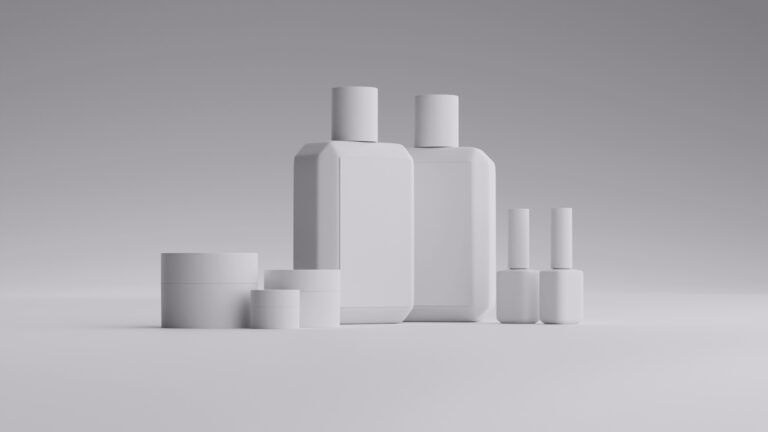
- 3D modeling
- White bg.
- Minimalistic
- Simple prop
- Custom
Real-world campaign examples
Let’s look at some iconic campaigns that brought CGI marketing into the mainstream and showed the world just how limitless digital creativity can be.
Maybelline’s viral mascara ads
In 2023, Maybelline’s Lash Sensational Sky High Mascara ad showed giant lashes on London Underground trains and buses. The ad combined real footage with CGI overlays, fooling millions into thinking it was real. They took it a notch further this year, with their Colossal Bubble ad. The result? A viral sensation that doubled the brand’s engagement across social platforms and boosted mascara sales significantly.

Jacquemus’s “La Bambino” parade
French luxury brand Jacquemus showcased its handbags cruising through Paris streets in whimsical CGI videos. The campaign blended realism and surrealism so seamlessly that even fashion insiders debated whether it was real footage. This playful creativity became one of the most talked-about fashion ads of the year, earning praise for its originality and humor.

L’Oréal’s giant lipstick installation
L’Oréal turned city landmarks into larger-than-life cosmetic moments using CGI, turning digital billboards into 3D experiences. Their lipstick towering over buildings generated massive online buzz and set new standards for beauty advertising. These imaginative ads highlight how CGI can merge fantasy with familiarity — making everyday products feel iconic.
Conclusion: From beauty to fashion to tech, CGI has become a storytelling bridge between brand imagination and consumer emotion.
Challenges and ethical considerations in CGI marketing
As with any innovation, CGI brings its own set of challenges. The same power that makes it magical can also blur ethical lines if not used responsibly.
Authenticity and audience trust
When CGI looks too real, it can confuse viewers about what’s authentic. Some social media users criticized hyper-realistic CGI influencers like Lil Miquela for “deceiving” audiences. Marketers must thus be transparent about CGI use to maintain credibility and avoid misleading consumers.
Production costs and skill requirements
High-end CGI still requires expert artists, time, and resources. A single 15-second hyperreal CGI ad can cost tens of thousands, depending on complexity. However, as software tools evolve, costs are dropping and access is expanding, especially with AI-driven automation.
Ethical boundaries and social impact
The power to manipulate visuals raises questions about body image, representation, and digital ethics. Fashion campaigns using “perfect” CGI models, for example, have faced backlash for promoting unrealistic beauty ideals. So brands must balance creativity with responsibility, ensuring that their visuals empower rather than distort.
In short: Transparency and intention are key. CGI should enhance storytelling, not replace authenticity. The best campaigns use it to inspire, not to deceive.
The future of CGI in marketing

If today’s CGI is impressive, tomorrow’s will be revolutionary. Emerging tech is about to push it far beyond static images and short videos.
Integration with AI and real-time rendering
AI is already accelerating CGI workflows, generating textures, automating lighting, and simulating motion faster than ever. Tools like Unreal Engine and NVIDIA Omniverse are enabling marketers to create photoreal ads in real time. This makes CGI production more accessible and scalable for brands of all sizes.
Expansion into AR, VR, and immersive experiences
CGI isn’t limited to screens anymore. As AR and VR continue to grow, brands can invite customers into interactive 3D worlds. Gucci’s AR try-on and Nike’s metaverse store experiences rely heavily on CGI assets. This convergence means marketing will soon feel more like exploration than observation.
Sustainability and long-term savings
CGI’s digital nature means fewer photoshoots, less travel, and minimal waste. BMW reduced its production footprint by replacing traditional vehicle shoots with CGI scenes. As climate awareness grows, sustainable advertising powered by CGI will become a brand advantage, not just an option.
The future of CGI in marketing is bright, efficient, and immersive. With AI and AR leading the charge, we’re entering an era where imagination and data-driven strategy meet in perfect harmony.
Wrapping up
CGI in marketing and advertising is a complete reinvention of how brands tell stories. From viral beauty ads to fully virtual product launches, CGI helps brands create worlds their customers want to be part of.
And the best part? You don’t need a Hollywood studio to start. At Welpix, we help businesses harness the power of CGI product photography to sell smarter, faster, and greener. If you’re ready to bring your brand visuals to life, reach out to our team. We’ll make sure your next campaign turns heads (and clicks).
FAQ
What is the impact of CGI in marketing and advertising?
CGI boosts engagement, improves product presentation, and allows brands to stand out with high-quality, shareable visuals. It also reduces production time and cost, helping teams create consistent content across every marketing channel.
How do CGI ads work?
CGI ads are created using 3D modeling and rendering software that generates lifelike imagery or animation. Artists design every detail digitally — from lighting to reflections — to make the final result look hyperreal and visually stunning.
Are CGI ads more effective than traditional ones?
Yes, in many cases they are. CGI ads often see higher engagement and recall rates because of their novelty, flexibility, and emotional impact. Plus, they adapt better across digital platforms, which improves overall campaign performance.
What are the main benefits of CGI for brands?
The key advantages include faster production, lower costs in the long term, sustainable workflows, and endless creative freedom. CGI also ensures flawless consistency across all visuals, no matter where they’re displayed.
Is AI taking over CGI?
AI isn’t replacing CGI — it’s enhancing it. Artificial intelligence speeds up 3D creation by automating repetitive tasks like texture mapping and lighting setups. The result is faster, smarter, and more affordable CGI production for marketers everywhere.