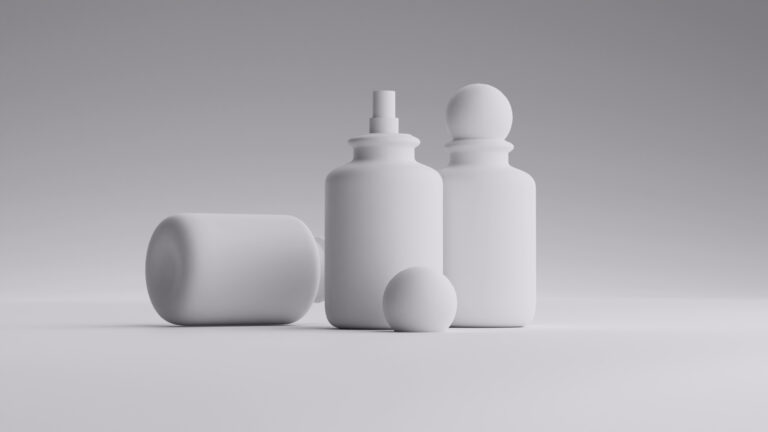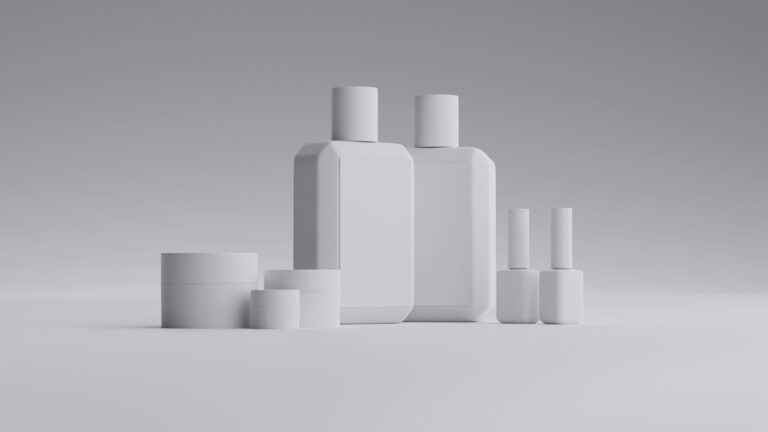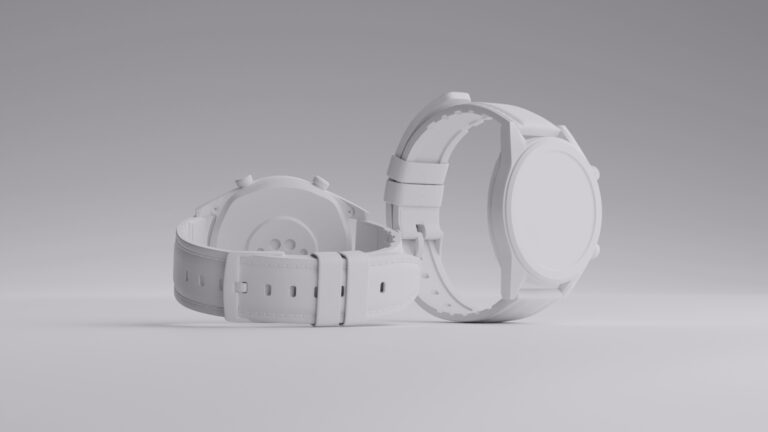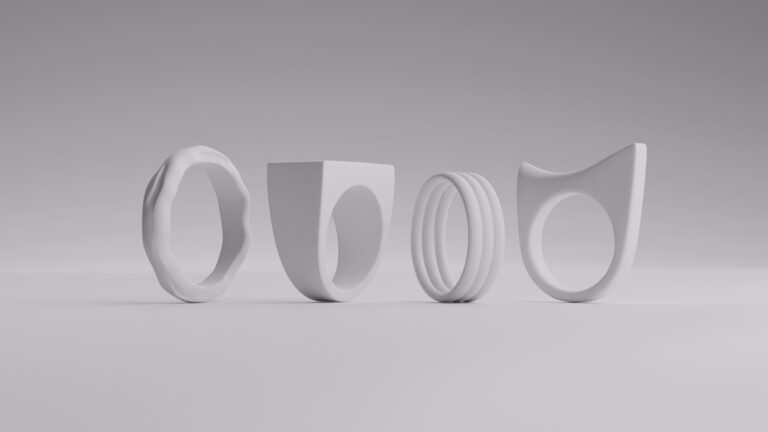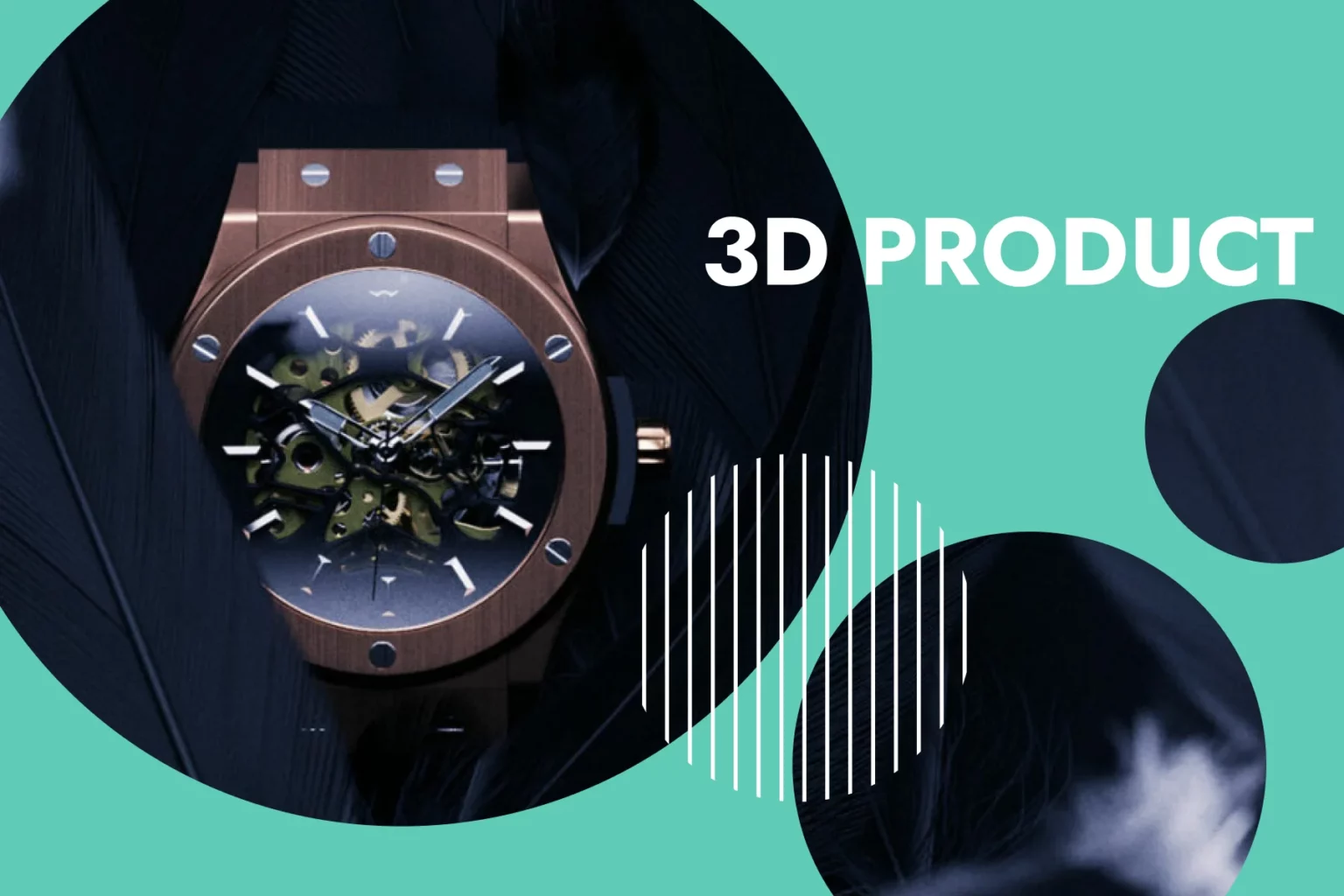
Imagine being able to put potential customers in a world where they can interact with your products before they even make a purchase. It sounds like something out of a science-fiction movie, right? Well, with the power of 3D product animation, it’s now a reality. In this detailed guide, we’ll learn about 3D animation and how it can help your marketing in new ways. Without further ado, get ready to unlock endless possibilities as we embark on this exciting adventure together!
What are 3D product animations?
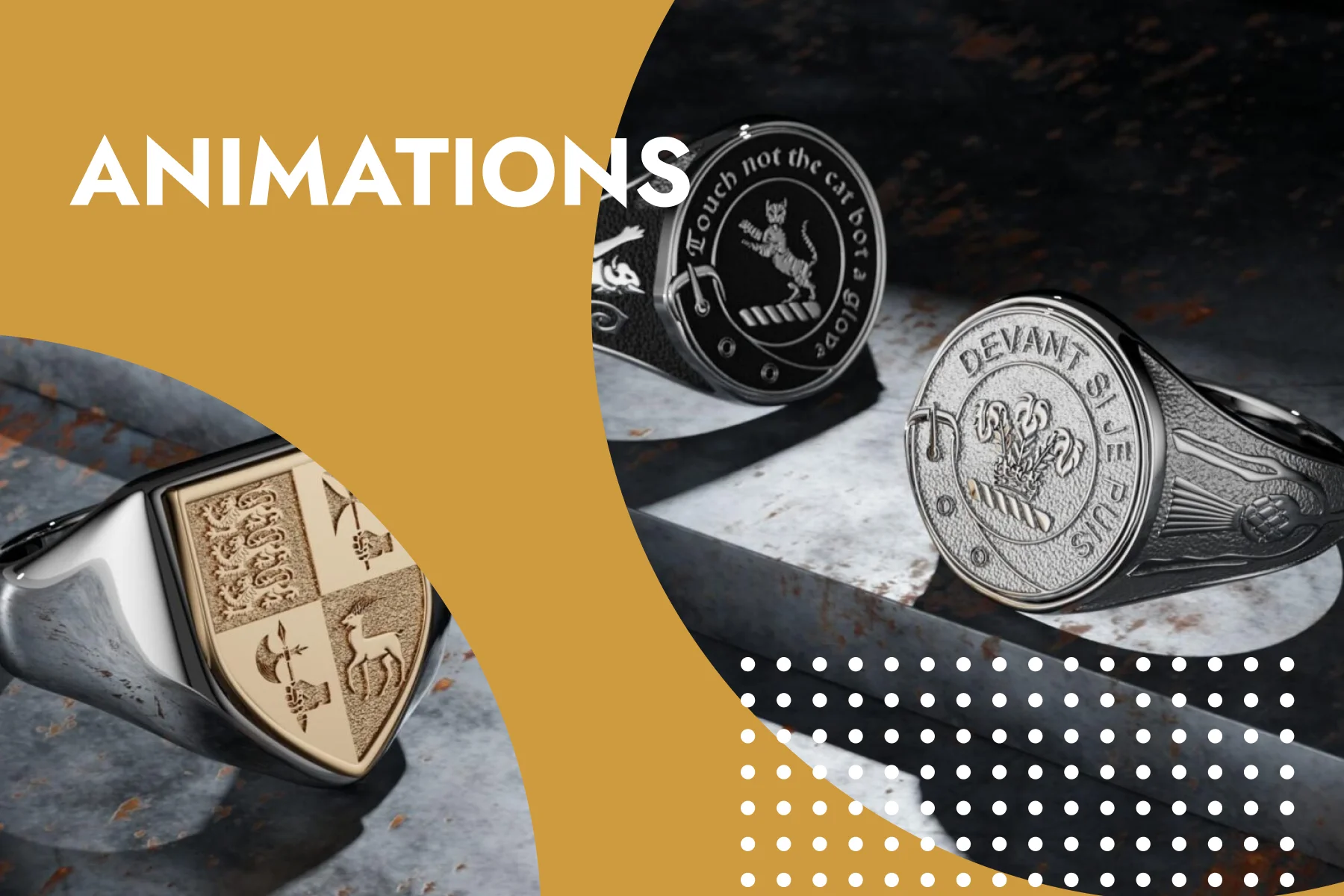
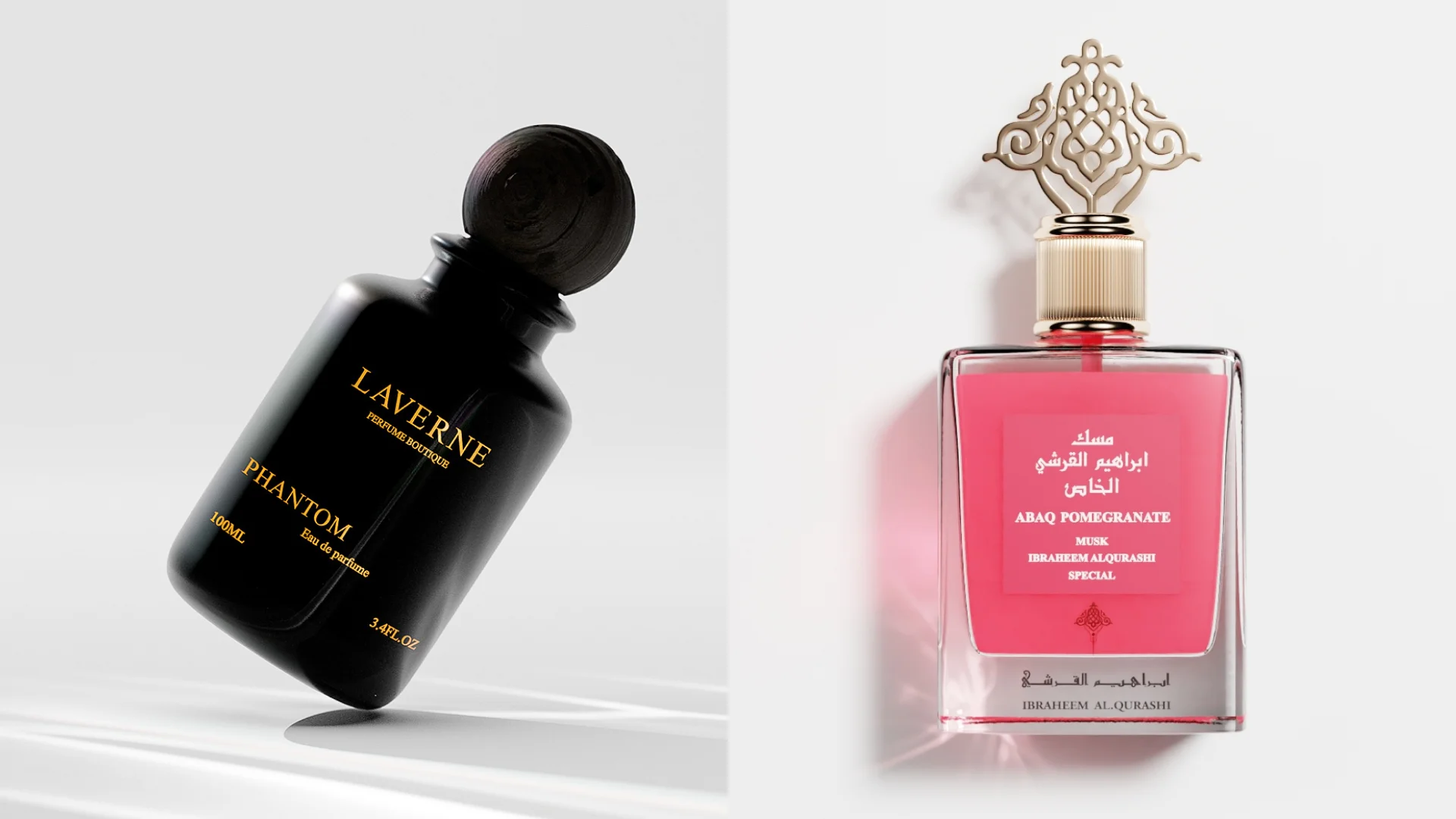
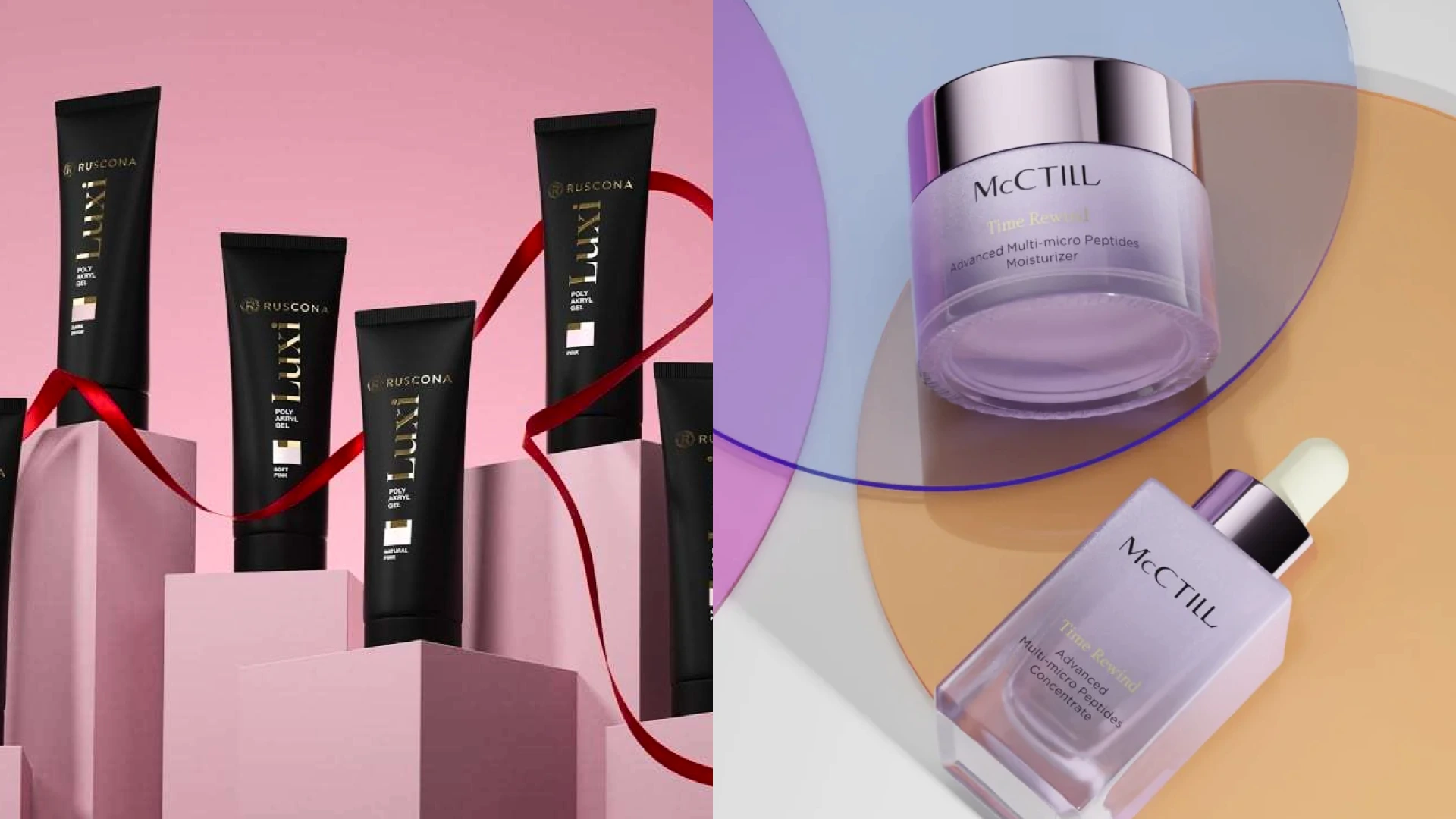
3D product animations have revolutionized the way you can showcase your products. In contrast to conventional product photography, 3D animations enhance the visual appeal of products by generating dynamic and immersive visual experiences. These animated presentations allow viewers to see every angle, feature, and detail of a product in a realistic and interactive manner.
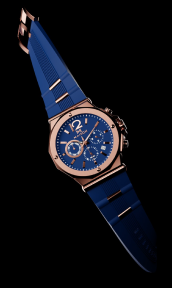
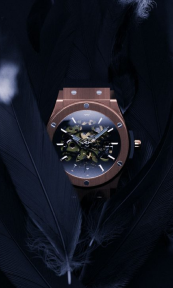
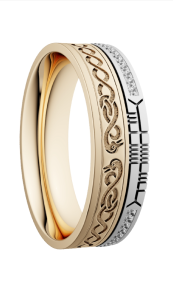
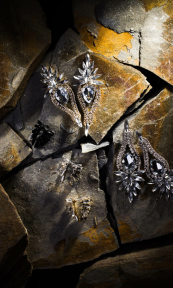
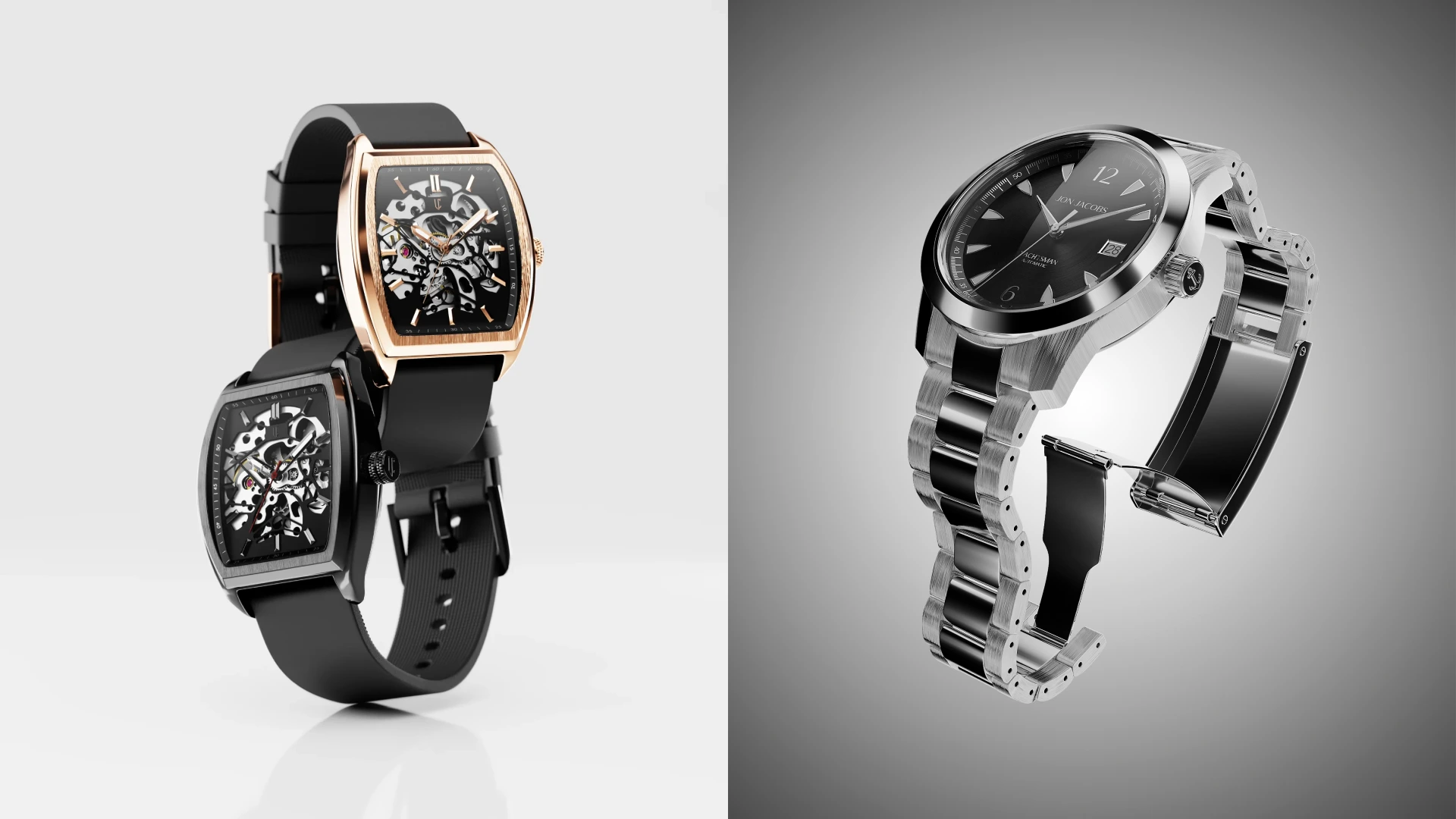
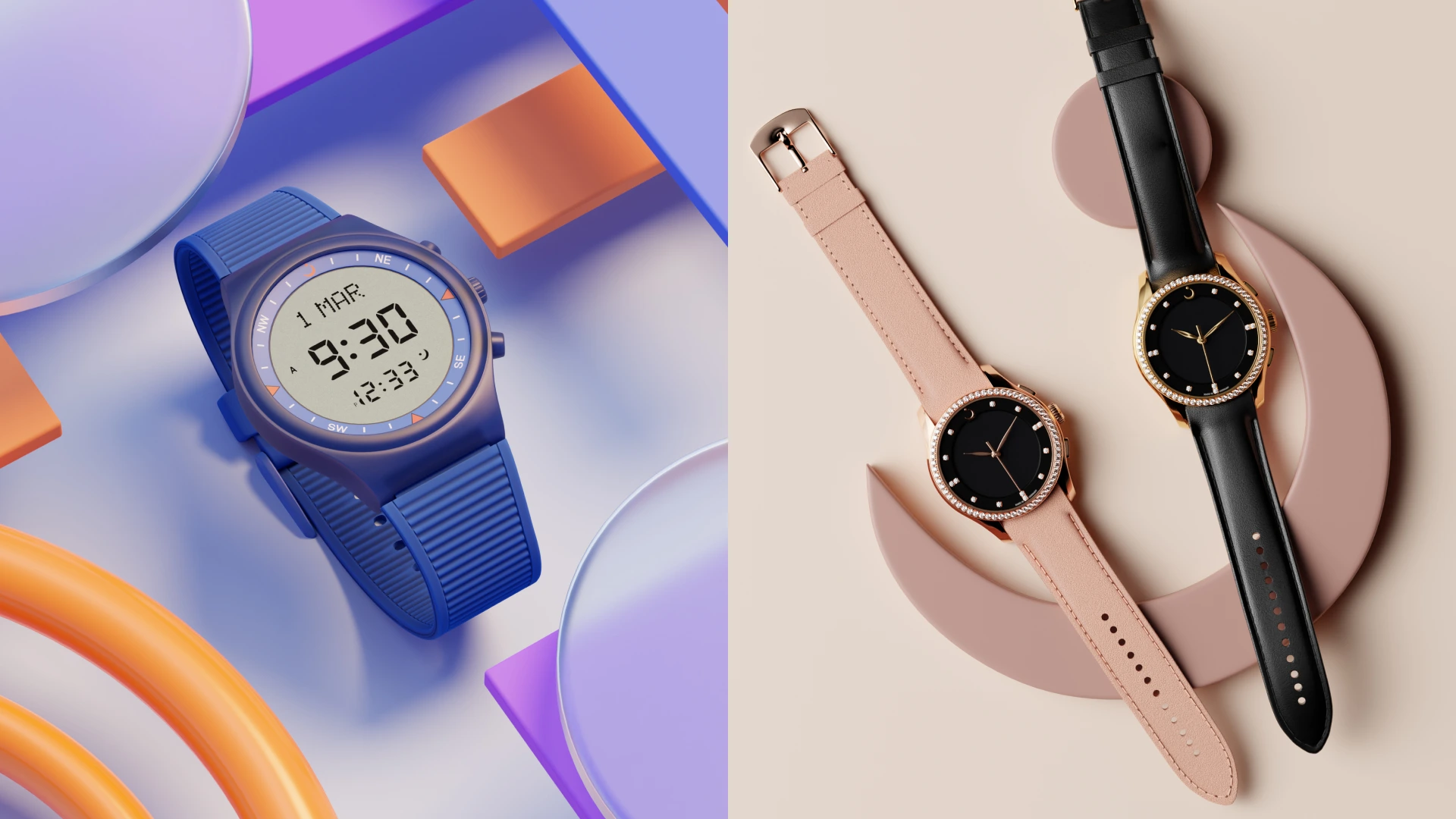
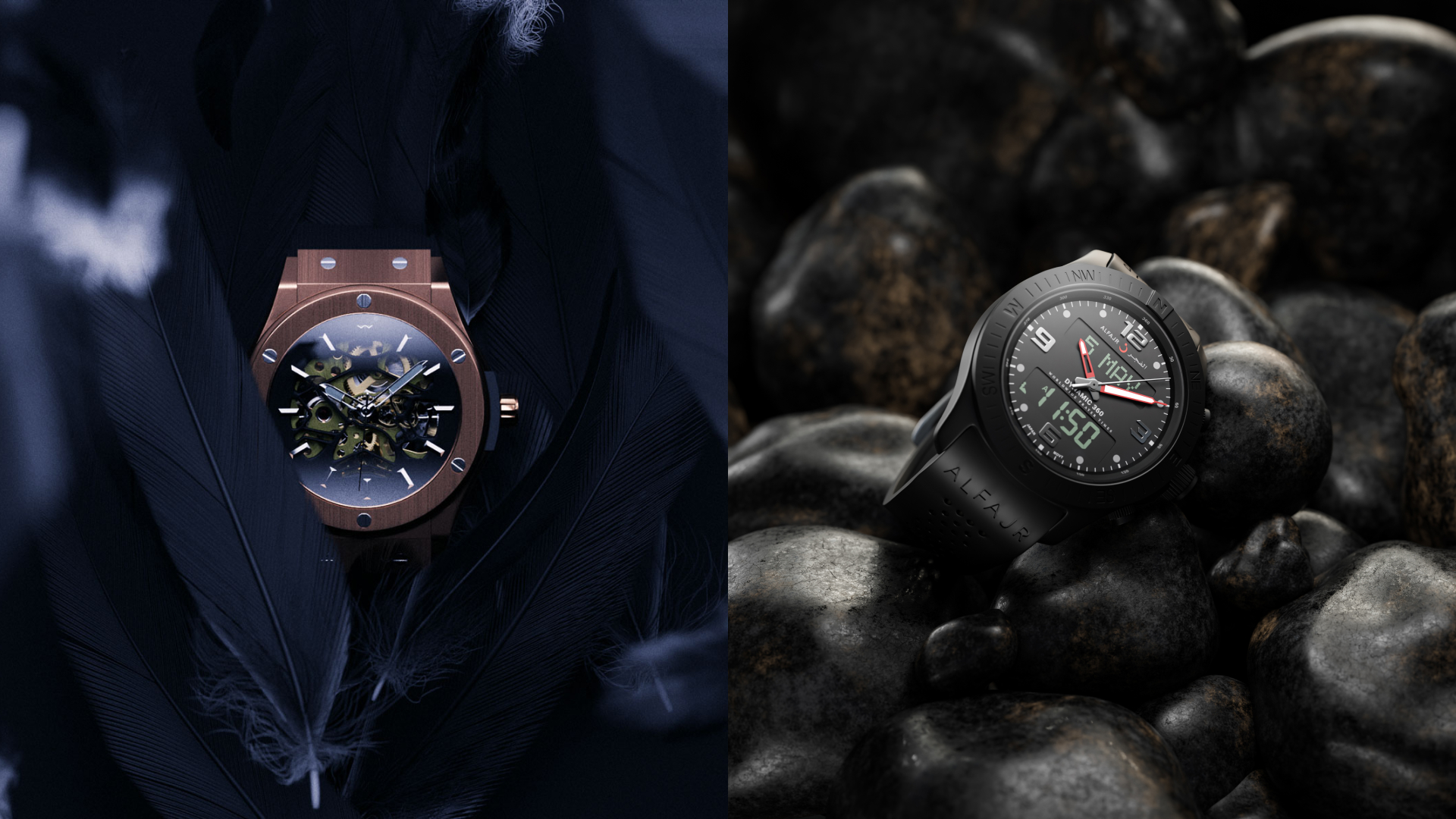
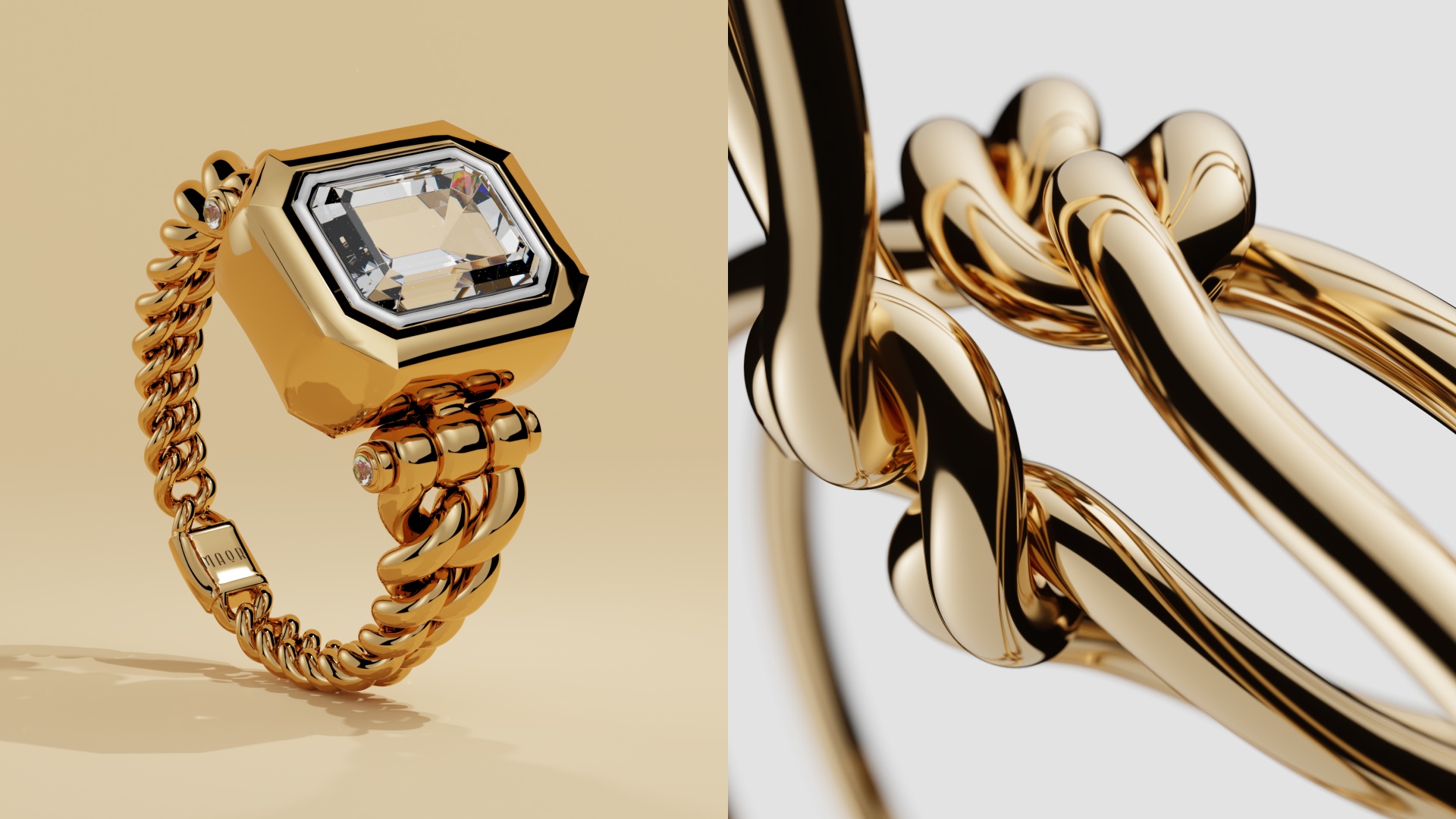
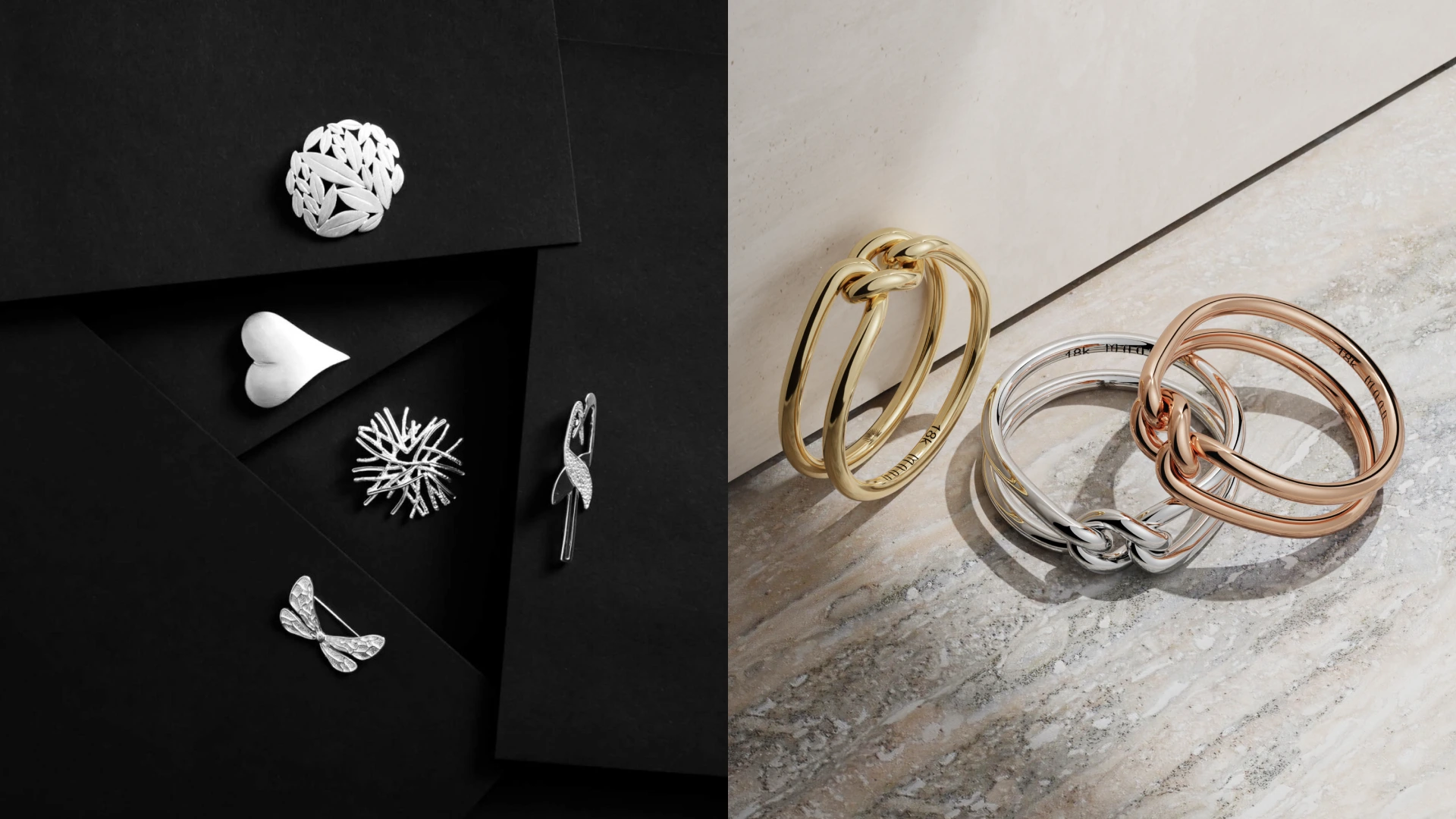
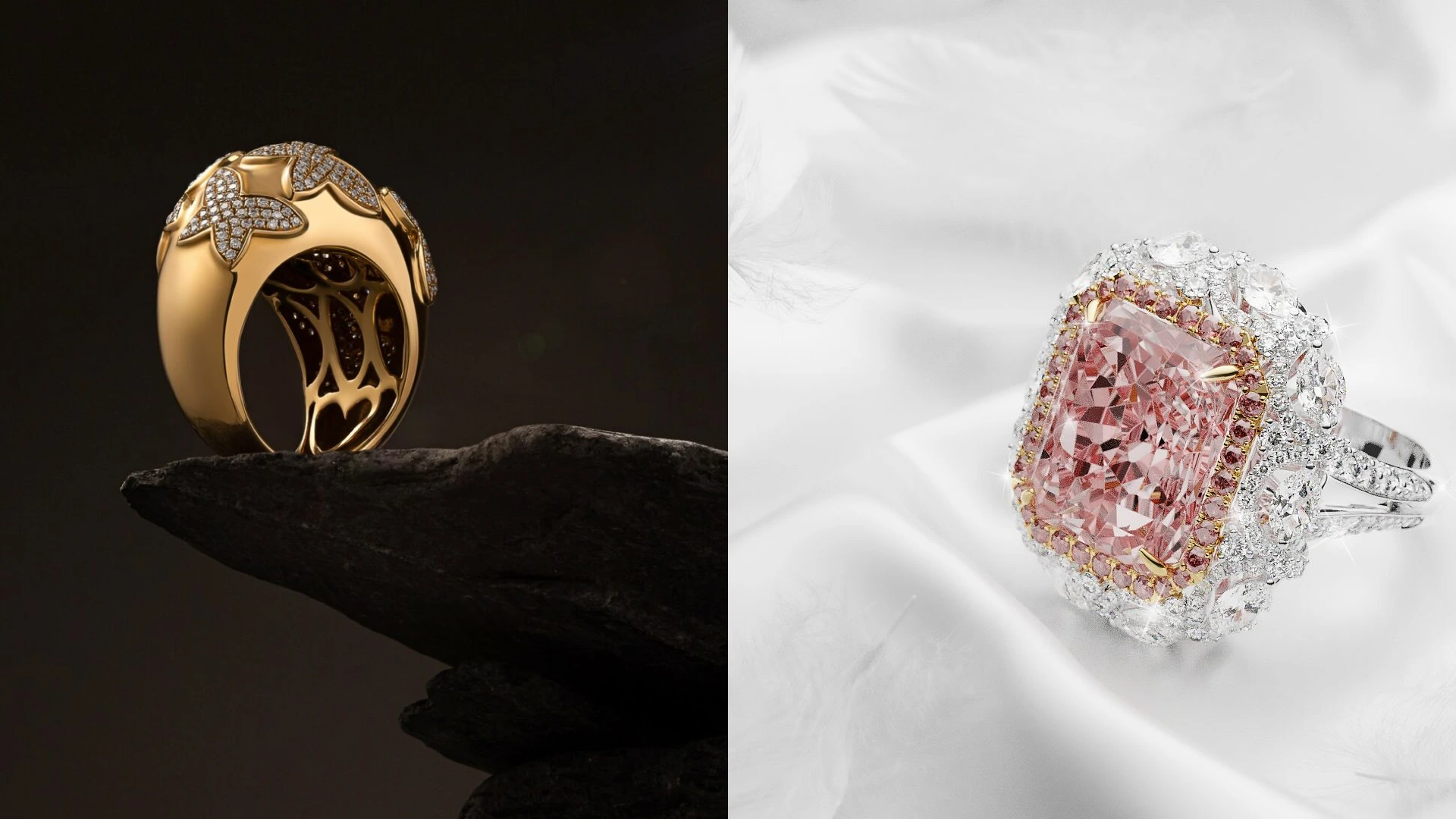
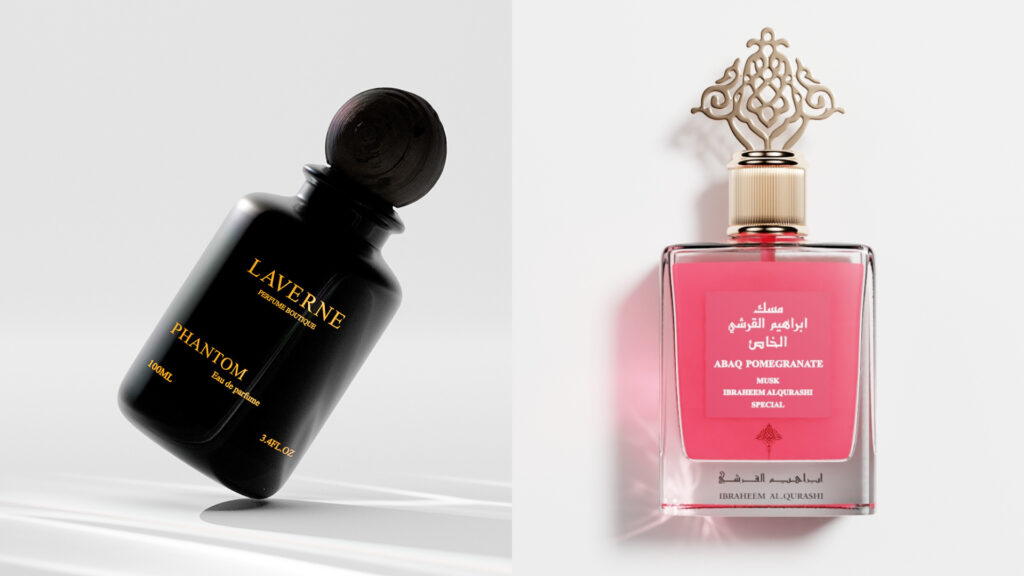
One good thing about using 3D product animations is that you can easily change them to fit your needs. These animated videos can be used to demonstrate the operation of a watch or to showcase various hues for a jewelry piece; there are endless ways to showcase goods. Using advanced rendering techniques and realistic lighting effects, 3D product animations can make your objects look appealing and visually appealing.
Furthermore, 3D product animations possess the capability to incorporate motion graphics, sound effects, and interactive elements to captivate viewers on a deeper level. By adding these elements, you can create memorable experiences that leave a lasting impression on potential customers. These animations can also be easily shared online through websites or social media platforms, helping businesses reach a larger audience and increase brand awareness.
Benefits of CGI animations
Eye-catching and flashy
When it comes to promoting products in the digital age, eye-catching visuals are key. And there’s no better way to captivate audiences than with CGI product animations.
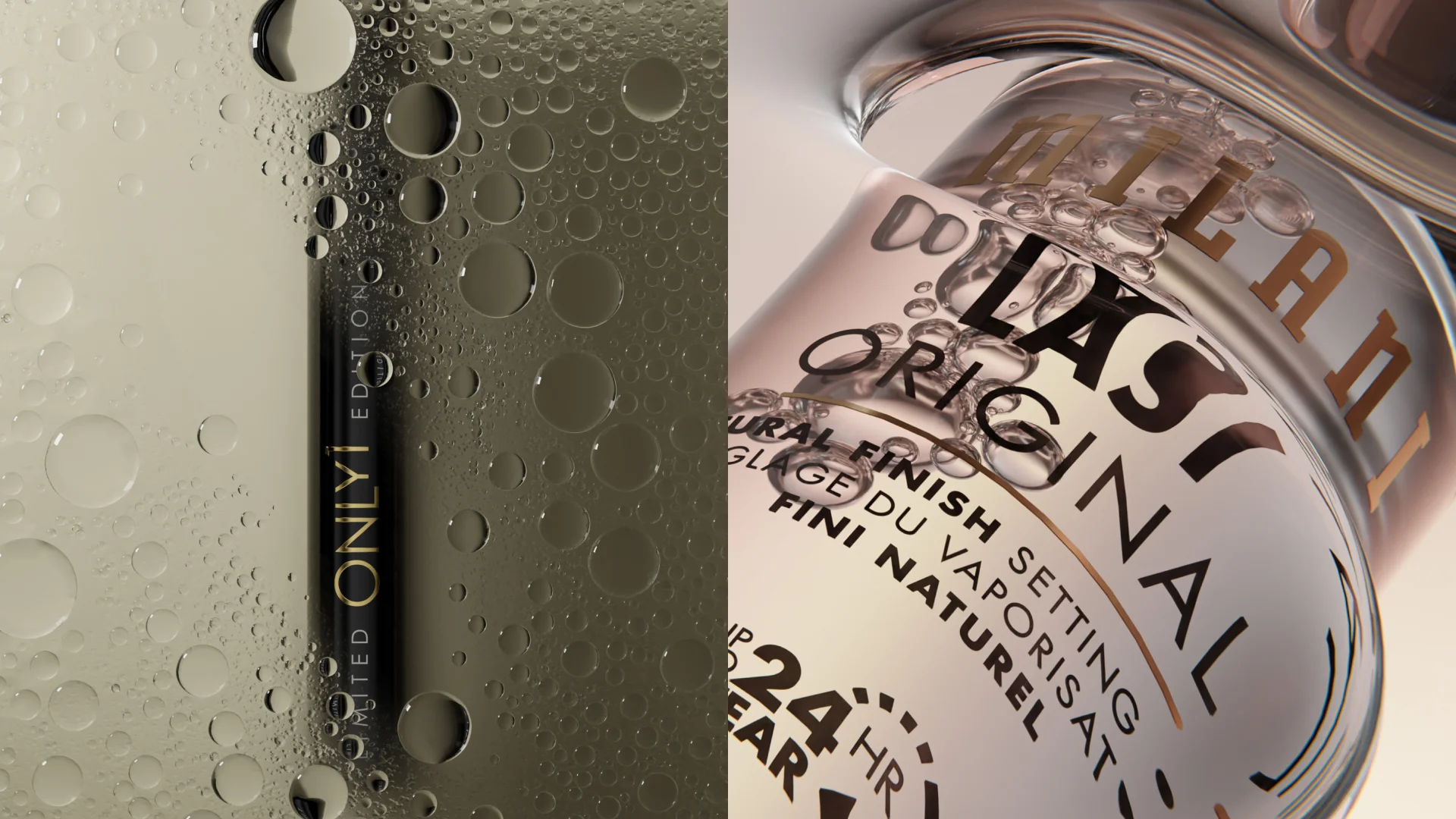
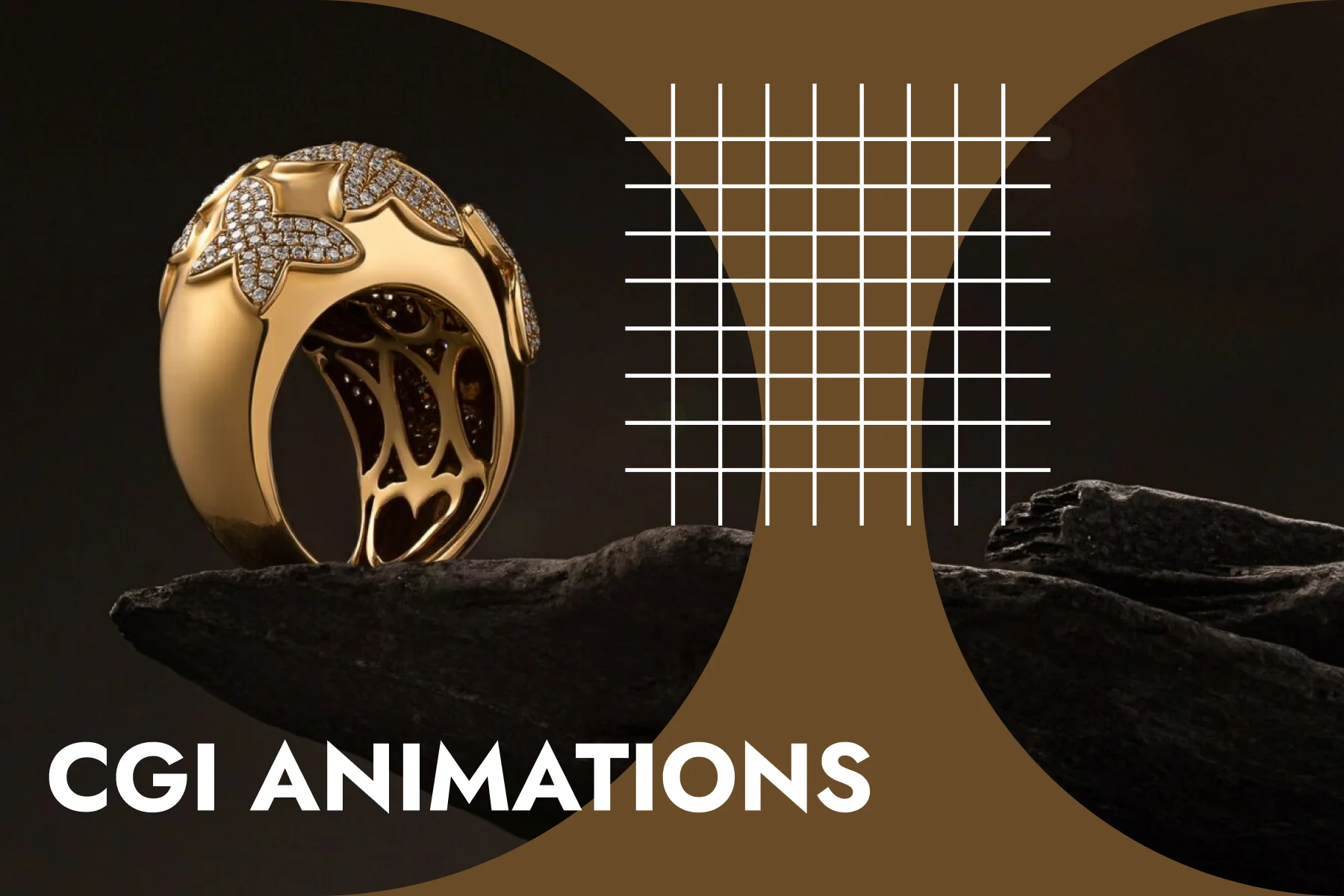
With a degree of authenticity in lighting, textures, and movements, CGI animations enhance the life of products in a manner that traditional photography or videos cannot match. They allow viewers to see every angle and detail of the product from different perspectives and in various environments. In addition to attracting attention, this level of visual immersion helps potential customers make more informed purchasing decisions.
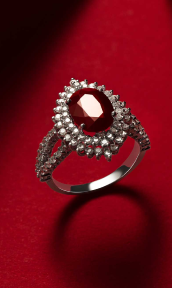
CGI animations offer endless possibilities for creativity and storytelling. These animations can be customized to evoke emotions and create lasting impressions, such as sleek automobile designs zooming down a futuristic highway or elegant jewelry glistening under soft studio lights. Breaking free from the constraints of reality, contemporary CGI product animations take viewers on an imaginative journey that sticks with them long after they’ve watched it.
Highly descriptive
Static images can only do so much, and that’s where 3D product animations come in. Unlike traditional images, these animations provide customers with a dynamic and interactive view of the product from all angles. Customers can see every detail of the product by rotating, zooming in, and panning out.
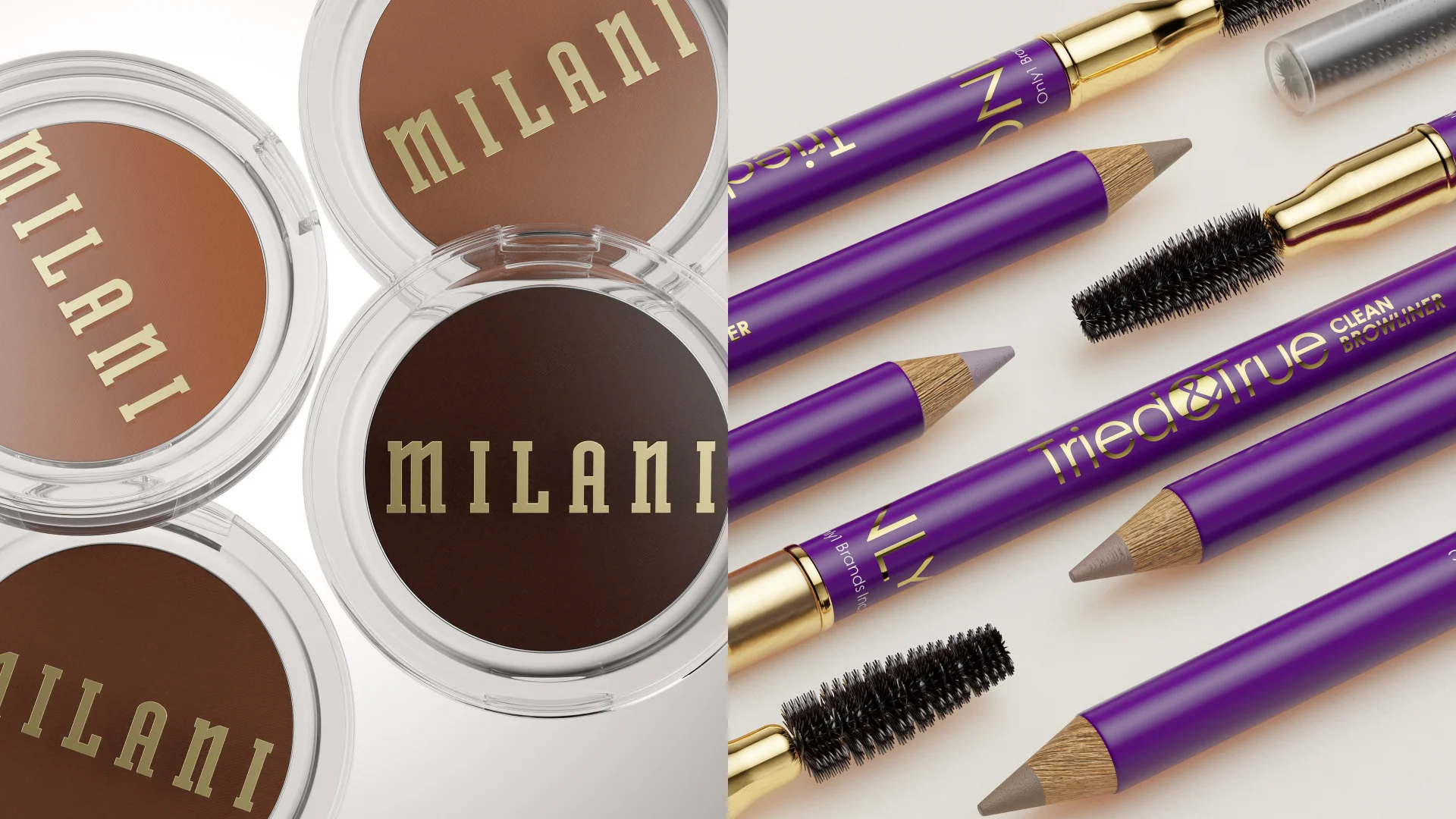
The ability of 3D product animations to provide products is one of their greatest advantages. From textures and colors to functionality and size, these animations leave no stone unturned when it comes to portraying the product accurately. 3D product animations bring a level of realism that traditional images simply cannot match. They can be used to demonstrate how the gears move inside a watch, or how a piece of furniture can be transformed into various configurations.
With the advent of increasingly sophisticated technology, these animations have become more visually captivating than ever before. The use of lighting effects and high-resolution textures makes each frame almost lifelike. This approach not only aids customers in visualizing their purchases, but also adds a sense of excitement and engagement to their online shopping experience.
Easy to edit in post-production
The main benefit of using 3D product animations is that they are easy to edit in post-production, which makes them easier to customize. Traditional photography or videography can be time-consuming and expensive, but 3D animations provide a flexible and efficient solution. The capability to alter hues, materials, lighting effects, camera angles, and more with a few clicks makes 3D product animations a great choice for personalizing anything.
This not only saves time in the editing process, but it also allows for greater creative freedom. Designers have the flexibility to experiment with different visual elements and tweak them until they meet their desired outcome. Adjusting a product’s size or shape or adding extras to make it stand out are some things 3D animations can do to make their concepts come to life.
Companies can change labels or packaging designs in a matter of minutes instead of having to reshoot an entire scene from scratch. This way, companies can keep up with changing market demands and cater to their customers’ preferences. Time and resources are saved by this level of customization, and products are showcased in the best possible light across various marketing channels.
More affordable
3D product animations are significantly more affordable than traditional methods, which is one of their major advantages. With 3D animations, businesses can save money by not renting studios and equipment. This allows for more flexibility in terms of budget allocation and also reduces logistical constraints. This not only results in monetary savings, but it also permits firms to produce top-notch product animations within their budget.
Furthermore, 3D product animations present an innumerable array of possibilities for showcasing products in distinctive and innovative ways. Virtual environments can be easily created without the need for physical sets or props. These virtual scenes save money and offer limitless options for customization. You can make animations that look realistic and show details that would have been expensive with traditional methods.
Furthermore, 3D product animations are cheaper because they don’t require renting a studio or equipment. It also eliminates the need for hiring models or actors to showcase products. In old-fashioned movies and TV shows, finding good models can be expensive. You also need to pay extra for professional photographers and videographers. But with 3D animation, businesses can control their virtual characters and actors without spending more money.
Common applications for 3D product animations
E-commerce
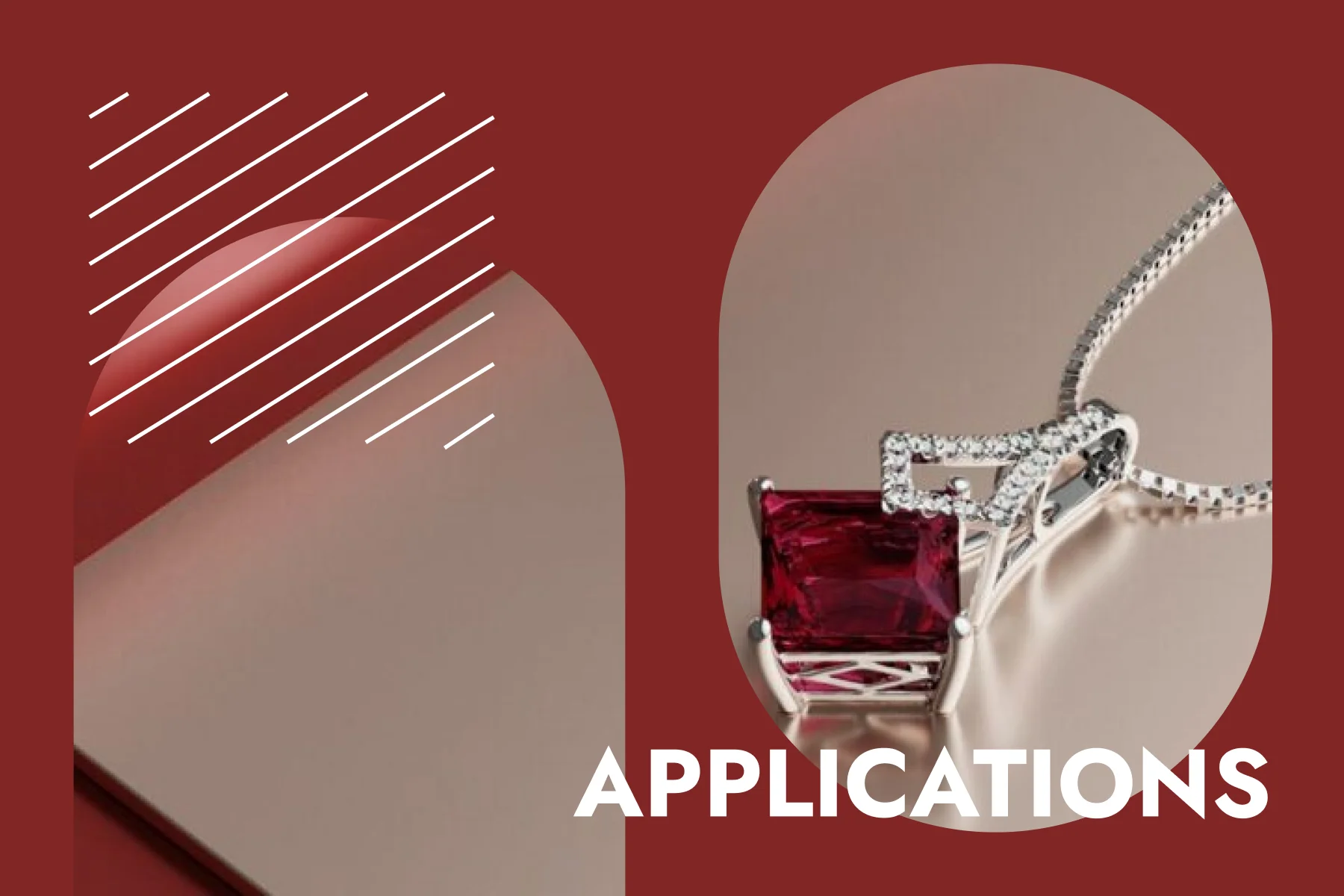
3D animations bring life to your products and provide a more immersive shopping experience for your customers. By using 3D animation, you can showcase the details, functionalities, and unique features of your product from every angle.
Start by choosing the right software or hiring a professional animator who specializes in 3D product animation. This will ensure that the final result is of high quality and accurately represents your product. When creating animations for e-commerce, it’s essential to focus on highlighting the product’s key selling points and demonstrating its benefits. Enable viewers to interact with the animation by allowing them to rotate or zoom in on the product, giving them a closer look before purchasing.
Customers can engage with your products by incorporating 3D animations into your platform. It allows them to experience products virtually and eliminates any hesitations they may have about purchasing online, which can help improve e-commerce sales. These animations can also be used effectively in advertising campaigns across various social media platforms, catching potential buyers’ attention and converting them into loyal customers.
Social media
The first step in utilizing 3D animations effectively on social media is understanding your target audience and tailoring your content accordingly. Consider what appeals to them, and develop animations that align with their interests and preferences. You should ensure that your 3D animation resonates with your target market, whether it’s a realistic rendering of a new smartphone or an eye-catching motion graphic.
Next, focus on creating concise and engaging animations. Social media platforms prioritize short-form content, so it’s crucial to convey your message quickly and effectively. With 3D animations, you can show people how your product works or highlight its special features in a way that looks good. Remember, brevity is key; keep the animation under one minute for maximum impact.
Lastly, remember to optimize your 3D animations for different social media platforms. Each platform has specific video dimensions and playback requirements, which influence how your animation will be displayed. By tailoring the resolution, aspect ratio, and file format of your animation to fit these specifications, you can ensure seamless playback across various platforms like Instagram stories or TikTok videos.
Types of CGI product animations
Nothing beats a good storytelling video
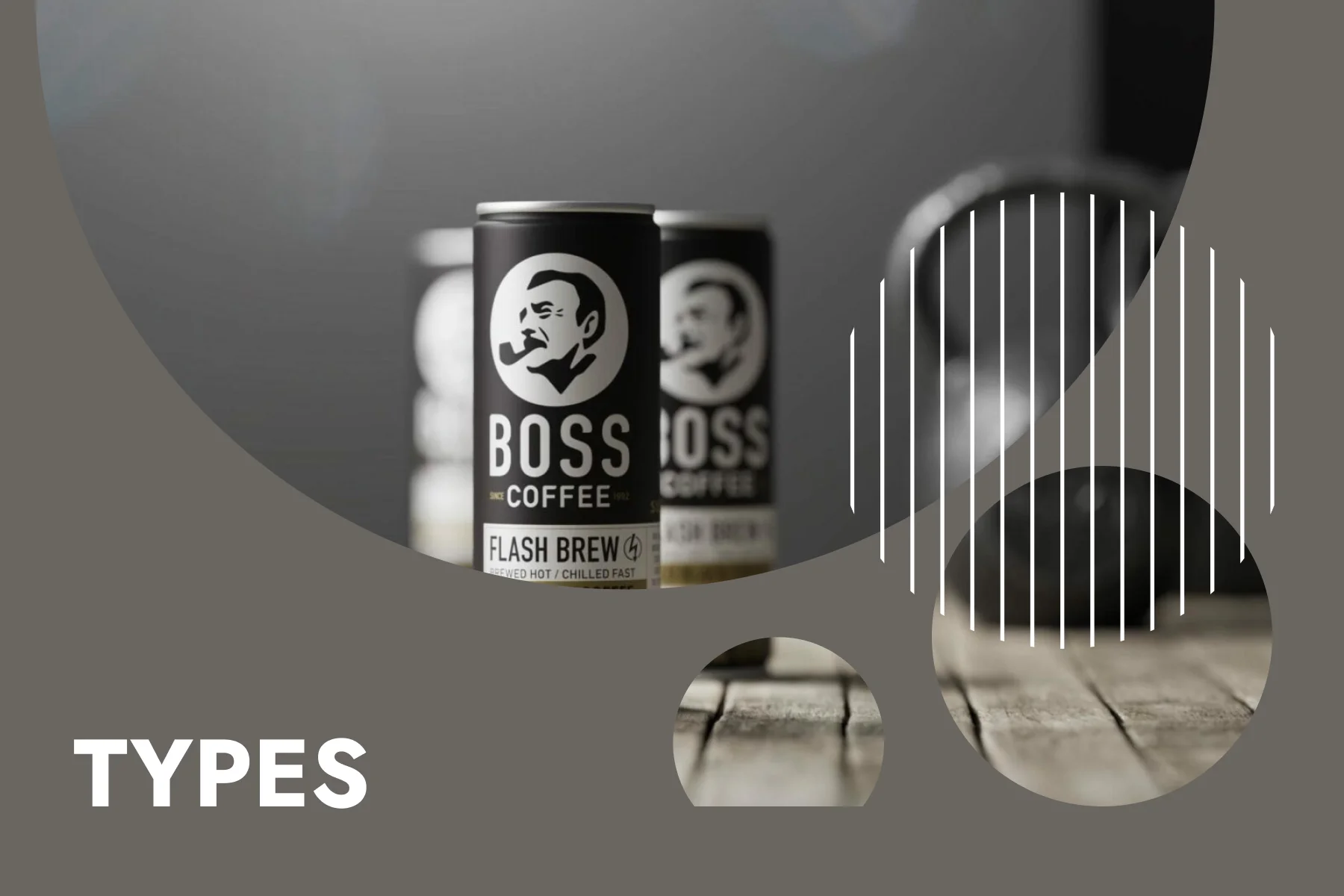
Creating a powerful storytelling video for your product using 3D animations can significantly enhance your marketing efforts. To create an impactful storytelling video, start by understanding your target audience and their needs. This will help you tailor the storyline to resonate with them on a deeper level.
Next, focus on crafting a compelling narrative that takes viewers on a journey. Start by introducing the problem or pain point that your product solves, then showcase how your product is not only the solution but also the hero of the story. By highlighting the unique features and advantages of your product through dynamic 3D animations, you can effectively emphasize its value and differentiate it from competitors.
In addition to visuals, be sure to incorporate strong storytelling elements such as character development, conflict resolution, and emotional triggers throughout the video. Utilize voice-overs or text overlays to provide context and guide viewers through the story. Finally, conclude with a call-to-action that prompts viewers to take desired actions, such as making a purchase or signing up for more information.
Product launch video
To make your product launch video stand out, use 3D animations. Start by crafting a narrative that emphasizes the essential attributes and perks of your product. This will serve as the foundation for your animation storyboard. Subsequently, it is imperative to employ hues, textures, and lighting techniques that are in sync with your brand identity to establish a cohesive appearance throughout the video.
Keep in mind that incorporating dynamic camera movements can add an extra layer of excitement to the video. You can highlight the unique attributes of the product by strategically placing animated effects such as zooming in or rotating around it. Remember to also include clear call-to-actions at appropriate moments throughout the video to encourage viewers to take immediate action.
By harnessing the power of 3D product animation, businesses can create more engaging product launch videos that attract customers, strengthen brand awareness, and increase sales. Creating visually stunning animations combined with engaging storytelling will help you effectively communicate why your product is worth their time and investment.
In-depth product animation
First, it is crucial to brainstorm and plan out the details you want to highlight in your video. Consider the unique features and selling points of your product and determine how best to showcase them through animations. This could include demonstrating how the product functions, highlighting its dimensions and measurements, or zooming in on intricate design elements.
Next, you’ll need to gather any necessary reference materials, such as technical drawings or CAD files. These will serve as the basis for creating accurate 3D models of your product. Investing time in ensuring these models are high-quality and realistic will elevate the overall visual appeal of your video.
To create seamless transitions between different shots and perspectives, consider using camera movements within your animations. This allows viewers to get a comprehensive understanding of every angle and detail of the product. Additionally, adding contextual elements such as backgrounds or props can further enhance the visuals while giving viewers a sense of how the product might look in real-world scenarios.
The best practices to create stunning 3D product animations
3D modeling beforehand is a must
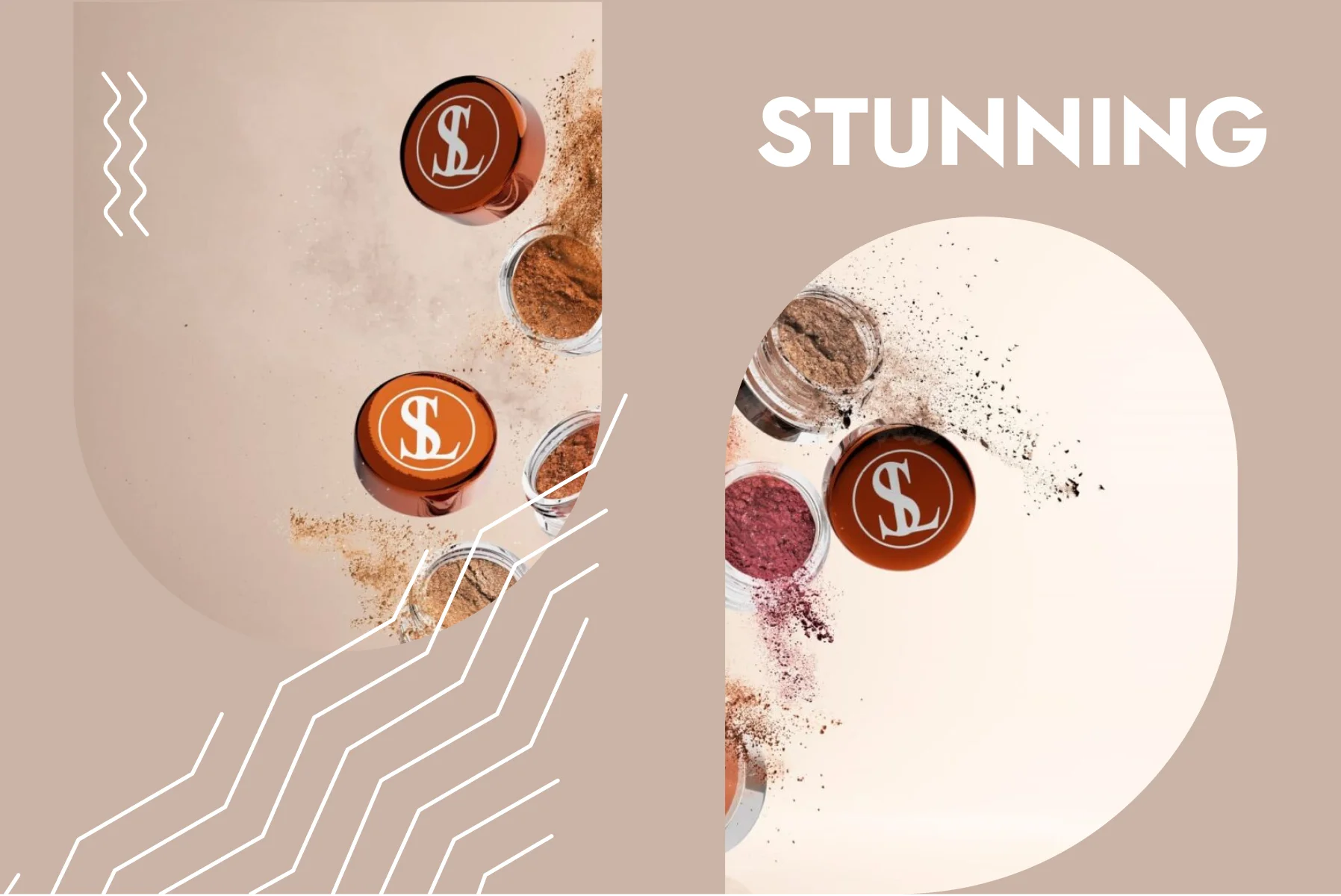
Central to the creation of these animations is 3D modeling, a crucial step that cannot be overlooked. This process involves constructing a virtual three-dimensional representation of an object or product, showcasing its features and functionalities in an interactive and visually appealing manner.
One of the key reasons why 3D modeling is paramount in creating 3D product animations is its ability to bring ideas to life. With advanced software and techniques, designers can accurately replicate real-world objects by incorporating intricate details such as textures, colors, and materials. This enables consumers to get a more realistic preview of products before making a purchase, resulting in higher customer satisfaction rates.
Furthermore, 3D modeling allows for greater flexibility when it comes to customization options. Businesses can easily modify aspects of their products during the modeling phase without the need for costly physical prototypes. By manipulating various elements in the virtual space, such as size, shape, or color schemes, companies can swiftly adapt their designs to meet market demands or incorporate feedback from potential customers.
Pay attention to the lighting
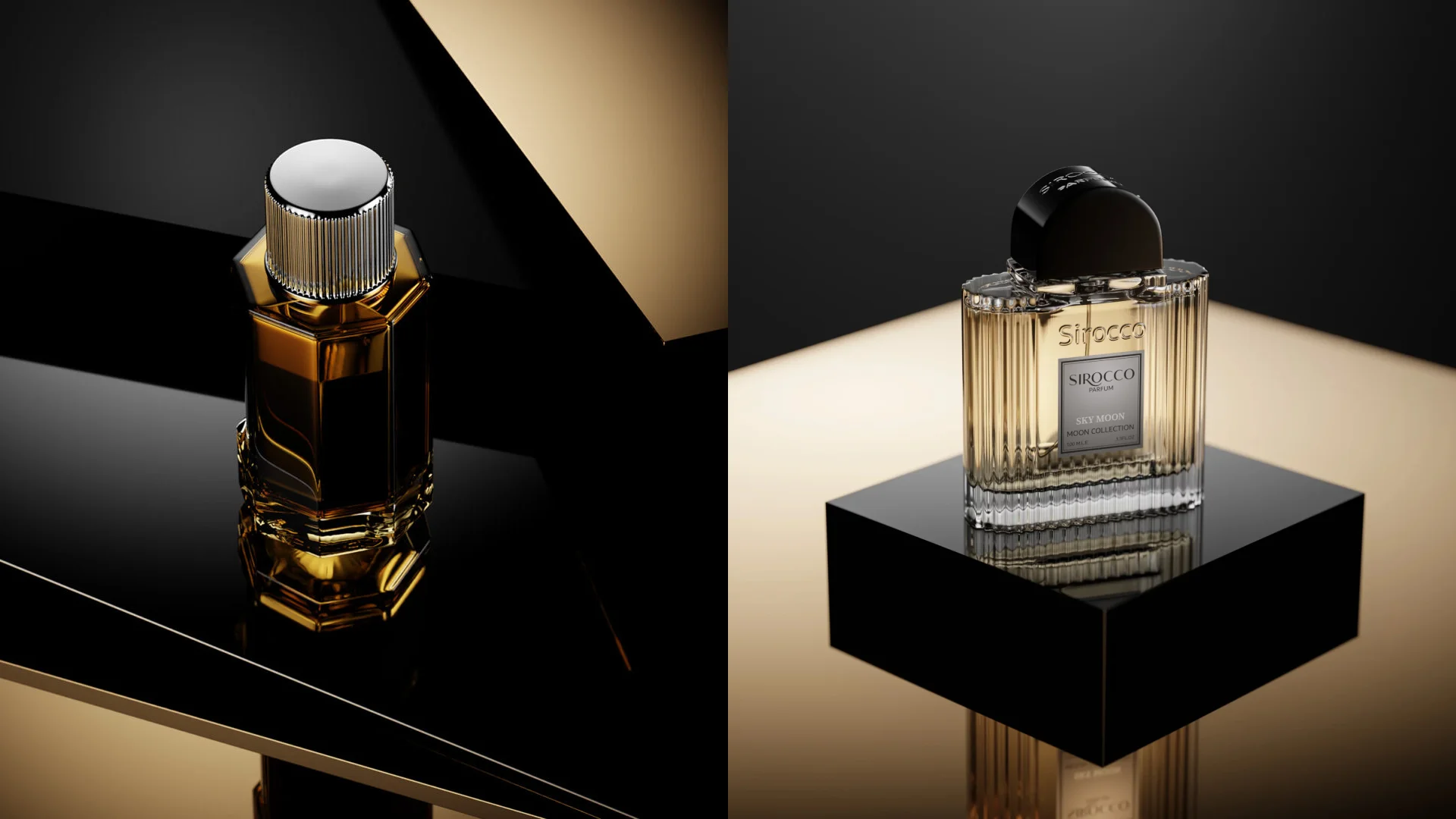
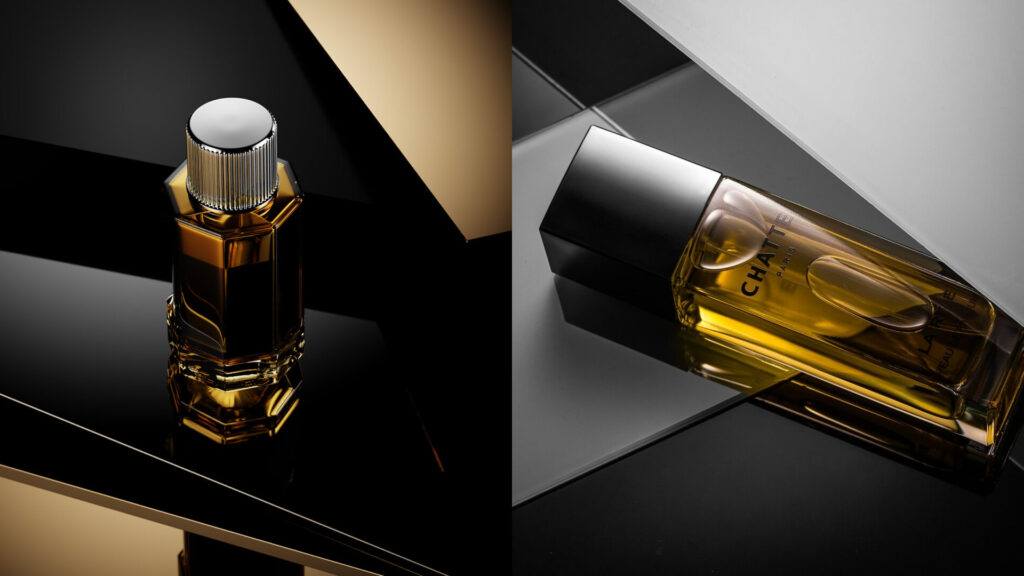
When it comes to creating visually stunning and realistic 3D product animations, virtual lighting plays a crucial role. It is not just about adding lights to the scene; virtual lighting is an art in itself. The way light interacts with the products can dramatically enhance the final result, making them look more appealing and believable.
One of the key reasons why virtual lighting is so important in 3D product animations is that it helps create a sense of depth and dimension. By strategically placing lights in the scene, animators can mimic real-world lighting conditions, which adds realism and immersion to the animation. This allows viewers to get a more profound understanding of the product’s form, structure, and texture.
Moreover, virtual lighting also enables animators to highlight specific features or details of the products they are showcasing. By manipulating light intensity, direction, and color temperature, animators can draw attention to certain areas or show how light interacts with different materials. This level of control over lighting helps create a captivating visual experience that engages viewers and leaves a memorable impression.
Add the proper styles


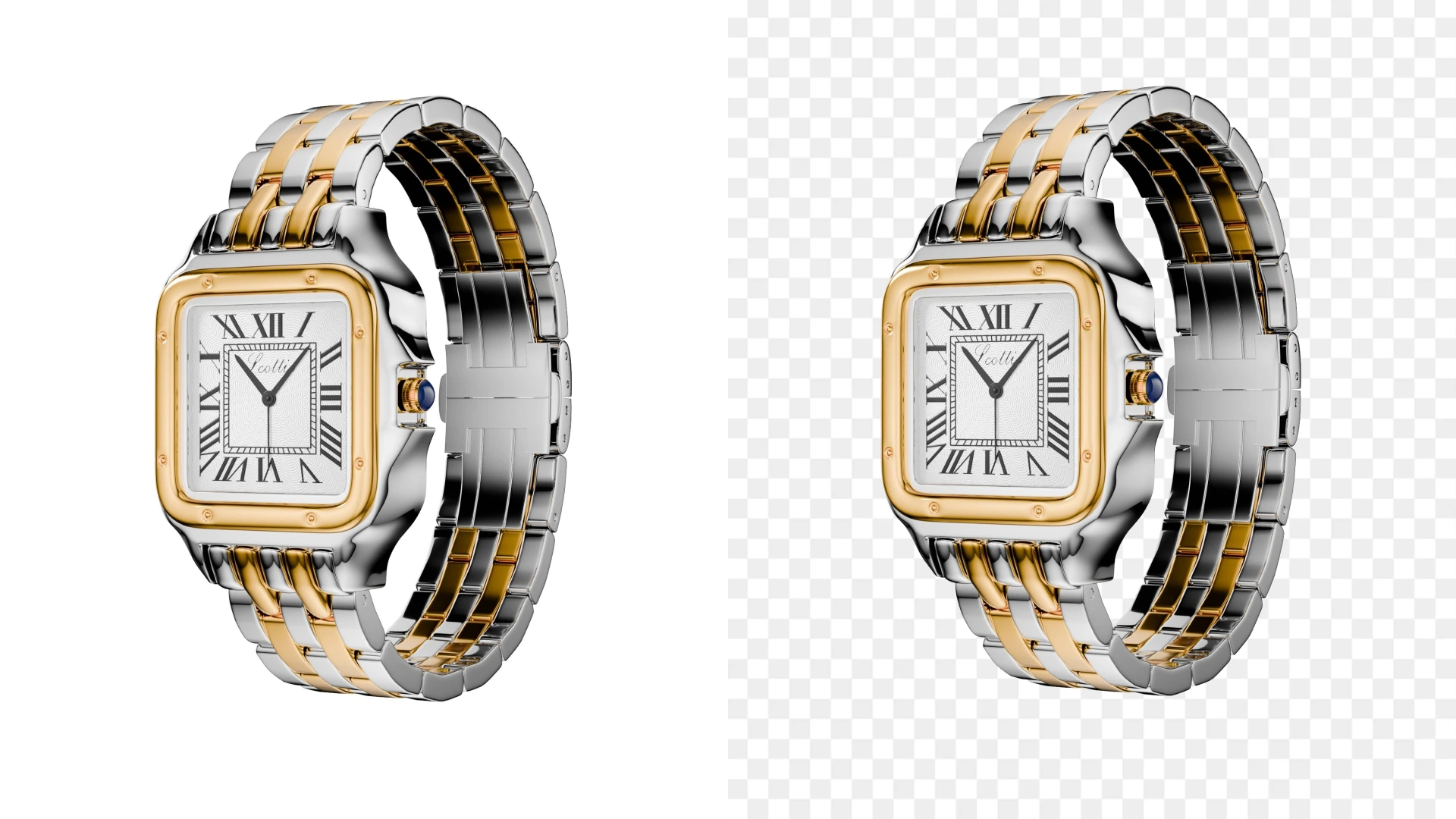
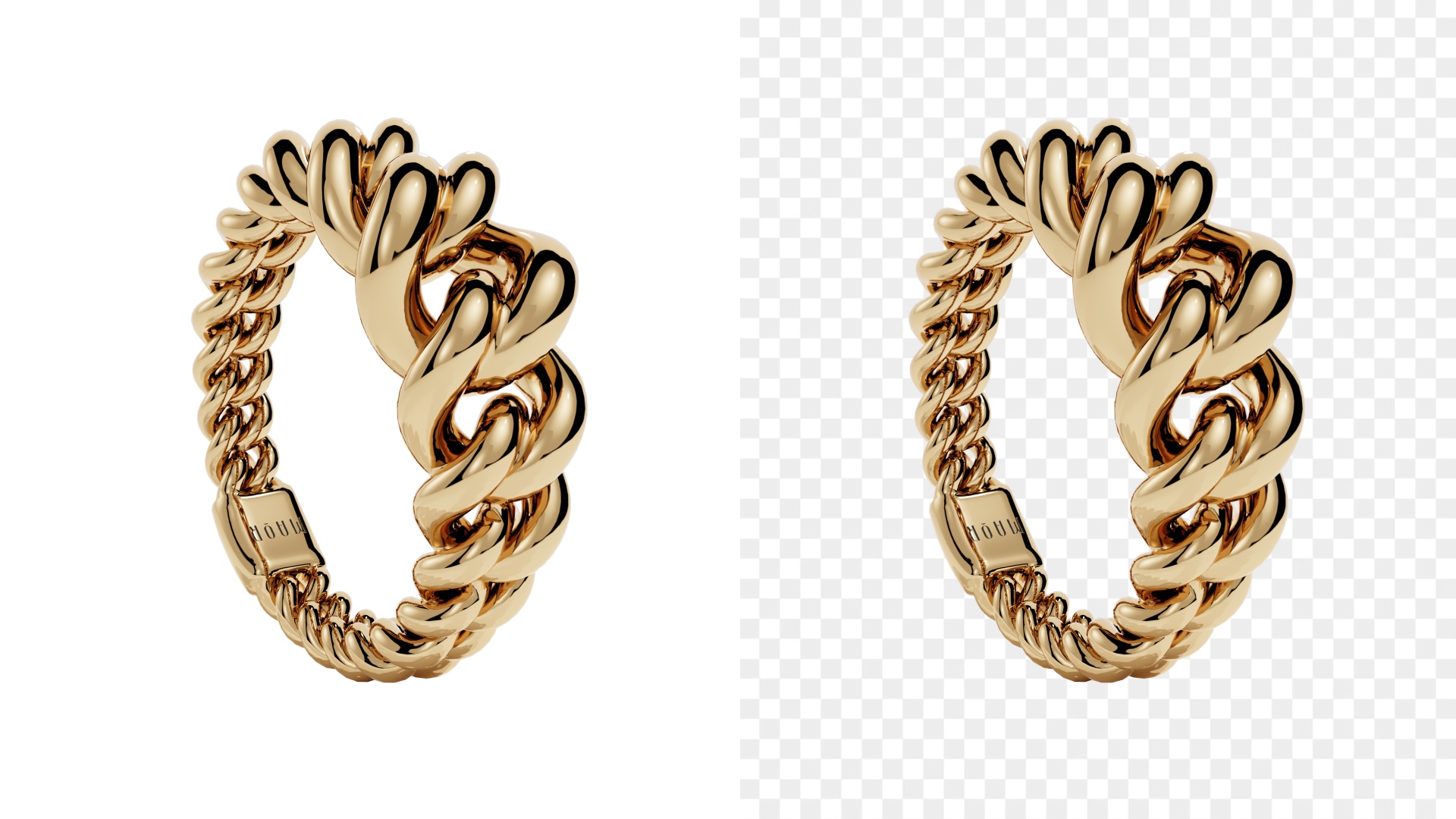
The styling of a 3D product animation can make all the difference in creating a captivating and engaging visual experience. One key factor to keep in mind is the use of a white background. This approach enhances the product’s visibility and allows for easy branding integration and adaptability across different platforms.
In addition to a white background, incorporating simple props can add depth and context to the animation while avoiding distractions from the main focus, the product itself. These props should be carefully chosen and placed strategically to complement rather than overshadow the featured item.
Another popular styling option is adopting a custom aesthetic, where your imagination is the limit. By showcasing how the product fits seamlessly into everyday life, customers can form an emotional connection with it. This storytelling approach helps potential buyers envision themselves using and benefiting from the product, leading to increased desirability and higher conversion rates.
Wrapping up
A meticulously crafted 3D product animation is a powerful tool that will enhance the way your product is showcased. Through the use of CGI technology, you can create stunning visuals that capture the attention of your audience and leave a lasting impression. Not only does this allow you to showcase your product in a more engaging and dynamic way, but it also provides numerous benefits such as increased brand visibility, improved customer understanding, and enhanced marketing campaigns. By investing in 3D product animation, you can take your marketing efforts to new heights and stand out from the competition. Start using the power of CGI technology to your advantage today.
FAQ
Why is 3D product animation important for marketing and advertising?
3D product animation is essential for marketing and advertising because it allows businesses to showcase their products in a more compelling and immersive way. It can help customers better understand a product’s features and benefits and make informed purchase decisions.
How is 3D product animation different from traditional product photography?
Unlike traditional product photography, 3D product animation offers more flexibility and creative control. It allows for dynamic presentations, product disassembly, visualizing internal components, and displaying products in various environments, all of which can be challenging or costly to achieve with traditional photography.
How can 3D product animation benefit e-commerce businesses?
3D product animations can enhance the e-commerce experience by allowing customers to interact with products virtually. This can reduce the need for in-person shopping, increase user engagement, and improve online conversion rates.