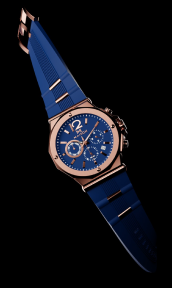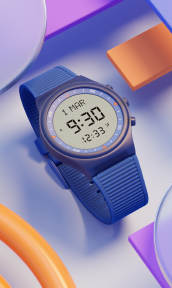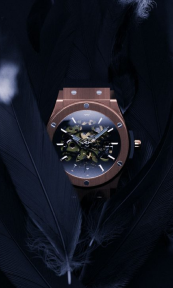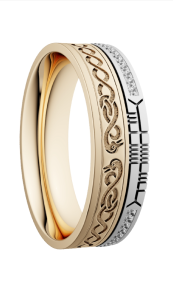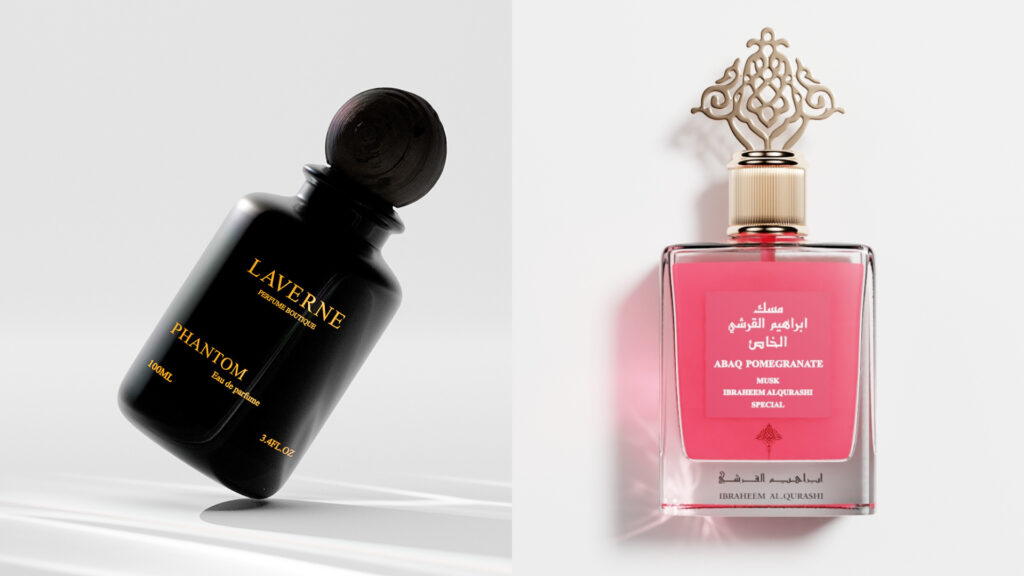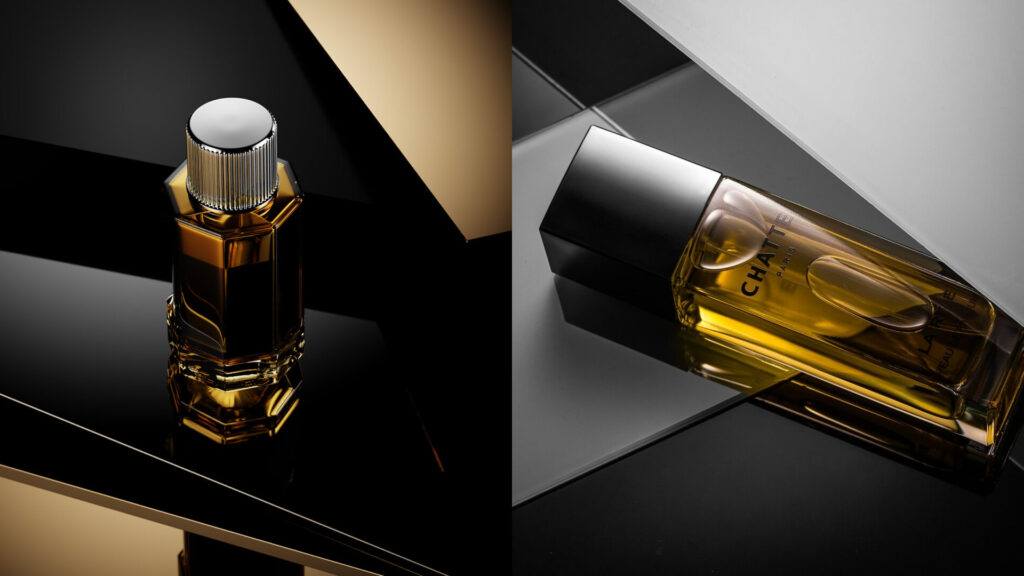

What is e-commerce photography?
Product photography for your online store is like a handshake in a business meeting — it’s your first impression, and you never get a second chance to make it. In the digital marketplace, your photos are your silent salespeople working 24/7.
Great ecommerce product photography accomplishes these important goals:
- Shows your products accurately and attractively
- Builds trust with potential customers
- Reduces return rates (since customers know exactly what they’re getting)
- Increases conversion rates and sales
Learn ecommerce customer acquisition strategies for a better grip.
Whether you’re launching a new Etsy shop, managing a bustling Shopify store, or competing on Amazon’s massive marketplace, professional-quality product photos aren’t optional luxuries — they’re essential tools that directly impact your bottom line. This guide breaks down everything you need to know about ecommerce photography in practical, actionable terms, from basic setups to advanced techniques that can transform browsers into buyers.

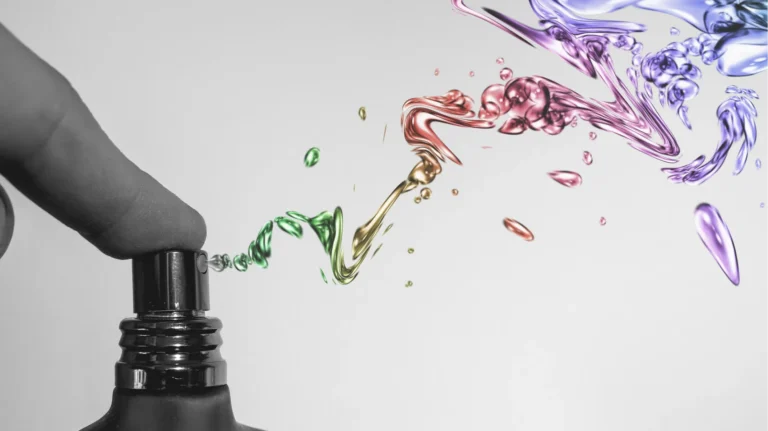



The evolution of e-commerce photography
From still life to digital storefront
Product photography has roots in the still life genre dating back centuries. However, e-commerce fotografie as we know it today began taking shape in the late 1990s as online shopping emerged.
The early days of ecommerce photography were basic – typically just single product shots against white backgrounds. As internet speeds improved and digital cameras became more accessible, the standards for product photography evolved dramatically.
E-commerce photography today
Today, ecommerce product photography is more important than ever. Global e-commerce sales are projected to reach $7.5 trillion in 2025 – that’s over 24% of total retail sales worldwide.
Modern consumers expect multiple high-quality images for each product. They want to see multiple angles, lifestyle images showing the product in use, and zoom-able detailed shots that reveal important features. Many shoppers also look for video demonstrations and 360° views before making purchase decisions.
With mobile shopping continuing to grow, ecommerce photography must also be optimized for different screen sizes and formats. The standards keep rising, and brands that invest in quality product photography gain a significant competitive advantage.
Types of e-commerce photography

Traditional studio e-commerce photography
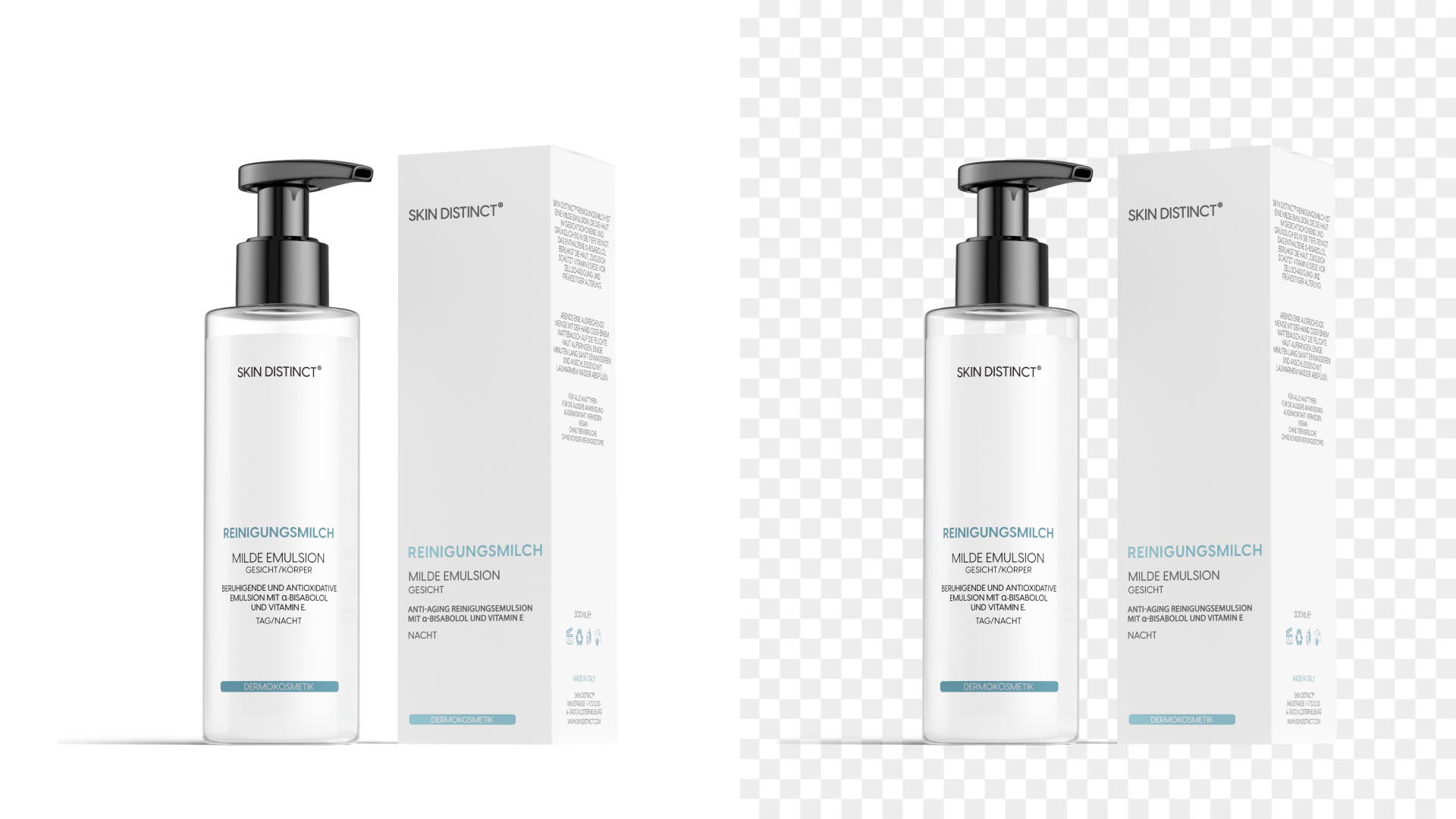
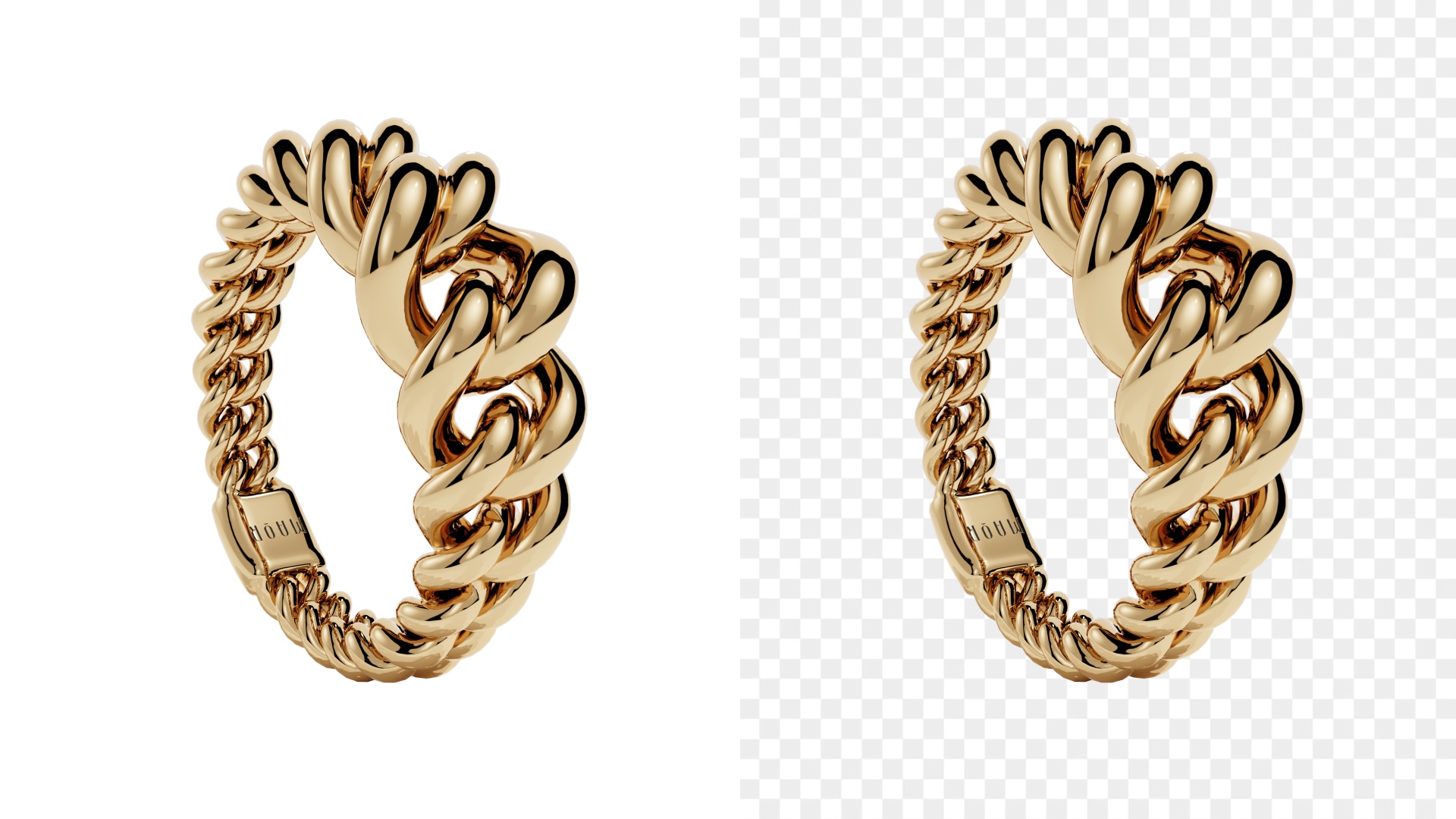
White background style
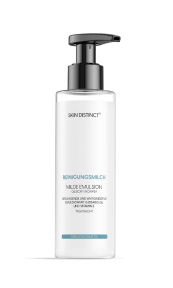
White background photography remains the gold standard for ecommerce product photography. This clean, distraction-free approach puts all the focus on your product and creates a consistent look across your entire catalog.
Amazon, Walmart, and most major e-commerce platforms require white background product images as the main product photo. This style creates a professional, consistent appearance and makes it easy for customers to see product details. It works well for comparison shopping and meets marketplace requirements. The key to successful white background photography is even lighting that eliminates harsh shadows while maintaining the product’s dimensional appearance.
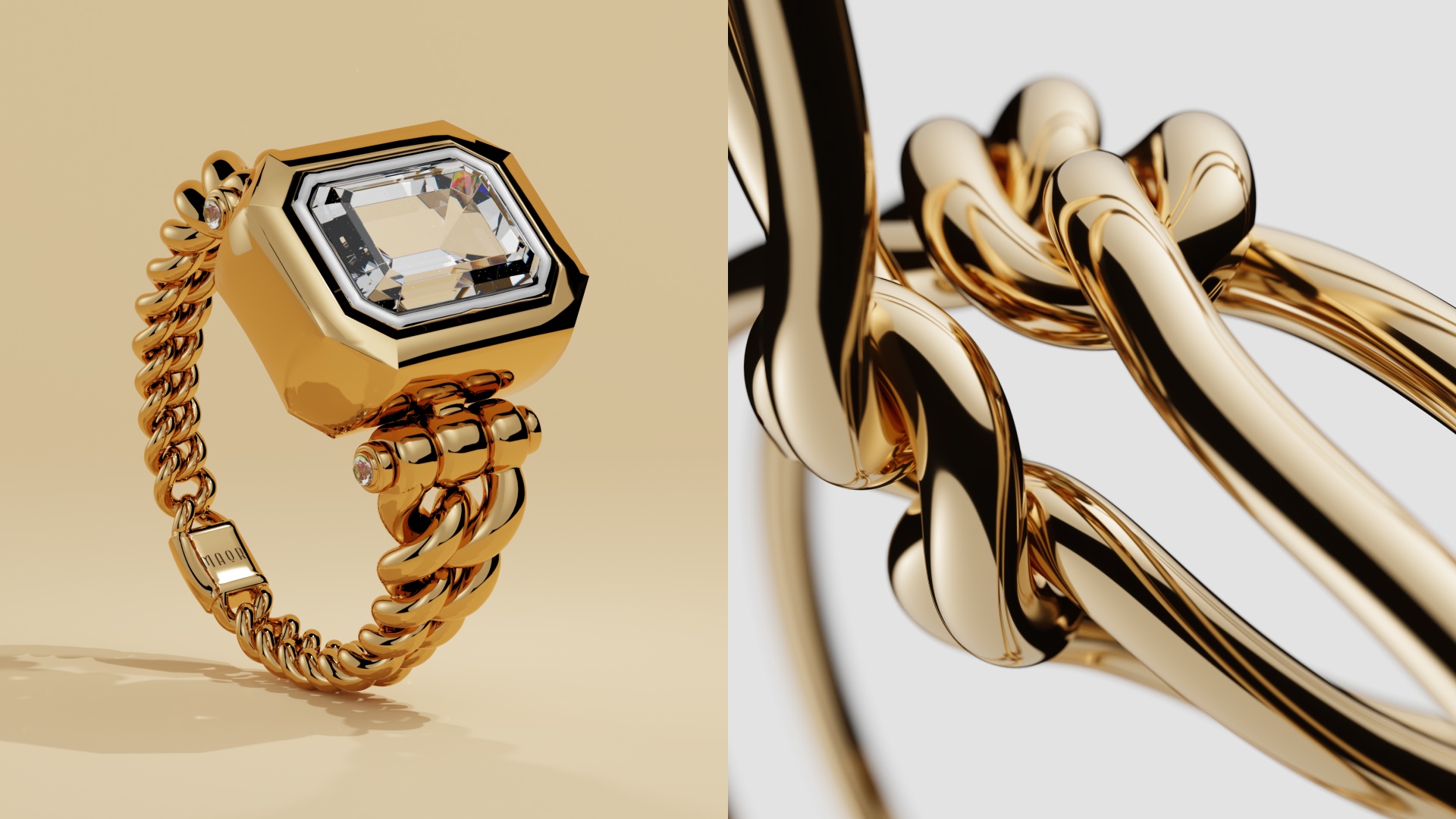
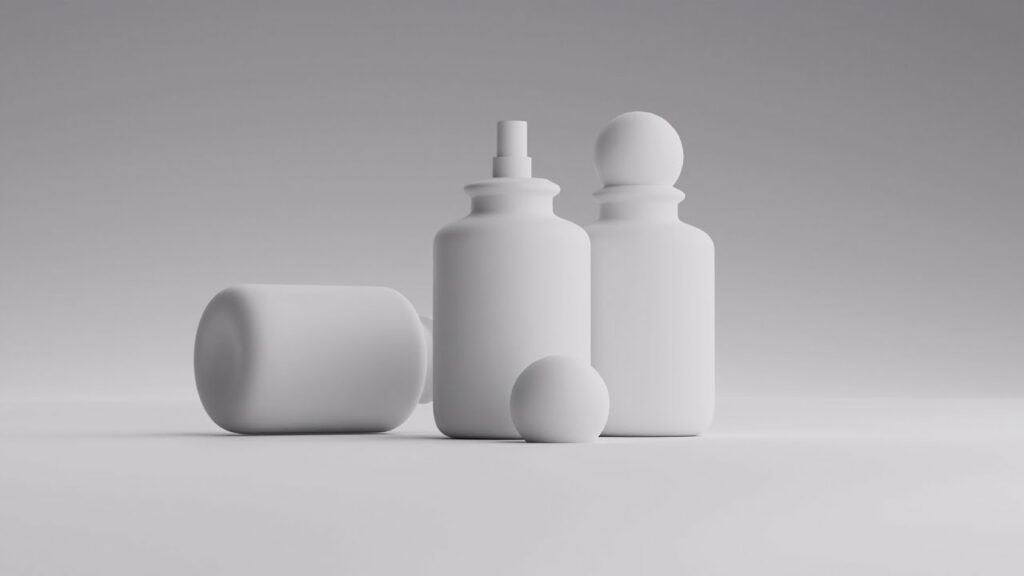
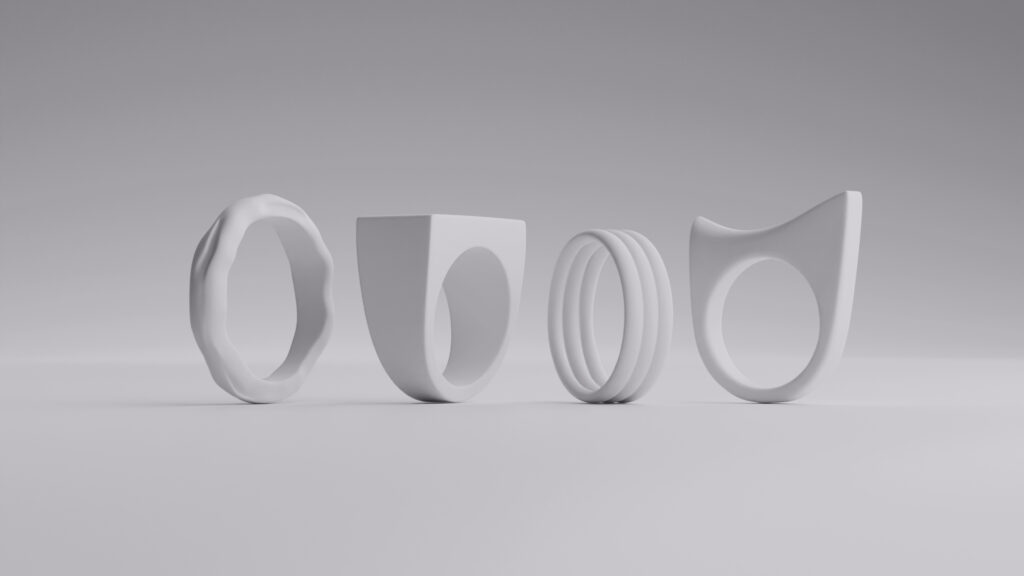
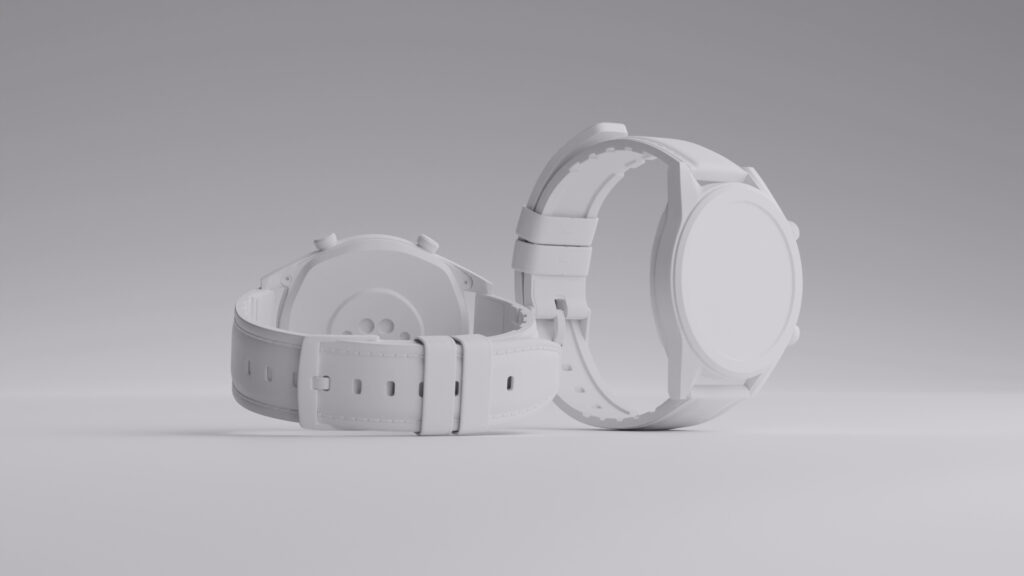
Minimalistic style
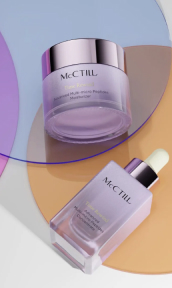
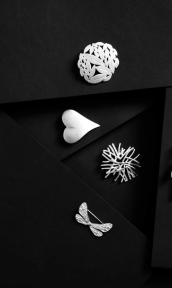
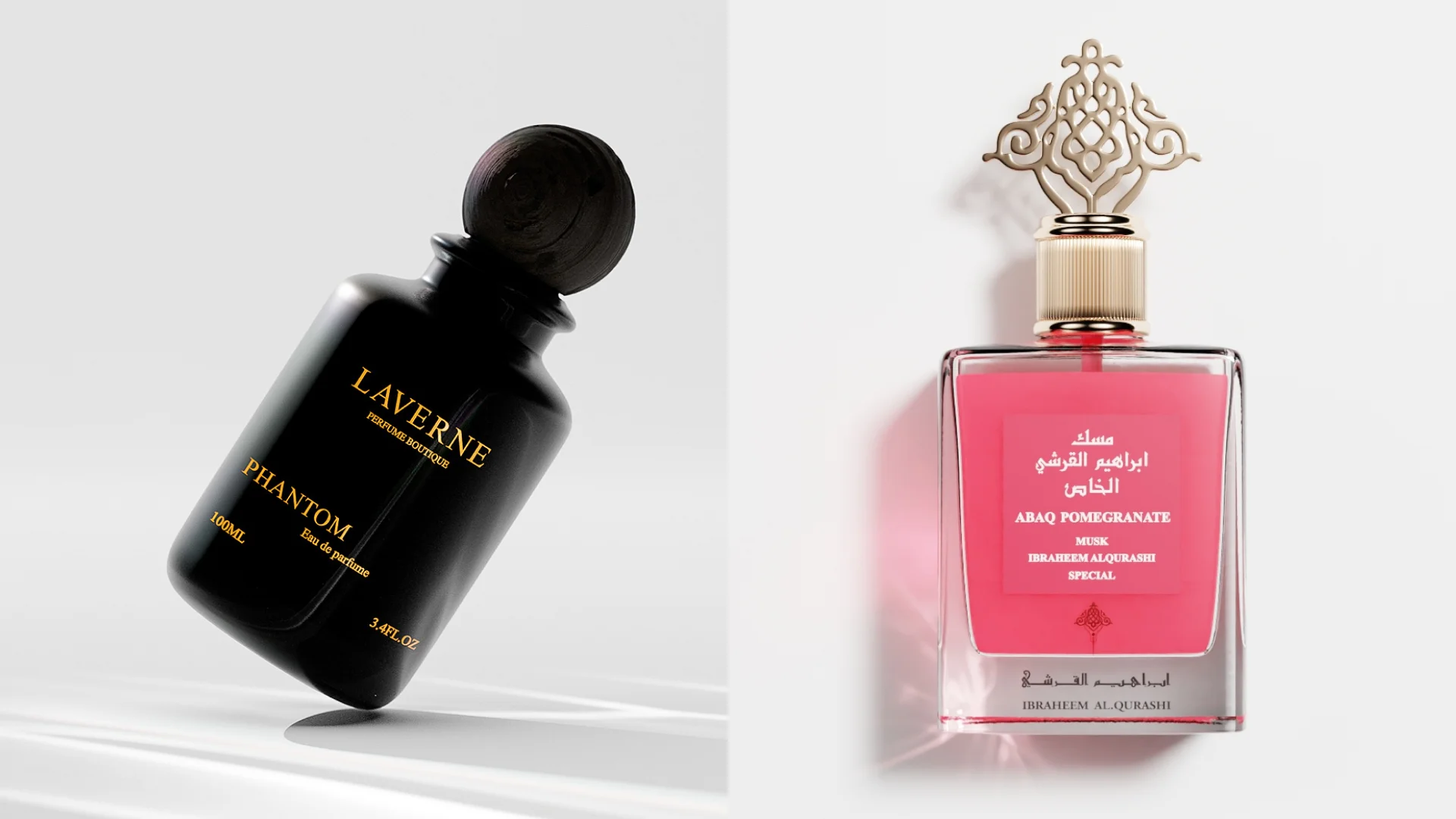
Minimalist product photography takes the clean aesthetic a step further by using simple backgrounds (not just white) and removing all distractions. This style uses intentional negative space, subtle shadows, and careful composition to create elegant, modern product images.
This approach works exceptionally well for:
- Luxury products
- Beauty and skincare items
- Modern tech gadgets
- Designer clothing and accessories
Minimalist ecommerce photography is all about letting the product’s design speak for itself without competing elements.
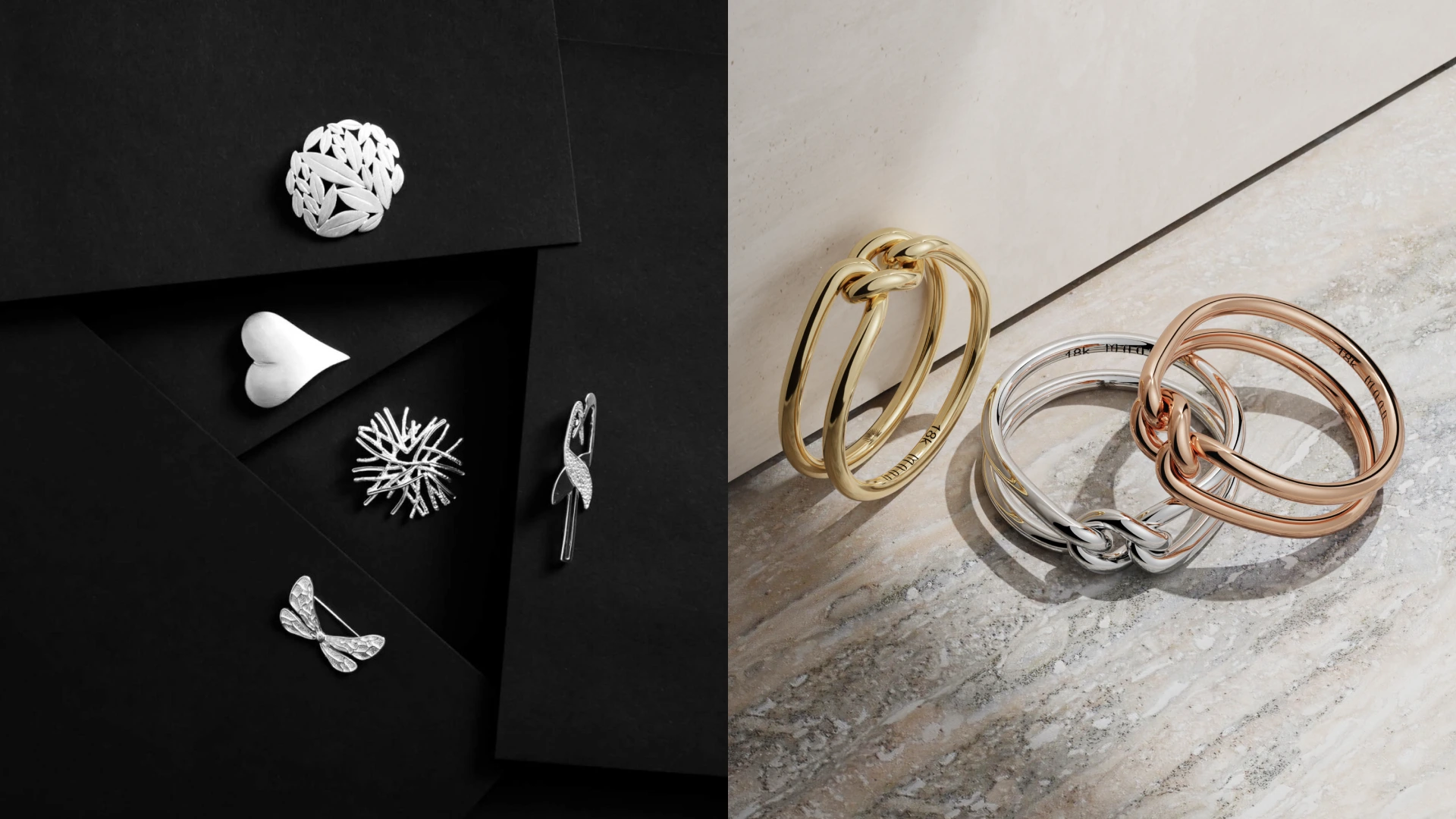
With props style
Adding carefully selected props to your product photos can provide context and help customers visualize how they might use your products. Well-chosen props can:
- Show scale and size
- Demonstrate functionality
- Create a lifestyle association
- Enhance your brand’s aesthetic
When using props for ecommerce product photoshoots, it’s important to ensure they complement rather than distract from the main product. The product should always remain the hero of the image.
On-model e-commerce photography
For clothing, jewelry, accessories, and wearable items, on-model photography is essential. Customers want to see how products look when worn.
Full model photography
Full model photography shows clothing or accessories on a person (typically from head to toe or at least from the shoulders down). This helps customers understand fit, length, drape, and overall appearance.
Successful on-model product photography for ecommerce requires:
- Models who represent your target customers
- Consistent posing across products for easy comparison
- Neutral expressions that don’t distract from the product
- Proper fit on all models
Hand modeling
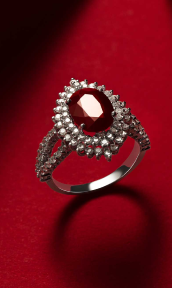
Hand modeling is particularly relevant for jewelry, watches, hand cream and nail products, and small electronics and accessories.
Hand modeling provides scale reference and shows how products are used or worn. When shooting jewelry or accessories, professional hand models ensure the focus stays on the product rather than any imperfections in the hands.
Lifestyle photography
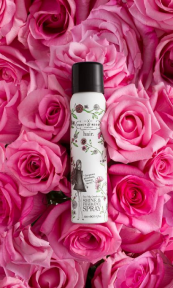
Think of lifestyle photos as giving your products their own Instagram-worthy moments! Instead of just showing a coffee mug, show someone enjoying their morning brew by a sunny window. You’re not just selling products—you’re selling the feeling that comes with them. It’s like dating profiles: you need the clear face shot (your white background product photo) plus that fun vacation pic (lifestyle image) that shows how amazing life is! Smart brands use both to create emotional connections that convert browsers into buyers.
CGI product photography
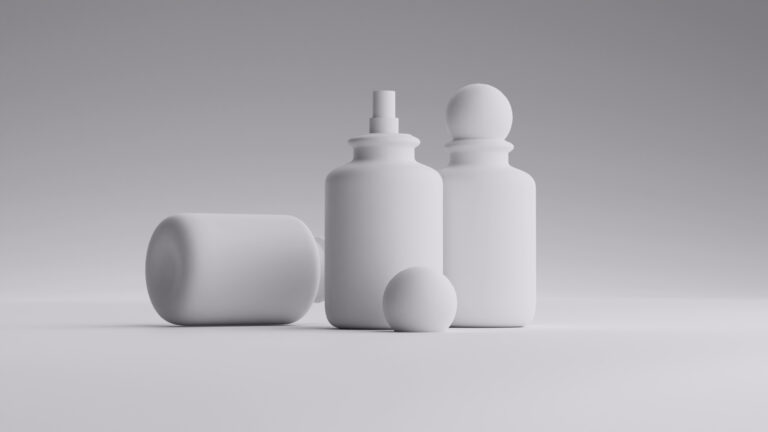
CGI has totally changed the game for e-commerce photography. Imagine creating perfect product images without scheduling photoshoots or setting up lights. You’ll save serious cash and time with CGI, especially for products with lots of color options.
Want to change your product’s color or put it in a beach scene? Just a few clicks and it’s done! The best part? You can create marketing materials for products that don’t even exist yet, giving you a huge head start on the competition. Complete creative control, lower costs, and faster turnaround—what’s not to love?
White background CGI photography
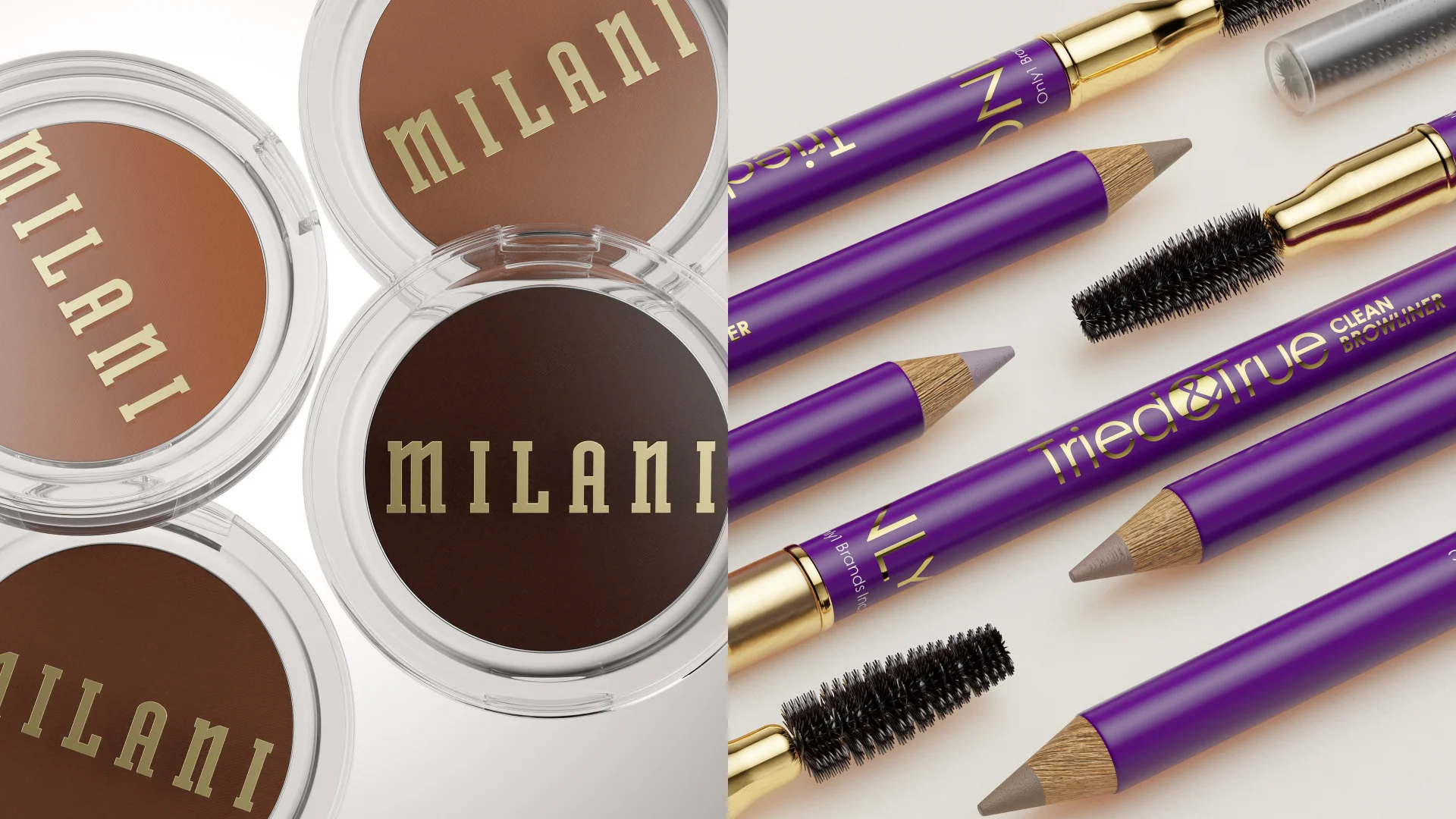
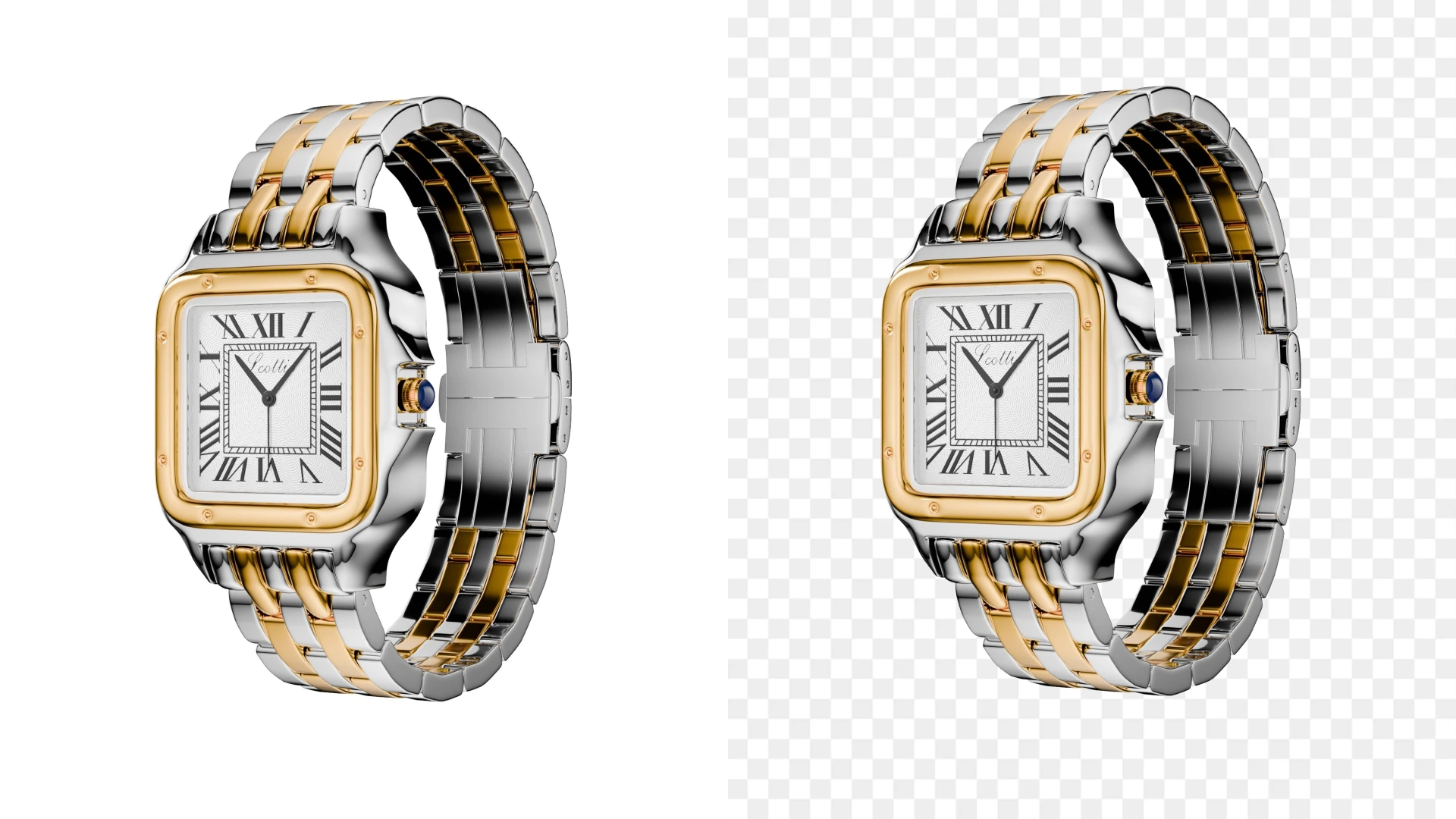
CGI can create flawless white background product images with perfect lighting, no shadows (unless desired), and pixel-perfect details. This is especially valuable for products with complex reflective surfaces like jewelry or electronics. You can also use it for products that don’t exist yet, allowing you to create pre-production marketing materials. CGI excels at creating consistent images across large catalogs and showing product variations (different colors, materials, etc.) without needing to photograph each one individually.
Minimalistic CGI Photography
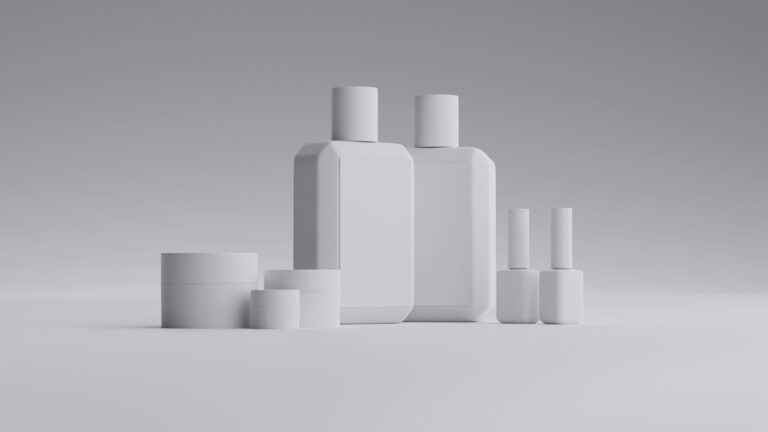
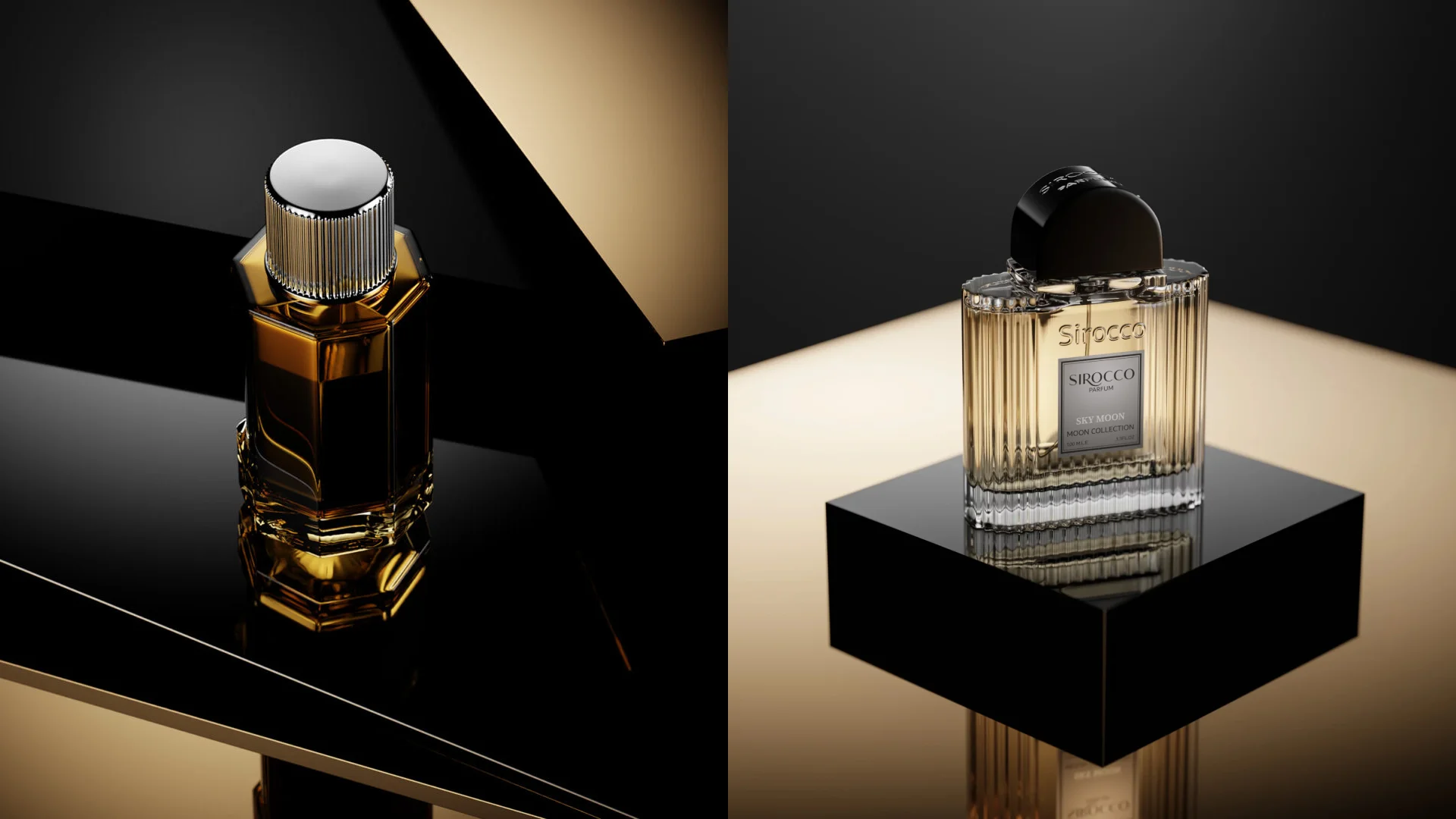
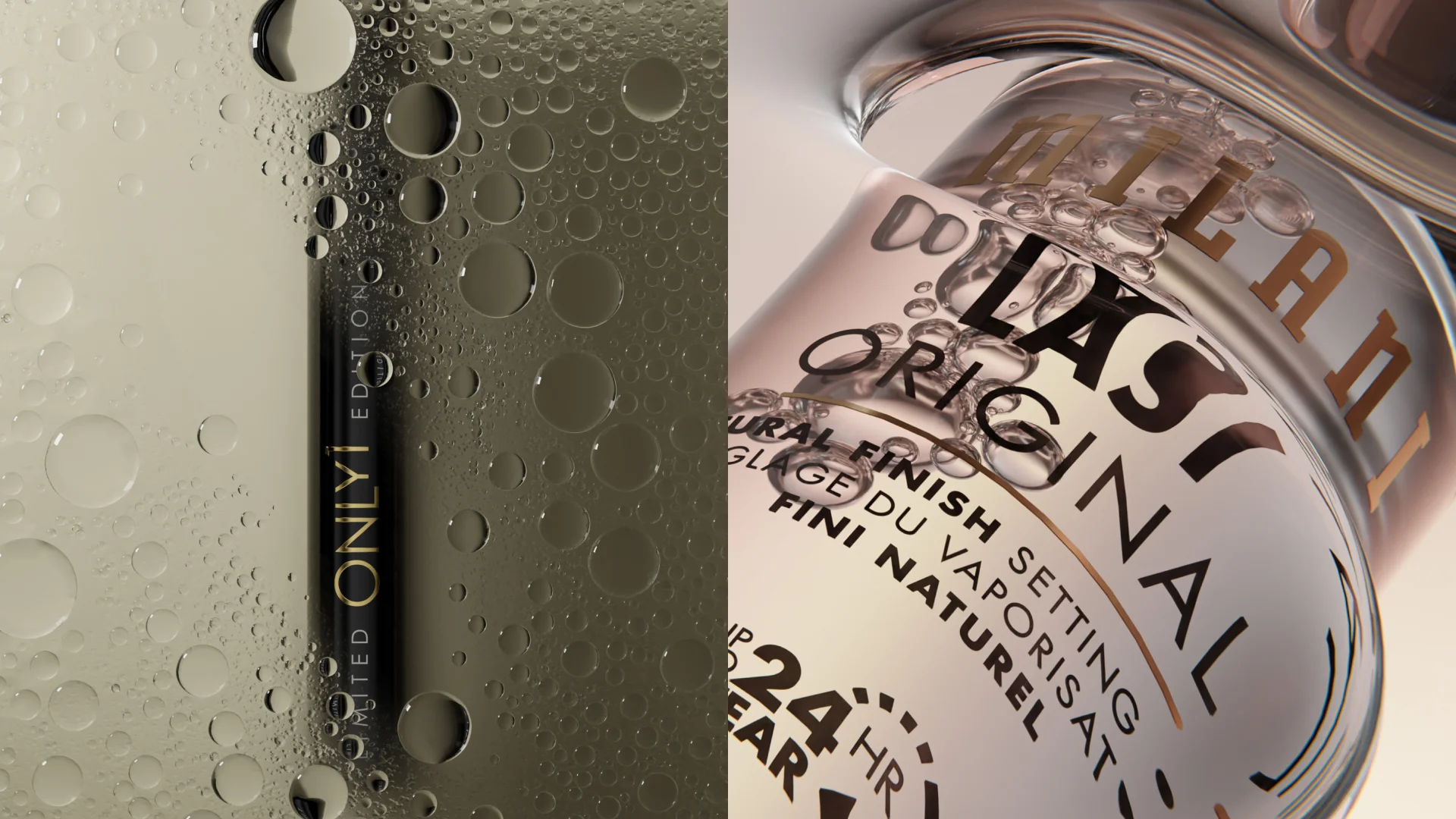
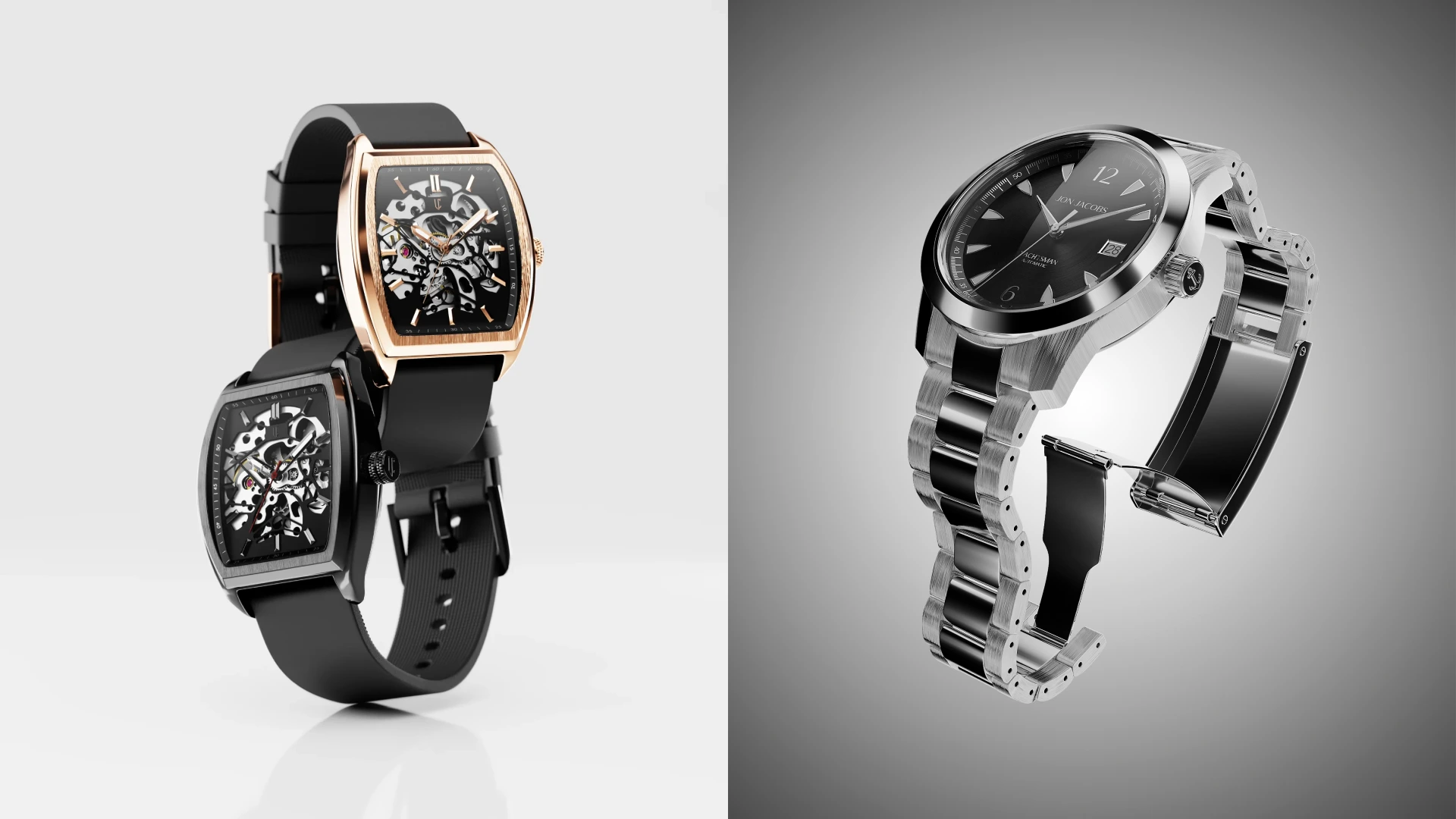
The controlled nature of CGI makes it perfect for creating minimalist product images with precise lighting, shadows, and composition. CGI artists can create any environment and control every aspect of the image.
CGI photography with props
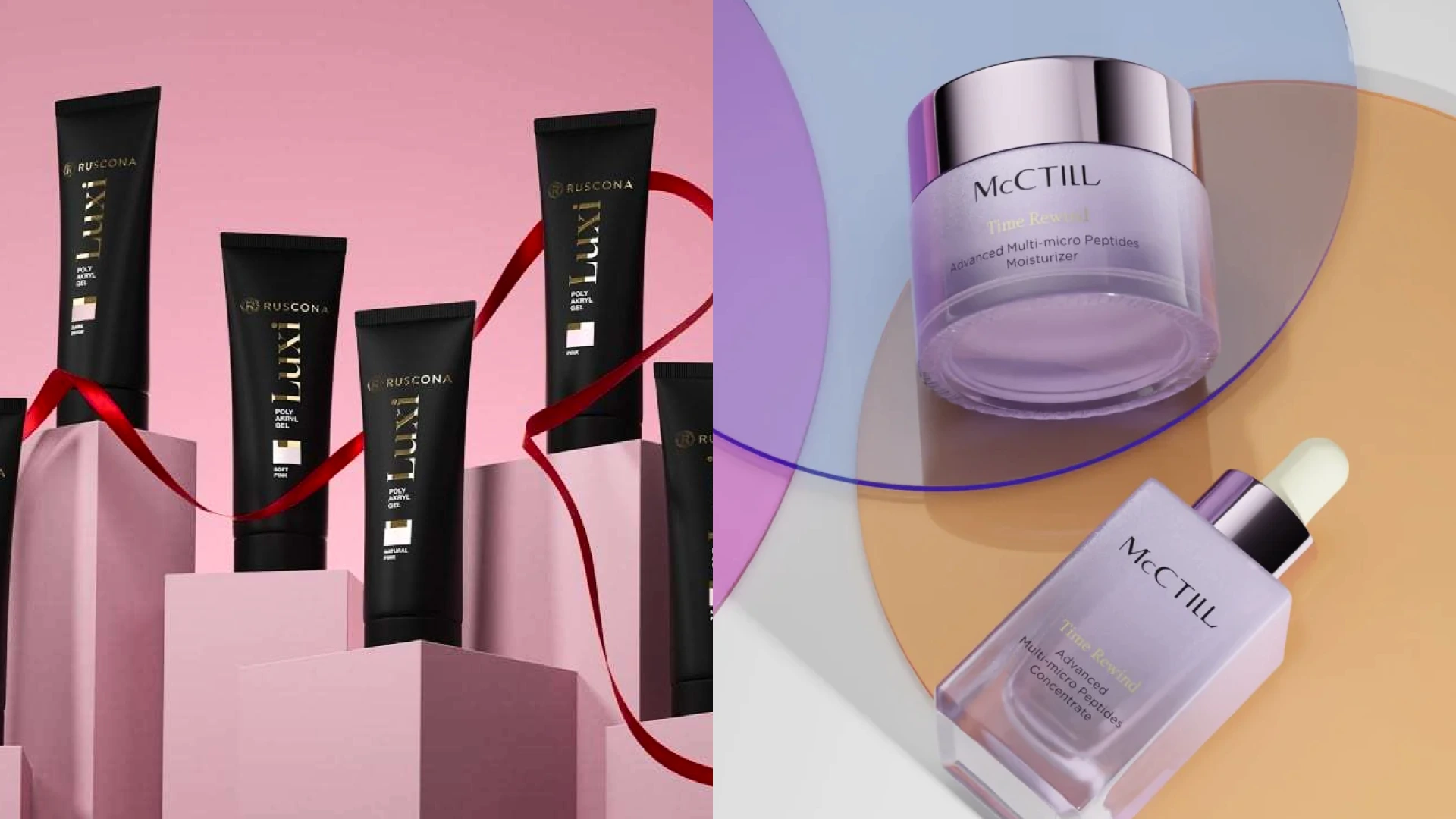
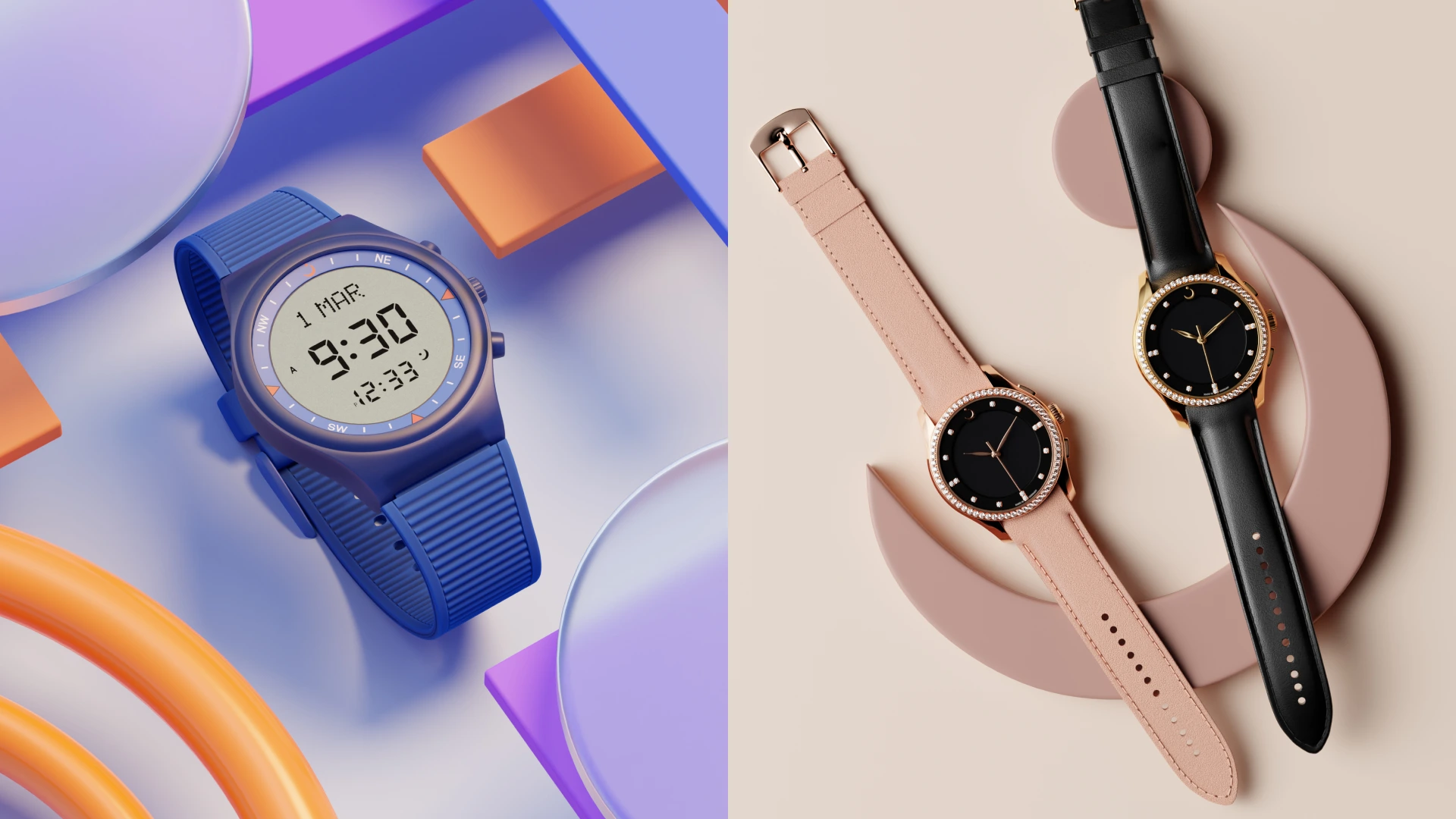
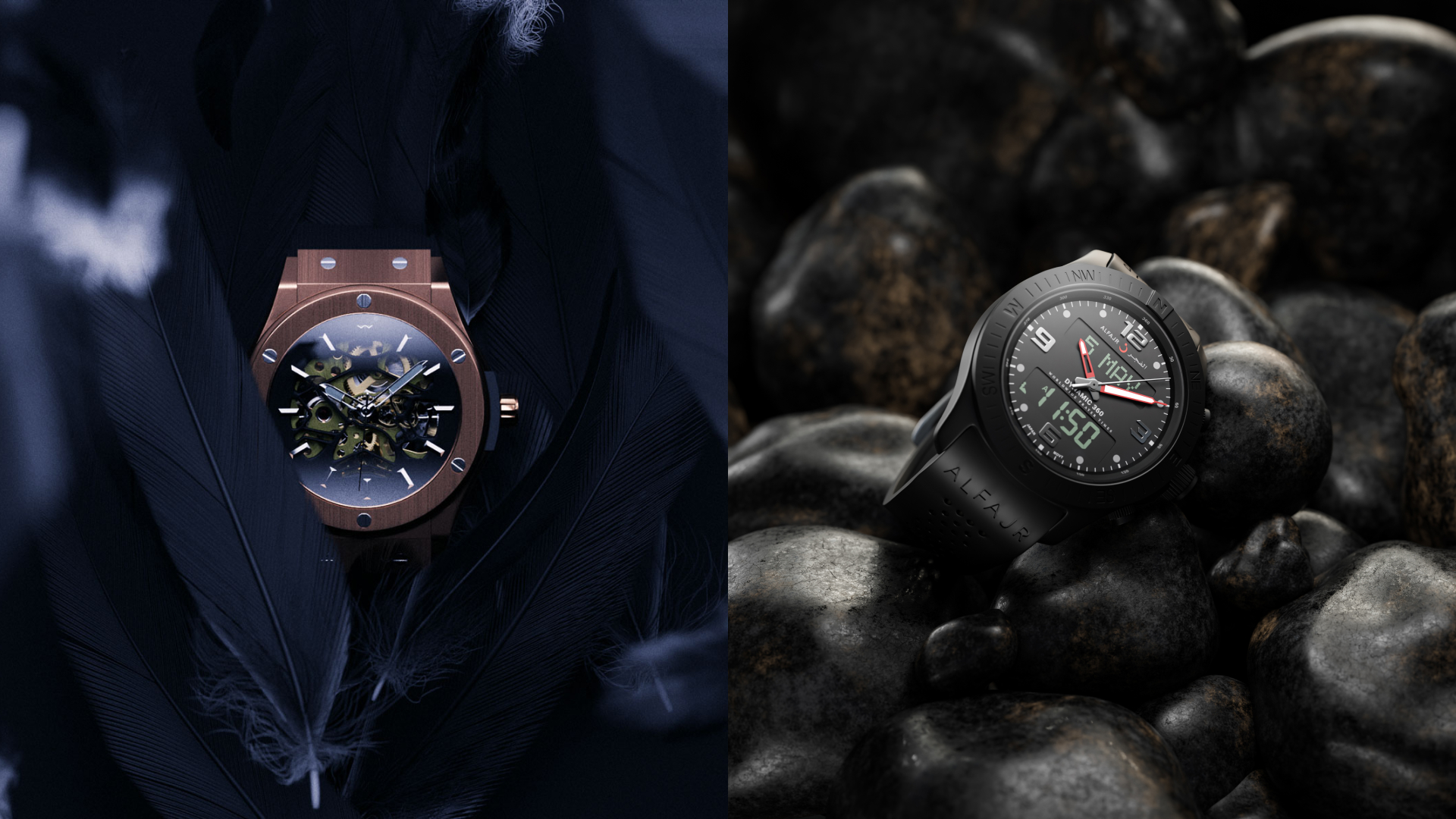
CGI allows for unlimited creativity with props and environments without the physical limitations of a photo studio. Virtual props can be added, removed, or modified instantly to create the perfect scene.
3D hand modeling in CGI photography
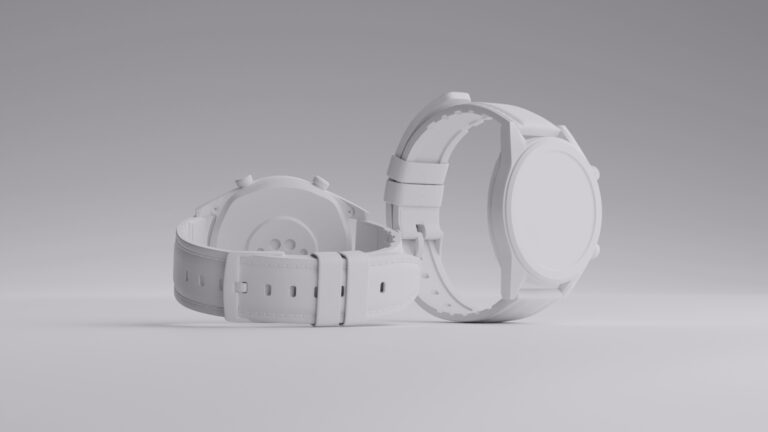
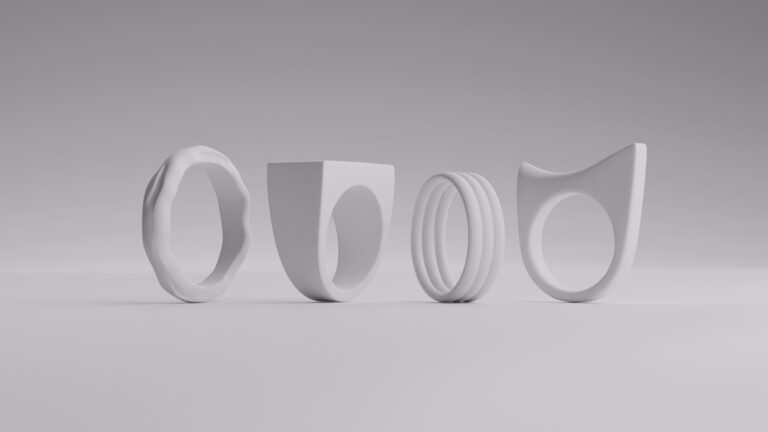
For products like jewelry and watches, CGI can create perfect hand models that showcase the products ideally. This eliminates the variability of human hand models and allows for consistent imagery across an entire product line.
Product video and 3D animation
Product videography
Video content for ecommerce continues to grow in importance. Product videos can:
- Show products in motion
- Demonstrate functionality
- Highlight details from multiple angles
- Increase time spent on product pages
- Boost conversion rates
Even simple 360° rotating product videos can significantly improve customer understanding and confidence.
3D product animation
3D animation takes product video further by allowing for:
- Exploded views showing internal components
- Cutaway views revealing features
- Demonstrations impossible to film in real life
- Perfect lighting and camera movements
For complex products, 3D animation can explain features and benefits more effectively than static images or even traditional video.
Preparing for e-commerce photography

Before you grab your camera or fire up your 3D software, it’s important to set the stage. Preparing for e-commerce photography means getting clear on your brand’s visual identity, organizing your products, planning your shots, and choosing the right equipment or software. It’s not just about snapping pretty pictures — it’s about creating a visual system that tells your brand’s story, meets platform requirements, and makes buying feel effortless. The more intentional your prep, the smoother the shoot (or render) — and the more professional your final images will look.
Traditional photography vs. CGI
When planning your ecommerce product photography strategy, one of the first decisions is whether to use traditional photography, CGI, or a combination of both.
Traditional product photography offers several advantages:
- Authenticity and realism
- Works well for organic products (food, textiles, etc.)
- Lower initial investment (for simple setups)
- Easier to capture unexpected details and textures
- Can be more accessible for small businesses
CGI product photography excels in these areas:
- Perfect consistency across large catalogs
- Unlimited angles and variations
- No physical products needed (great for pre-production)
- Easy modification for product updates
- Superior for highly reflective products
- Cost-effective for large catalogs long-term
Many brands use a hybrid approach, leveraging the strengths of both traditional and CGI photography for different products or purposes.
Once you’ve chosen your main approach, it’s time to tailor your photos to match your style, device format, and platform use. Let’s walk through how to do that.
E-commerce photography by style
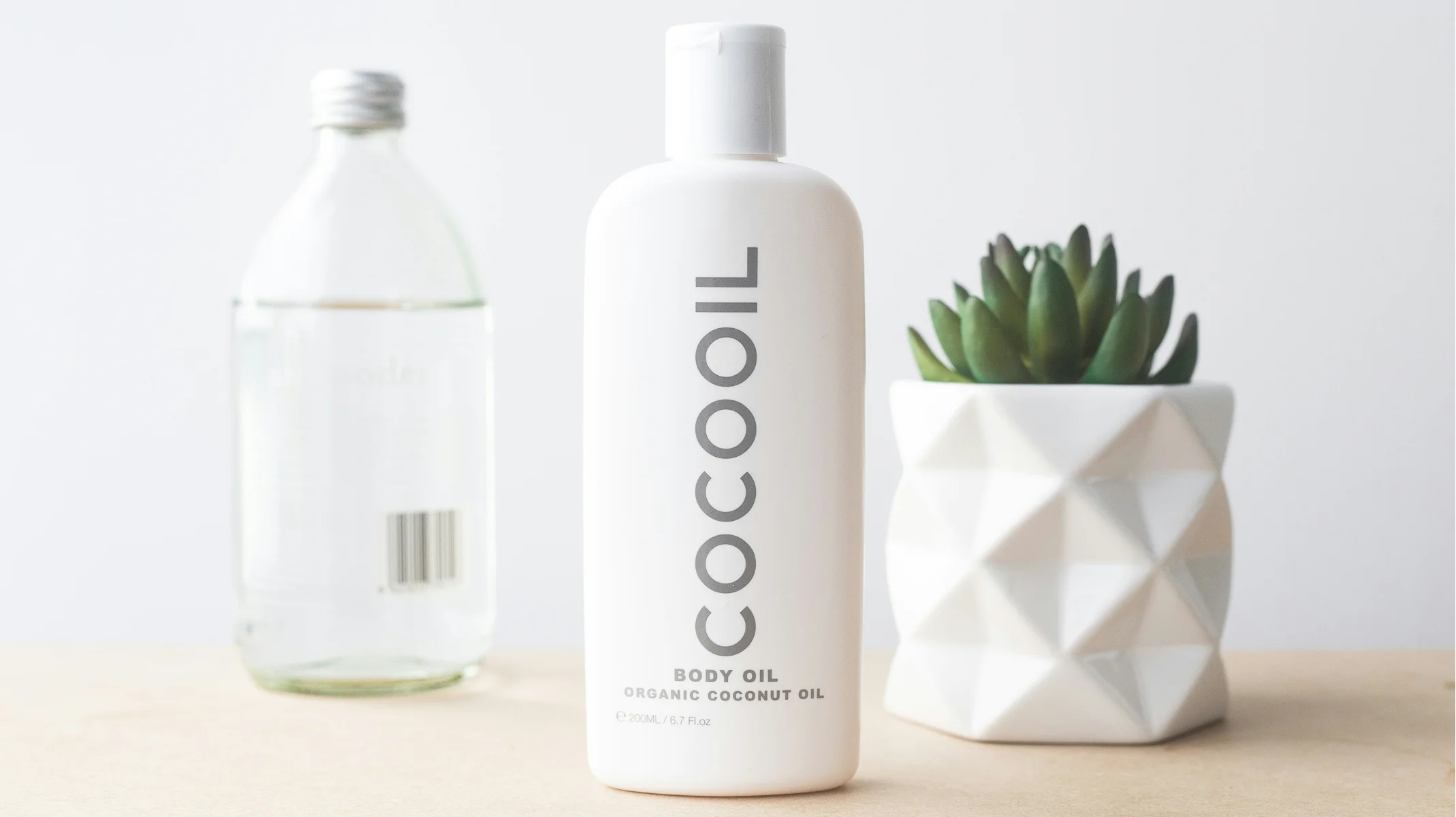
White background photography style
The classic white background remains the foundation of most ecommerce product photography. It’s clean, versatile, and meets marketplace requirements.
Individual shots
Individual product shots on white backgrounds form the core of your product catalog. These images should:
- Show the entire product clearly
- Be consistently lit
- Have the same perspective across similar products
- Include multiple angles (front, back, side, etc.)
Grouped shots
Grouped product shots showcase collections, sets, or variations together. This helps customers understand product relationships and encourages larger purchases.
360° Images
360° photography allows customers to rotate products and view them from any angle. This interactive approach:
- Reduces uncertainty about product features
- Decreases return rates
- Increases customer engagement
- Works well for complex products with important details on all sides
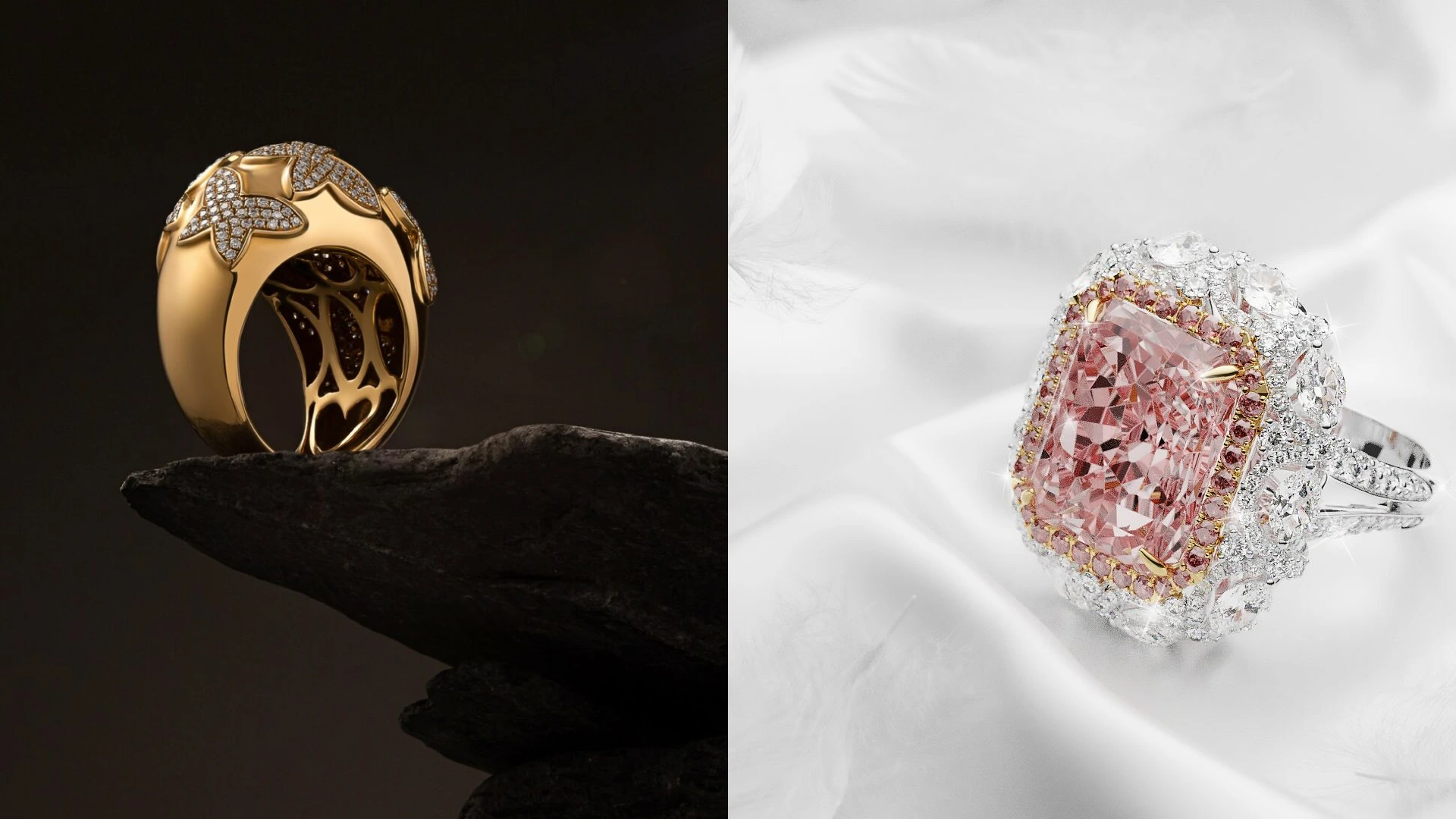
Creative/hero style
Hero images are attention-grabbing feature photos that showcase your products in their best light. These images are often used on homepage banners, category pages, and promotional materials.
Effective hero images for ecommerce create emotional impact while showcasing key product features. They should align with current design trends to keep your store looking fresh and modern. Most importantly, hero images reinforce your brand identity, creating a consistent visual experience that customers come to recognize and trust.
Minimalist style
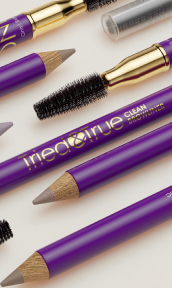
Minimalist product photography embraces simplicity with clean backgrounds and careful composition. This elegant approach puts all attention on your product’s design and key features without distractions. Minimalist photography uses intentional negative space and subtle shadows to create sophisticated images that appeal particularly to luxury and design-conscious audiences.
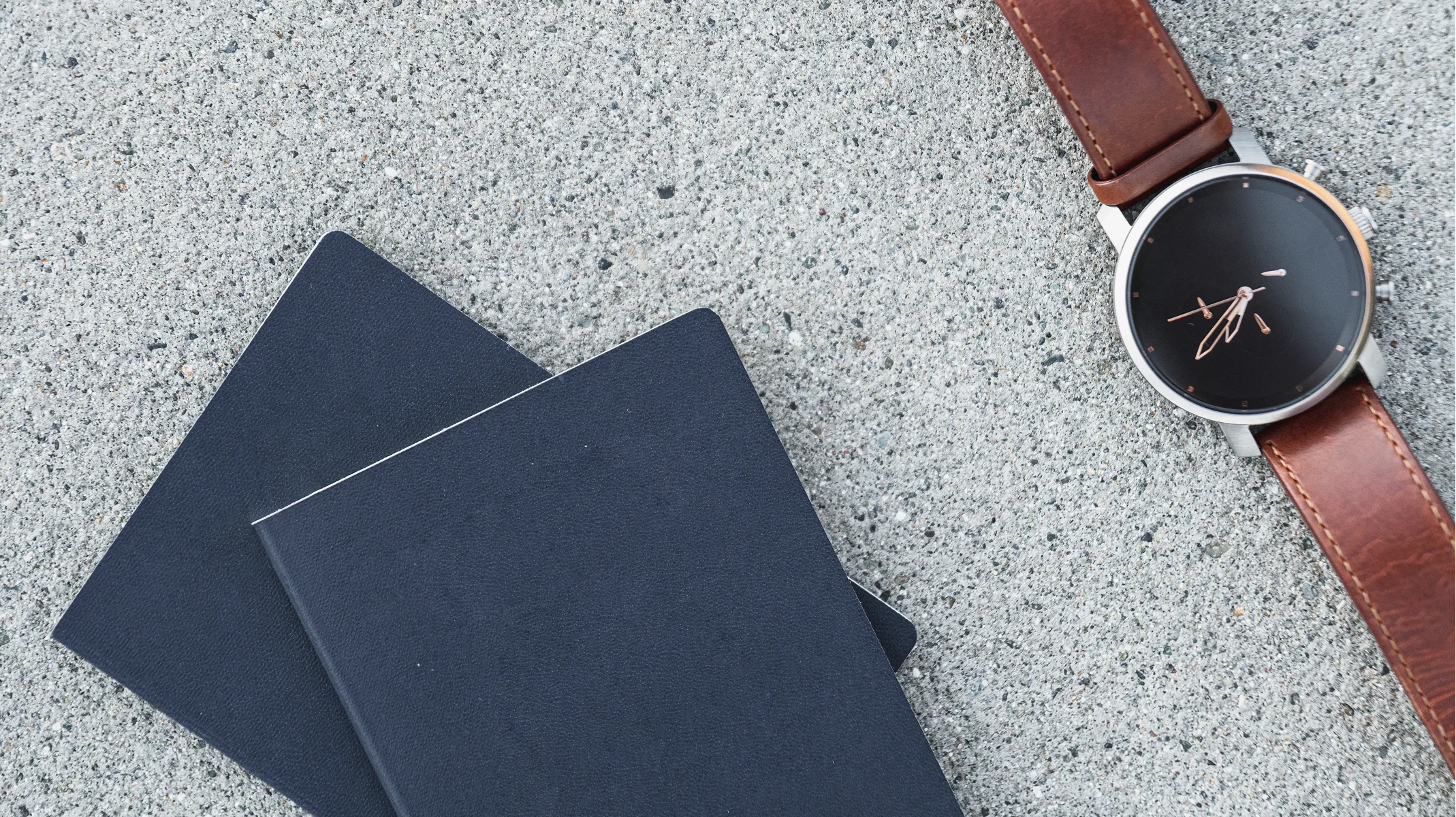
With simple props
Minimalist photography with simple props creates elegant, focused product images while providing helpful context. The key is selecting just one or two props that enhance the product without competing for attention. These carefully chosen elements can demonstrate scale, suggest use cases, or create a mood that complements your product perfectly.
With more complex props
Even when using multiple props, minimalist principles can create clean, impactful images by maintaining purposeful composition and color harmony. This approach works well for showing product collections or creating lifestyle scenes that tell a story. The secret is ensuring every prop serves a specific purpose and contributes to a cohesive visual narrative about your product.
E-commerce photography by device
As you plan your product photos, it’s crucial to think about how they’ll appear on different devices. Each screen format has unique strengths that you’ll want to leverage for maximum impact.
Horizontal/16:9 ratio
Horizontal images shine in several key areas of your e-commerce presence. They’re perfect for desktop website headers where you have plenty of horizontal space to work with. You’ll also want to use this format for category banners that span the width of your pages and email marketing hero images that need to capture attention immediately. Many marketplace platforms also use horizontal cover images, so having high-quality 16:9 photos ready is essential. This wider format gives you room to show products in broader contexts and environments, telling more of a story in a single image.
Vertical/9:16 ratio
Mobile shopping has changed everything, making vertical images a must-have in your photo arsenal! These tall photos are perfect for smartphone scrollers and absolutely shine in Instagram Stories and Facebook feeds. Got a Pinterest marketing strategy? Vertical pins get way more engagement than square or horizontal ones. Plus, your customers expect to swipe through full-screen vertical product galleries when shopping on their phones. As mobile shopping continues to dominate, these portrait-oriented shots aren’t just nice to have—they’re essential for staying competitive!
Square/1:1 ratio
Square photos are your e-commerce Swiss Army knife. They’re perfect for Instagram and Facebook feeds where they create that pro-looking grid your customers love to scroll through. Amazon and eBay thumbnails typically use this format too, so your main product shots should be square-ready. Plus, if your website displays products in a grid (and most do!), square images create that clean, polished look that builds trust. The 1:1 ratio just works everywhere – it’s the ultimate “set it and forget it” format for busy sellers.

E-commerce photography by usage
Different marketing channels have their own unique requirements for product photography. Understanding these differences helps you create images that perform well across all your selling platforms.
For websites and online stores
Your website is your digital storefront, and great photos are your display windows! Make sure your website photography hits these key marks:
- Consistency is key – Keep your style uniform across your entire catalog
- Speed matters – Optimize file sizes (aim for <200KB) so pages load quickly
- Show every angle – Include multiple views to answer questions visually
- Make it zoomable – High resolution lets customers examine details
- Mobile-friendly – Most shoppers browse on phones, so test how your images look there
Remember, your product photos work 24/7 selling for you, even when you’re asleep! Give them the attention they deserve.
For social media
Social media requires a different approach to product photography than your main store. You’ll need attention-grabbing visuals that stop users from scrolling past your content. Each platform has specific formats and dimensions to follow for optimal display.
On social channels, lifestyle and contextual imagery typically performs better than plain product shots, showing your items in real-world settings. Focus on creating shareable, aspirational content that followers will want to save or send to friends.
Don’t forget to infuse your brand personality into these images – social media is where your brand voice can really shine. Generally, social media ecommerce photography takes a more creative, lifestyle-focused approach than the standardized catalog images you’d use on your main store.
For print
Print isn’t dead! Many successful e-commerce brands still need fantastic photos for physical materials:
- Product catalogs – High-res images for customers who prefer browsing on paper
- Packaging photos – What customers see first when that exciting package arrives
- Press kits – Ready-to-use images make journalists’ lives easier (and get you featured)
- Trade show materials – Banners, brochures, and displays that pop in person
Remember the tech details: shoot at 300 DPI minimum and convert to CMYK color space (not RGB). Your printer will thank you, and your products will look as amazing in print as they do online!
E-commerce photography for different platforms
Each online selling platform has its own unique requirements and audience expectations. Let’s look at how to tailor your ecommerce photography approach for maximum success on each major marketplace.
Amazon product photography
Amazon is super strict about their image requirements, and for good reason – they want to create a consistent shopping experience. If you want your listings to perform well, you’ll need to follow these guidelines exactly:
- Main images must have a pure white background (RGB 255, 255, 255) with absolutely no exceptions
- Your products need to fill at least 85% of the image frame to stand out in search results
- No props, text, graphics, or borders allowed in main images (save these for secondary images)
- All photos require a minimum of 1000px on the longest side to enable Amazon’s zoom feature
- File formats are limited to JPEG, PNG, TIFF, or GIF
- No watermarks, URLs, or seller names can appear in any images
Beyond your main image, Amazon does let you get more creative with additional photos. These secondary images are your chance to show your product in use, include props for context, or highlight specific features from different angles. Think of your main image as meeting Amazon’s requirements and your additional images as selling the benefits to customers.
Following these guidelines isn’t just about avoiding rejection – it’s about making sure your products get the visibility they deserve in Amazon’s competitive marketplace.
Etsy product photography
Etsy is all about unique, handcrafted items with personality. Your Etsy product photography should thus showcase the handmade quality and special details that make your items unique. Include something for scale so shoppers understand the size (this is especially important for handmade items that might not have standard dimensions).
When relevant, consider showing part of your making process – Etsy shoppers love seeing the craftsmanship behind their purchases. Make sure to highlight any custom options or variations you offer, and aim for a cohesive aesthetic across your entire shop to create a memorable brand experience.
Unlike Amazon’s rigid requirements, Etsy gives you much more creative freedom with backgrounds and styling, though clean, well-lit images still tend to perform best with shoppers.
Shopify store photography
When you run your own Shopify store, you’re the boss of your product photography style! That said, the most successful stores typically maintain consistent image dimensions and styling across their catalog to create a professional shopping experience.
You’ll want to use high-quality, zoomable product images that let customers examine details closely before purchasing. Including multiple angles and detail shots helps answer customer questions before they even need to ask. Remember to optimize your images for fast loading – big, beautiful photos are great, but not if they slow down your site and drive customers away.
The beauty of Shopify is that it gives you complete flexibility to create cohesive visual branding that expresses your unique identity, helping you stand out from cookie-cutter marketplaces.
eBay product photography
eBay has a unique challenge: customers are often comparing similar products from multiple sellers, so honesty and detail are key. Your eBay product photography needs to clearly show the exact condition of items, especially for used or vintage merchandise.
Include multiple detailed images that leave nothing to the imagination, and document any flaws or imperfections honestly (this actually builds trust and reduces returns!). While eBay doesn’t require white backgrounds like Amazon, clean backgrounds still help your items stand out in search results. Always include something for scale when size might be unclear to buyers.
Trust is super important on eBay, and transparent, detailed product photography is one of the best ways to build a reputation as a reliable seller that customers return to again and again.
Instagram shop photography
Instagram shopping is where social media and e-commerce meet, and your photography needs to excel in both worlds. Your product images need to work in square format for the main feed, while still looking great when customers click through to shop.
Focus on lifestyle imagery that seamlessly fits your overall Instagram aesthetic – jarring differences between your regular content and shop items will confuse followers. Create product photos that work beautifully both with and without shopping tags, since they’ll appear in multiple contexts.
Maintaining a consistent visual style across all your content builds brand recognition that makes your products instantly identifiable. The most successful Instagram shops create content that encourages sharing and saving, extending your reach beyond your current followers. Instagram essentially blurs the line between social content and product catalog, so your images need to be scroll-stopping beautiful while still clearly showcasing what you’re selling.
The best equipment for e-commerce photography

Traditional photography
Best cameras
While professional DSLRs and mirrorless cameras produce exceptional results, even smartphone cameras can create high-quality ecommerce product photography with proper lighting and technique.
For professional results, consider full-frame cameras that offer maximum detail and excellent low-light performance. Look for models with at least 24MP resolution to capture ample detail for zoom features on your website. Cameras with good color accuracy and white balance options will help ensure your products look true to life. Many professional product photographers also value tethered shooting capabilities, which allow for immediate review on a larger screen during the shoot.
Best lenses
For most product photography, a few key lens types will serve you well. Prime lenses in the 50-100mm range provide distortion-free product shots with beautiful clarity. If you sell small items like jewelry or detailed crafts, a macro lens is essential for capturing those tiny details that can help sell your products. For more versatility in various shooting situations, a 24-70mm zoom lens offers a good range of focal lengths in a single package. Generally, it’s best to avoid wide-angle lenses (below 35mm) for product photography as they can distort proportions and make your products look unnatural.
Best tripods
A sturdy tripod is essential for consistent, sharp product images:
- Heavy-duty tripods for stability
- Horizontal center columns for overhead shots
- Gear-driven heads for precise adjustments
- Quick-release plates for efficiency
Studio lighting
Proper lighting makes or breaks ecommerce product photography:
- Continuous LED lighting for predictable results
- Diffusers and softboxes for soft, even lighting
- Reflectors for filling shadows
- Light tents for small product photography
- Multiple light setups for eliminating shadows on white backgrounds
Natural lighting
Natural light can create beautiful product photos when properly controlled:
- North-facing windows for consistent, indirect light
- Diffusers to soften harsh sunlight
- Reflectors to fill shadows
- Consistent time of day for shooting
- White foam boards for bounce lighting
CGI Photography
Reference Images
Quality reference images are the foundation of good CGI product photography:
- Multiple angles of the physical product
- Detail shots of textures and materials
- Lighting reference shots
- Scale reference images
- Color-accurate photography with color charts
Software
Industry-standard CGI software includes:
- Blender (free and increasingly powerful)
- Cinema 4D (popular for product visualization)
- 3ds Max (industry standard with robust features)
- KeyShot (specialized in product rendering)
- Adobe Dimension (accessible for beginners)
Hardware
CGI rendering requires powerful hardware:
- High-end graphics cards (NVIDIA RTX series)
- Plenty of RAM (32GB minimum, 64GB+ recommended)
- Fast multi-core processors
- SSD storage for quick file access
- Calibrated displays for color accuracy
Hiring professional e-commerce photographers
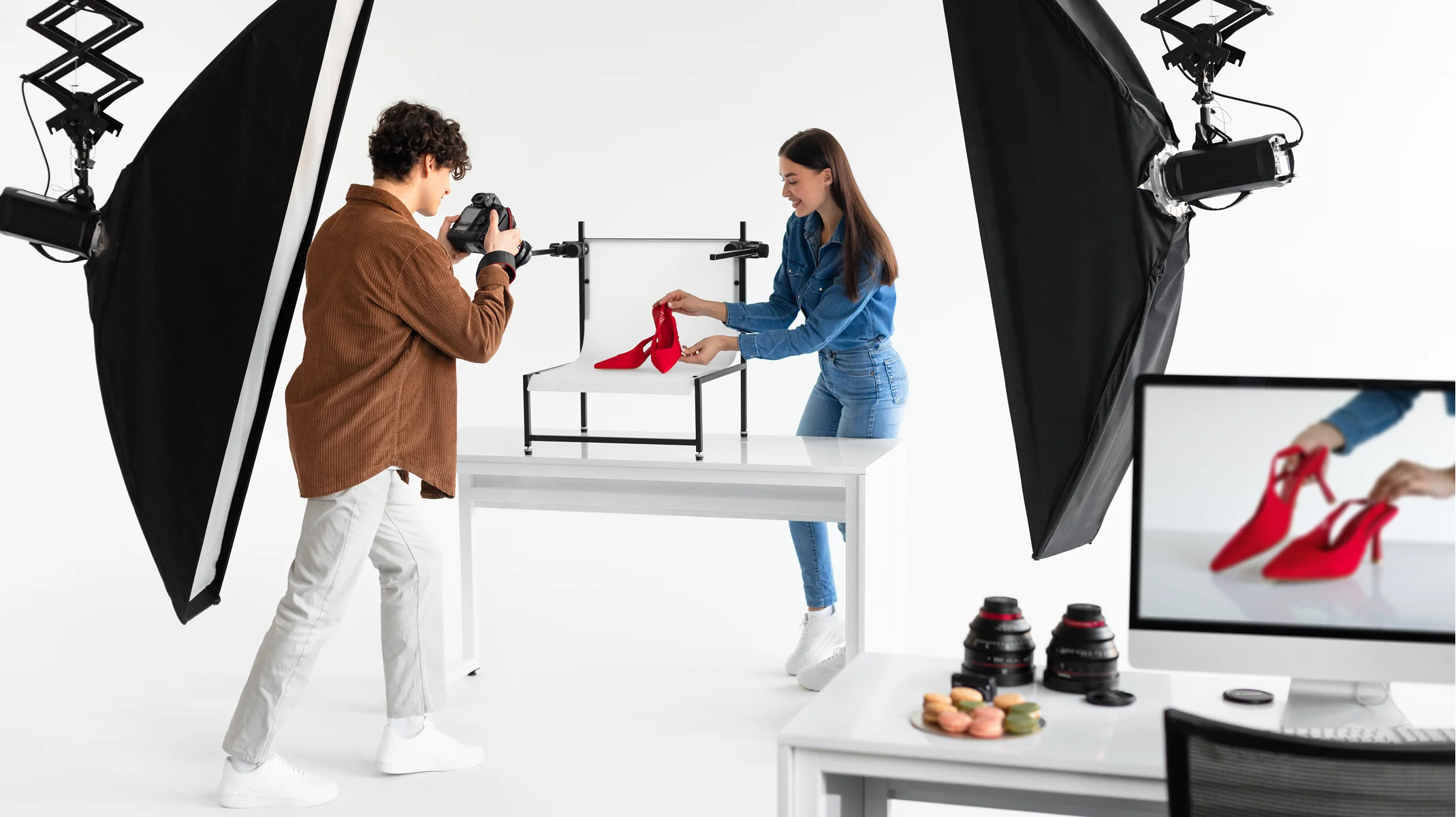
When it’s time to call in the pros, do your homework first! Check portfolios specifically for product work in your category – a great fashion photographer might not be your best bet for jewelry shots. Make sure they offer both photography and retouching services as a package, and always confirm they understand the requirements for marketplaces where you sell (Amazon’s rules are particularly strict!).
If you’re curious about CGI options, ask if they offer that too – it can be more affordable for large catalogs or items with many variations. Speaking of budget, expect to pay anywhere from $20-500 per image depending on complexity, with most studios offering package deals for multiple products or angles. A quick video chat with potential photographers can tell you volumes about whether they understand your vision and products.
E-commerce photography by location
The location where you shoot or who you hire can affect both style and pricing. Major metropolitan areas typically offer more options but at higher prices.
US-Based Photography Studios
- Los Angeles, California: Known for trend-setting lifestyle photography with contemporary aesthetics
- New York, NY: Fashion-forward product photography with editorial influences
- Austin, Texas: Creative approaches with authentic, artisanal styling
- Seattle, Washington: Tech-focused product photography with clean, modern aesthetics
- Chicago, Illinois: Commercial product photography with midwestern practicality
- Dallas, Texas: Polished, high-end product photography with southern influences
- Miami, Florida: Vibrant, colorful approaches with tropical and luxury aesthetics
International studios
- London, England: Sophisticated, trend-setting product photography with European sensibilities
- Dubai, UAE: Luxury-focused product photography with opulent styling
- Riyadh, SA: Emerging market for product photography with unique cultural influences
Advanced ecommerce photography techniques
Focus Stacking
For products with important details at different distances, focus stacking combines multiple images at different focus points for all-over sharpness.
Compositing
Compositing combines elements from multiple images to create the perfect final product photo, especially useful for complex scenes.
Color management
Proper color management ensures your products appear online exactly as they are in reality, reducing returns and customer disappointment.
Automated photography
For large catalogs, automated photography systems can create consistent product images at scale, though with less creative control.
Optimizing e-commerce photography for conversion
Creating desire through imagery
Great product photography doesn’t just show your stuff – it makes people want your stuff.
Think of your photos as silent salespeople who never take breaks. The best ecommerce photography shows off benefits instead of just features: don’t just show a blender, show the amazing smoothie it creates. When you place your products in real-life settings that your customers aspire to (like that perfect kitchen or dreamy vacation spot), you’re basically saying “this could be your life!” without saying a word.
Photos create emotional connections that even the most poetic product descriptions can’t match. And here’s a bonus: smart product photography answers your customers’ questions before they even type them in your chat box. When a customer can zoom in on fabric texture or see how big that watch looks on an actual wrist, you’re removing purchase barriers without saying a thing.
Building trust with consistent imagery
Want customers to trust your brand from day one? Consistency is your secret weapon! Think of your product photos like members of the same family: they should look related even if they’re not identical twins.
When your lighting, angles, and style match across your entire catalog, customers can easily compare products without getting distracted by photo differences. Ever bought something online only to discover it’s way smaller than it looked in the photo? That’s why consistent scale representation is so important.
A cohesive editing style also tells customers you’re detail-oriented and professional. And make sure your colors are accurate. Nothing erodes trust faster than a “navy blue” shirt that arrives looking purple. When customers know exactly what to expect, they’ll come back for more. And fewer returns, of course, mean better conversion rates.
Wrapping up


Great ecommerce product photography is an investment that pays dividends in higher conversion rates, lower return rates, and stronger brand perception. Whether you’re shooting DIY product photos or hiring professionals, understanding the principles of effective ecommerce photography will help you create images that sell.
Remember that your product photos are often the first – and sometimes only – chance to make an impression on potential customers. In the competitive world of online retail, professional-quality product photography isn’t just nice to have – it’s essential for success.
FAQ
What equipment do I need to start e-commerce photography?
For beginners, you need a camera (even a recent smartphone can work), a tripod, white backdrop paper, and good lighting (either natural window light or affordable LED panels). As you advance, consider investing in a DSLR or mirrorless camera, proper studio lights, and editing software.
How many photos should I include for each product?
At minimum, include 3-5 images per product: main product shot, alternate angle, detail shot, scale reference, and lifestyle/in-use image. For complex or expensive products, aim for 8-12 images showing every feature and angle.
What’s the difference between product photography for Amazon versus my own website?
Amazon requires strict adherence to their guidelines: pure white backgrounds for main images, no props or models in main images, and specific image dimensions. On your own website, you have complete creative freedom but should still maintain professional quality and consistency.
Is CGI product photography worth the investment for small businesses?
For most small businesses, traditional photography is more cost-effective initially. Consider CGI if you have products with many variations (different colors/styles), highly reflective items that are difficult to photograph conventionally, or pre-production items that don’t physically exist yet.
How can I make my product photos look professional on a budget?
Focus on three essentials: clean, wrinkle-free backgrounds (white poster board works well), even lighting (natural window light with reflectors), and stability (use a tripod). Post-processing is also crucial—learn basic editing skills to clean up backgrounds and adjust brightness/contrast for professional results.