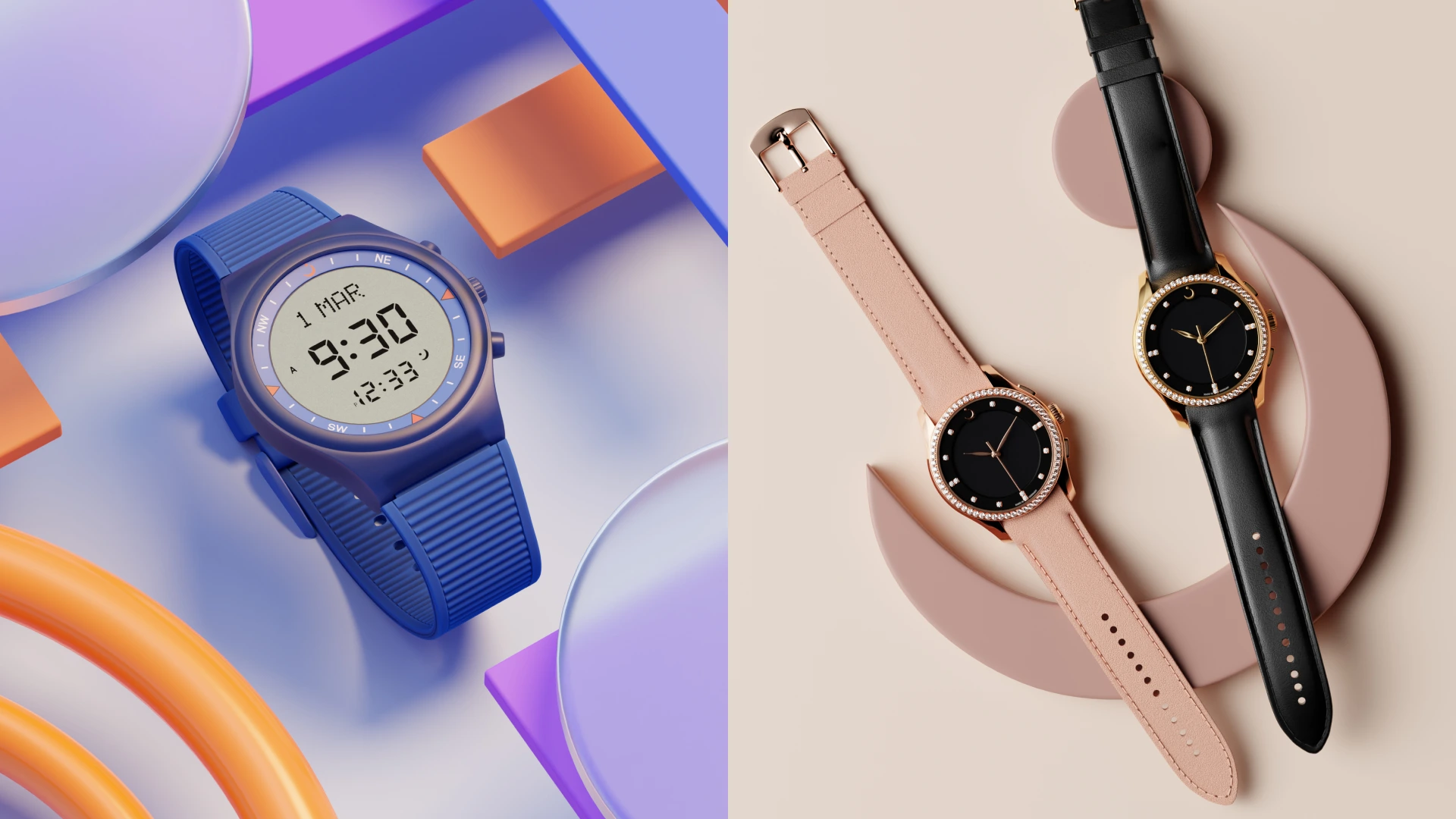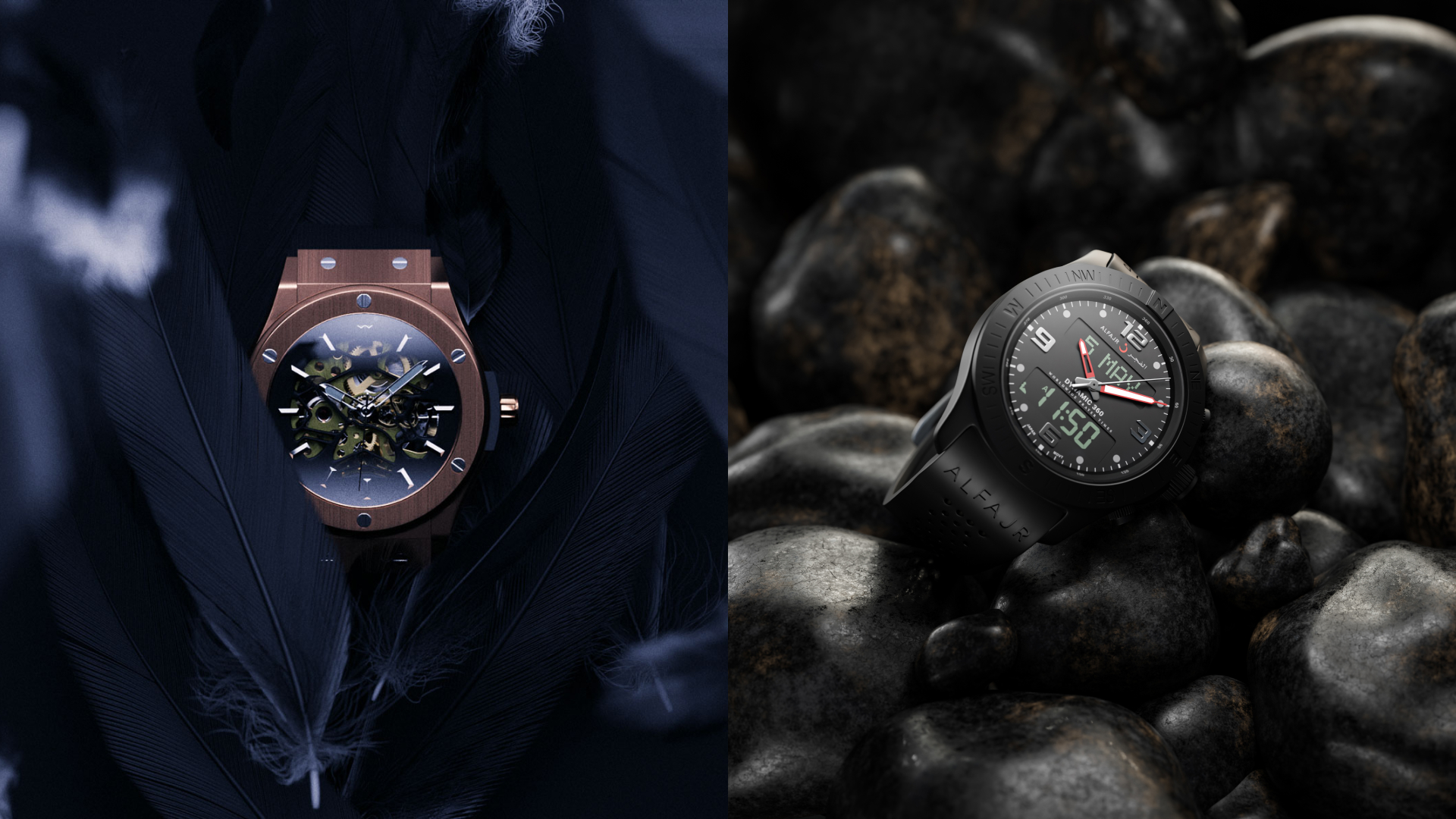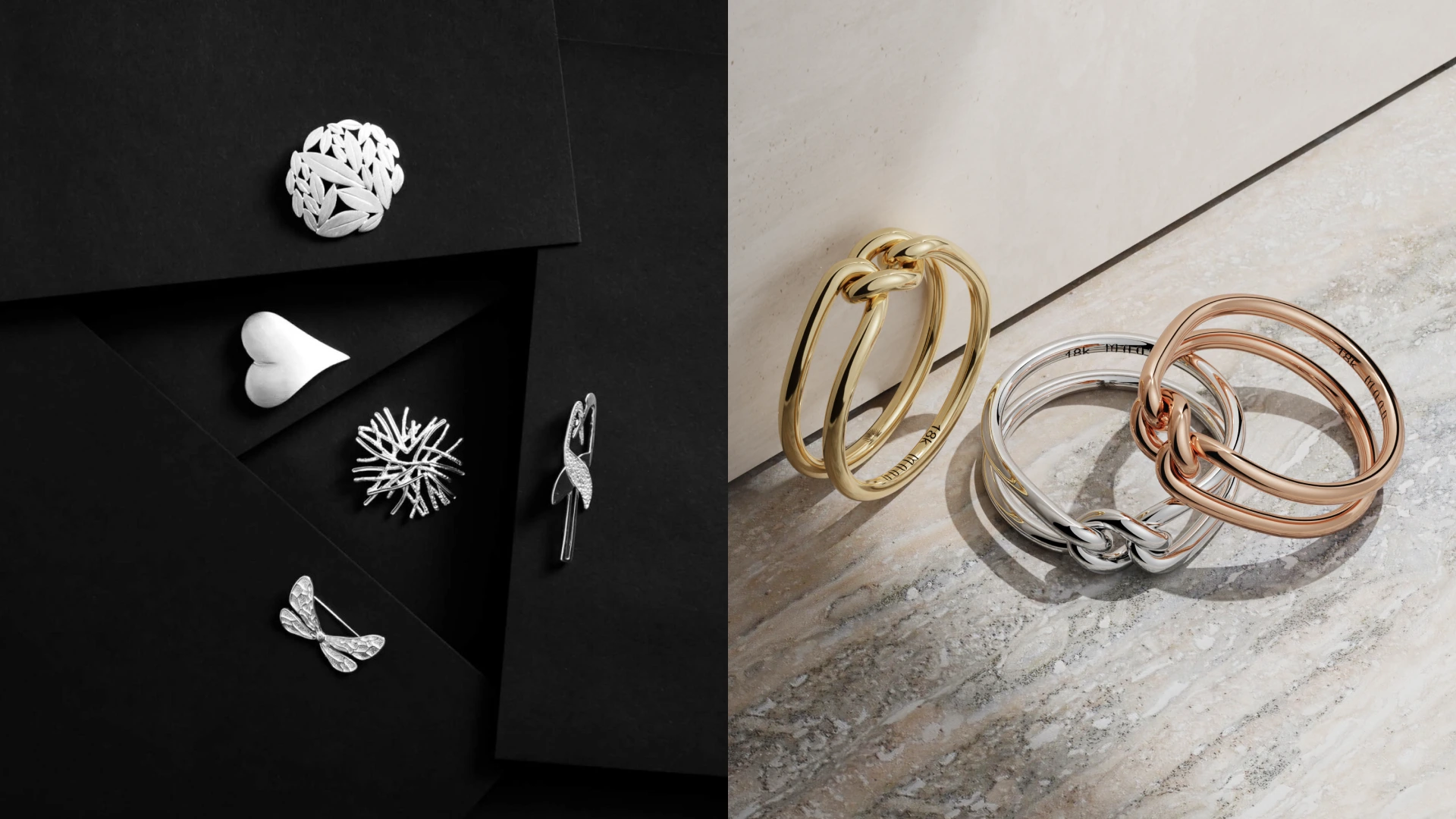

Ecommerce made shopping so much easier, but it has one big challenge. Online buyers can’t touch or test your product. This is why product videos in ecommerce have become one of the strongest conversion tools out there. Ecommerce product videos can be anything from short demos to polished CGI animations that take weeks to complete (and there’s a time and place for both kinds!). All of them help shoppers understand why they’re buying and feel confident when adding to cart.
In fact, brands that use video ecommerce strategies consistently see higher engagement, longer time on page, and stronger conversion rates than those relying on static images alone.
Staying updated with the latest product video marketing trends also helps brands create content that performs across new platforms and changing consumer behaviors.
We’ll drive the point home below.
So if you’re wondering how to create product videos, which formats work best, or whether ecommerce video production is actually worth the investment, you’re in the right place.
Let’s break it all down.
Role of product videos in boosting online sales
Increase conversion rates
Product videos on ecommerce pages consistently convert, and the reason couldn’t be simpler. Videos reduce the effort required to understand a product. So instead of asking shoppers to imagine how something works, your product video shows it clearly and immediately.
According to Shopify, product pages with video can increase conversions by up to 80%. That’s quick proof that buyers appreciate motion, context, and demonstration. The better they think they get the product, the more confident they are in completing the purchase. Speaking of…
Reduce purchase anxiety
One of the biggest barriers to online purchases is uncertainty, and ecommerce video is particularly effective at dismantling it. Seeing a product rotated, handled, or demonstrated answers the quiet but decisive questions shoppers rarely articulate, such as size, texture, usability, or fit.
However, video is not the only way brands can reduce buyer uncertainty. High-quality product images also help customers evaluate details such as design, texture, and finish.
And yes, product videos help beyond understanding a product’s functionality. It’s how it looks, too. A video can show your product from all angles, focus on whatever micro-features you want to showcase, and do it justice with lighting (unlike some photos). The more your buyers see and know, the better.

Improve time on page and engagement
Videos naturally encourage visitors to linger, which both ecommerce brands and search engines appreciate. Pages that include product videos normally see higher average time on page and lower bounce rates. For video marketing for ecommerce, this increased engagement is good news on many levels. Longer engagement means stronger organic visibility and better performance across paid campaigns.
Strengthen customer trust
Building on the previous points, trust grows when products feel transparent rather than over-polished or mysterious. Think clear visuals, close-ups, or realistic motion. These are the features that bridge the gap between online and in-store shopping by showing exactly what the customer will receive.
And yes, surveys consistently show that shoppers are more confident (so more likely to buy) when they can see a product in action rather than relying on static images alone.


Support social and paid campaigns
Product videography doesn’t live only on product pages; sometimes, it fuels the entire marketing ecosystem. Meaning a single well-produced ecommerce product video can be reused across paid social ads, email campaigns, landing pages, marketplace listings, you name it. Keeping this consistency is great for your brand’s image, but also for cutting repeated production costs.
Brands using video in paid social, for example, often report higher CTR than image-based ads, simply because motion captures attention faster. And we all know how hard that is with our feeds today.
Types of product videos
Product demonstration videos
Product demonstration videos walk you through how a product actually works, step by step. So they’re meant to remove buyers’ guesswork. If you’re selling something functional or feature-heavy (like a smart vacuum cleaner or a kitchen appliance with multiple modes), this type of video shows exactly what the product does in real use. For you, that means fewer pre-purchase doubts and fewer “this wasn’t what I expected” moments after delivery (which, by the way, is the most common return cause).

Explainer videos
Explainer videos focus on the why, not just the how. So they’re there to help customers understand what your product is for and why it solves a specific problem. If you have a tech product, a subscription-based service, or a skincare formula with unfamiliar ingredients, this is where explainer videos shine. They can simplify the concept and sell the product’s unique point without overwhelming the viewer.

Lifestyle videos
Lifestyle videos place your product in a real-world context, showing how it fits naturally into someone’s day. If you’re selling clothing, furniture, or wellness products, this format helps customers imagine themselves using the item (rather than just owning it). It sounds obvious, but sometimes, this extra nudge creates that much-needed emotional buy-in alongside rational interest.

Comparison videos
Comparison videos are ideal when customers are already weighing options and looking for reassurance. Products like electronics, beauty tools, or fitness gear are found by the truckload today, and if you know the competition is fierce, so do your buyers. That’s why this type of video helps you clearly show how your product stacks up against alternatives. By addressing differences openly, you take control of the decision.

Unboxing videos
Unboxing videos capture the precious first physical interaction with a product. If it’s not fun enough that it feels a bit like Christmas, unboxing videos also highlight quality and attention to detail. So if you’re selling premium items (jewelry, tech gadgets, luxury candles, etc.) or gifts, this is how to show customers that you’re really selling an experience… and that it starts the moment the box is opened.

Testimonial videos
Testimonial videos let real customers do the talking. When a real person is seen sharing their experience in their own words, other buyers immediately trust a brand better (or at least, trust that a certain product looks good and works well!). Fitness programs, skincare, higher-ticket items — all are much more likely to sell if people are already buying them.

How to create ecommerce product videos
Creating effective product videos in ecommerce doesn’t have to be complicated. We recommend following this simple plan:
- Define the goal (conversion, education, awareness)
- Choose the right video type
- Plan the visuals and messaging
- Produce or animate the video
- Optimize for web and mobile
- Publish, test, and refine
Whether you’re learning how to make a product video in-house or outsourcing ecommerce video production, keep clarity and consistency in mind. These are the values that bring ROI, so much more than flashy trends.
Now, let’s look at some best practices.
Best practices for ecommerce product videos
Keep videos short and focused (30–90 seconds works best). Shorter videos respect your customer’s attention span and force you to focus on what actually sells the product. So keep your selling point in mind. In ecommerce, clarity beats completeness every single time.
Show the product from multiple angles. Online shoppers can’t hold your product or move around it, so you need to do this work for them. When shoppers can see the front, back, sides, and key details, they’re more confident clicking buy.
Highlight benefits, not just features. Features explain what a product is, but benefits explain why someone should care about your product. This value becomes obvious when you show how a feature improves daily life or solves a particular problem.
Design for mobile viewing first. Today, most ecommerce traffic happens on mobile (complete with limited attention and small screens). Design videos for mobile so text, framing, and motion remain clear even when viewed quickly or on the go.
Use clean, distraction-free visuals. Busy backgrounds and unnecessary props compete with the product for attention (which again, is more and more hard-pressed). Clean visuals keep the focus exactly where it should be. Also, they help the product feel more premium and intentional.
Add captions for sound-off viewing. Yep, many online shoppers watch videos without sound, especially on mobile or social platforms. Captions thus ensure your message still lands and make the video accessible without relying on audio.
Maintain consistent branding. Consistent colors, lighting, and tone make your videos instantly recognizable and reinforce brand trust. All staple brands chose a font and color palette and stuck to it. Over time, this visual consistency helps your products feel cohesive and makes your brand look more confident.
Prioritize high-quality visuals (because in ecommerce, visuals are the product). When customers can’t touch or test an item, your visuals replace the physical experience. High-quality visuals signal quality, care, and credibility. If these aren’t felt, buyers won’t buy.
The ROI of using product videos
- 3D modeling
- White bg.
- Minimalistic
- Simple prop
- Custom
- 3D modeling
- White bg.
- Minimalistic
- Simple prop
- Custom
According to a 2023 report, 92% of respondents said video delivered a positive ROI, and 73% of US adults surveyed by Animoto said watching a video explaining a product made them more likely to buy it. So yes, both sides confirm how vital ecommerce product videos are today.
These results also show how people prefer to learn and evaluate products online. When shoppers can see a product in motion and understand its value quickly, they hesitate less and decide faster. For brands investing in video ecommerce, this means higher engagement and stronger trust, which in turn, of course, means more sales (and isn’t this the whole point of ecommerce?)
Challenges and how to overcome them
Loading speed and accessibility
Large files can slow pages down. Use optimized formats across various media, and remember that compression and proper hosting keep performance sharp.
Budget constraints
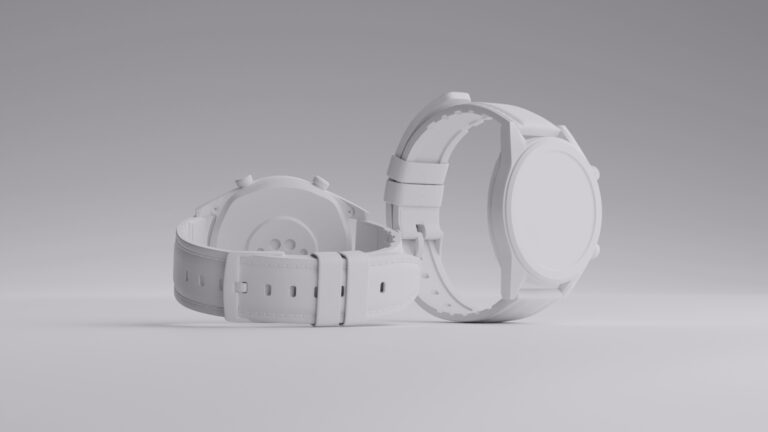
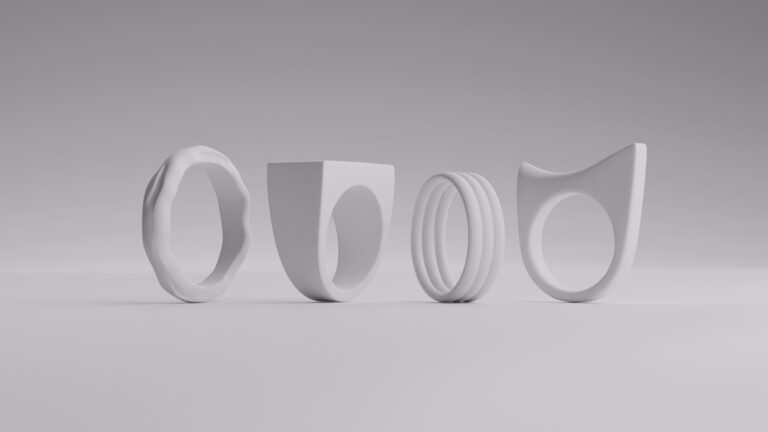
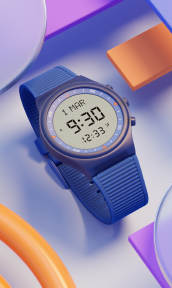
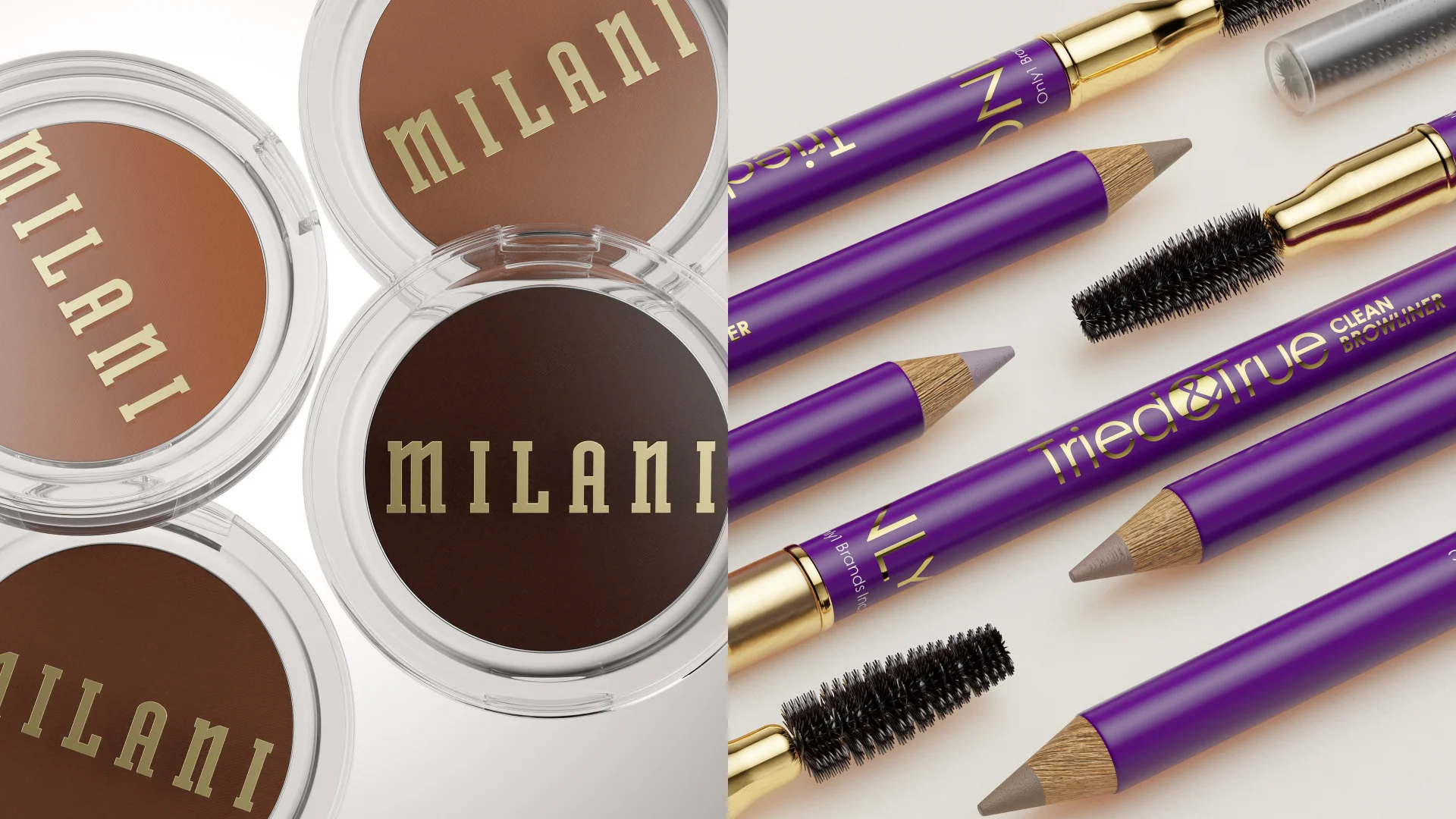
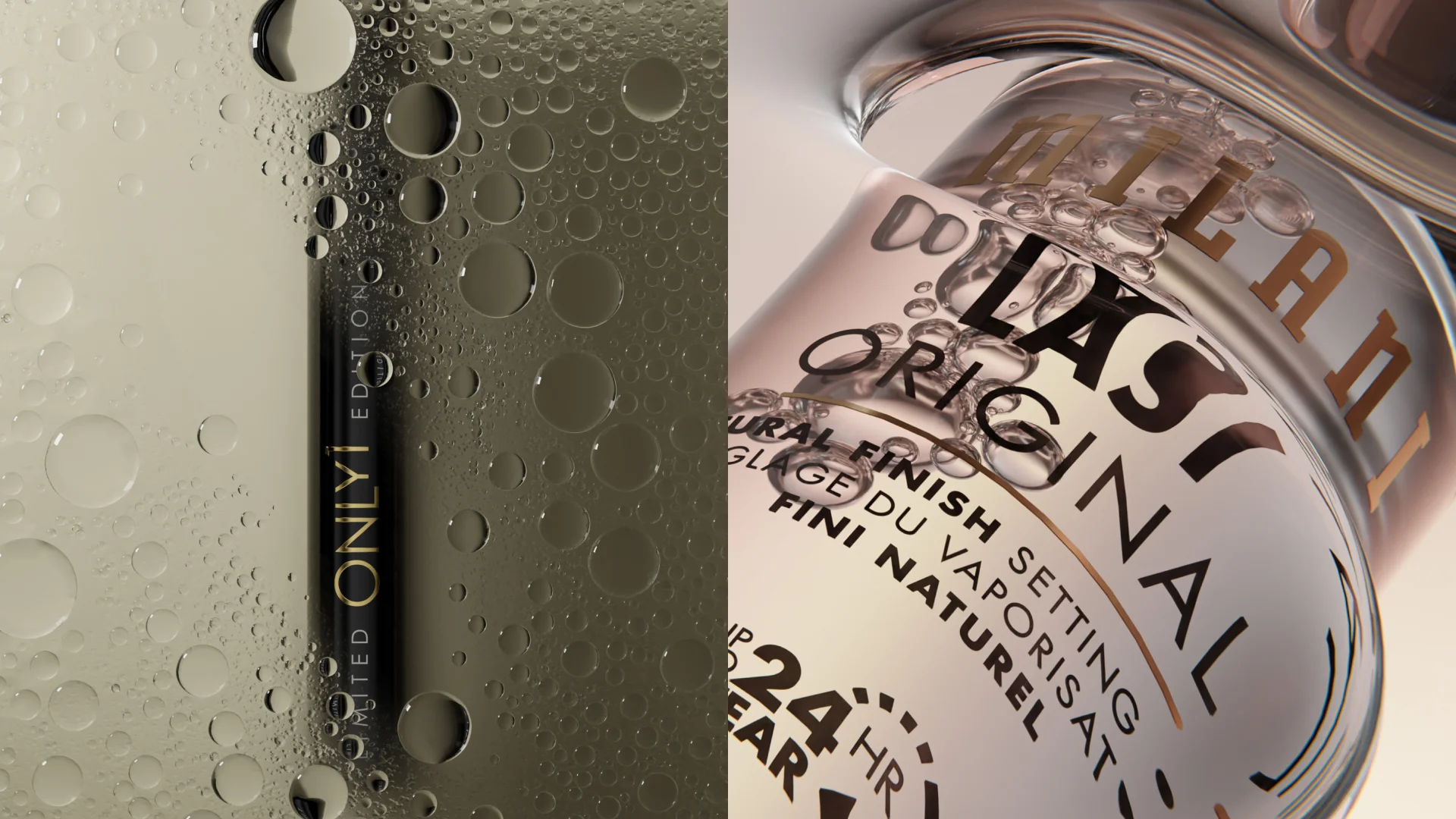
High-quality product videography doesn’t always require physical shoots. In fact, more and more brands are choosing CGI for flexibility, full creative control, speed, and skipping the costs and headaches of endless reshoots.
Manual updates and scalability
Traditional video is hard to update. CGI-based ecommerce video production, on the other hand, allows easy edits without starting from scratch.
Choosing the right type of ecommerce video
Not every product needs the same video approach. Let’s start with the buyers’ intention. Some shoppers need reassurance and clarity, while others are already convinced and simply want to see quality (or a certain mood).
Now, ask yourself, who are your intended customers? Choosing the right ecommerce video means matching what you show to what your customer needs to feel confident at that exact moment.
- If you’re selling a complex or technical product, product demonstration videos work best because they show how the product actually operates in real use.
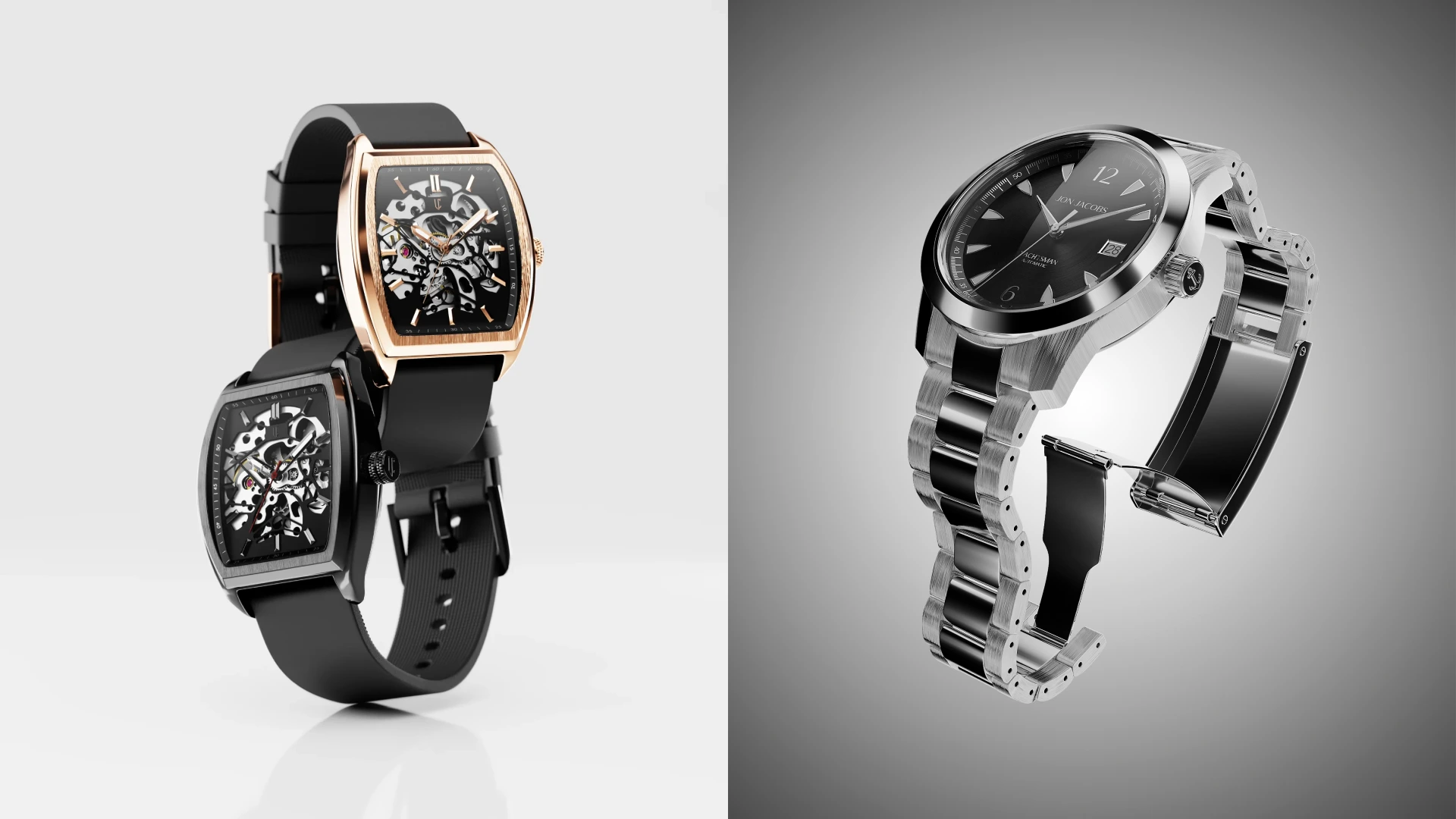
- If your product sits in the premium or luxury space (think jewelry, watches, or fragrance), lifestyle or CGI videos help communicate quality, mood, and value that static images struggle to convey.
- If you run a large ecommerce catalog with many similar products, consistency becomes more important than storytelling. That’s where clean, scalable CGI or standardized product videos shine.
- If your customers are comparing alternatives before buying (or you expect they would), comparison videos can guide the decision by clearly highlighting differences without forcing shoppers to research elsewhere.
- If your product relies heavily on trust (skincare, fitness equipment, wellness products, etc.), testimonial-led videos help reduce skepticism by showing real experiences rather than brand claims.
Our video product approach to CGI

At Welpix, we create ecommerce product videos using CGI. Computer-generated imagery is what gives brands control, speed, and consistency in 2026’s saturated market. Not to mention you can work with us from anywhere.
How does it work? You send reference images. We build the 3D model once. From there, we animate and refine until you’re 100% happy. Then, we adapt your product video across campaigns, formats, and platforms. No reshoots, shipping, or creative bottlenecks.
You can even try us for free and see how CGI-based product videos in ecommerce fit your brand before committing. Get in touch with our team to see how easy it is.
Wrapping up


Great product videos sell, scale, and simplify your workflow. Done right, they elevate your brand to top-tier and solidify its credibility online. Whether you’re exploring how to make product videos, upgrading your video marketing for ecommerce, or ready to move beyond traditional shoots, video is the way to go.
And if you’re curious what your products could look like in motion, the Welpix crew is always happy to talk.
FAQ
What’s the ideal length of an ecommerce product video?
Most ecommerce product videos perform best between 30 and 90 seconds, depending on complexity.
Do I need expensive gear to create product videos?
Not necessarily. CGI and streamlined ecommerce video production can reduce costs while improving quality.
How can I measure the ROI of my videos?
Track conversion rates, time on page, click-throughs, and sales performance on pages with and without video.
How do product videos benefit ecommerce businesses?
They improve engagement, increase trust, and help customers make confident purchase decisions.
What should every product video include?
Clear visuals, multiple angles, key benefits, and a focus on real customer questions.