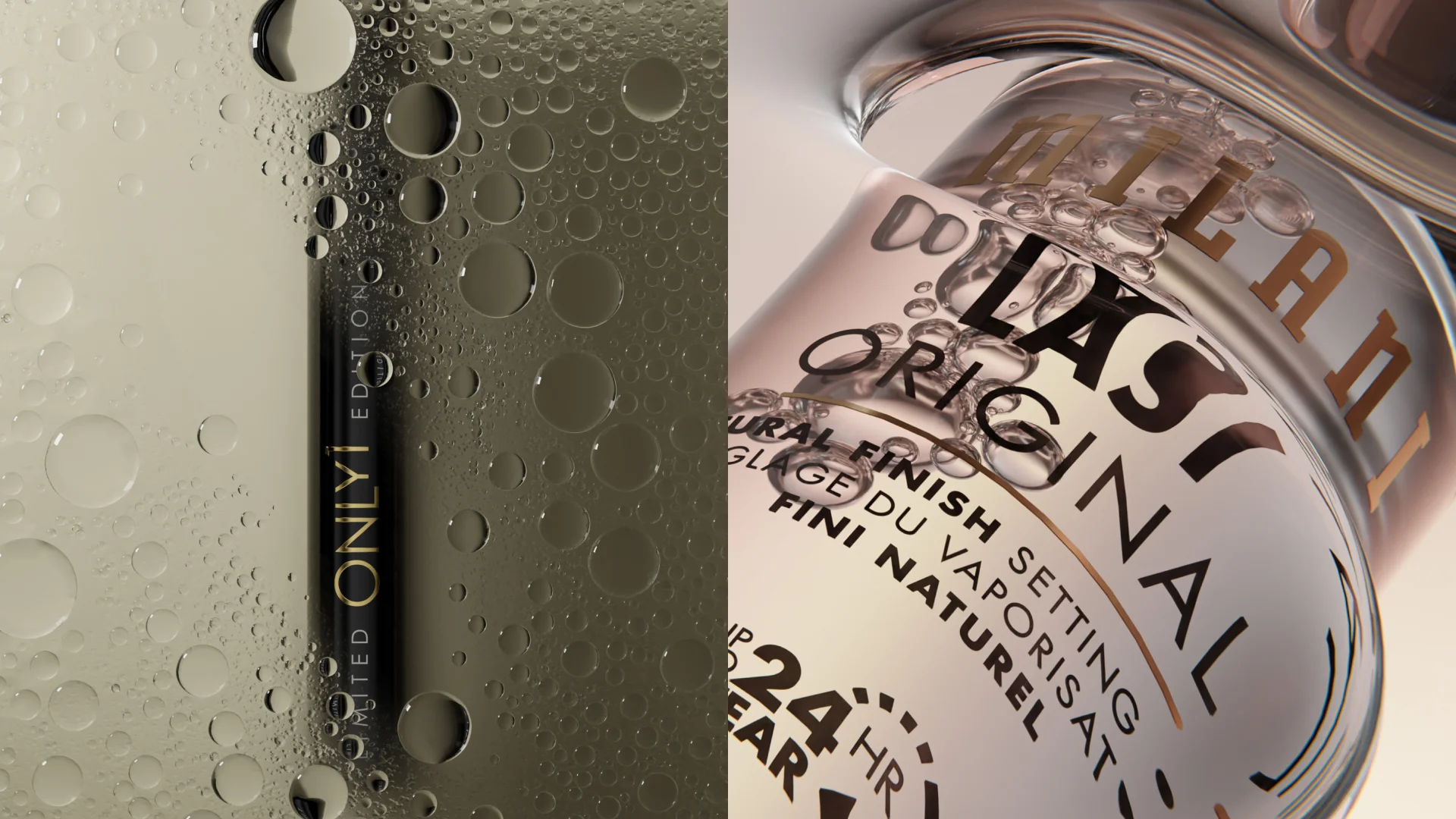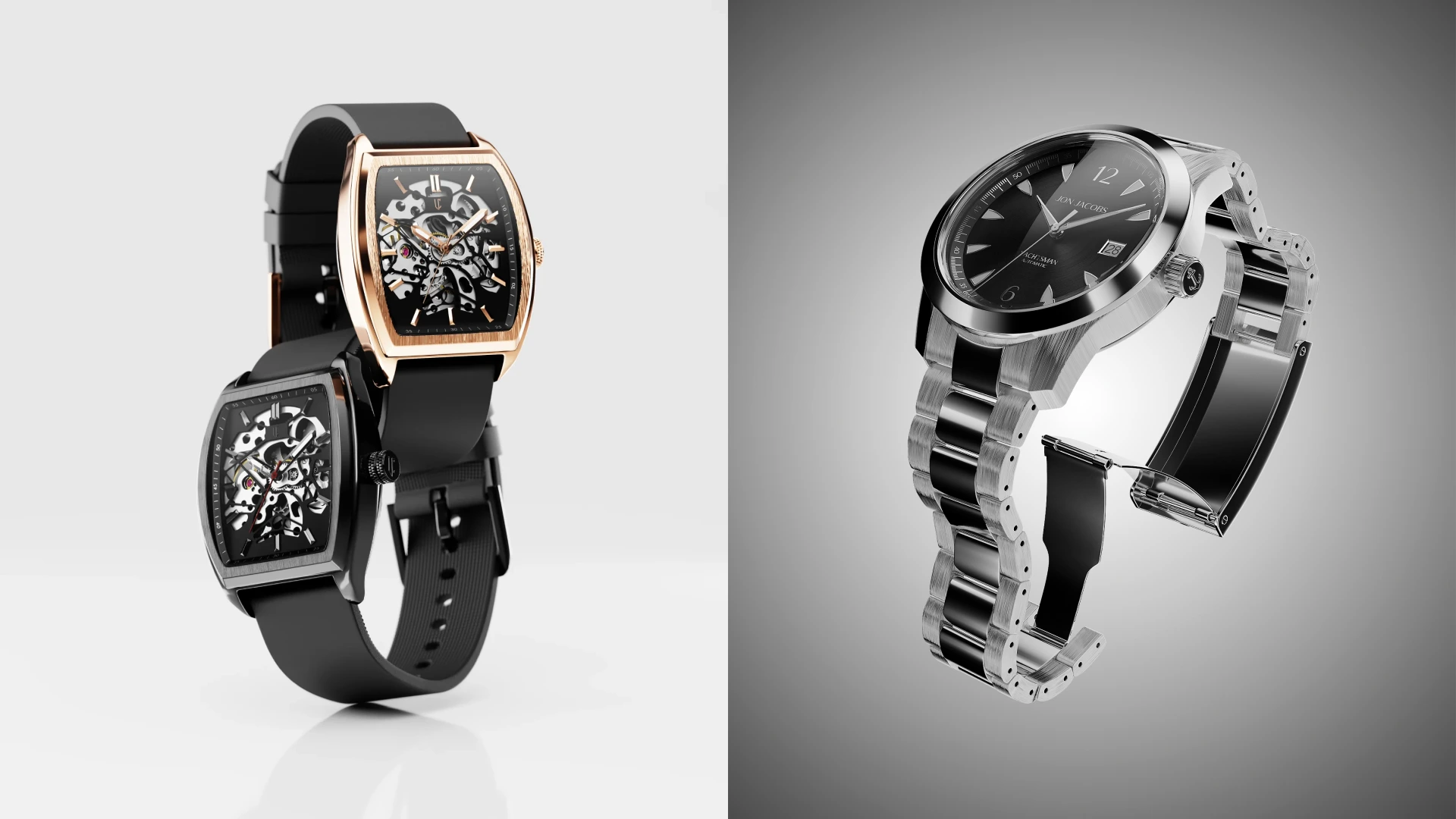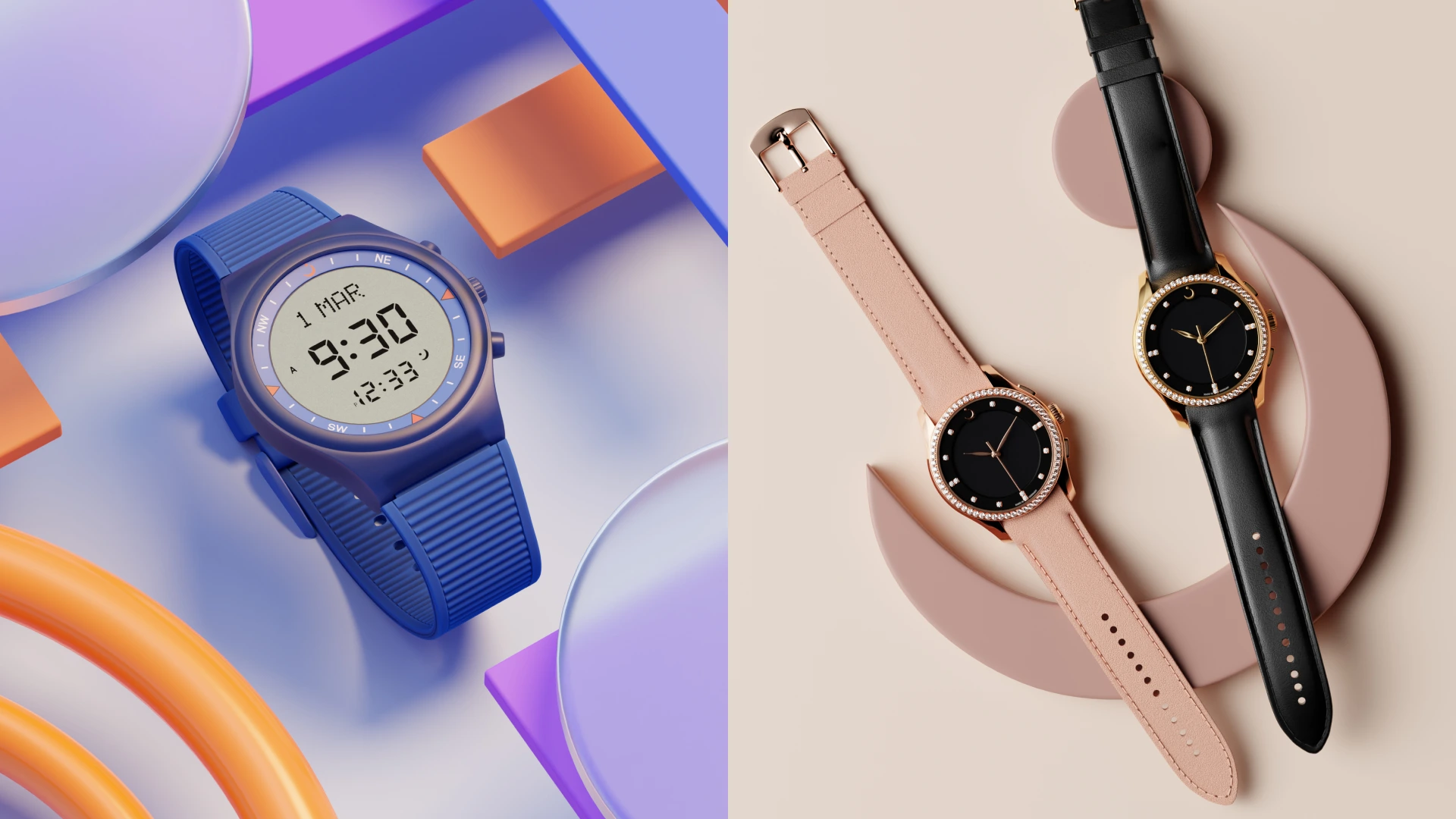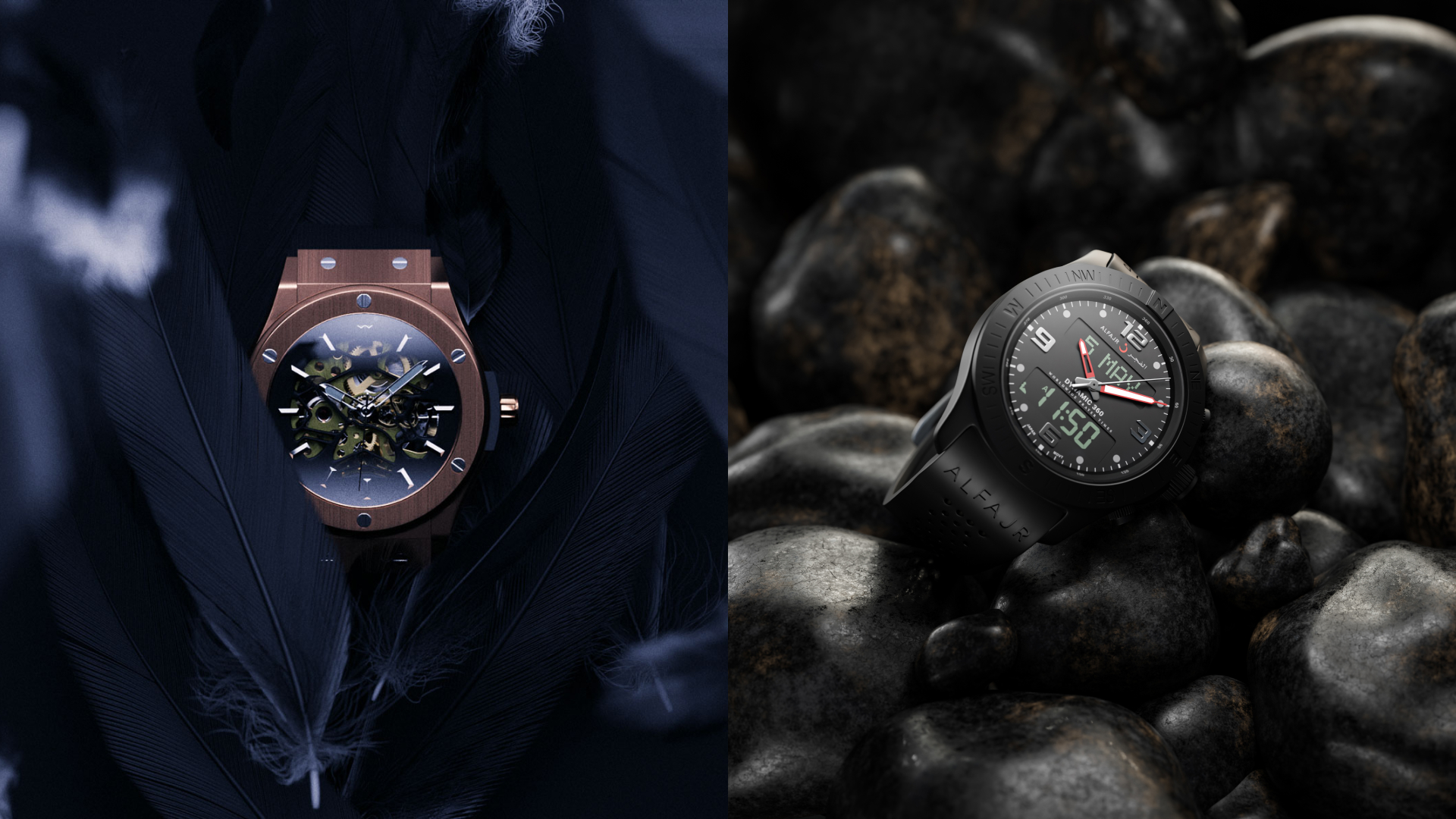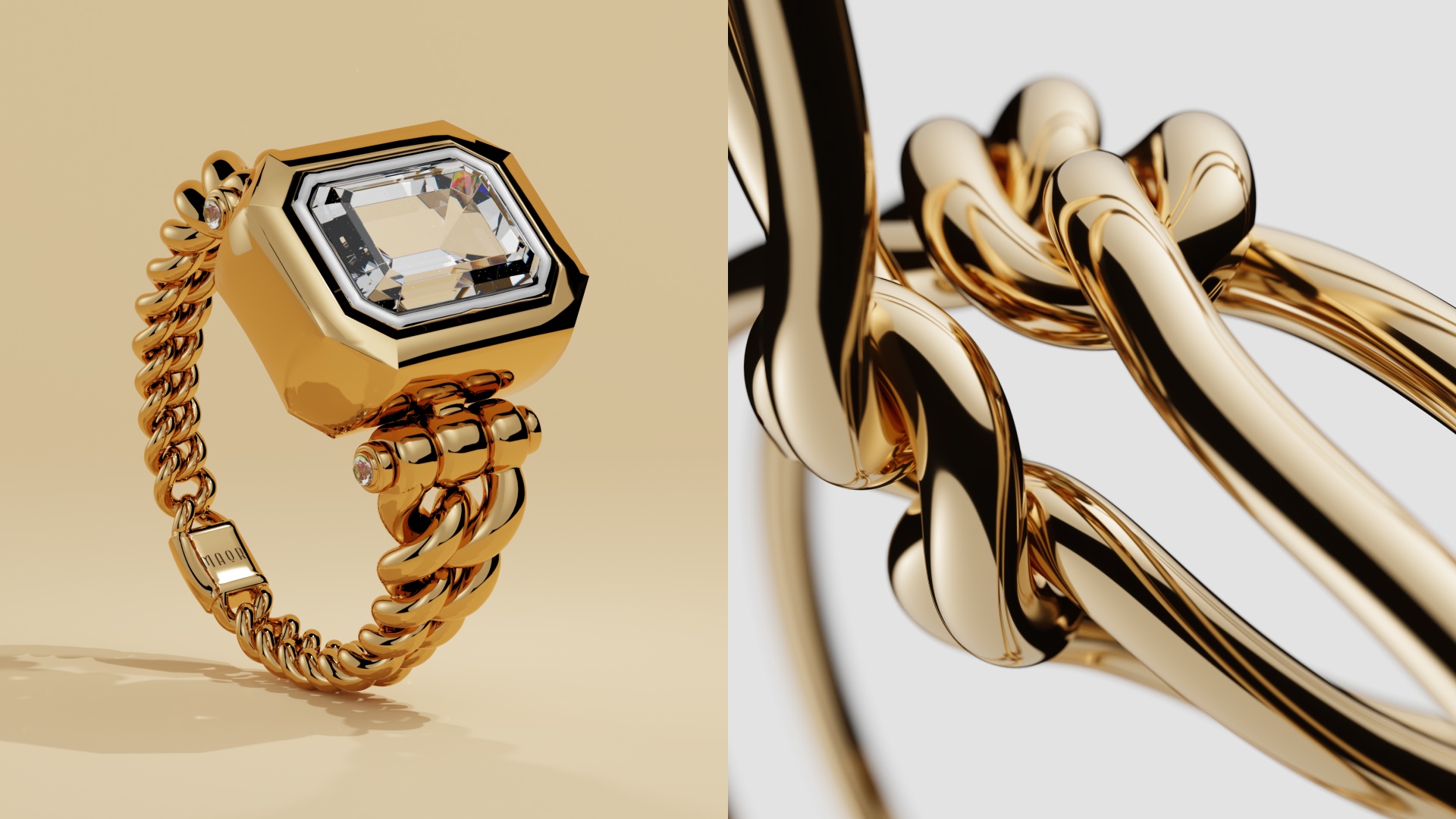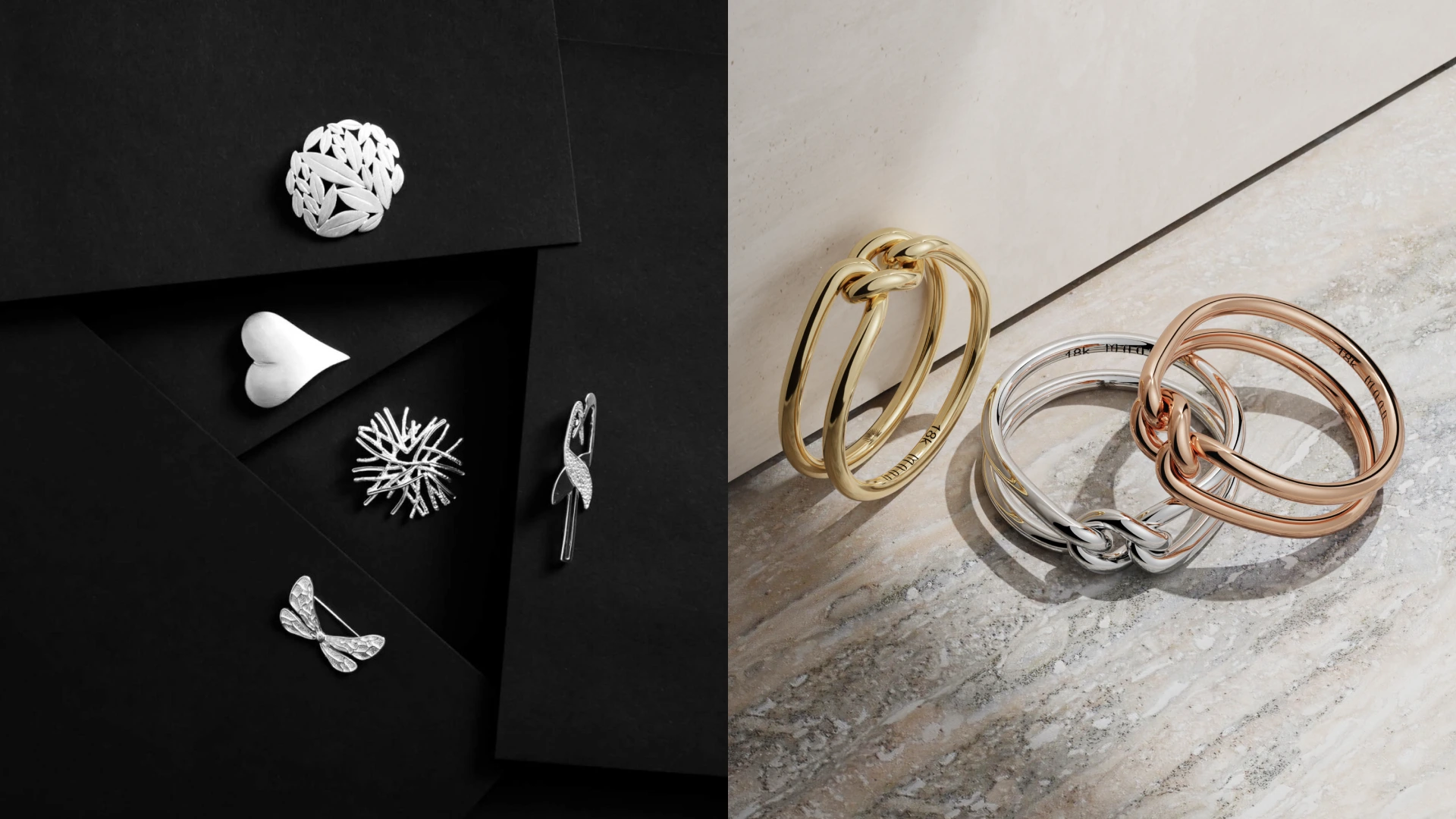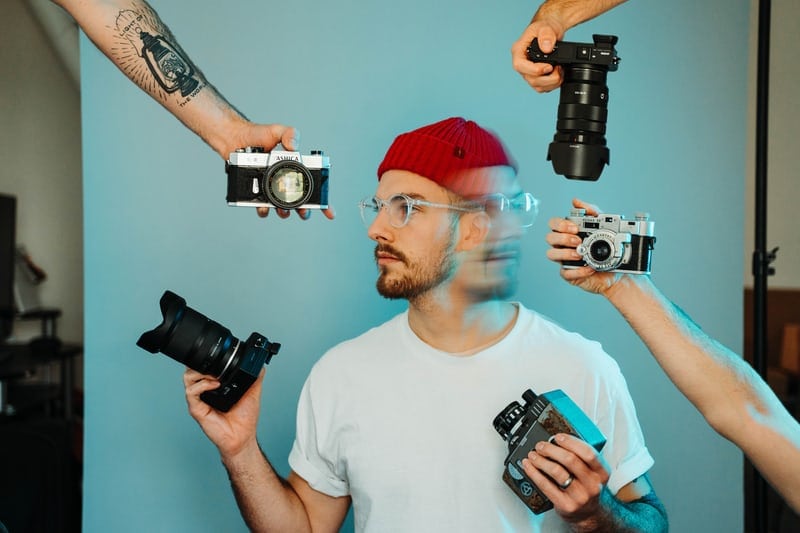

3D technology used in the creative industry
Visual media has always been the cornerstone of effective marketing in the past, and that’s not going to change anytime soon. It is common knowledge that businesses searching to improve their marketing campaigns have turned to either traditional or digital photography, utilizing it to its full potential.
Up until now, the two most effective types of visual media have been images and videos. Their impact on sales was (and still is) huge. Back in 1850, both shared the same principles of visual arts: composition, light, colors, and how they combined together to create something appealing and desirable. Nowadays, we see that universal principles don’t change, only how they are applied does.
Technology tipping point after the Covid-19
Since the dawn of the internet, plenty of businesses have tried to adopt digital technologies at some level or another. From emails to websites, every company experienced at least one form of digitalization. In the beginning, technological adaptation was needed just to keep up with others. However, with the quick spread of COVID-19, it became a must in all our lives.
One interesting fact I read more than 20 years ago (“Tipping Point” – Malcolm Gladwell) that I want to share with you would be the concept of the tipping point. In marketing, it describes the point at which a series of small changes or incidents become significant enough to cause a larger, more important change.
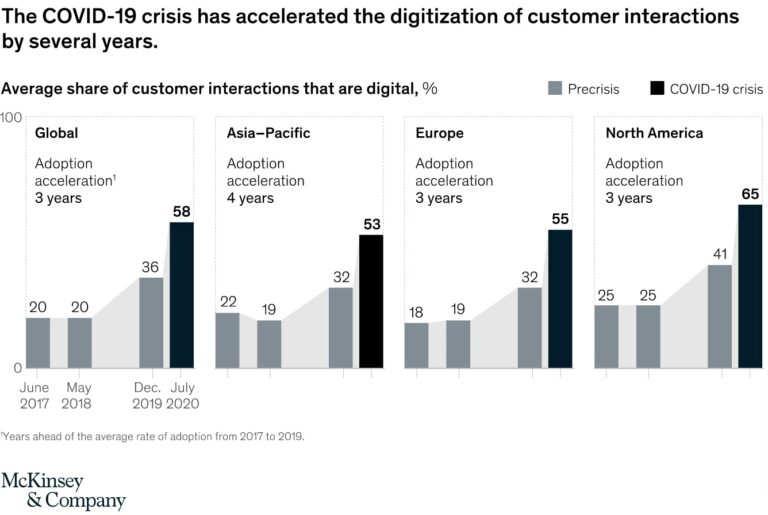
COVID-19 has pushed businesses over the technology tipping point and transformed many companies forever. Whether you were a freelancer, a small business, or a corporation, you were practically tipped into digitalization of your products or services to stay competitive. Industry leaders like Robert Iger, former CEO of Walt Disney, say: “There are always crises and failures for which you can never be fully prepared”.
Uprising trends in visual marketing and photography
After my trip to Vegas in March 2020, I was ready to take my photography teaching classes to the next level. That turned out to be an interesting timing and turn of events. It didn’t take long until the world went into the COVID-19 lockdown, meaning business, as I knew it, stopped. I knew I had to overcome this hurdle — I couldn’t sit back and do nothing.
This gave me, and many others at Still Life Academy the opportunity to re-discover our love for 3D and CGI. Since everybody was stuck in their homes, we realized the great potential of CGI and what it can offer us, especially in times like these. While the world was going through the technological tipping point, we all witnessed a couple of striking, creative industry shifts.
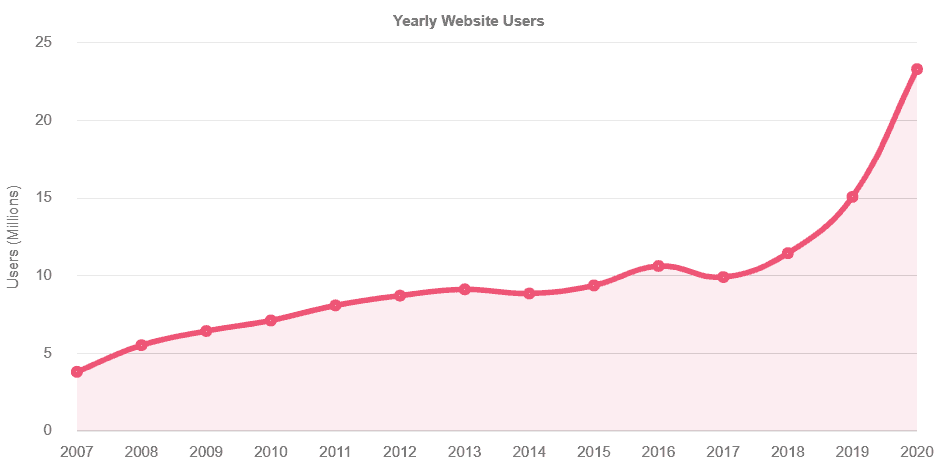
1. One was definitely the rise of 3D tools like Blender. More popular than ever, the blender.org website and several of its subdomains had received a combined 23M unique visitors. That was a 35% increase compared to the year before, approaching 2M visitors per month.
2. Another one was the deal to acquire Turbosquid for $75million announced on Tuesday, 26th January 2020 in an official statement on Shutterstock’s website. It was another giant step taken by the renowned stock photo dealers to keep up with the pace of tech innovation. On the other hand, it offers great hope to photographers already treading the path of 3D and CGI.
- And recently Adobe, brought into light its previously acquired company Substance 3D and made it an integral part of its tool set the same way they did with Photoshop in 1995. Sending a strong signal to creative professionals, that 3D is clearly in the next-generation shift in the creative industry. Behance, the largest creative network, noticed the number of 3D projects published was up more than 40% in just the last 6 months of 2021.
What to do today, to stay relevant in the creative industry

3D technologies are nothing new, of course. The first 3D animation was created by Ed Catmull, Co-founder of Pixar in 1970. 3D was also quickly adopted by technically oriented individuals in the past like engineers or manufacturers because of its technical nature. I, personally, have been pioneering 3D technology on a production level for more than 20 years now.
But the basic problem with creative professionals is simply the evolution one, where creative people are predominantly using their right hemisphere, the one responsible for creativity. The linear thinking left hemisphere of the brain, which is needed to embrace the technical 3D technology, is simply falling behind.
Those who were able to successfully migrate from traditional film photography in the 80s to digital photography, for example, were faced with technical challenges they had to embrace.
And that’s where the evolution of Adobe tools plays a huge role today. Developing new tools and techniques, adjusting to new trends, and educating the creative industry at the same time is not a small task.
3D technology in the creative industry is simply another step, creative professionals will have to LEAP into the new era of the creative industry, If they want to be part of it.
The inevitable future of photography and multimedia content
The bar keeps rising for visual experiences – it’s inevitable. In the last few years, we have seen that people who prioritized their education are the ones that understand what makes a great visual experience. This is what I call a good investment!
All that being said, it is important to note that quality visuals never lose their “x-factor”. The only things that seem to change are the tools people use to create high-end visual experiences. Will 3D change the future of creativity? It already did. At least that’s what the indicators are showing us.
How do you plan to adapt your business to the upcoming challenges?
Did the recent global events have a destructive impact on your business? If so, you also know that they won’t stop anytime soon. We hear it all the time: recession, pandemics, global warming – it’s as if the world can’t take a break. The only question that remains is: “How can I overcome these challenges?”
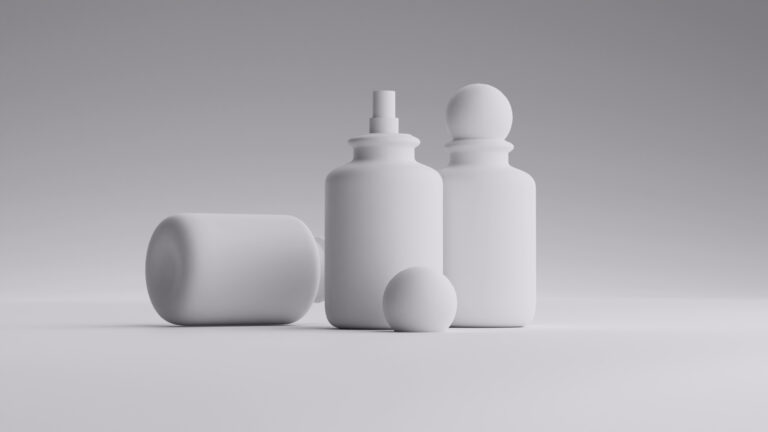
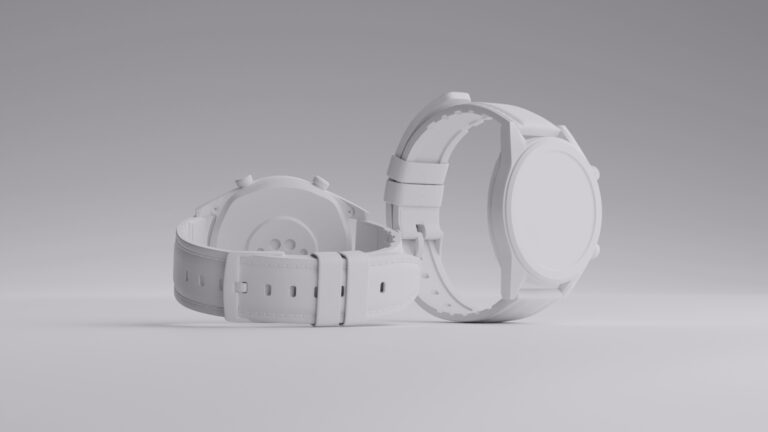
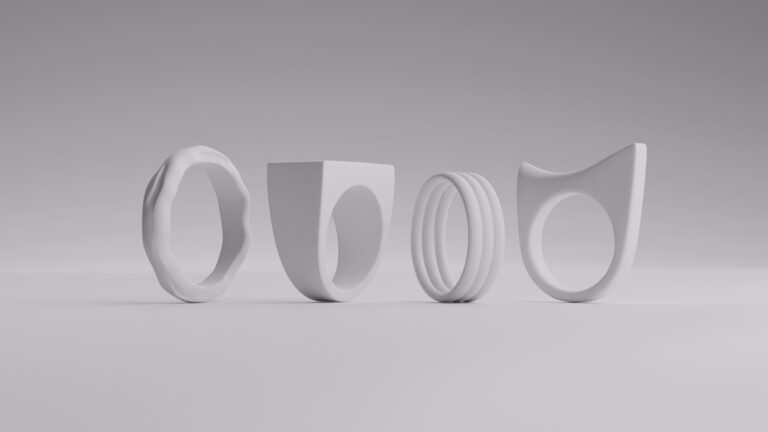
Well, the solution that seems to work every time is digitalization. And when we talk about elevating your visual game to the next level, CGI product photography is always the answer. Being the latest technology that helps artists create wonderful imagery, CGI represents the pinnacle of digitalization in photography.
It’s cheaper. It’s faster. It’s simply more convenient than other alternatives (and with way better results). On top of that, everything is done behind a computer screen, so you don’t have to experience the headache of traditional studio shoots.