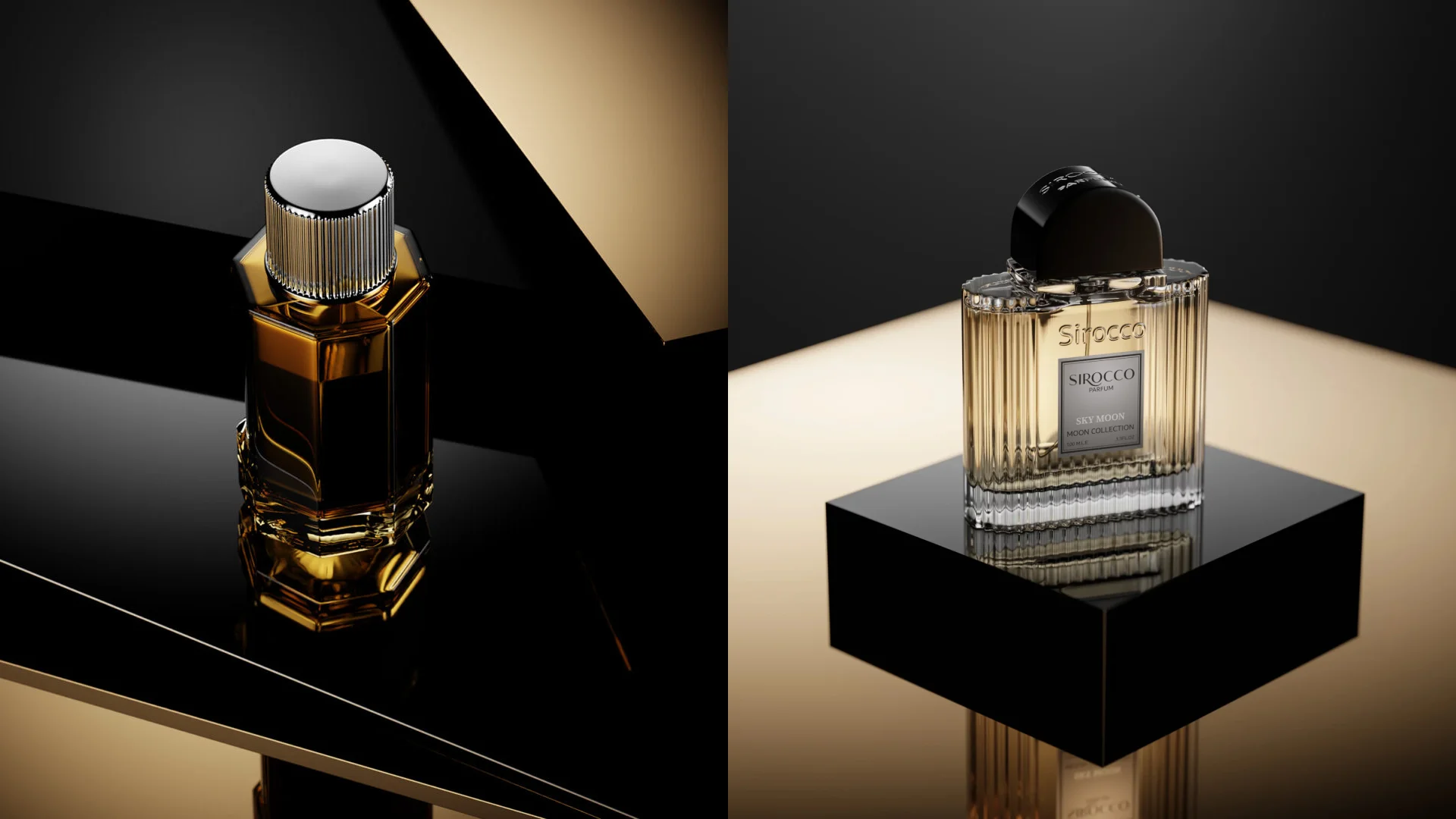
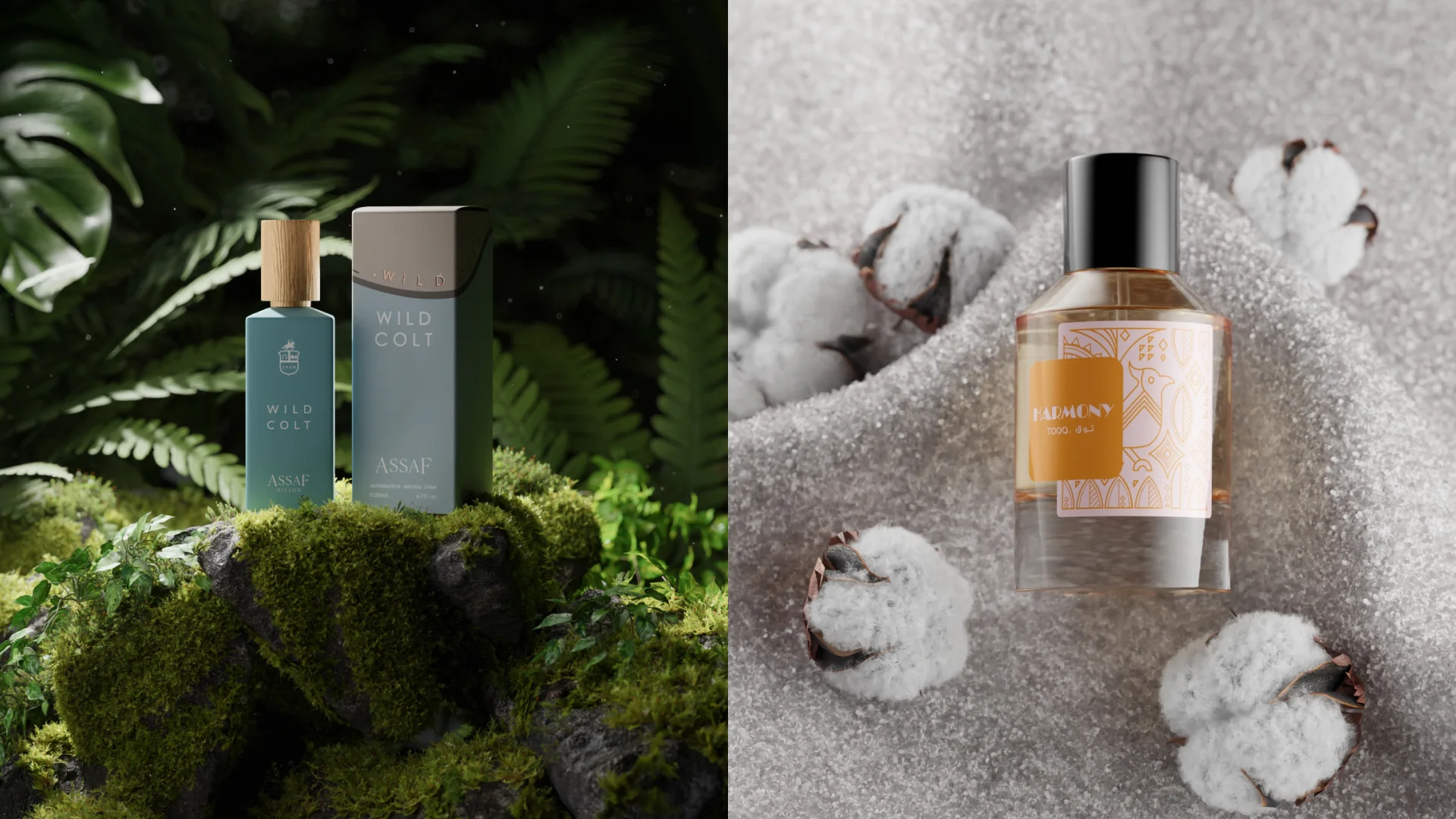
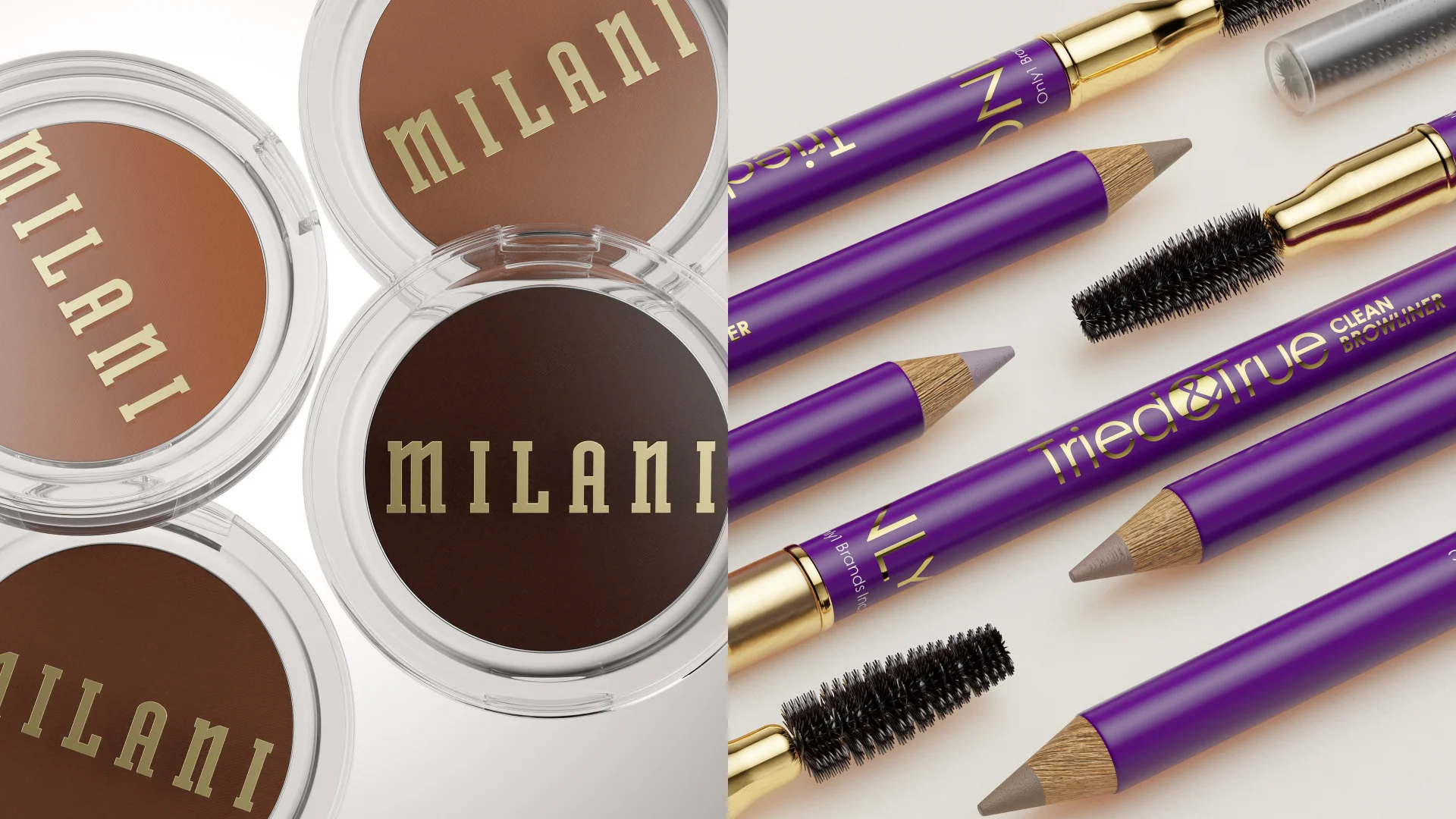
For the Tooq Perfumes campaign, we navigated the complex challenge of bringing a black panther to life through hyper-realistic CGI. Our key insight was demonstrating that digital control offers a superior, cost-effective alternative to the logistical nightmares of filming live animals.
By simulating intricate fur details and seamless portal transitions from a snowy forest to a luxury gallery, we delivered a “striking” visual narrative that elevated the brand’s identity. This project reinforced our belief that high-end 3D animation provides the ultimate flexibility, allowing clients to achieve impossible creative visions without compromising on realism.
What happens when a client asks for an animal that doesn’t exist? Or when filming a real one is seriously unethical? These are some of the questions we answered when Saudi Arabian premium perfume brand Tooq approached us about a launch campaign for their new fragrance. Since this was a perfect example of how CGI for perfume brands solves creative and logistical limitations, we knew we had to give it our absolute best. This was the cornerstone of a major rebranding, so we had to give it our absolute best. We knew the audience should remember this vision forever and associate it with their brand.
Tooq’s campaign concept was strong, but ambitious: a photorealistic black panther journeying from a mysterious snowy forest, then passing through a mystical portal into a modern, luxurious art gallery, where it discovers the Tooq fragrance. Needless to say, this would have been prohibitively expensive and unethical with a real panther. Forcing animals into stressful, unnatural environments for human profit puts their safety, well-being, and autonomy at risk. We don’t (or shouldn’t!) do this anymore in 2025. Thankfully, Tooq knew this.
Computer-Generated Imagery (CGI) was the only path forward. They would get full creative control and the flexibility needed to merge fantasy with photorealism. Simply put, CGI was the better, cheaper, and smarter option. Read this case study to learn the step-by-step technical and creative workflow we used to bring Tooq Perfumes’ ambitious vision to life, and how this delivered immediate results.
Deep dive: A step-by-step breakdown of our CGI workflow
1. Planning and creative direction: From brief to blueprint

Our projects always start with a brief. That’s where our client tells us their core narrative, and we discuss until we both agree on the artistic vision. The Tooq team wrote: “A tiger emerges from a snowy forest, enters an imaginary portal, and travels to a modern museum” to find the new perfume.
First, we had to ground the client’s mythical vision in realism. Their initial request was for a “black tiger,” but while melanistic tigers do exist, they’re never all-black, and audiences could get confused by a panther or jaguar-like cat with a tiger head. We thus agreed on a black panther animation, reflecting their concept but also maintaining brand integrity.
We’re our clients’ strategic partners, so our primary goal is always to safeguard the project’s core vision. When the Tooq team suggested adding a man running next to the panther, we provided expert consultation on what that would entail. First off, time that they just didn’t have — they were working under a tight Christmas deadline. Secondly, we explained that this risked looking fake. Also, it could divert focus and budget from the central, most impactful element: the panther. Our first collaborative decision made sure all resources were dedicated to nailing the highest possible standard of realism where it mattered most.
This clear and feasible creative direction meant we now had a solid blueprint for success. We could now move to technical production. Here’s how that went down.
2. Modeling and environment creation: Building two worlds from scratch

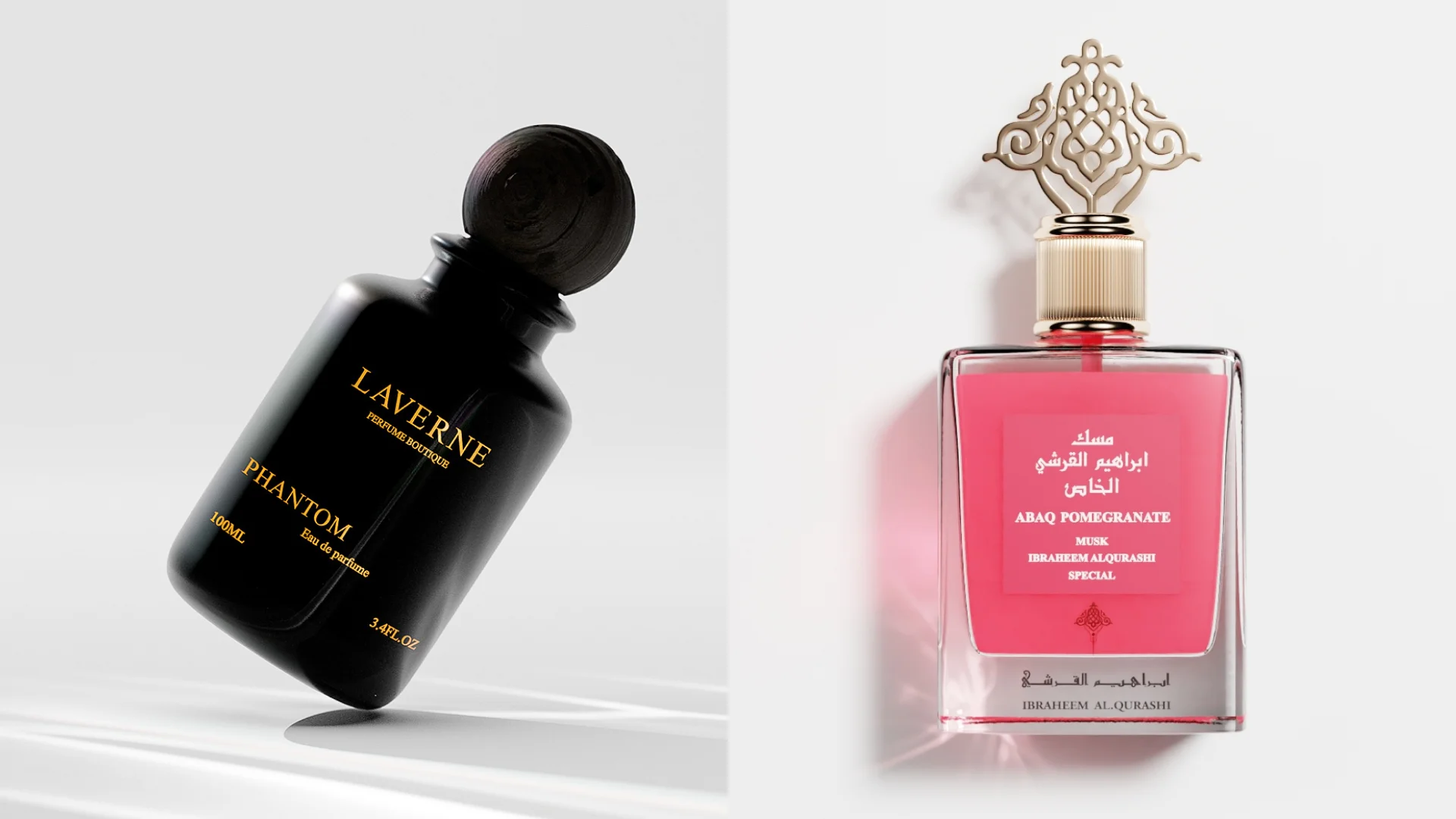
Our team began building the digital assets. This involved two modeling tasks. The first, and by far the most complex, was creating the photorealistic black panther. To do that in CGI, you have to build the animal from the inside out: digital skeleton, then muscles, skin, and realistic fur, and only then the movement. The latter is just not believable if the fur or muscles don’t look real. The second task was modeling the hero perfume bottle. This took a measly two hours (no easy feat for a non-pro either, but small potatoes compared to the panther).
As this was happening, the other side of our team began constructing the two distinct digital sets from reference images: the organic, natural environment of the snowy forest, and the clean, architectural lines of the luxurious art gallery. Yep, there’s an obvious contrast here, and that was the whole point.
This stage shows how vital ongoing feedback is in CGI. After a few rounds of feedback, the gallery got “more mist and darkness,” its walls were changed to gray, and gold molding was added for extra luxury. Then, we had to connect the two worlds visually. So we ended up placing snowy trees behind the gallery windows.
We need to stress something else here: these rapid-fire changes would have been impossible on a physical set. That’s the magic of digital workflow. Now, onto the trickiest bit.
3. Animation and rendering: Overcoming technical hurdles

This project’s most time-consuming challenge was animating the jump through the portal. This part of the project also involved lots of back-and-forth feedback. After our first version, Tooq’s art director was as blunt as they could be: “Doesn’t look real at all.” Our animation team thus sourced a better reference video of a cat jumping, then meticulously replicated its natural mechanics. This means they re-animated every micro-detail (tail up, tail down, pull back, etc.) to deliver that powerful and realistic leap.
An early animation of the panther baring its fangs also drew immediate feedback: “Looks like his jaw was broken.” Sounds harsh, we know. But if no one had noticed it, the whole workflow would have been derailed. That’s exactly why our work is based on collaborative refinement. Our team pivoted right away: a more stoic pose better kept the panther’s powerful mystique.
Now, here’s our strategic, layered rendering approach. Rendering photorealistic fur takes an eternity. So we gave Tooq interim previews focused on core animation, timing, and camera movement without this final layer. This meant we got the vital feedback we needed before committing to the computationally intensive final render. We’d estimated that around 10-16 hours. But as the final details and lighting complexity increased, the full render ultimately required 48 hours! That goes to show two things: we’re glad we got all the feedback before that happened; and yes, that’s the level of quality we aim for.
Project results: Delivering a wonderful campaign and high-impact assets
We always measure a CGI project’s success by the quality of the final visuals as much as by the value it delivers to the client. In this case, we had a suite of stunning assets that met and exceeded Tooq’s expectations. Their feedback: “The video is wonderful, thank you for adding the perfect music and ending. We really appreciate that.”
Here are some of the multi-channel marketing campaign deliverables:
- The final, high-resolution product animation, complete with a custom soundscape that brought the narrative to life.
- A custom animated logo for a professional and branded outro.
- A series of high-resolution still images from the project, provided free of charge for print, web, and social media marketing.
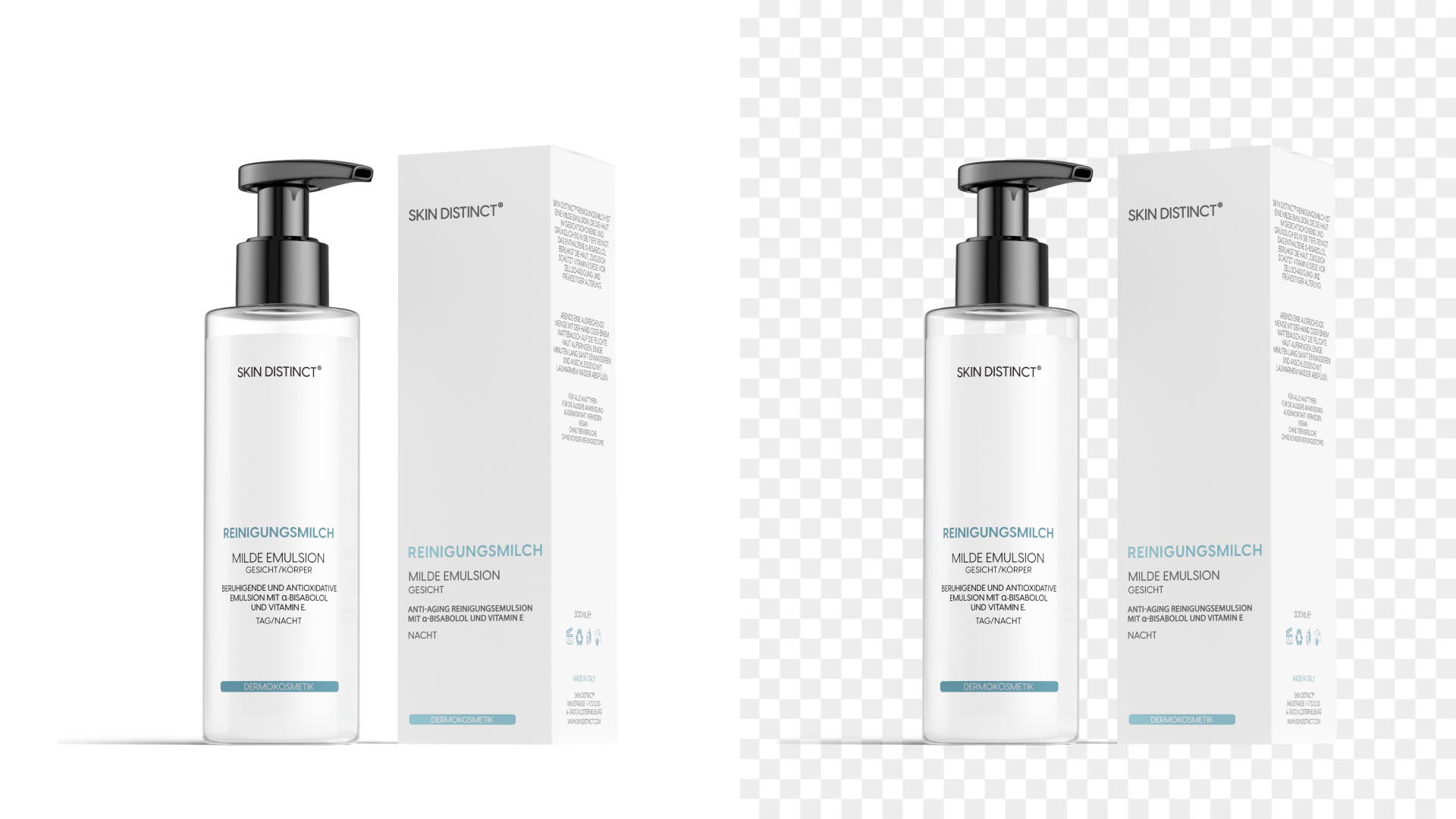
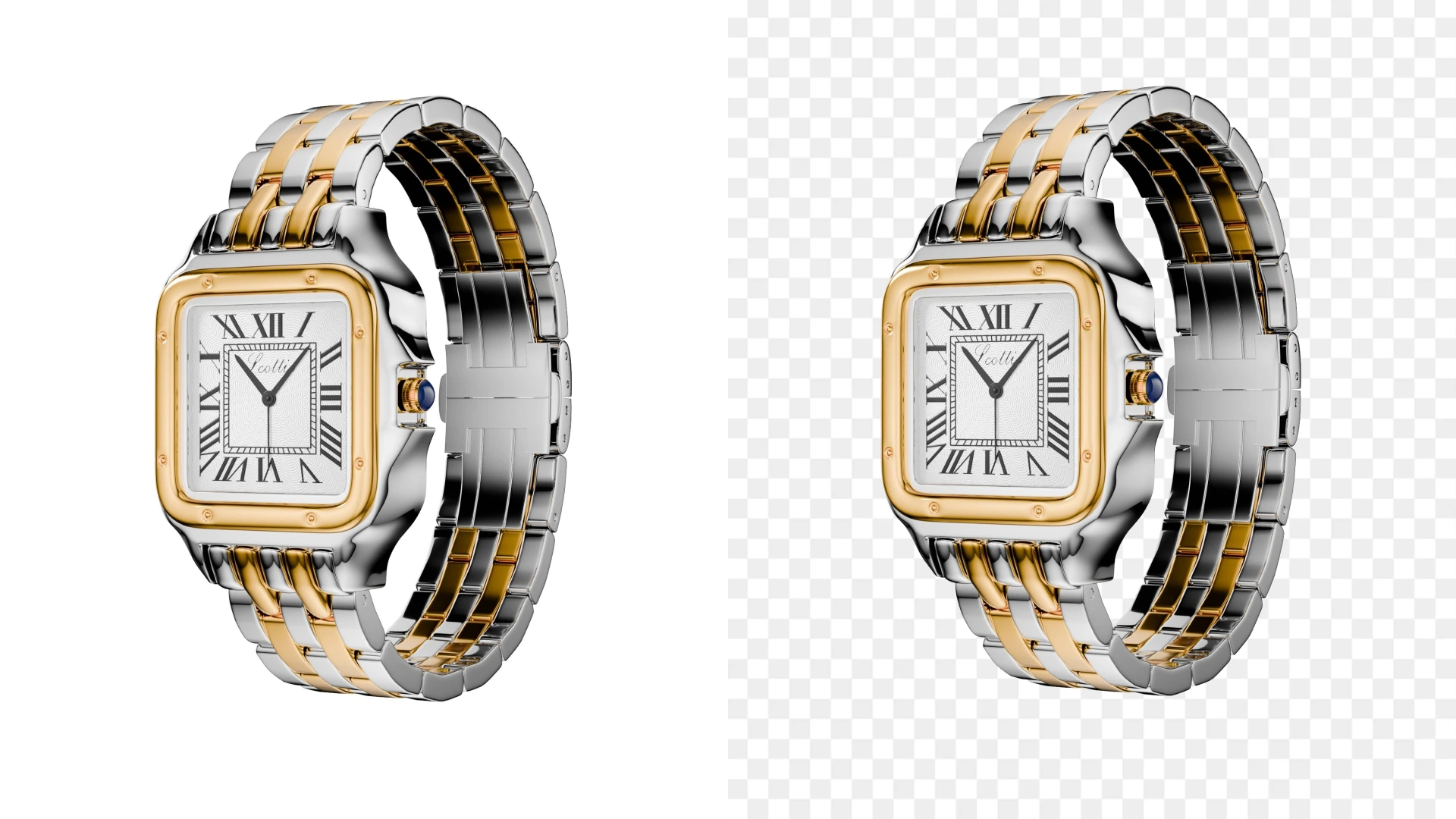
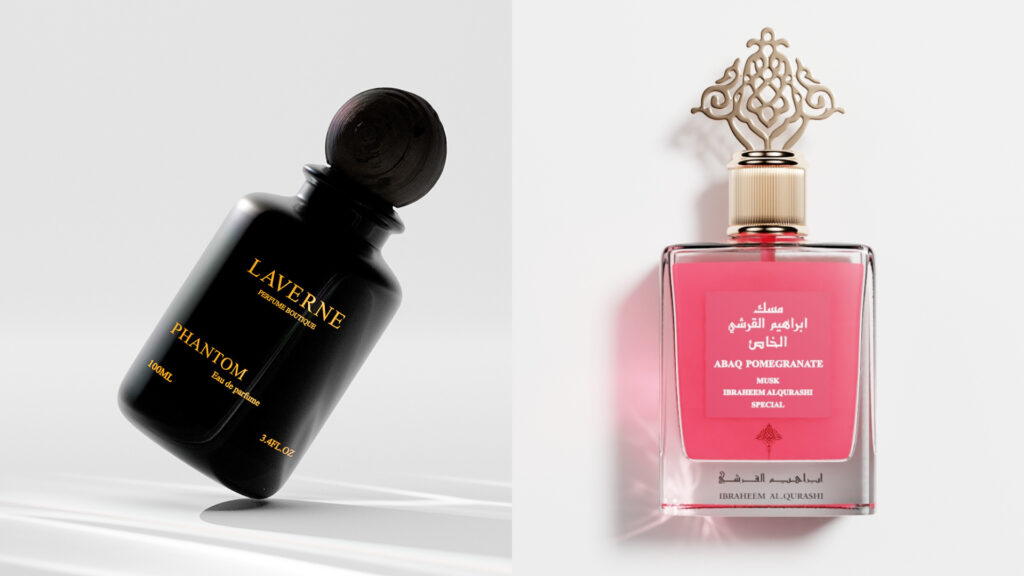
- An updated, high-resolution catalog image of the perfume bottle on a pure white background with the cap “tightly closed,” precisely matching Tooq’s final request.
But as we keep saying, the value goes beyond a good-looking animation (and even beyond a gorgeous panther). CGI enabled a creative vision that was logistically impossible with traditional methods. It was faster and cheaper, and due to our ongoing feedback rounds, we also made sure we nailed their vision to a T. So Tooq Perfumes got the launch and the brand credibility they wanted.
Conclusion: Why CGI offers unparalleled creative freedom and brand storytelling
This case study shows what we love most about CGI: its power to surpass physical limitations. We turned an ambitious vision into life and did that without an ounce of unethical behavior.
We’re also proud of our Tooq Perfumes campaign because of how seamlessly we blended hyper-detailed 3D product modeling with nuanced art. See for yourself — that panther is cute! And it was complex beyond words. Its success proves our workflow can conquer any creative challenges.
For brands that want to understand the full spectrum of possibilities, our complete guide to 3D product rendering offers a deep dive into the tech that makes the impossible possible.
Ready to bring your impossible idea to life? Contact us today for your next CGI project.

We have complete confidence in the Welpix team, and this project proved exactly why we trust them with our brand. We challenged them with a complex vision: a black panther emerging from a snowy forest and transporting into a luxury gallery. The result was simply wonderful.
The animation is striking, and the specific touches they added—like the perfect music and the final logo reveal—made the scene truly stand out. They delivered a video that is even more beautiful than we imagined, and we really appreciate their dedication.
The cost advantage: how Tooq saved money (and protected animals) with CGI
Choosing CGI made Tooq’s panther vision possible, saved them a small fortune, and spared a real animal from being pushed into a stressful filming setup. No handlers, no location fees, no reshoots, and no logistical headaches. Just full creative freedom at a fraction of the cost, and that’s what we promise here at Welpix.
If you’d like to see what a project like this might cost for your brand, check out our transparent pricing table. Do you want an image or an animation? Should the background be white, use simple props, or custom (with unlimited creative freedom)? Use the calculator to see for yourself, and our team is always here if you want to talk it through.
- 3D modeling
- White bg.
- Minimalistic
- Simple prop
- Custom
- 3D modeling
- White bg.
- Minimalistic
- Simple prop
- Custom
FAQ
What was the most challenging animation sequence to create?
The panther’s jump into the portal required the most significant revisions. Initial client feedback noted that it didn’t look realistic. We addressed this by sourcing new, real-world reference footage of a cat’s jumping mechanics and re-animating the sequence bit by bit to nail that realism.
Why were some video previews shown without the panther’s fur?
Rendering photorealistic fur is one of the most computationally intensive parts of CGI. The final animation took some 48 hours to render! To deliver a faster, more efficient feedback loop on core elements like animation, camera movement, and lighting, we provided interim previews without fur.
How was the luxurious atmosphere of the museum environment refined?
The museum’s ambiance was developed through ongoing feedback rounds with the client. To achieve a more luxurious and mysterious feel, we adjusted the digital set by graying the walls and adding gold molding. We also added winter scenery visible through the windows, and more atmospheric mist and darkness to match the launch vision (and that beautiful panther).
What assets were delivered to the client beyond the final animation?
In addition to the main video, the final deliverables included a custom animated logo for the outro, a series of high-resolution still images suitable for print and web marketing campaigns, and a separate high-resolution product catalog image on a pure white background, all derived from the core CGI project.
How do you handle creative suggestions that might not be technically feasible?
Our process is always built on expert consultation. When the client suggested adding a human character running alongside the panther, we advised that it could look fake and even compromise the quality of the core animation. By explaining the technical limitations, we collaborated to focus resources on perfecting the central element (the photorealistic panther), ensuring a stronger final product.