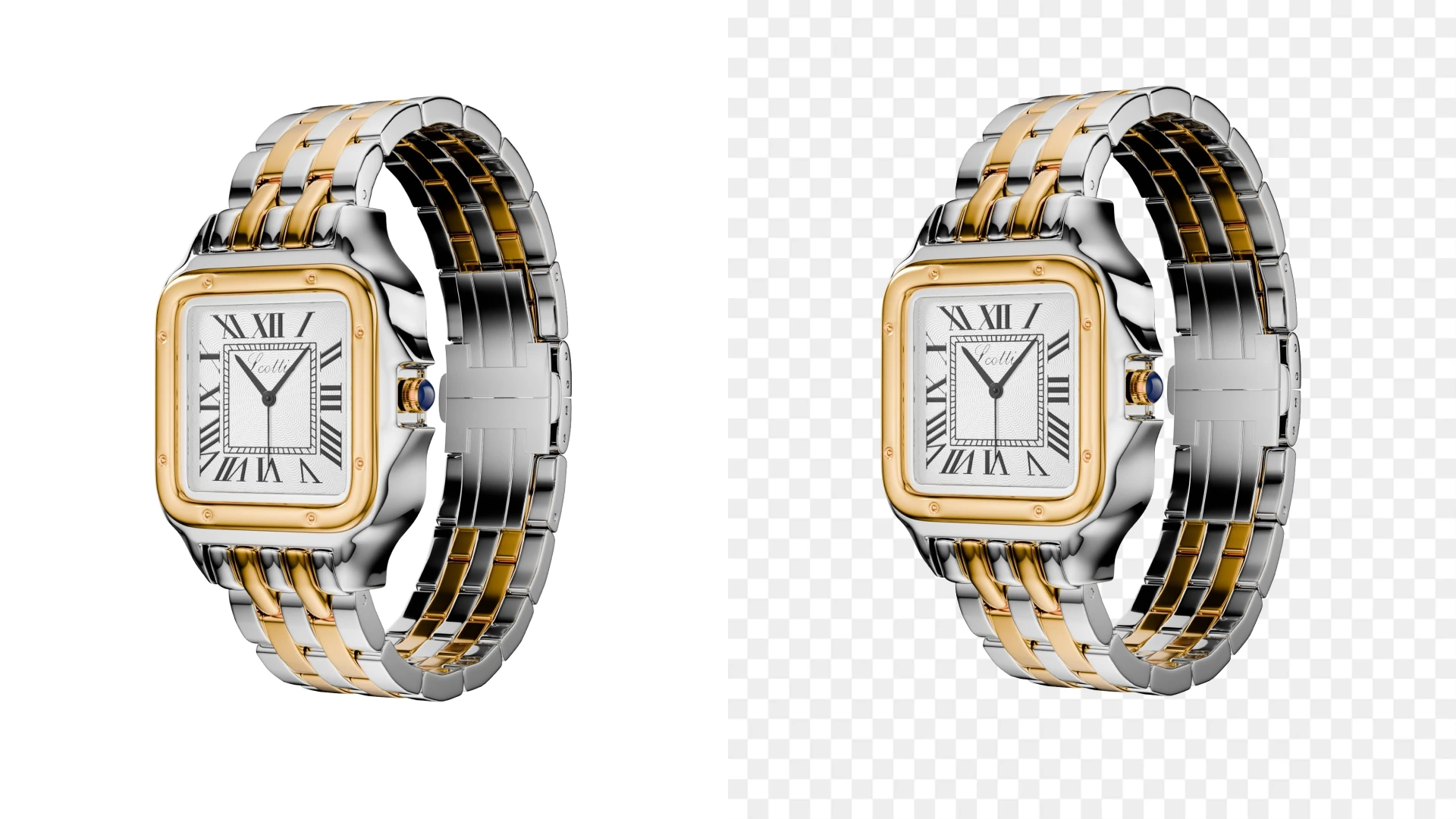
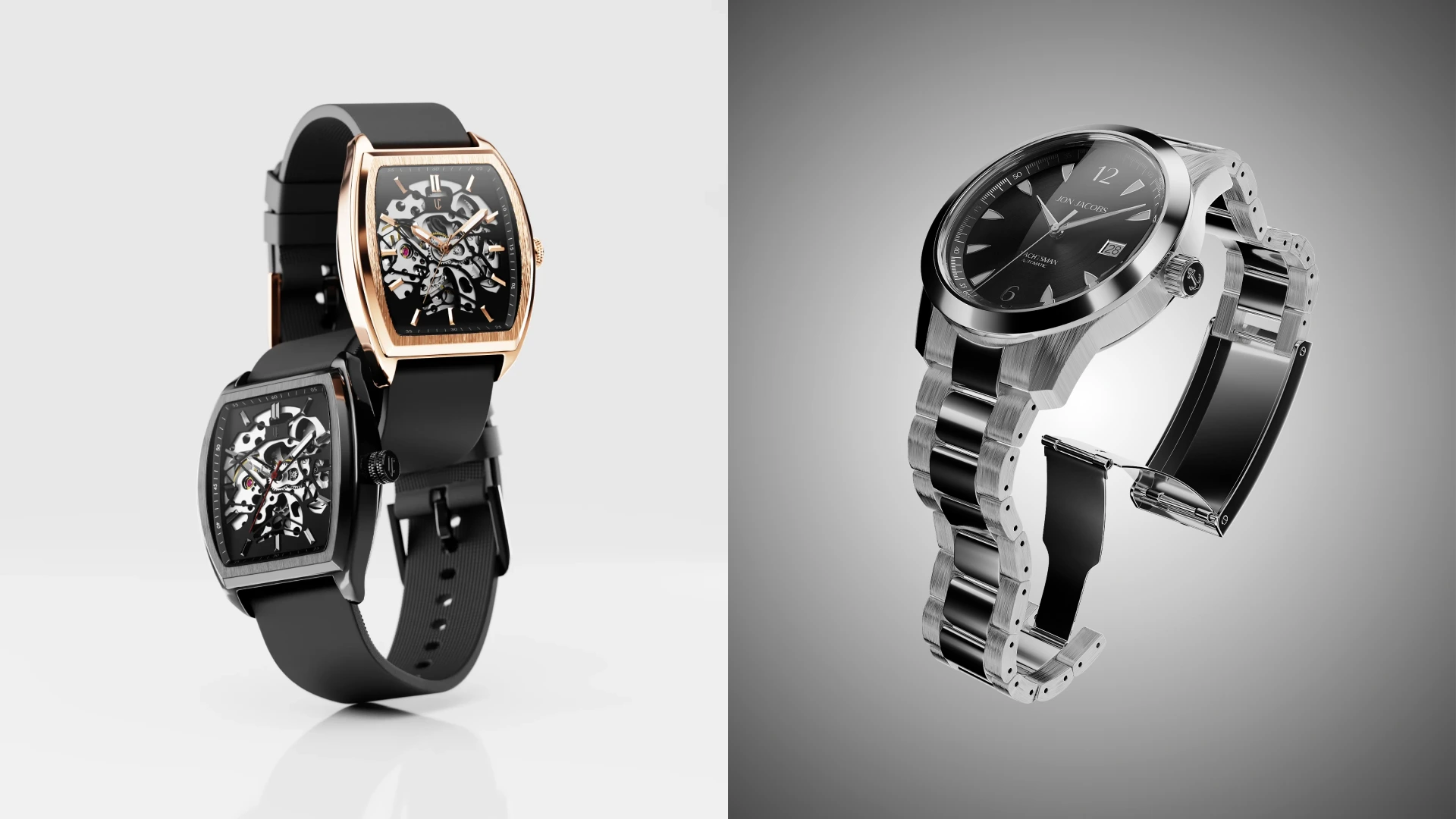
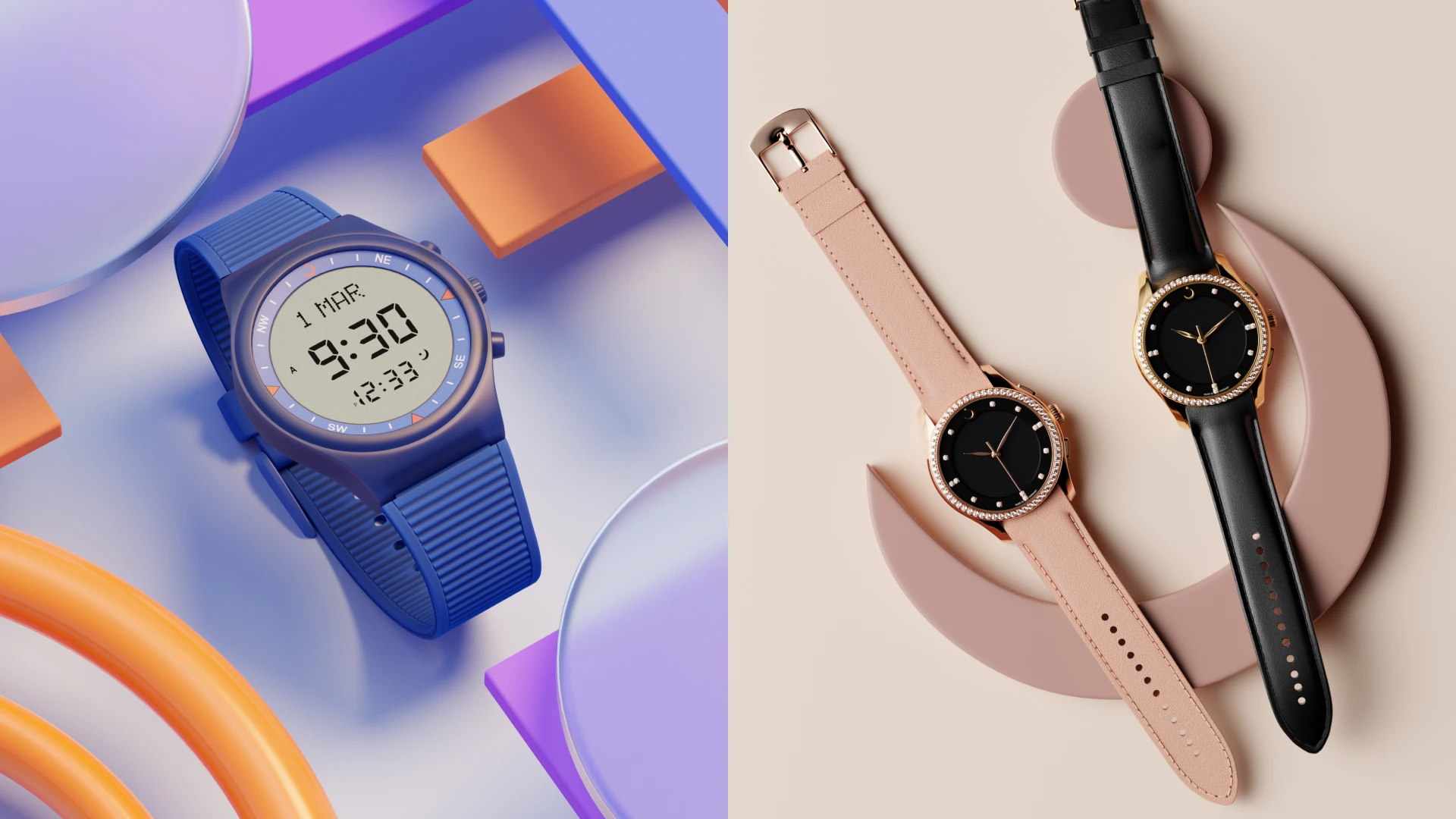
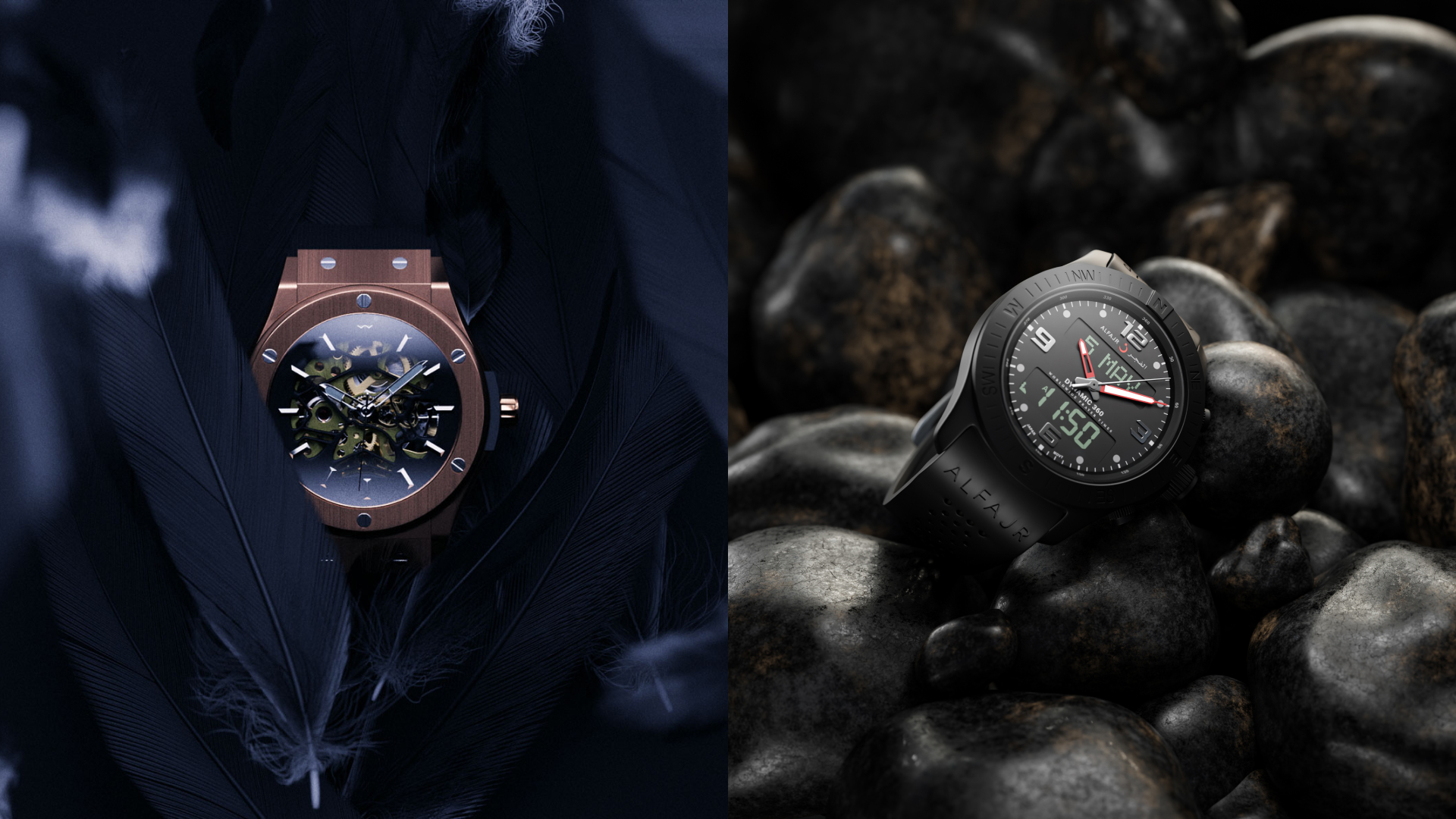
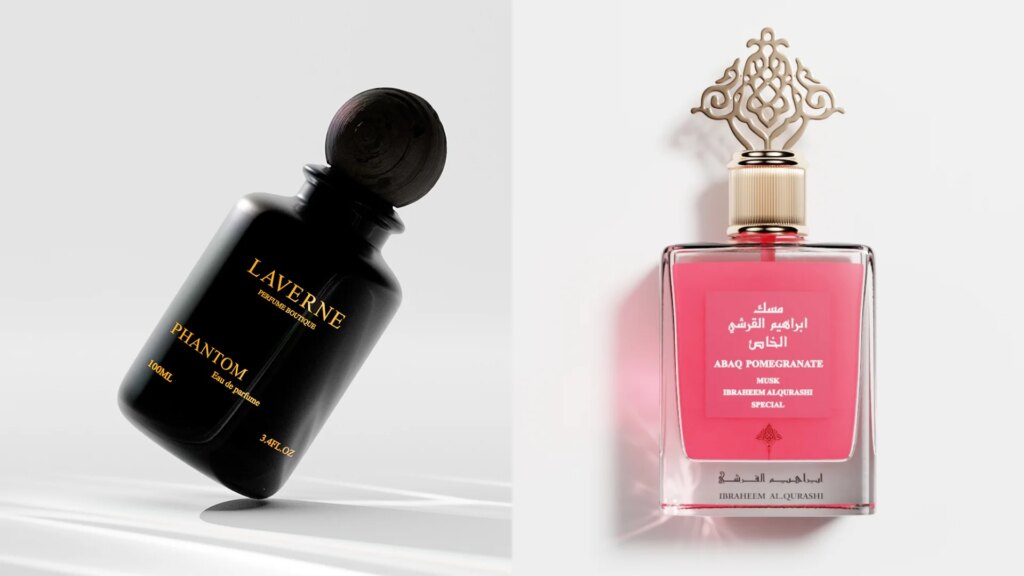
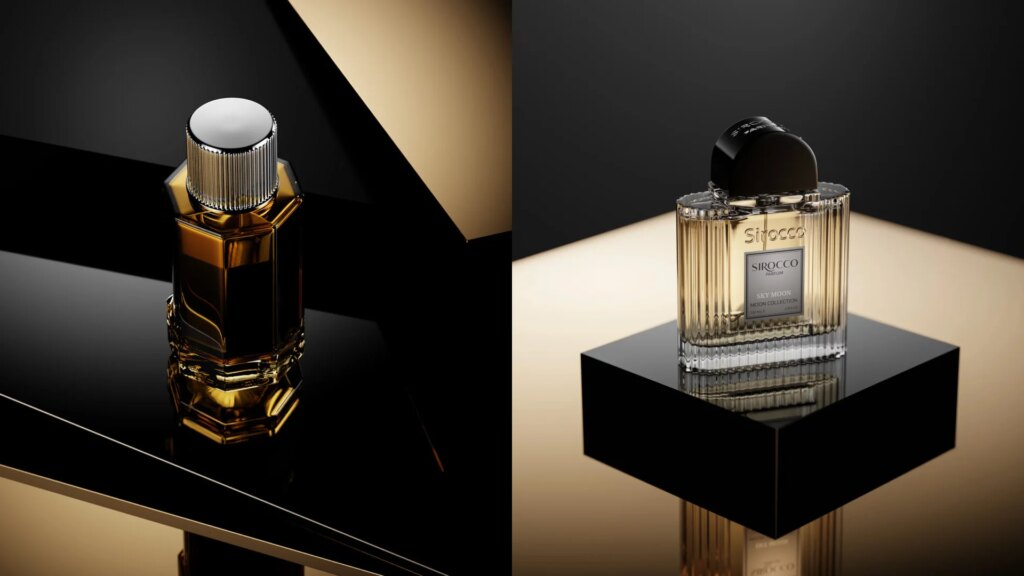
Selling online can be a bit of a cruel sport. You know your product is the right choice, but your customers can’t touch it or try it on in real life. Meaning your visuals have to do all the convincing. Meaning your photos and videos have to be absolutely top-notch in this super-saturated market. We believe this is where CGI for product rendering truly shines.
CGI product rendering gives your brand full control over how products look, feel, and behave on screen, and makes sure your aesthetic stays the same across platforms and campaigns. CGI solves the biggest online selling problems in one move: inconsistent visuals, slow production, limited angles, costly reshoots, and in our humble opinion, many more.
When done right, product CGI turns browsers into buyers, then buyers into loyals. Here’s everything you need to know about it, plus every good reason to start using it today.
What is CGI product rendering?
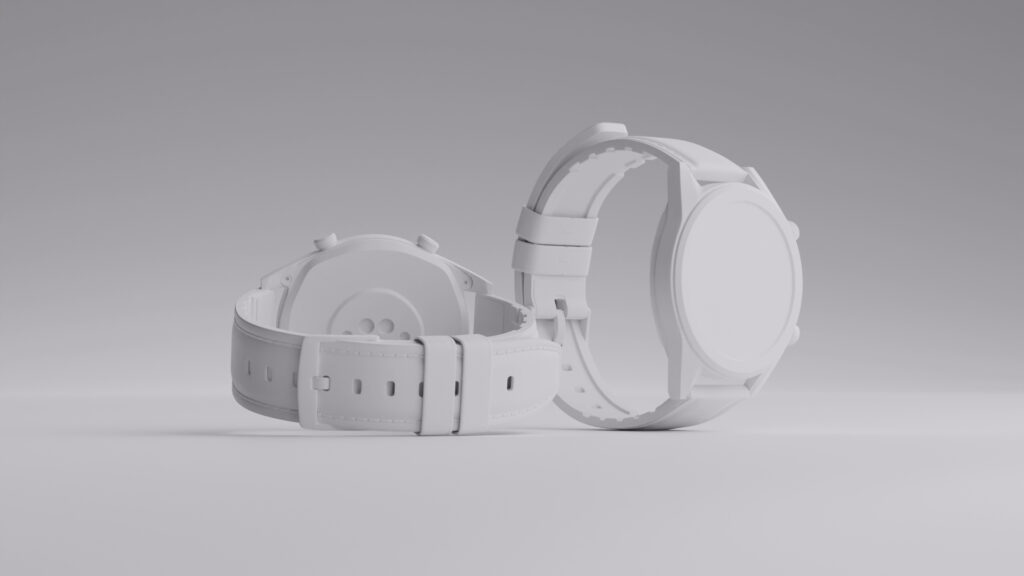

Let’s settle the basics before we get clever.
What is CGI? CGI stands for computer-generated imagery. In plain terms, it means visuals created entirely with computers rather than cameras. But don’t be fooled: high-end CGI product rendering still follows the same rules as traditional photography. In fact, CGI pros draw heavily from real-world physics like lighting, materials, reflections, and camera optics. That’s exactly how they achieve truly photorealistic renders.
What does CGI mean for products? It means using 3D software to create lifelike digital versions of real (or not-yet-real) products.
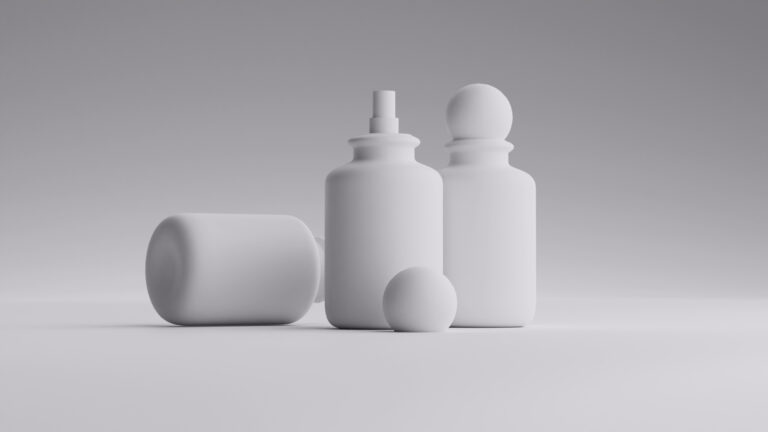
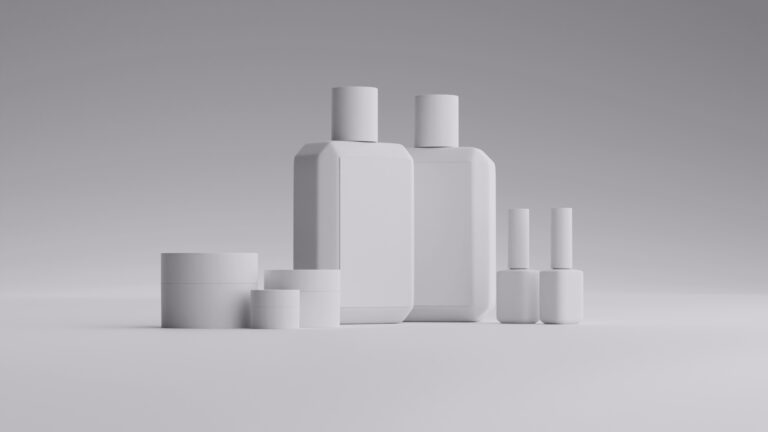
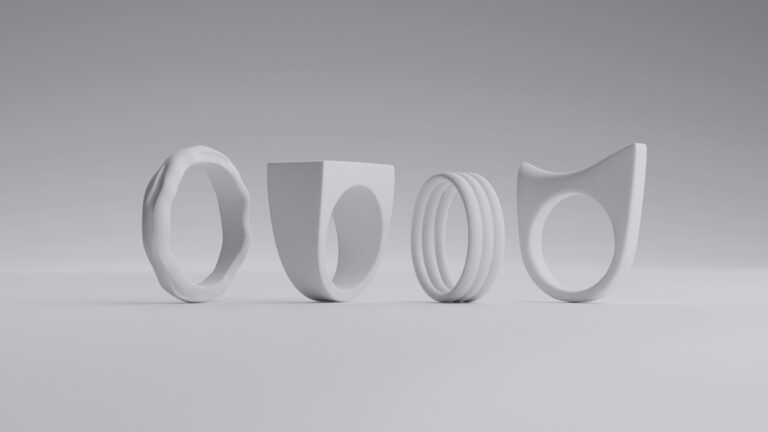
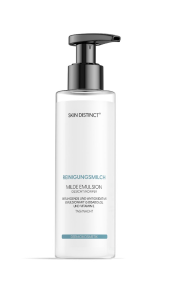
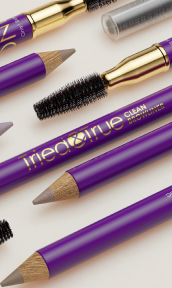
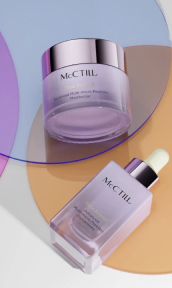
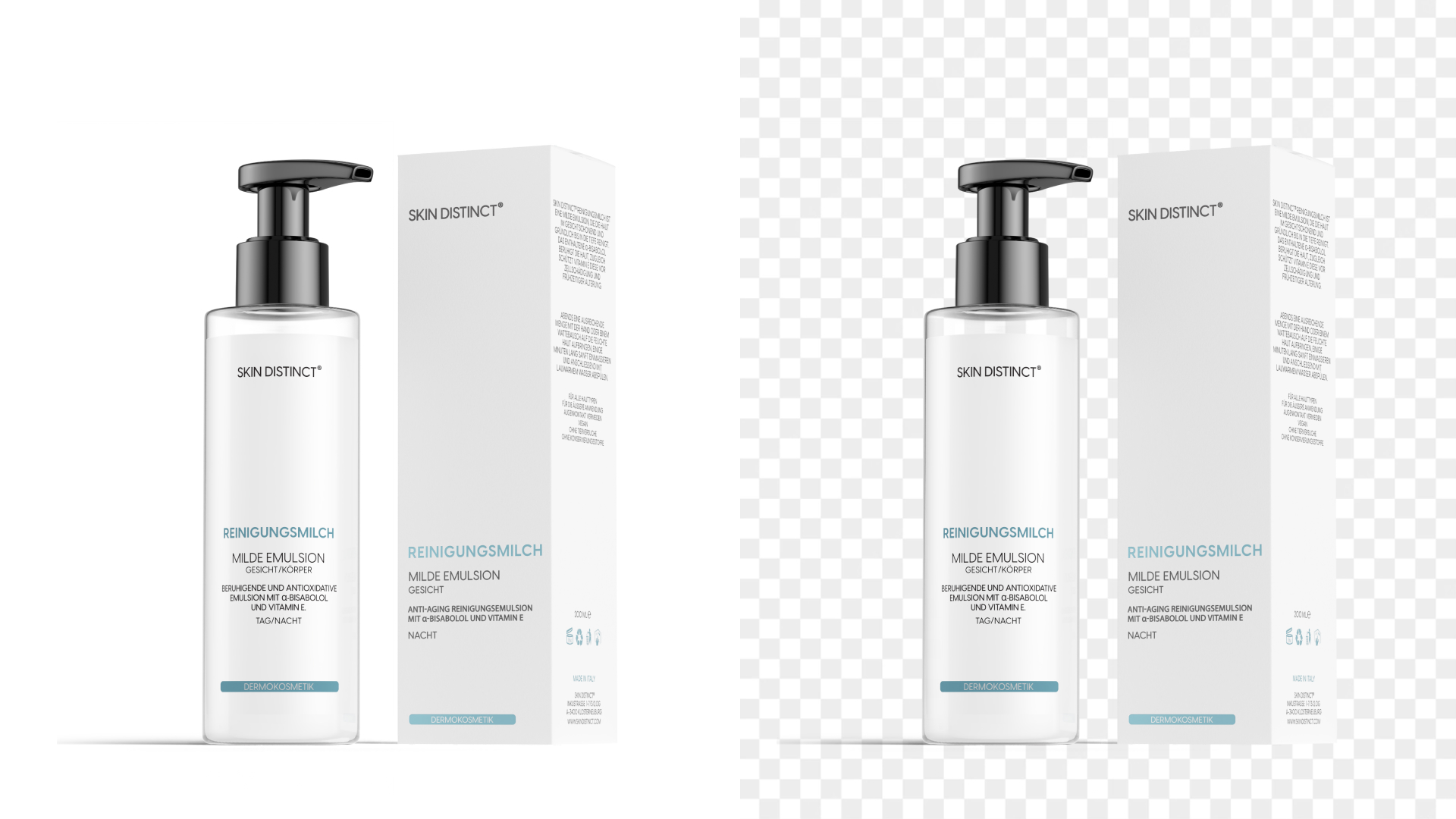
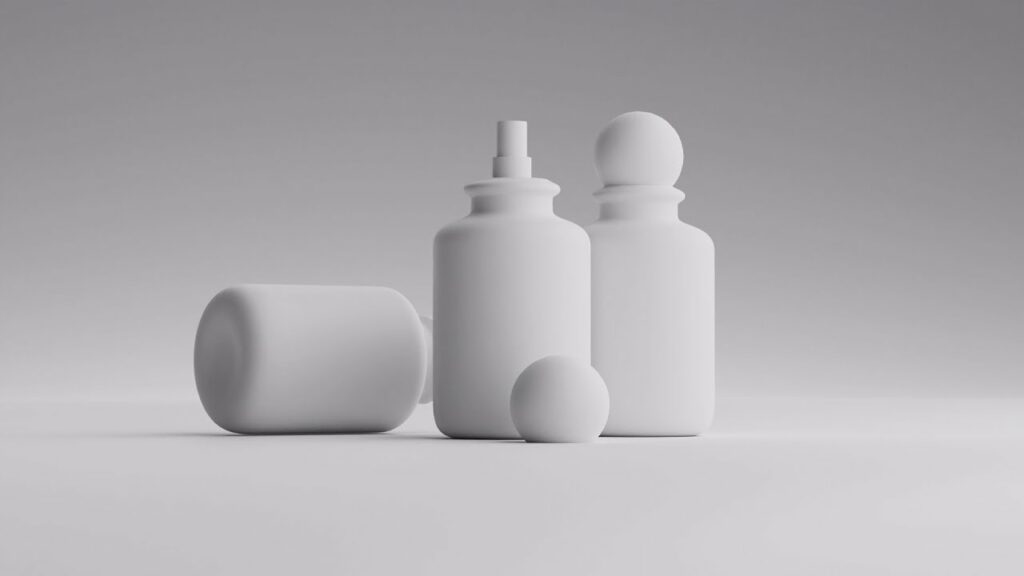
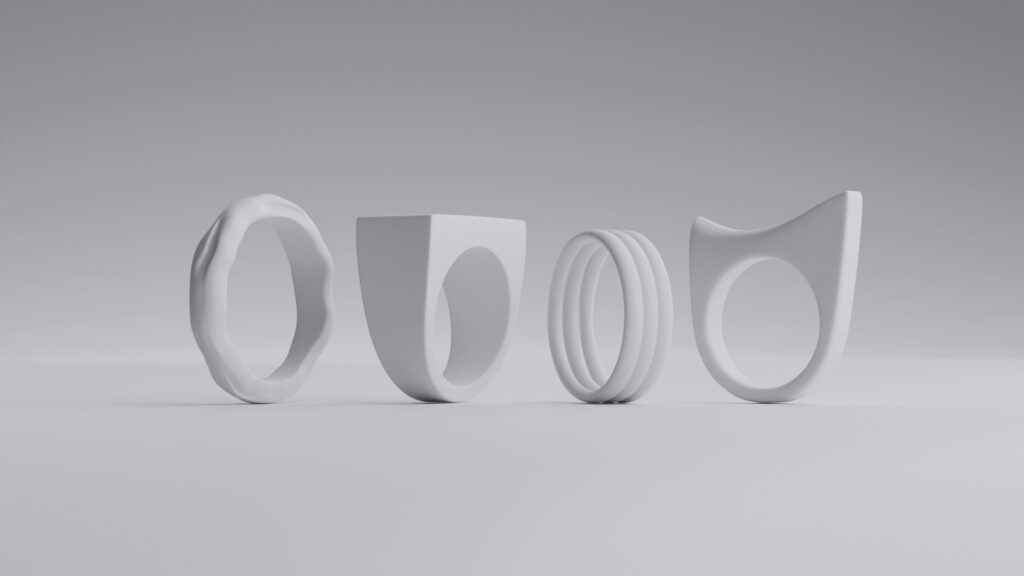
CGI product rendering uses 3D product modeling, materials, lighting, and virtual cameras to produce photorealistic product renderings, also called CGI renders or computer-generated images. These visuals can replace or support traditional photography across ecommerce: ads, catalogs, social media, you name it.
Indeed, many brands do a bit of both. Others are embracing CGI 100%, and relying on side quests like UGC (user-generated content) to show actual photos of their products online. Now, let’s see 10 great reasons for using CGI for your brand’s visuals.
Reasons to use CGI for product rendering
Cost efficiency at scale
This is one of our favorite ones. Once your product is modeled, creating new images becomes a breeze. It’s faster, more flexible, and much cheaper than repeating traditional photoshoots. You eliminate studio rentals, shipping products back and forth, or coordinating schedules with photographers and stylists (not to mention the photographers and stylists themselves).
Brands with large catalogs (furniture, fashion accessories, electronics) can reuse the same 3D product renders across seasons and campaigns. Just change backgrounds and microdetails to suit your needs. That’s how your CGI visuals keep paying dividends long after the initial setup.
If you’re planning a project, it’s also worth understanding 3D product rendering prices before deciding on the scope and complexity of your visuals.
Faster time to market
CGI rendering works in parallel with production, not after it. This means you can start creating product visuals while manufacturing is still underway, instead of waiting for final samples to exist, then shipping them to your CGI partners. Just send accurate descriptions and measurements, and you’ll get a perfect digital twin of the real thing before the real thing even arrives. For startups and seasonal launches, this shaves weeks off the go-to-market timeline and helps you start selling the moment products are ready.
Unlimited creative control
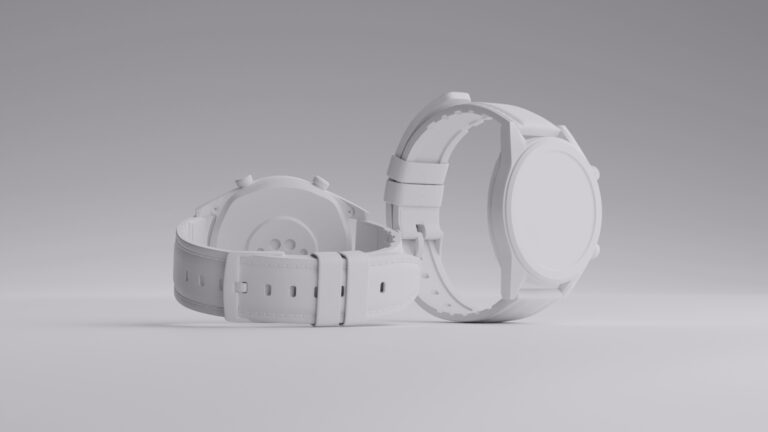
With CGI, you’re no longer at the mercy of physical constraints (how many times can you nail an Apple Watch floating serenely before it misses the cushion underneath?), weather conditions, or studio limitations. Lighting, angles, environments, and compositions can all be adjusted digitally until they match your brand vision to a T. Same goes for backgrounds: anything from a pretty family lifestyle scene to out in space is possible and easy with CGI renders.
Perfect consistency across channels
Every CGI product rendering is created from the same digital source. That’s actually great news. Your visuals get to stay 100% consistent across platforms. Your product will look the same on your website, in paid ads, on social media, and in print, without unexpected color shifts or lighting mismatches. And future visuals can feature the exact same color palettes, shading, textures, etc. For brands that care about visual identity (as they should), CGI rendering is a must-have,
Easier product variations
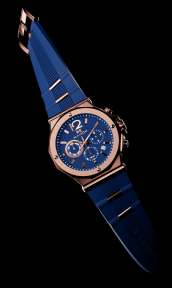
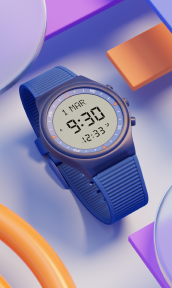
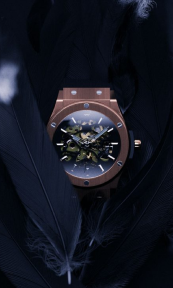
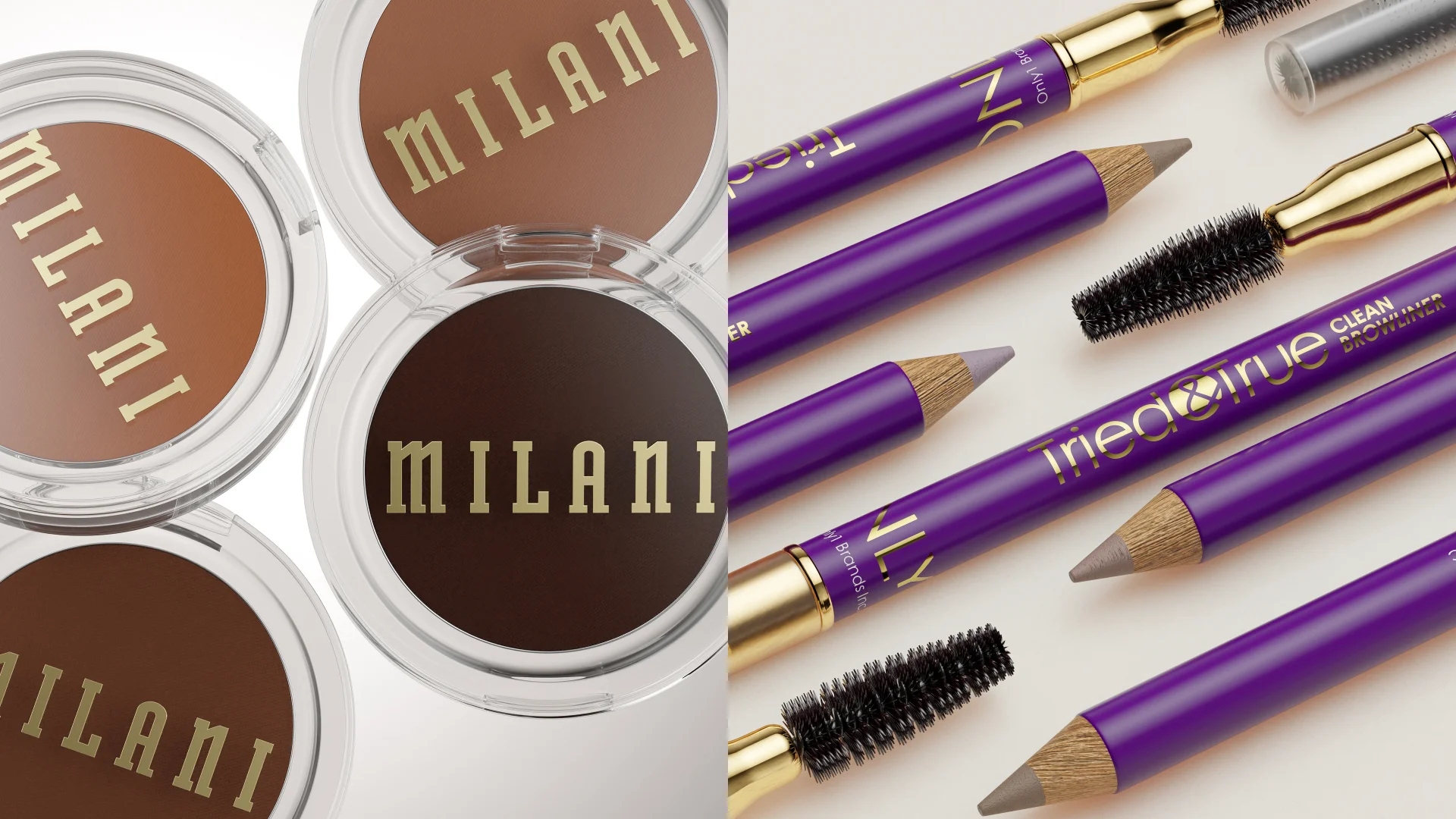
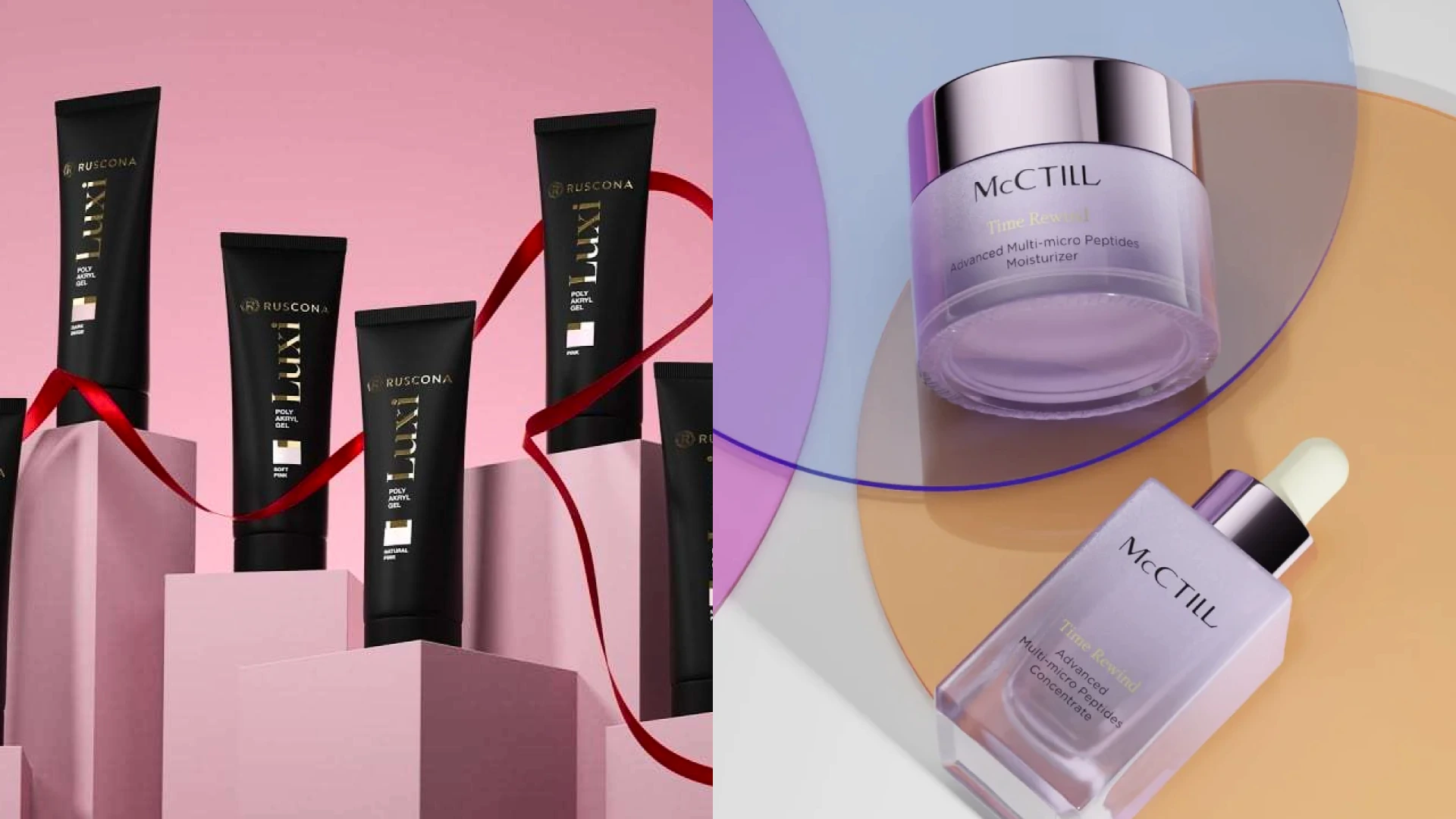
CGI also makes showcasing variations refreshingly simple. Colors, finishes, materials, and configurations are adjusted digitally. So once again, there’s no need for rebuilding or reshooting your products. A single 3D product rendering can generate dozens of SKUs. This makes it perfect for, say, brands selling sofas in multiple fabrics, watches with different straps, or cosmetics in wide shade ranges.
Photorealism that rivals photography
Modern CGI rendering has reached a level of realism that closely mirrors traditional photography. In fact, we urge you to check out any famous brand’s latest campaign and see if you can tell whether it’s CGI or traditional photography. Yep, many times, it’s hard, even for a pro.
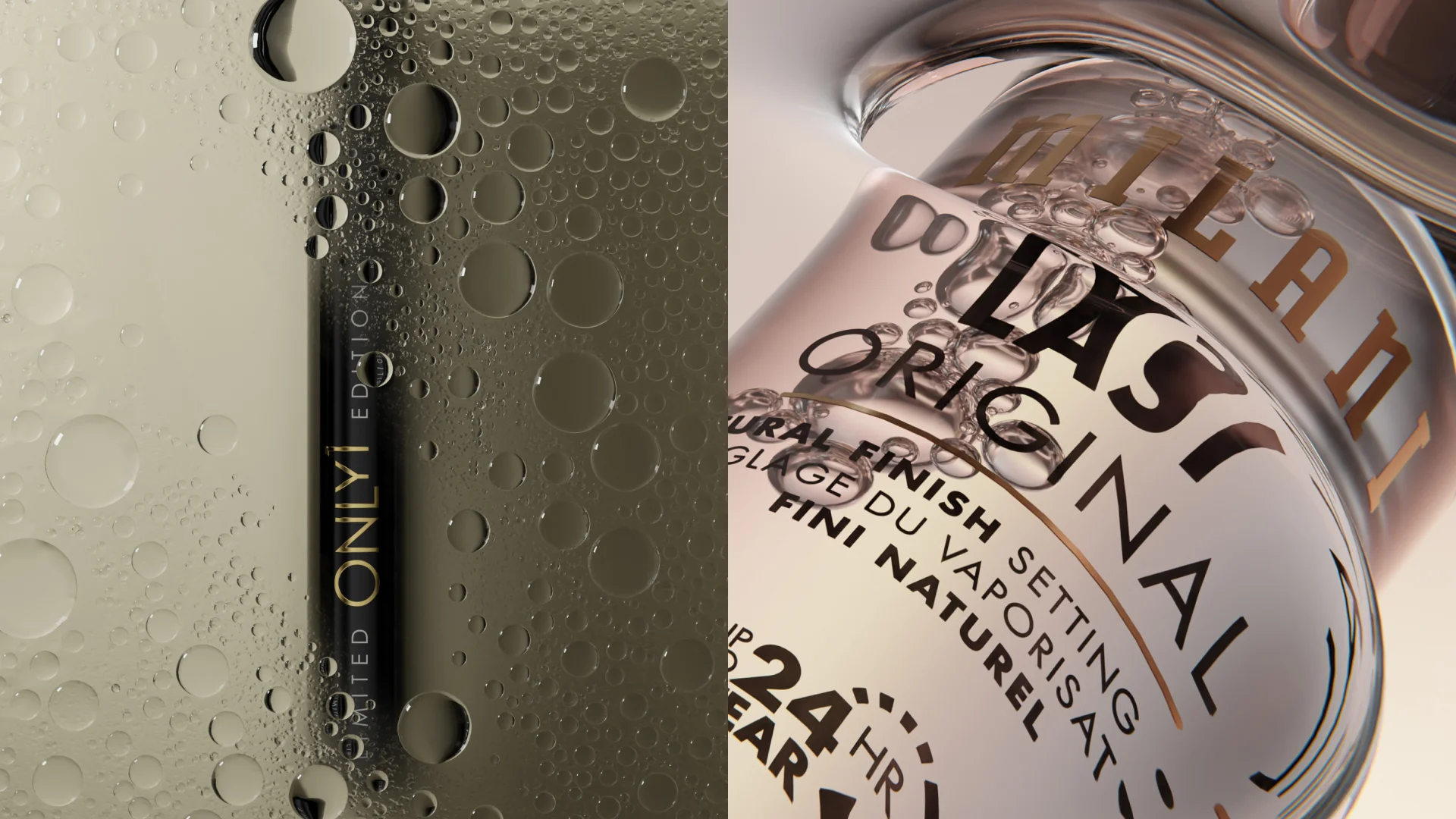
Materials behave like their real-world counterparts, light reflects naturally, and tiny details are rendered with precision (sometimes, imperfections are added all over, to drive the point home). This makes the shopping experience for online buyers familiar and trustworthy.
- 3D modeling
- White bg.
- Minimalistic
- Simple prop
- Custom
- 3D modeling
- White bg.
- Minimalistic
- Simple prop
- Custom
Better ecommerce performance
Interactive CGI renders help customers understand products more clearly before buying, and that’s crucial if you want them confident enough to actually make that purchase. Features like 360-degree views, close-up zooms, and animated details answer common questions visually. This means overall higher engagement, stronger conversion rates, and fewer returns caused by unmet expectations.
Ideal for complex or technical products
Some products are simply hard to explain with static photos. Sometimes, you need exploded views or step-by-step animations to show how a product works (or what component makes it shine in comparison to competitors). CGI lets you do that easily. This is especially valuable for B2B, industrial, or tech brands: the more clarity, the better, always.
Easy updates and revisions
Product changes are inevitable. Logos evolve, features are updated, regulations shift, you name it. What’s more, maybe you’ve just changed your mind about your brand’s style halfway through a launch. With CGI rendering, these adjustments don’t require starting from scratch or scheduling another expensive photoshoot. Small changes can be made directly to the digital model, and in no time, compared to traditional photography.
Future-proof visual assets
Ending the list with another top reason. A well-built 3D product render is so much more than a one-time asset. The same model can be reused for 3D animation rendering, augmented reality experiences, configurators, videos, plus future campaigns. Basically, you’re building a visual system that grows with your business.
Types of CGI product rendering services
Not all product CGI does the same job. Here’s how the main types are used in practice (and why they shine).
3D product modeling & rendering
This is the foundation of CGI for product rendering. Brands in ecommerce, tech, beauty, and manufacturing rely on these photorealistic product renderings in pretty much all areas (websites, marketplaces, and ads).

360 product photography and lifestyle rendering
Interactive spins and lifestyle scenes help customers understand scale and context. That’s super precious for furniture, homeware, and consumer electronics. Online buyers need to see your products in use to visualize themselves owning them.
<iframe width="610" height="370" src="https://c.y360.at/prod/CsyqRvrgx/SAaA9AvaI/va/iframe.html" frameBorder="0" scrolling="no" allowFullScreen </iframe>
3D animation and AR integration
3D animation rendering brings products to life by showing movement and functionality in a way static images simply can’t. For example, an electronics brand can use animation to show how a device is assembled or how internal components work together. Chances are, the buyer prefers this to a lengthy description underneath.
AR builds on this by letting customers preview products in their own environment. Think furniture retailers allowing shoppers to place a sofa in their living room, or wearables brands letting users see how a piece looks on their wrist before buying.

Materials, textures, and lighting techniques
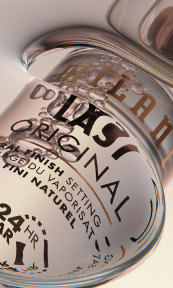
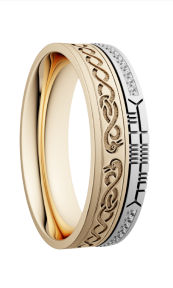
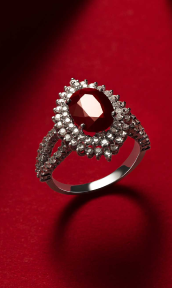
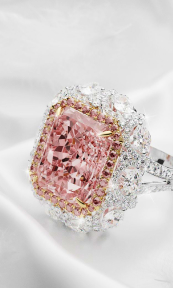
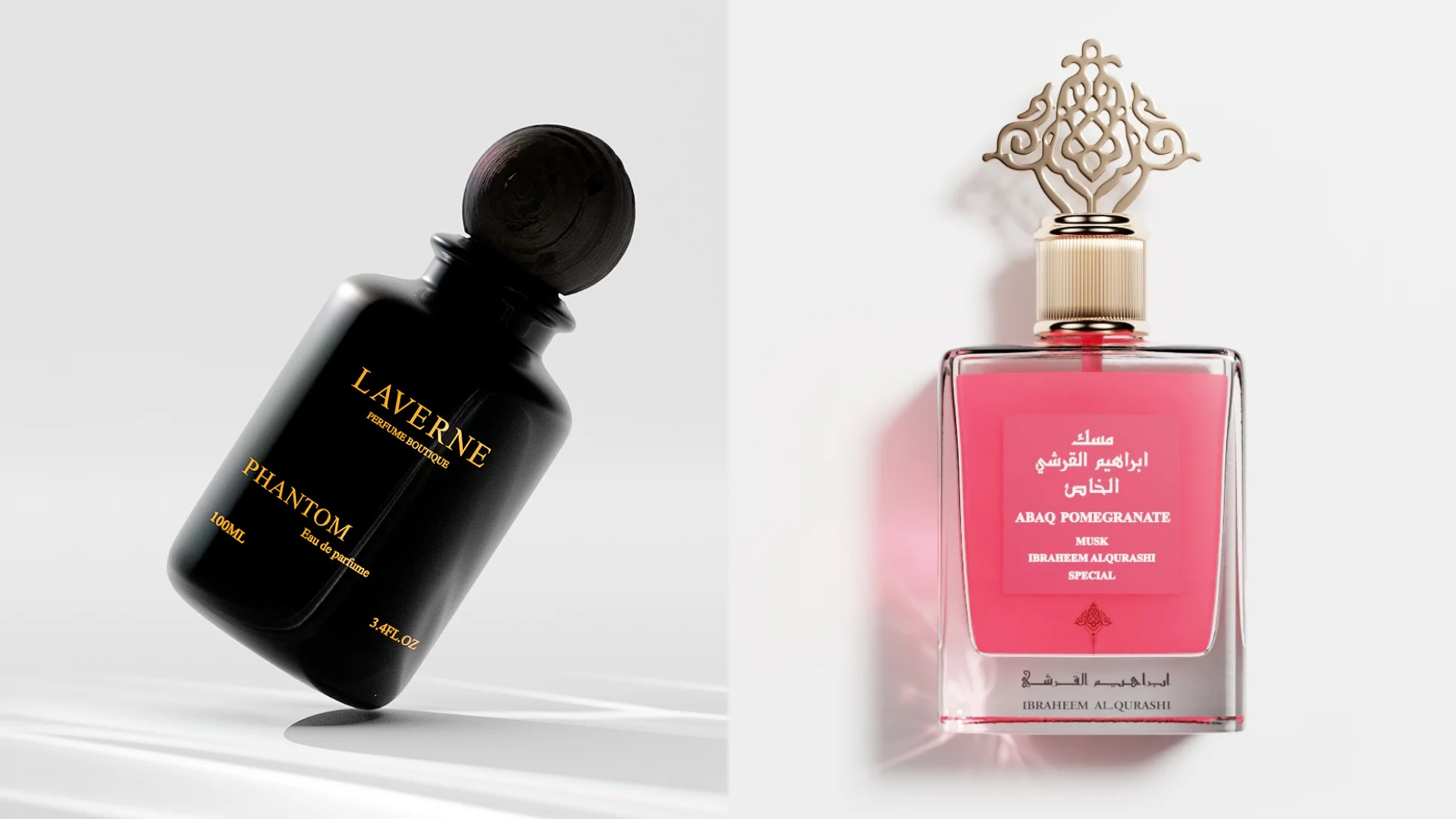
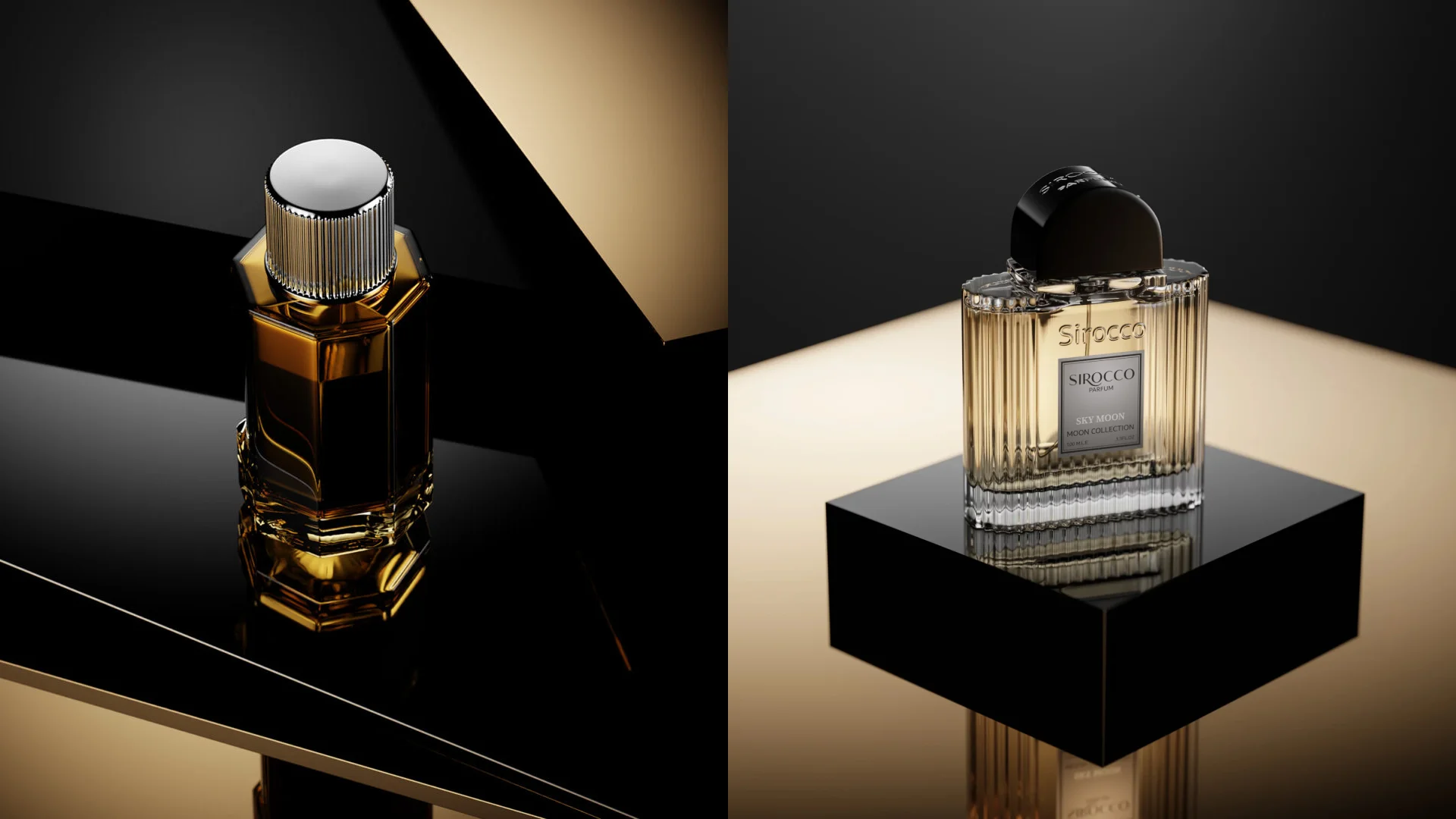
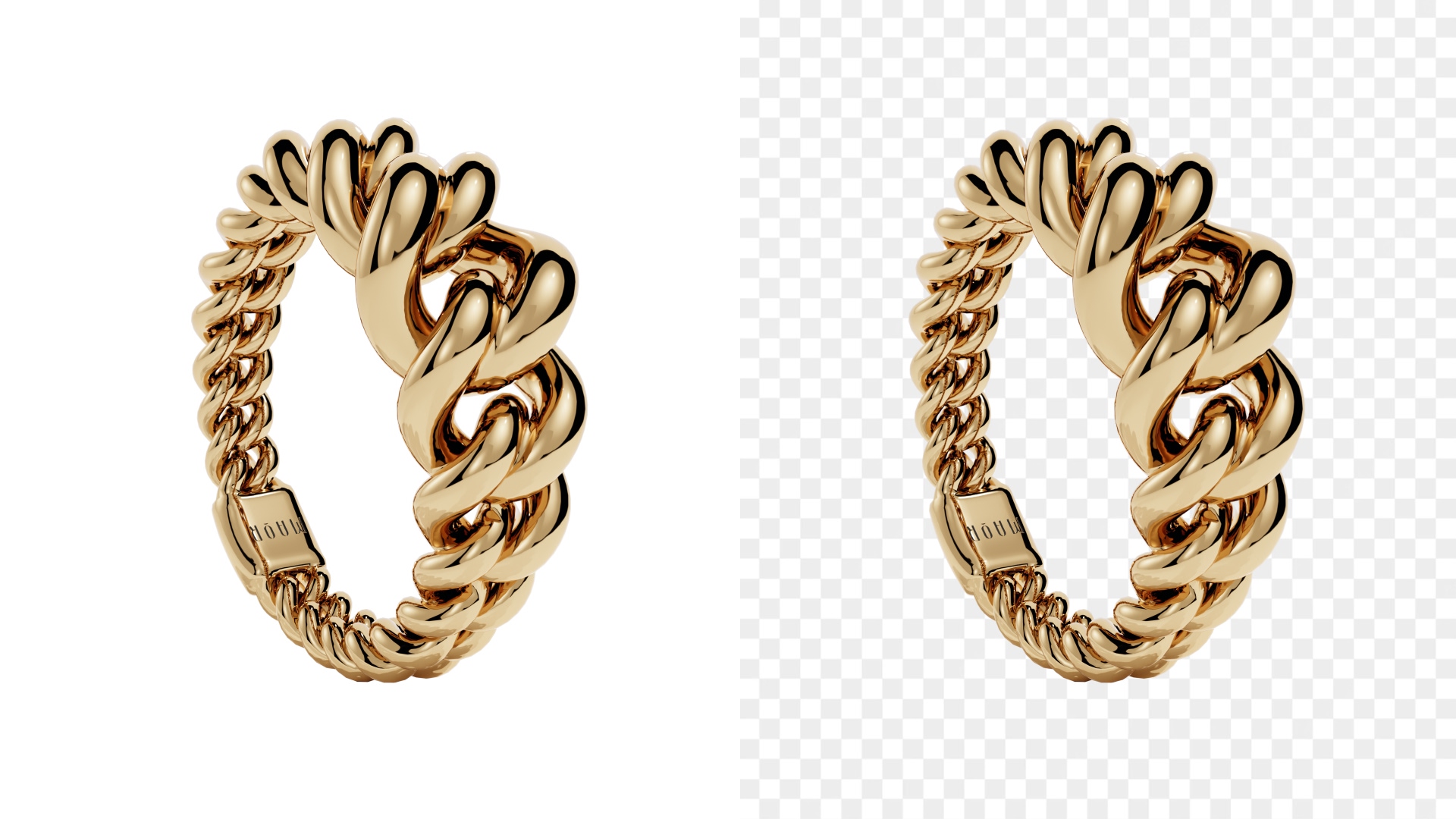
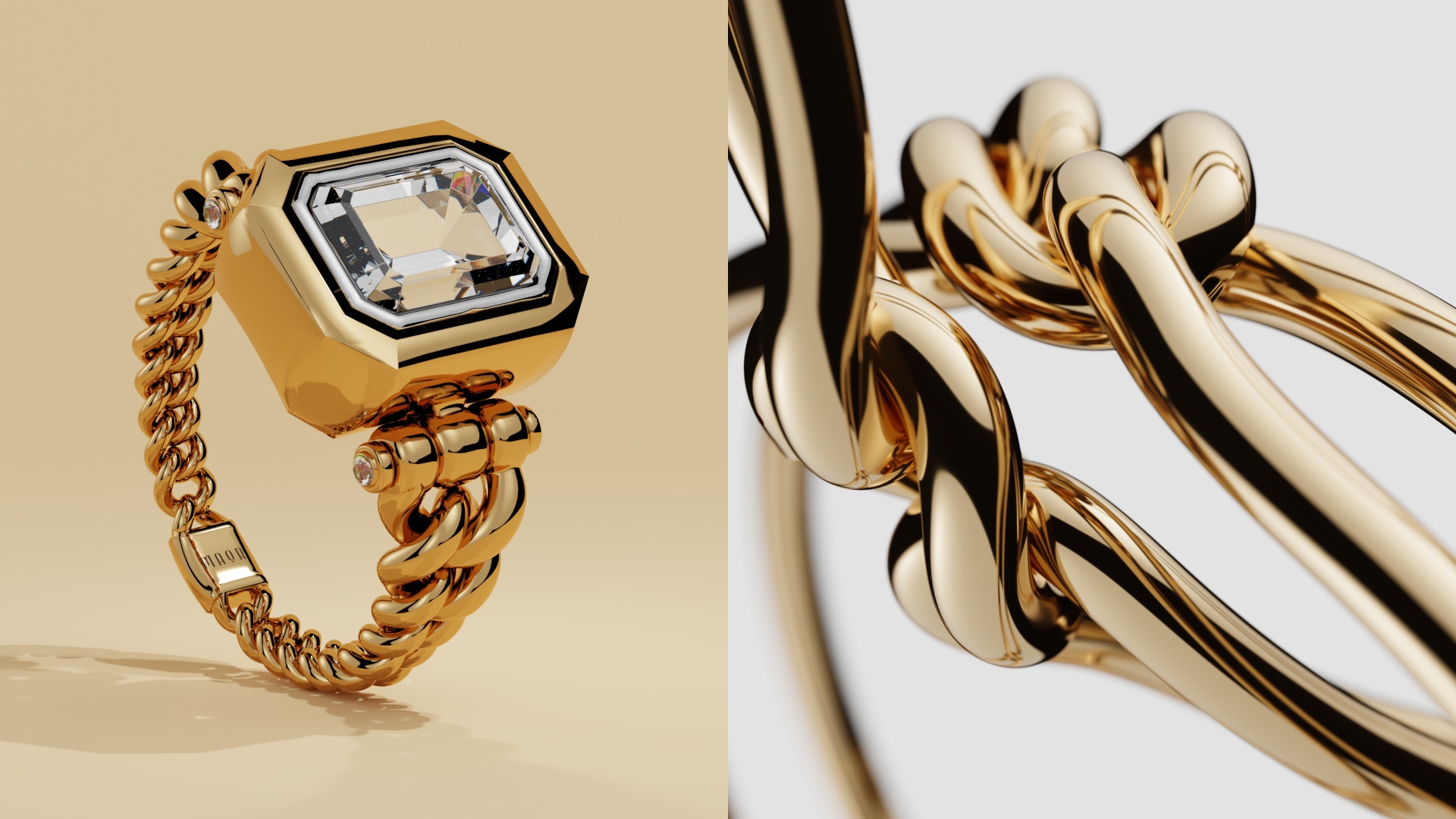
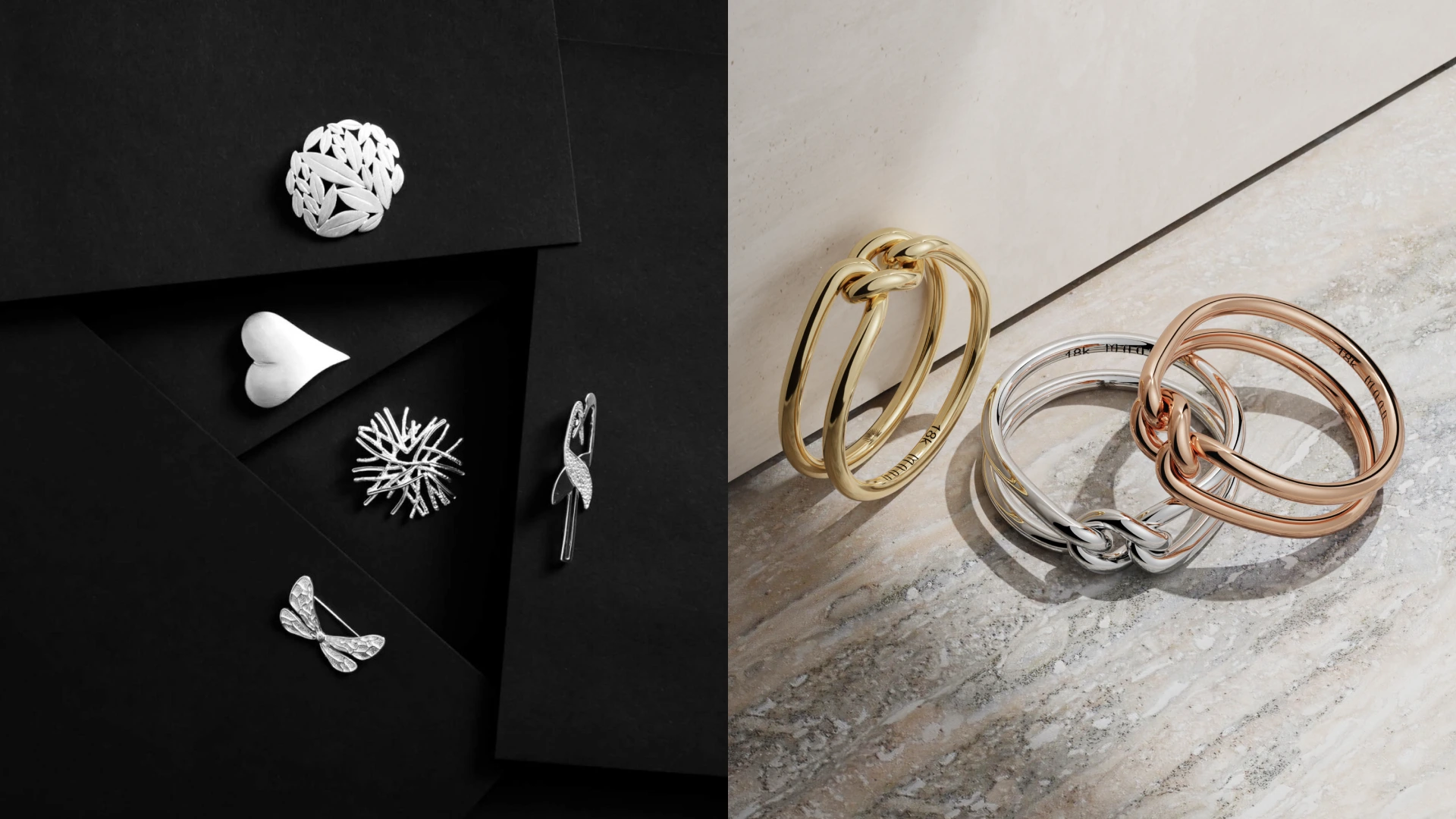
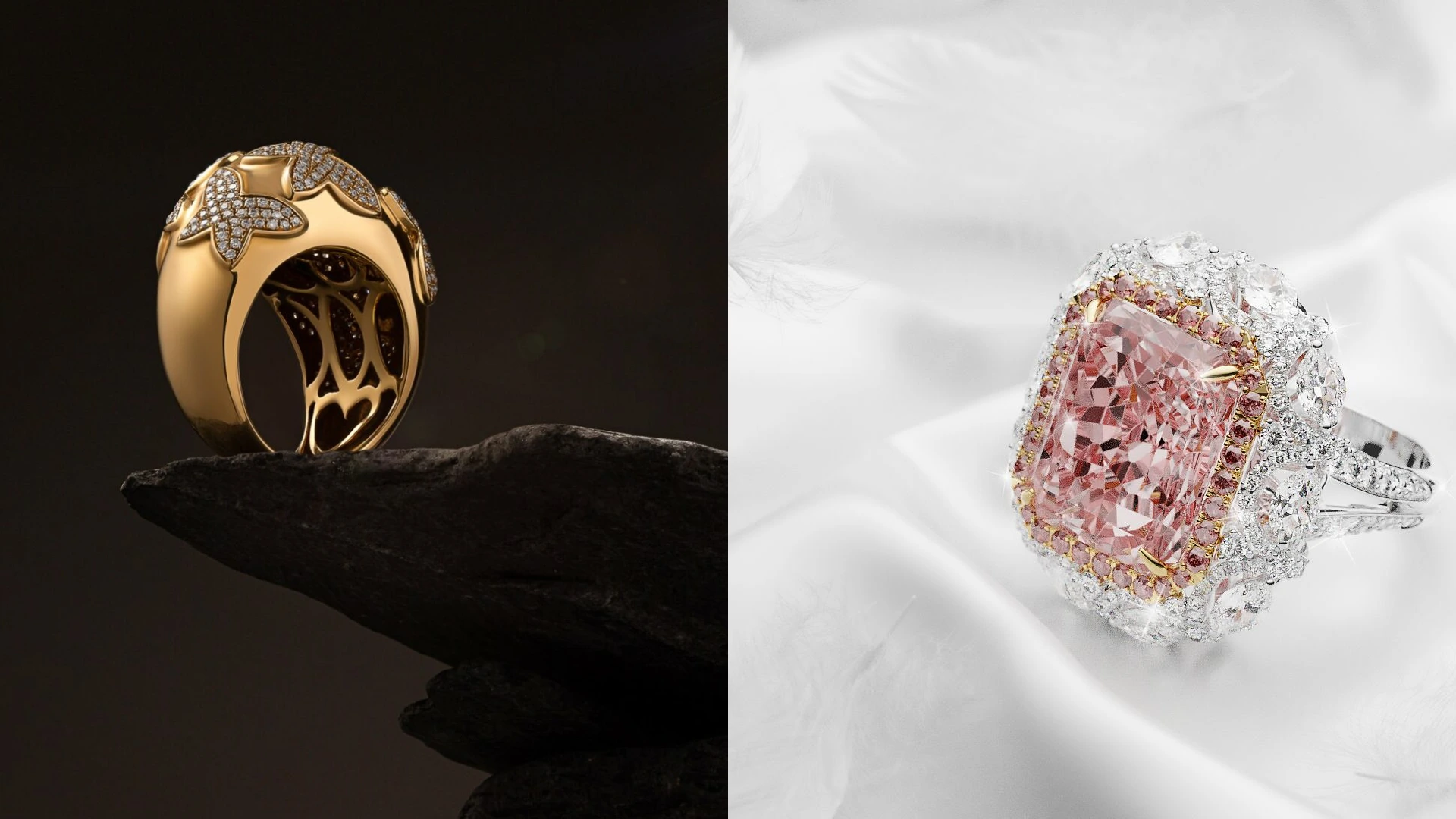
Advanced shaders replicate glass, metal, fabric, liquids, and reflections down to the micron. This is crucial for luxury, cosmetics, and jewelry CGI renders. The more expensive a piece, the more your online buyers will want to know exactly what they’re getting.

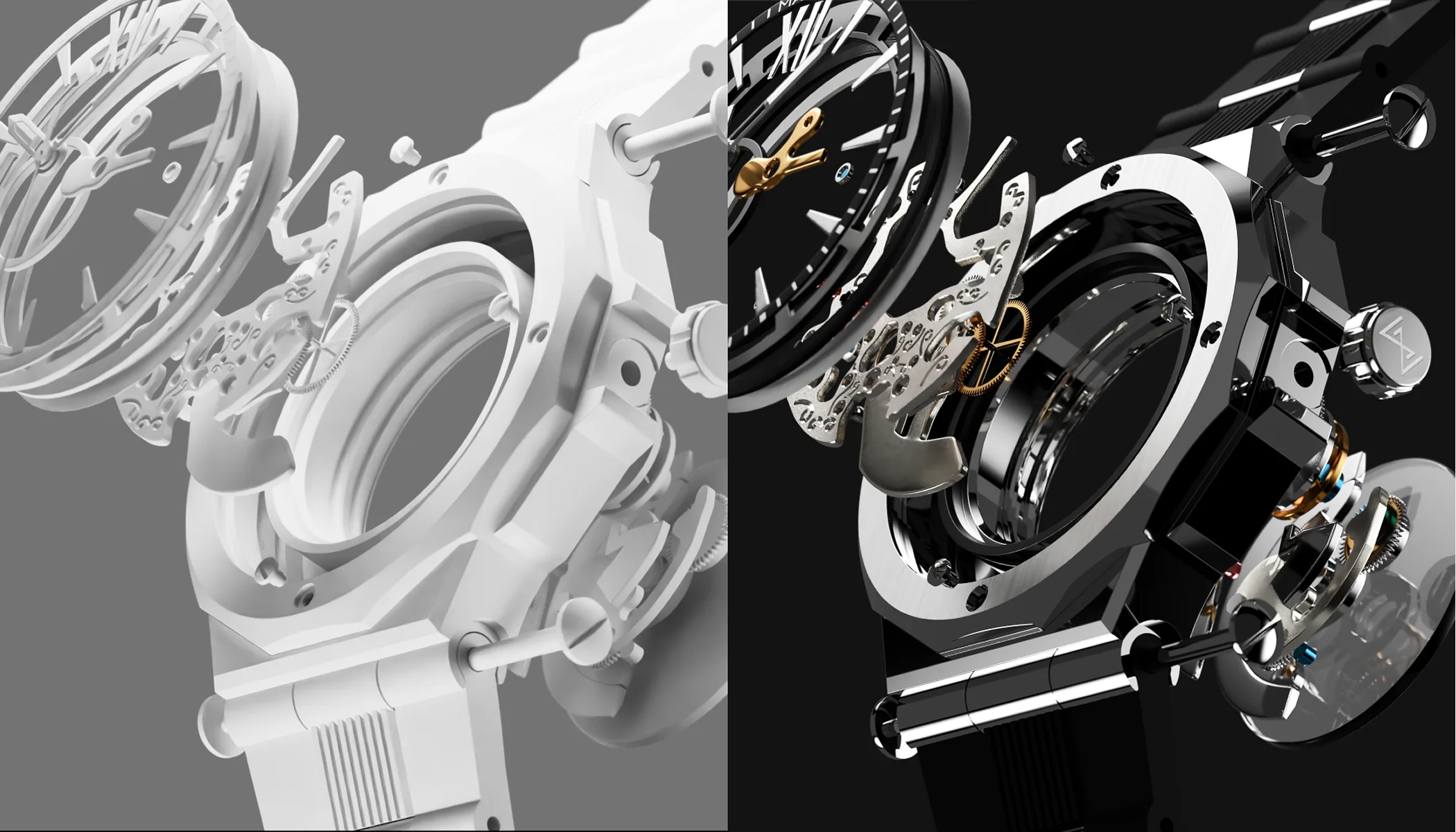
Exploded views and technical visualizations
These truly shine for B2B, industrial equipment, and electronics brands. CGI renders can reveal internal components and engineering details without physical teardown, and in instances like exploded views, which traditional photography simply cannot get.
Process of CGI product rendering
Good CGI is not magic. Every pro follows the same steps:
Pre-production and design briefing
This stage defines goals, references, angles, and use cases. This is where you (or your art director) talk to the CGI team, and you discuss your vision until you’re in sync and very clear on your end goal. Clear briefs save time and money (and all those creative arguments later).
3D modeling
This is where the CGI artists build perfect digital twins of your product. They’re often based on CAD files. The more images and measurements, the better. If you have the actual product on hand, you can ship it to the CGI team for extra clarity. It’s precision that determines how realistic the final product rendering will be.
Texturing & lighting
This is where your product comes to life on screen. Materials, colors, and lighting setups are applied to mimic real-world physics, from how light bounces off metal to how it diffuses through glass or fabric. CGI artists use physically based rendering (PBR) to control reflections, shadows, surface roughness, light falloff, and more. This is how your digital product twin reacts to light the exact same way it would in a real photographic studio.
Rendering and post-production
The final images are rendered at required resolutions, refined, and optimized for different channels, from ecommerce thumbnails to large-format print. And this is where your asset becomes future-proof, reusable endlessly for various campaigns, offers, and media.
Wrapping up


CGI for product rendering has become an absolute must in 2026. So many brands are leveraging it today (whether alongside or instead of traditional photography), because it replaces fragile, expensive workflows with scalable, consistent, high-impact visuals.
At Welpix, we help brands turn product CGI into a competitive advantage. If you want faster launches and smarter visuals, you know where to find us. Write to us today and we’ll talk you through the process, and, if this article hasn’t convinced you yet, tell you how CGI will make your brand stand out and bring more customers to your platform.
FAQ
What does CGI stand for, exactly?
CGI stands for computer-generated imagery. In product rendering, it refers to digitally created visuals that replicate real-world products with photorealistic accuracy.
Is CGI for product rendering more expensive than photography?
Upfront costs can be higher, but long-term costs are usually lower. Once created, CGI renders are reusable, editable, and scalable—making them more economical over time.
How realistic are CGI product renderings today?
Extremely. Modern CGI rendering can replicate materials, lighting, and imperfections so accurately that most consumers can’t tell the difference from photography.
Can CGI product rendering be used for print and large formats?
Yes. Product renderings can be generated at ultra-high resolutions suitable for billboards, packaging, catalogs, and trade show displays.
Do CGI renders help reduce product returns?
They do. Clear, accurate visuals help customers understand what they’re buying, which reduces mismatched expectations and return rates.
Is CGI only useful for ecommerce brands?
Not at all. B2B, manufacturing, architecture, and industrial sectors use product CGI extensively for sales, training, and technical documentation.