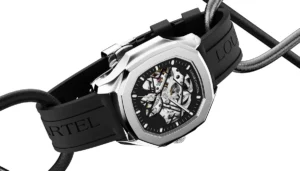
Ever scrolled through your social media feed and stopped dead in your tracks at the sight of a perfectly suspended coffee cup, complete with floating coffee beans around it? That’s the magic of floating product photography – and it’s taking the e-commerce world by storm. As online shopping becomes more competitive than ever, brands need that special something to make their products pop off the screen and grab attention.
Let’s face it: standard product photos just don’t cut it anymore. Floating product photography has become a game-changer in digital marketing, delivering conversion rates up to 30% higher than traditional product shots. It’s not just about making products look like they’re defying gravity – it’s about creating that “wow factor” that makes shoppers stop, stare, and click.
Ready to learn how to make your products float? This guide will walk you through everything from basic setups to pro-level techniques that will have your products floating to better sales.
Floating photography 101

The core of great floating product photography lies in understanding the fundamental principles that make these shots possible. The key is creating an illusion that tricks the viewer’s eye while maintaining a natural, believable look.
Traditional photography techniques remain crucial even when shooting floating objects. Proper exposure, composition, and focus are non-negotiable elements that separate amateur attempts from professional results. Professional photographers often use the rule of thirds and leading lines to create dynamic floating compositions that draw the viewer’s eye exactly where it needs to go.
The angle of your shot dramatically impacts the believability of your floating product. Shooting from slightly below the product can enhance the floating effect while maintaining consistent lighting across all elements of the image helps sell the illusion. Many successful floating shots are captured from a 30-45-degree angle, creating a sense of depth that reinforces the floating effect.
Timing plays a vital role in capturing the perfect floating moment. Professional photographers often take hundreds of shots to get that one perfect image where everything aligns. This persistence pays off in the final result, as even slight imperfections can break the illusion of levitation.
Essential equipment and setup

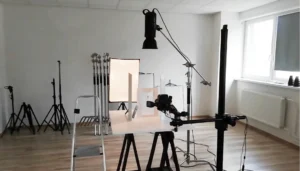
A successful floating product photography shoot requires careful preparation and the right tools. While some photographers achieve amazing results with basic equipment, having the right setup can make the process smoother and more efficient.
The foundation of any floating product setup starts with a high-quality camera and tripod. DSLR or mirrorless cameras with manual settings allow precise control over exposure and focus. A sturdy tripod is essential for maintaining consistent framing across multiple shots, especially when you’ll be compositing images in post-production.
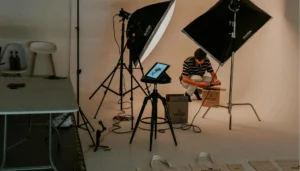
Lighting equipment plays a crucial role in creating convincing floating images. A minimum of two light sources – main and fill lights – helps create depth and dimension. Softboxes or diffusers help control harsh shadows that could reveal your support methods. Many professional photographers use three-point lighting setups to achieve optimal results.
Support systems are the unsung heroes of floating product photography. Fishing line, clear acrylic rods, or specialized magnetic levitation devices can all be used to suspend products. The choice depends on your product’s weight, size, and the specific effect you’re trying to achieve. Some photographers even use compressed air or perfectly timed drops to capture true moments of levitation.
Post-production magic and editing techniques

The real artistry in floating product photography often happens in post-production, where photographers transform good shots into extraordinary ones. This stage is where imperfections are removed and the illusion is perfected.
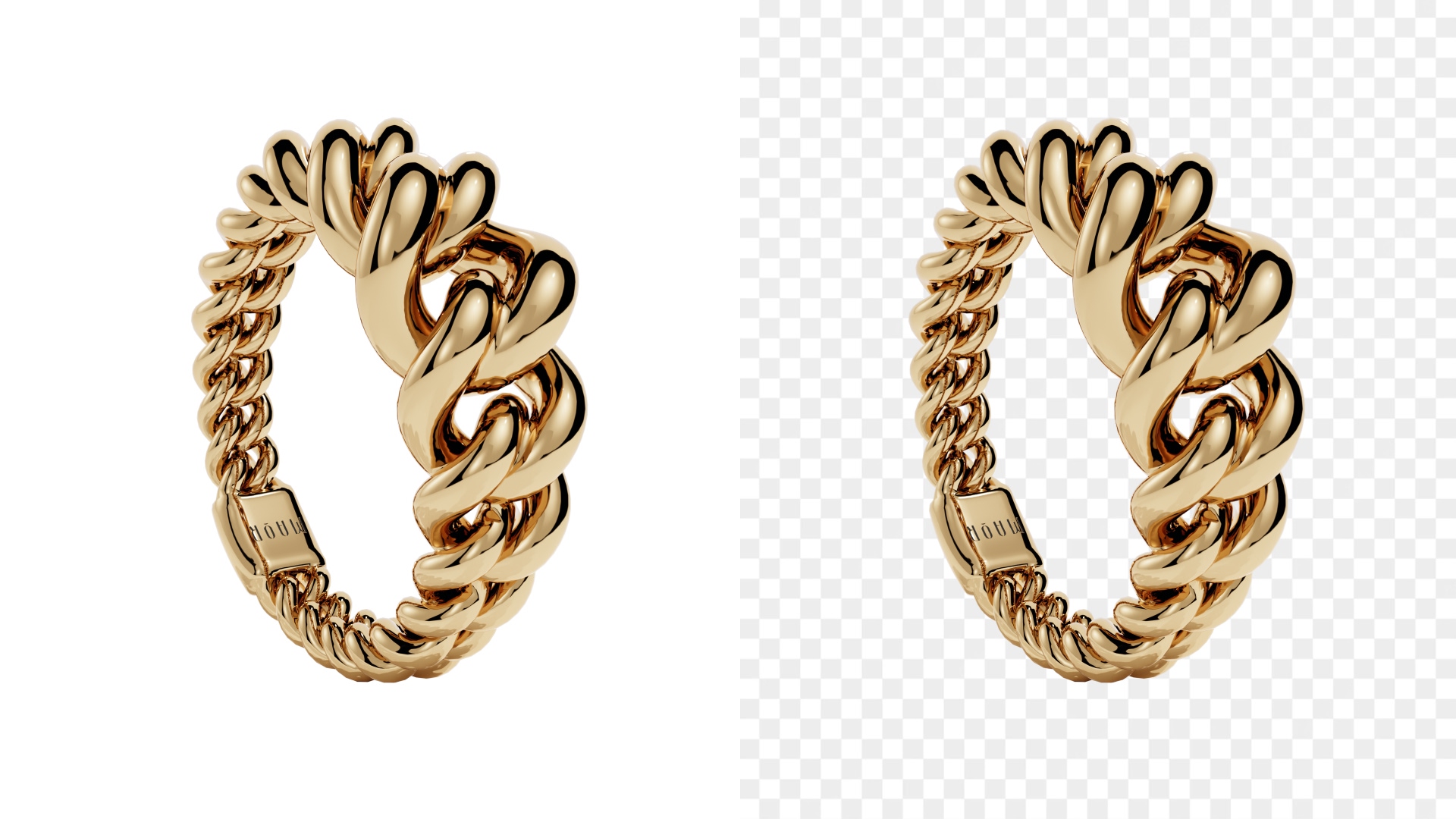
Adobe Photoshop remains the industry standard for editing floating product photos. The clone stamp tool and healing brush become invaluable allies in removing support systems like fishing lines or stands. Advanced masking techniques help blend multiple images seamlessly, while adjustment layers fine-tune the lighting and color to maintain consistency across the composite.
Creating realistic shadows is crucial for selling the floating effect. Professional editors often create custom shadows using the product’s shape as a guide, then adjust the opacity and blur to match the lighting conditions of the original shot. The direction and intensity of these shadows must align perfectly with the main light source to maintain believability.
Color grading and final adjustments tie everything together. Subtle vignetting can draw attention to the floating product, while careful color balance ensures the product stands out without looking artificial. Many photographers add subtle motion blur or atmospheric effects to enhance the sense of movement and levitation.
The CGI revolution in floating photography

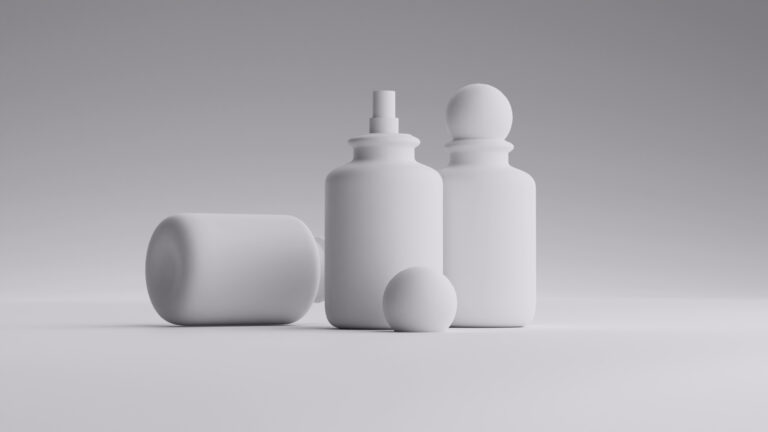
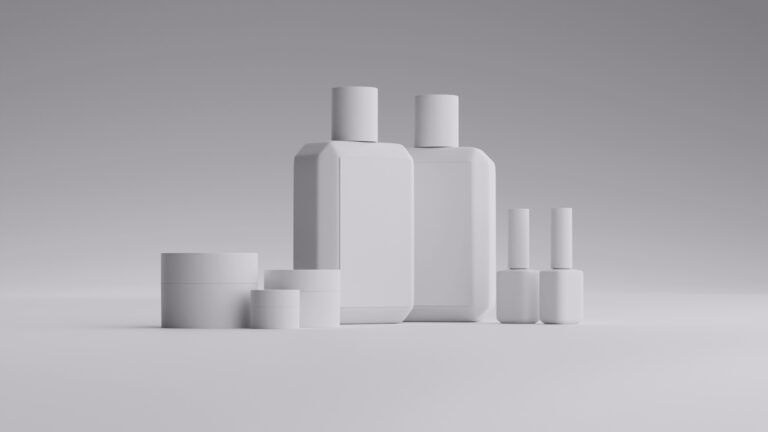
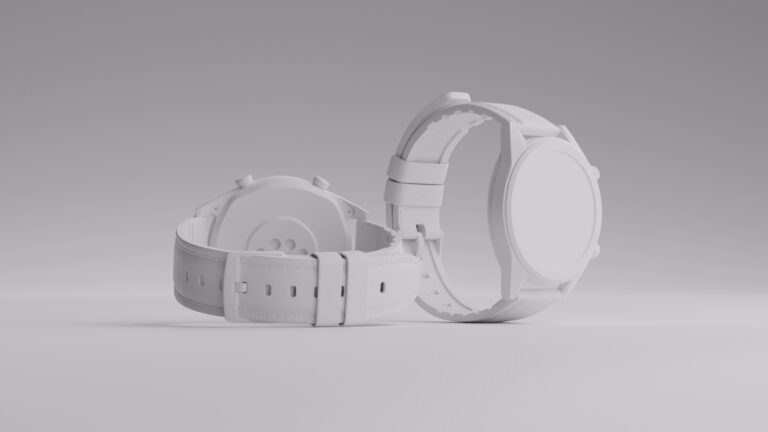
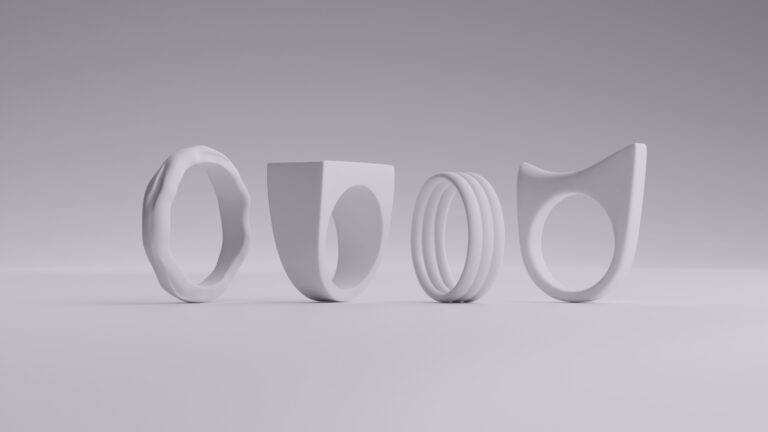
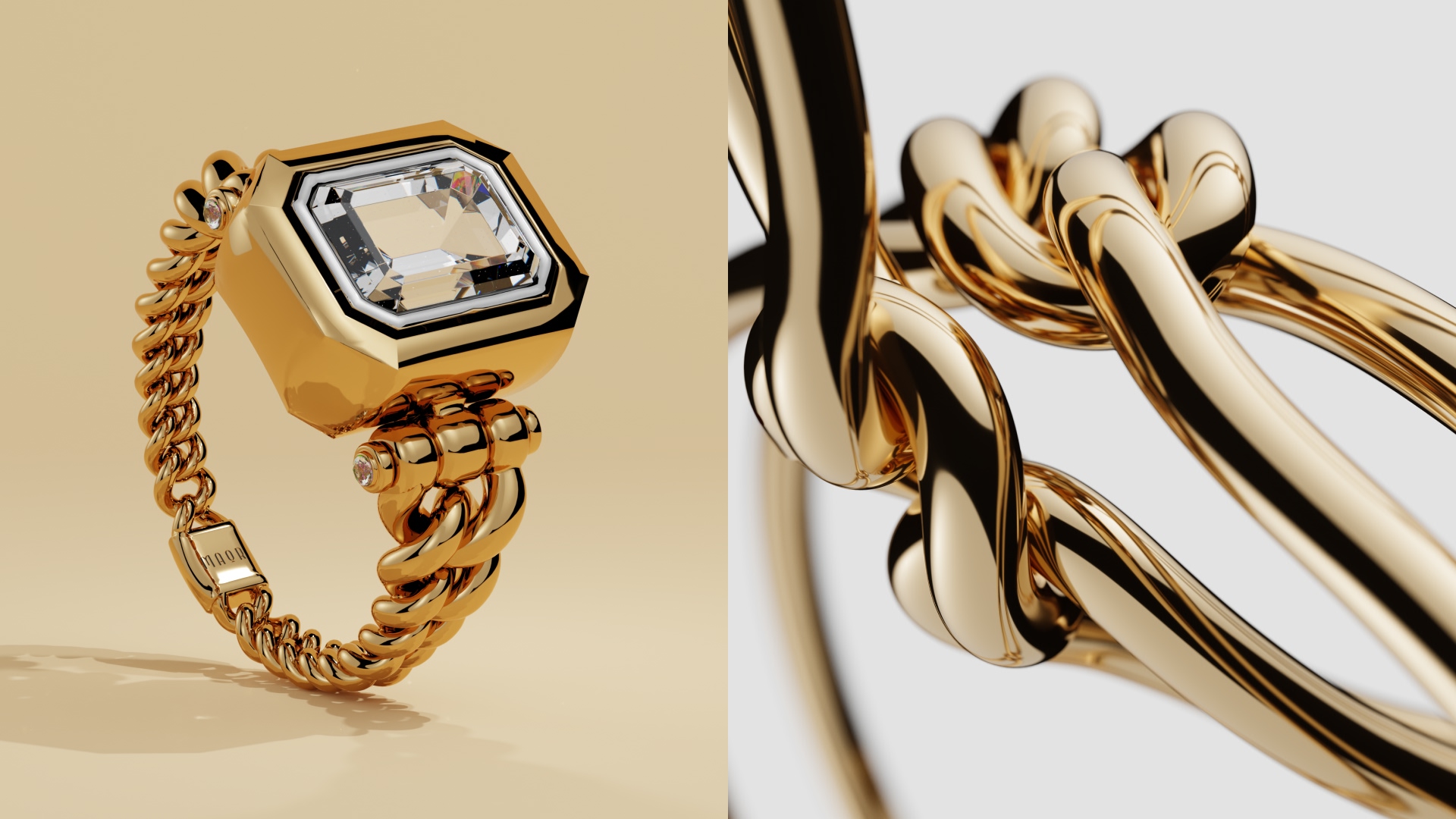
While traditional floating product photography requires extensive equipment and expertise, CGI (Computer Generated Imagery) has revolutionized the way we create floating product images. This modern approach offers unprecedented control and creativity in producing floating product shots.
CGI artists can create perfect floating images without the physical limitations of traditional photography. Using software like Cinema 4D or Blender, they can manipulate lighting, angles, and product positioning with precise control. This eliminates the need for complex rigging systems or multiple takes to achieve the perfect shot.
The cost-effectiveness of CGI becomes clear when considering the elimination of studio rental, equipment, and prop expenses. Once a 3D model is created, it can be used repeatedly in different scenarios, making it an efficient choice for brands with extensive product lines. CGI also allows for rapid iterations and adjustments that would be time-consuming or impossible with traditional photography.
Wrapping up


Floating product photography, whether achieved through traditional methods or CGI, represents a powerful tool in modern product marketing. By mastering these techniques, you can create compelling visual content that captures attention and elevates your brand above the competition.
FAQ
How long does it take to master floating product photography?
With dedicated practice, you can start producing good results within a few months. However, mastering the technique can take years of experience and continuous learning.
What’s the minimum budget needed for floating product photography equipment?
You can start with basic equipment costing around $500-1000, including a decent camera, tripod, and lighting. Professional setups can range from $2000-5000 or more.
Is CGI more expensive than traditional floating product photography?
While initial CGI costs might be higher, it often becomes more cost-effective in the long run, especially for businesses with multiple products or frequent content needs.
Can I achieve professional-looking floating photos with just a smartphone?
Yes, modern smartphones can capture impressive floating product photos, especially when combined with good lighting and proper post-processing techniques.
How do I choose between traditional photography and CGI for my floating product images?
Consider your budget, timeline, and specific needs. Traditional photography might be better for one-off shots, while CGI offers more flexibility for ongoing product visualization needs.