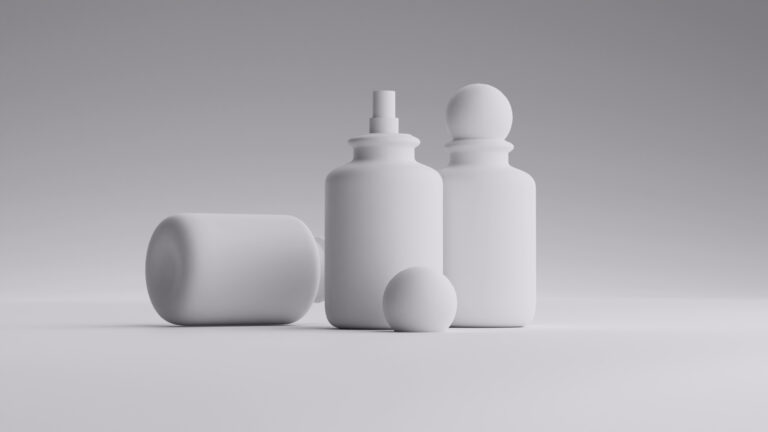
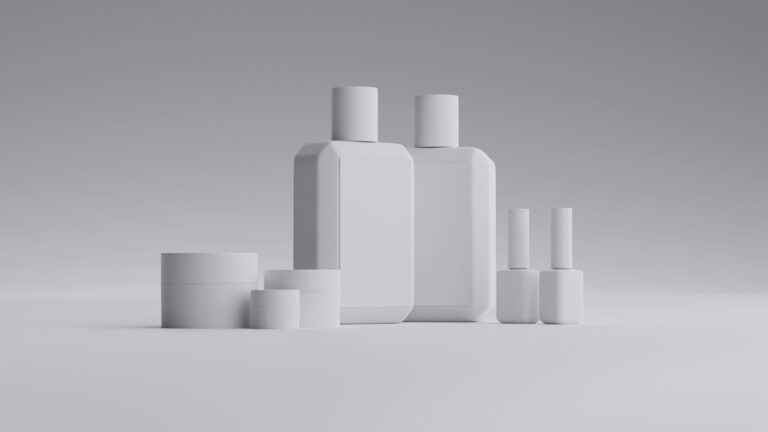
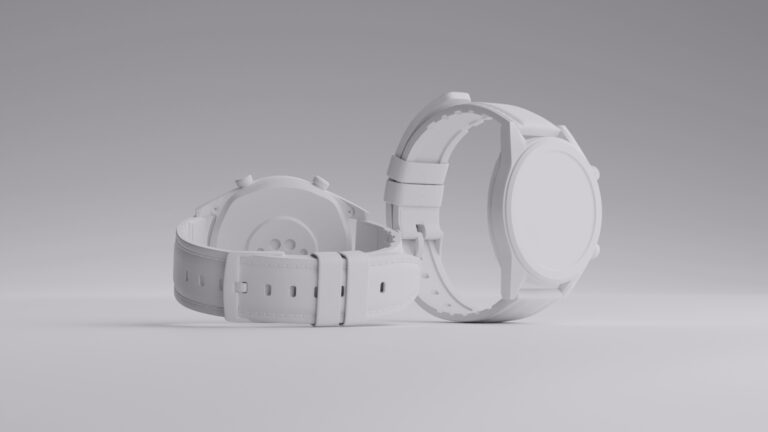
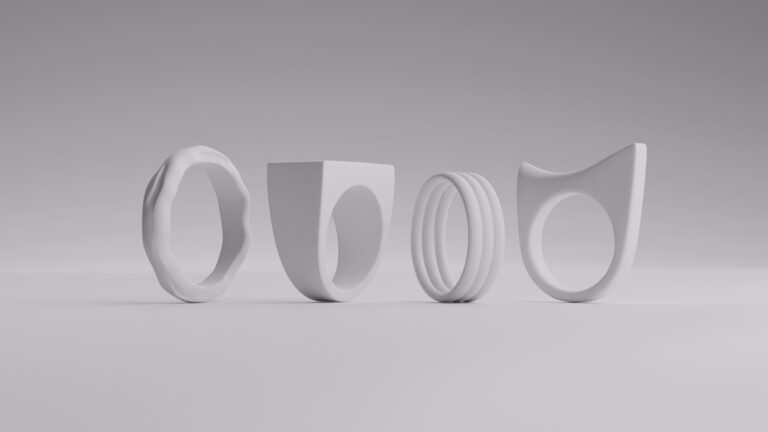
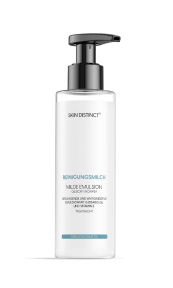
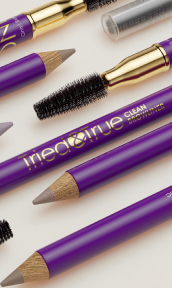
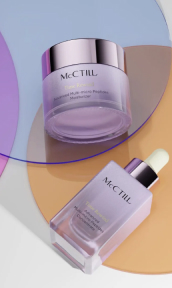
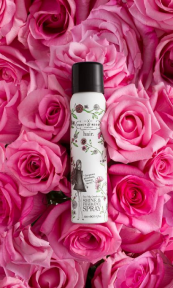
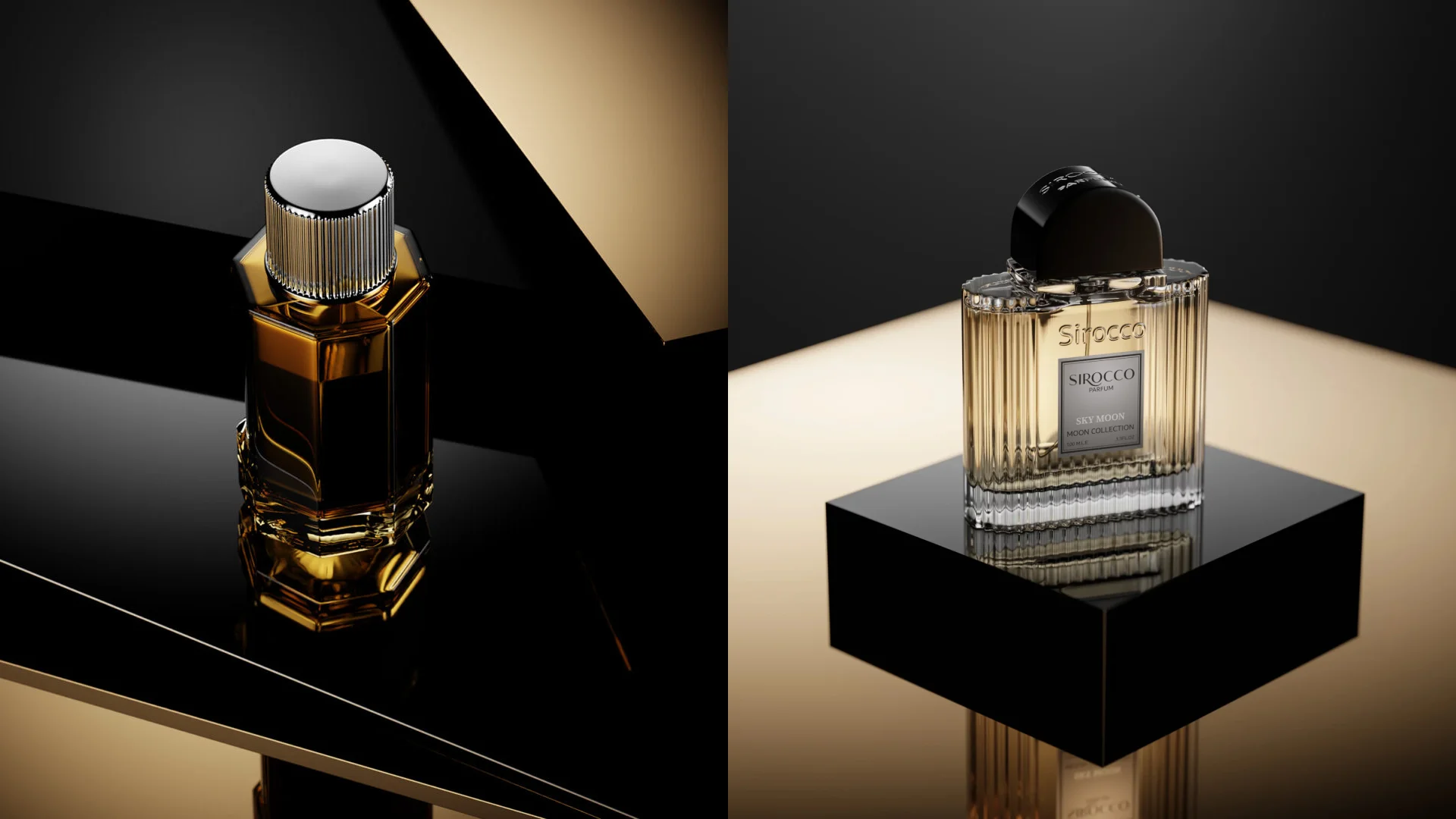
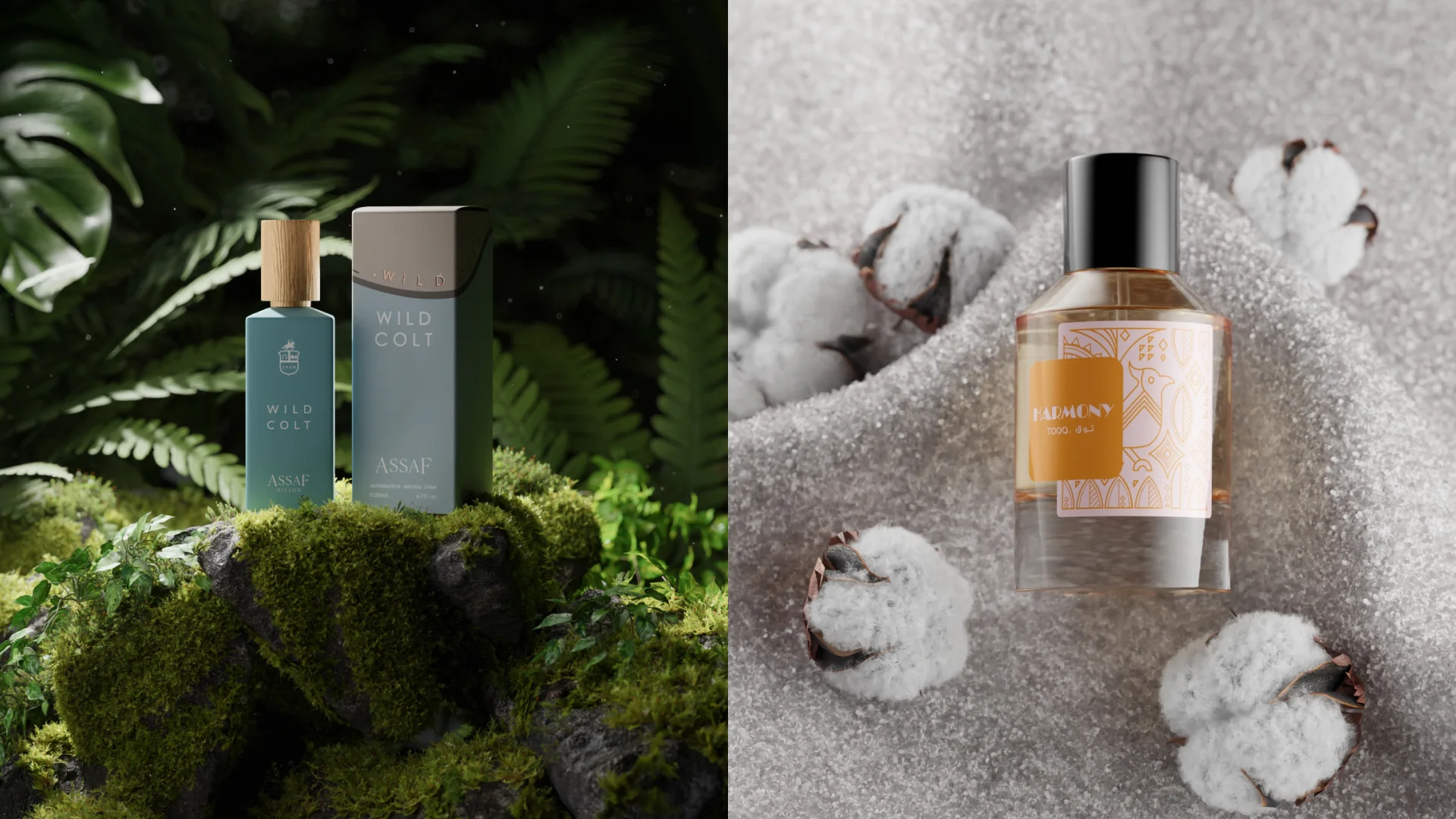
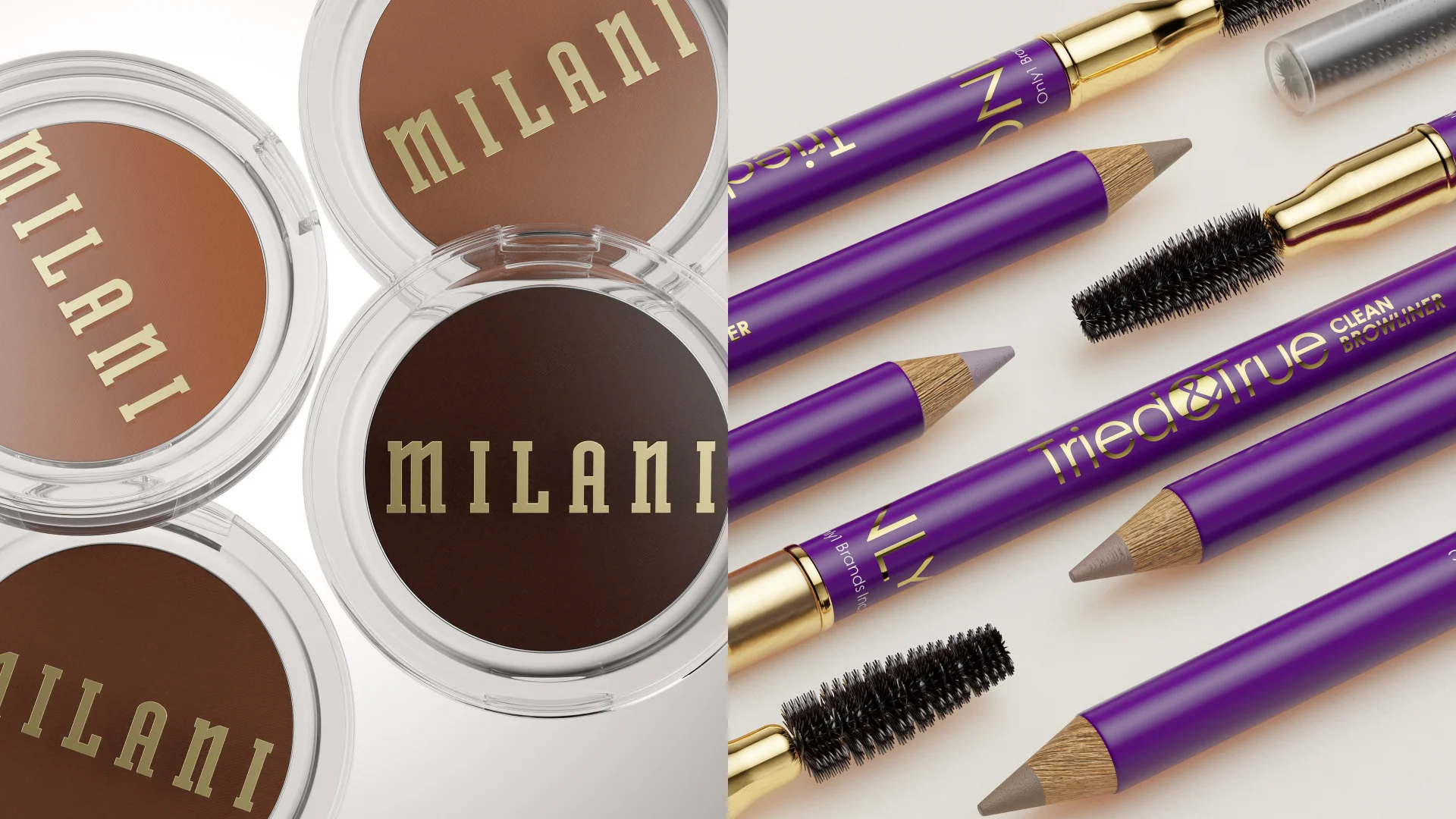
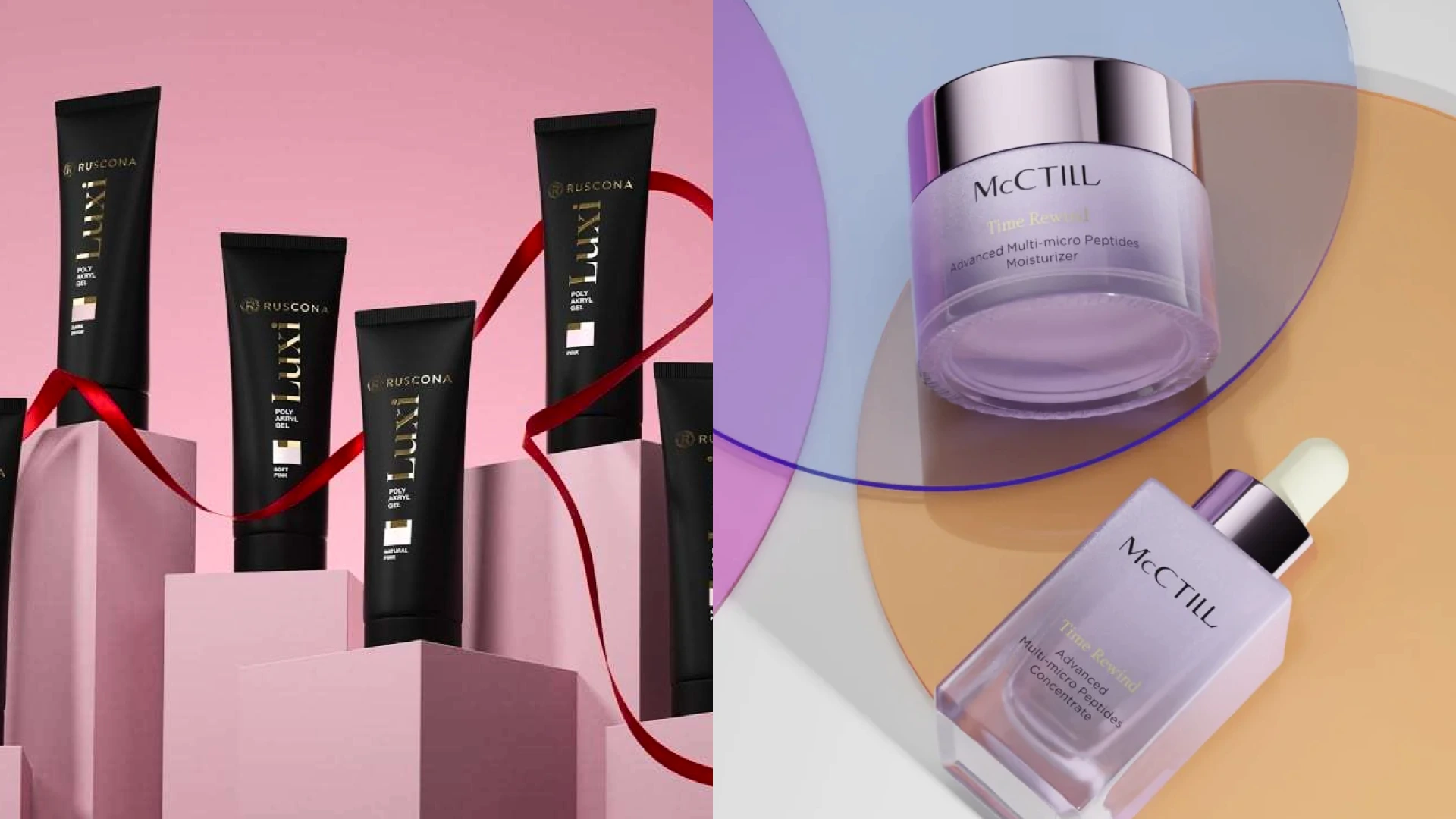
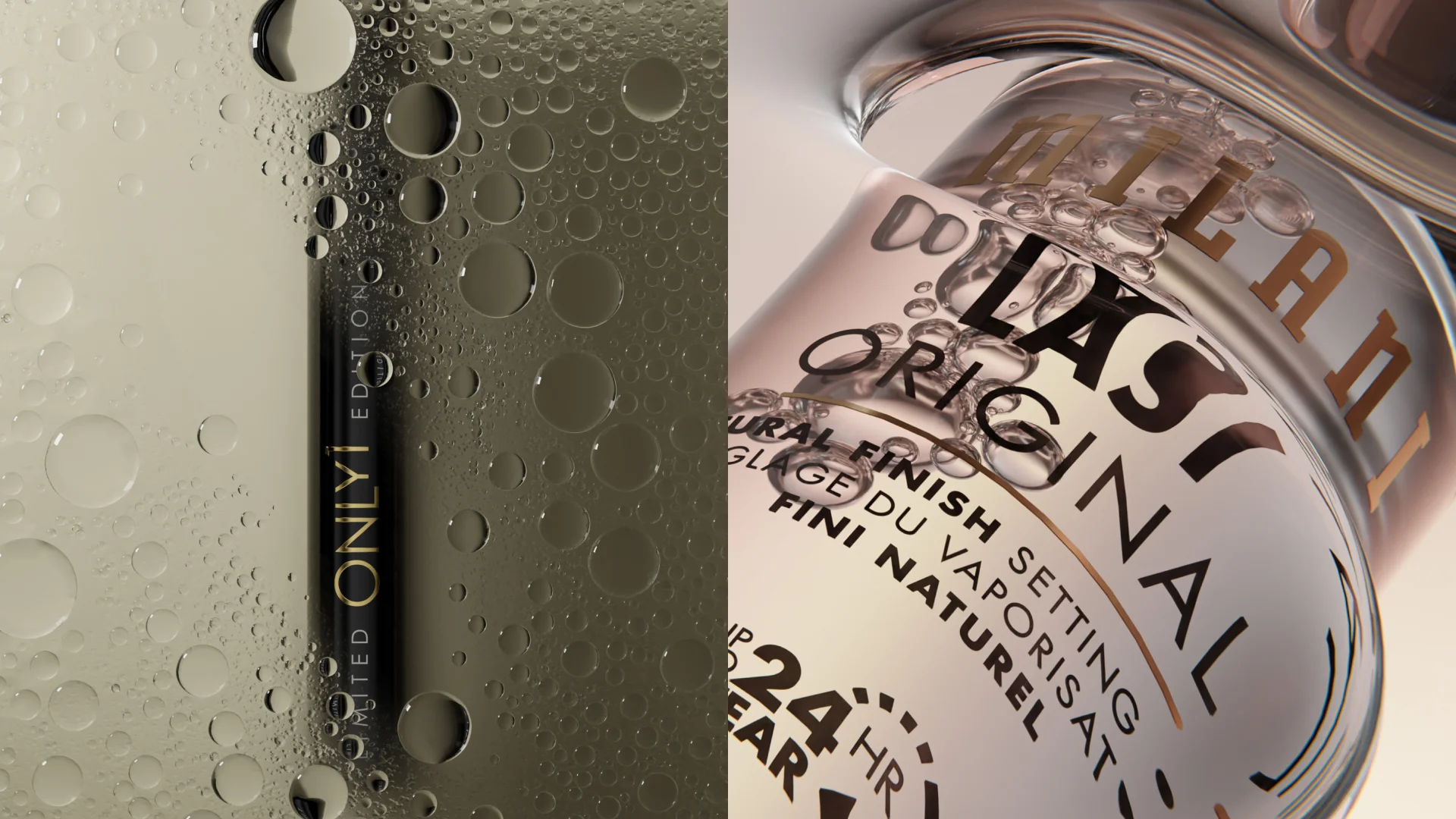
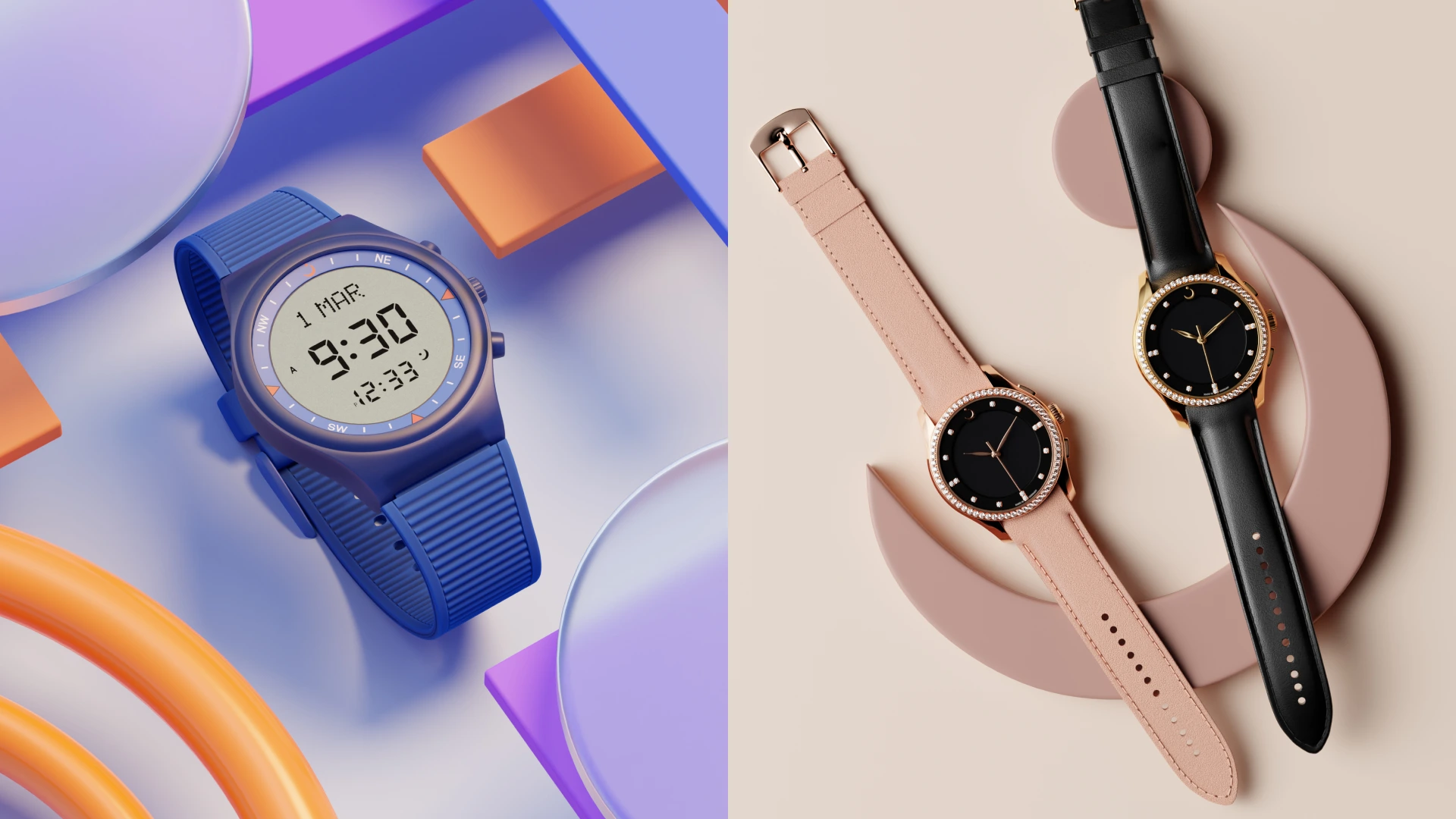
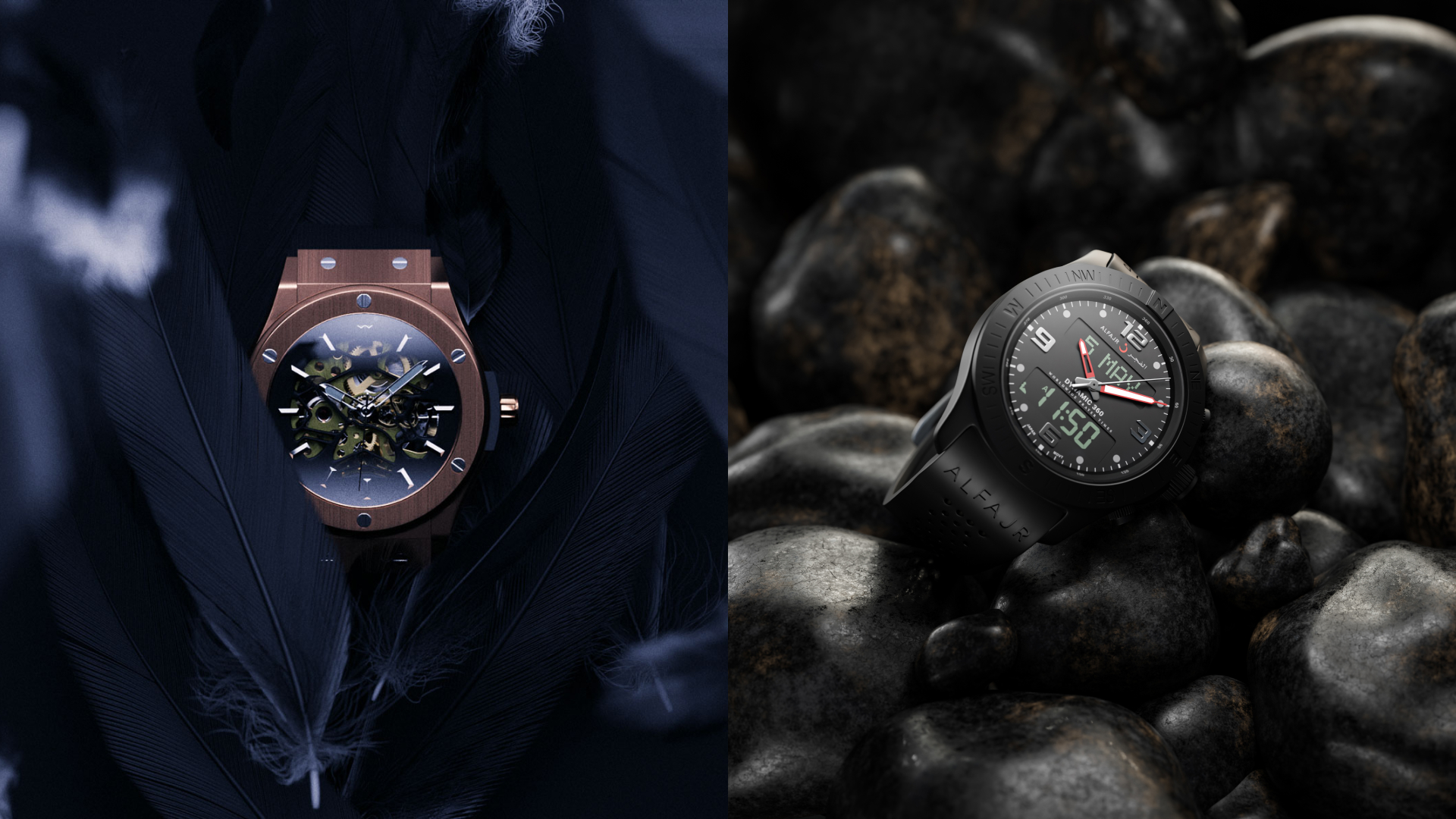
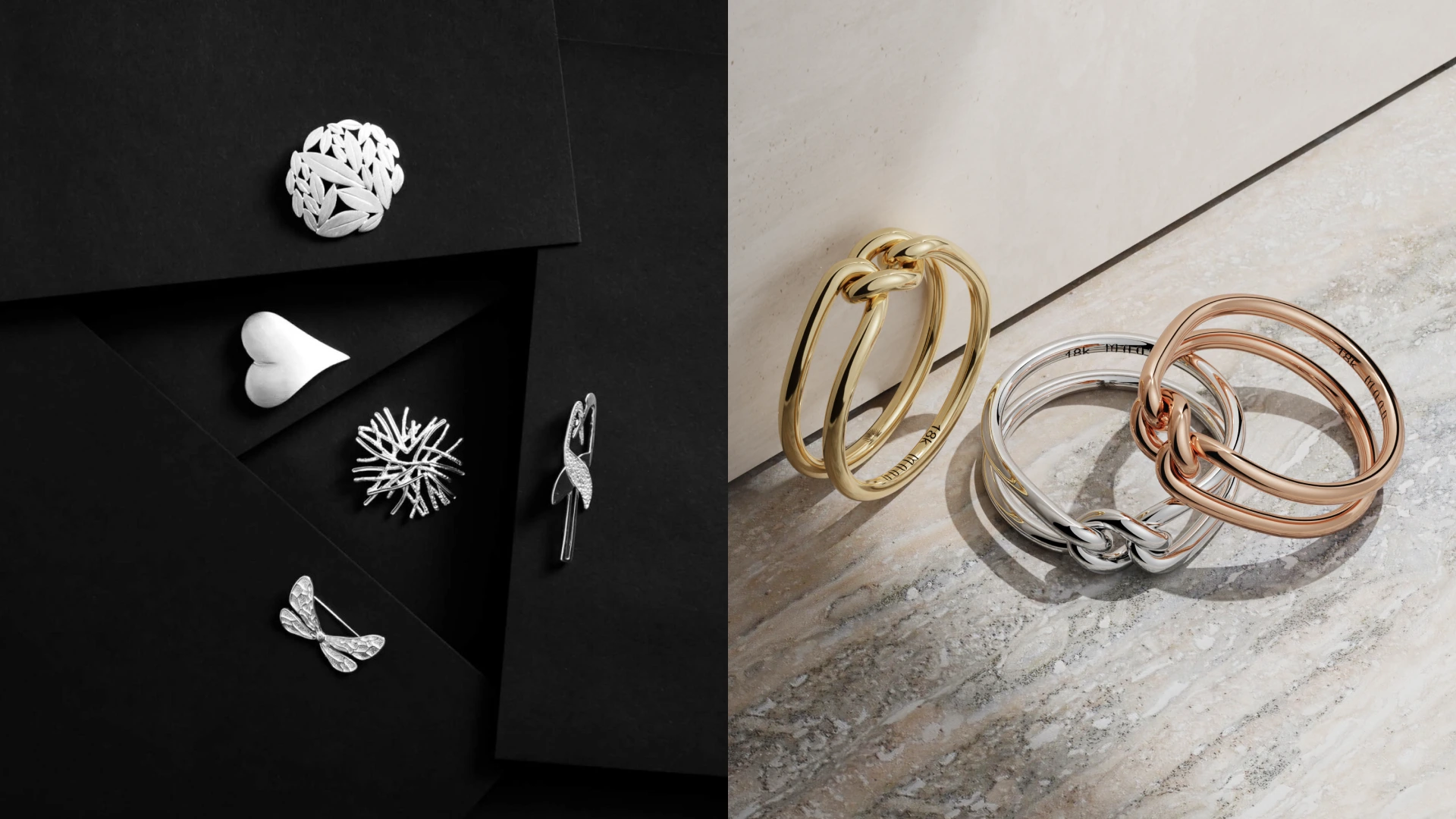
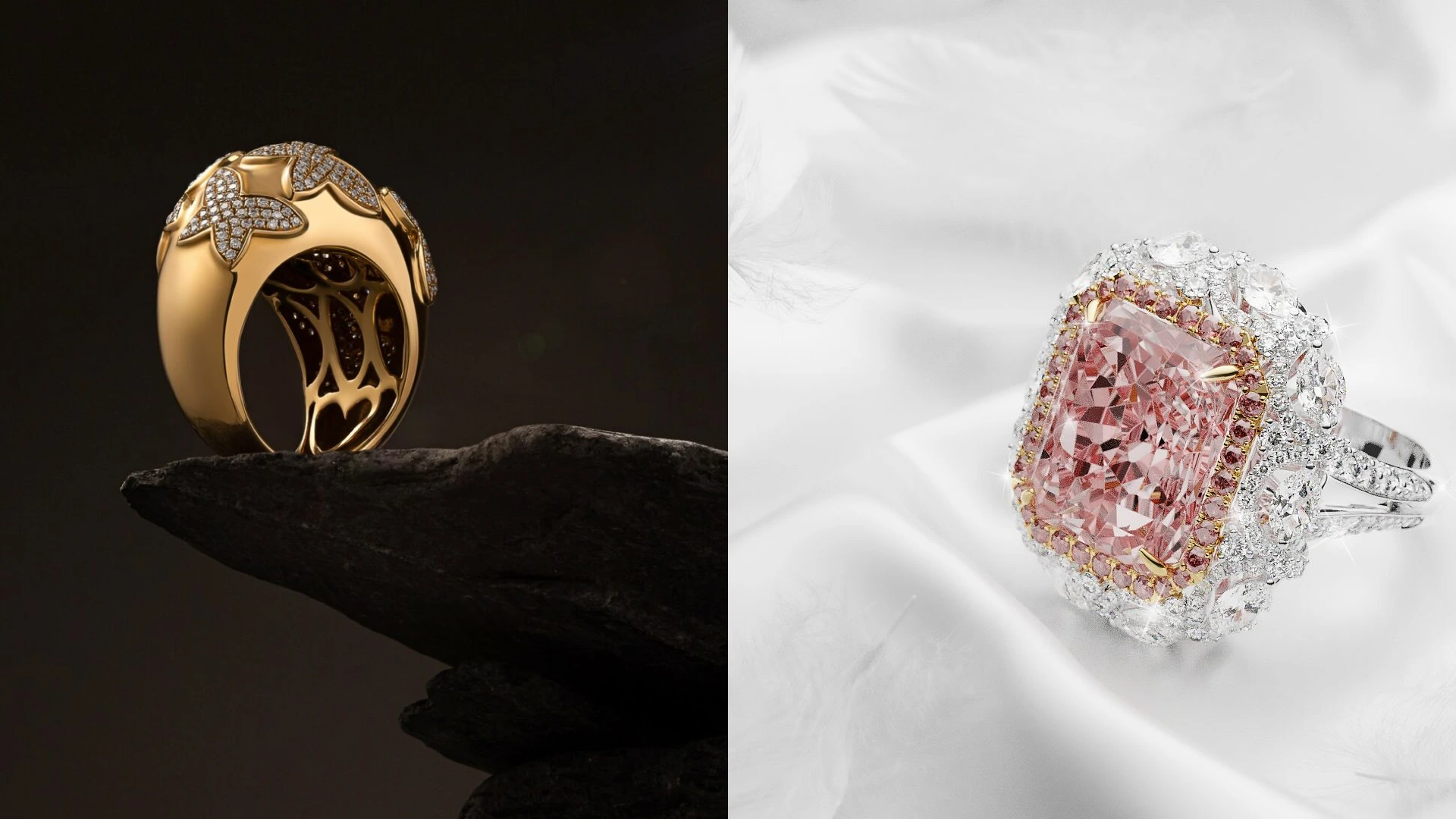
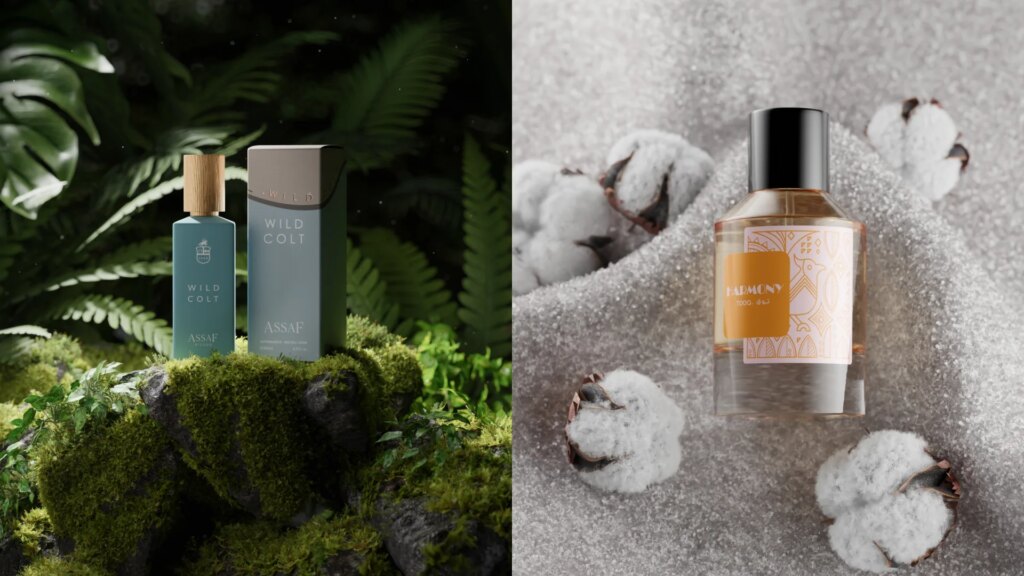
Online shoppers don’t get to touch, try, or tilt your product under the light, which is why images have to do all the convincing. That’s especially true for jewelry, watches, cosmetics, and any product where all the macro details matter. If a clasp looks flimsy, the buyer will scroll past it. Not to mention if the product looks amazing in the pictures, but when the buyer actually receives it, they notice it looks different in reality.
This is exactly where 3D product photography earns its keep (and why pretty much all brands are using it in 2026). By using 3D product rendering and 3D product visualization, brands can show products with absolute clarity: think zoomed-in textures, flawless angles, and consistent lighting throughout an entire collection. This converts into stronger trust, better engagement, and more confident buying decisions.
So let’s break down the greatest benefits 3D product photography brings to the table.
What is 3D product photography?
1. Pixel-perfect accuracy (even at macro level)
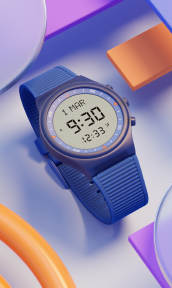
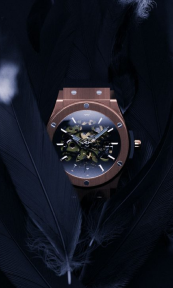
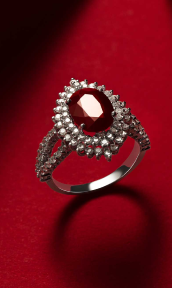
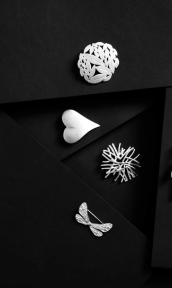
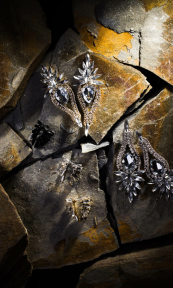
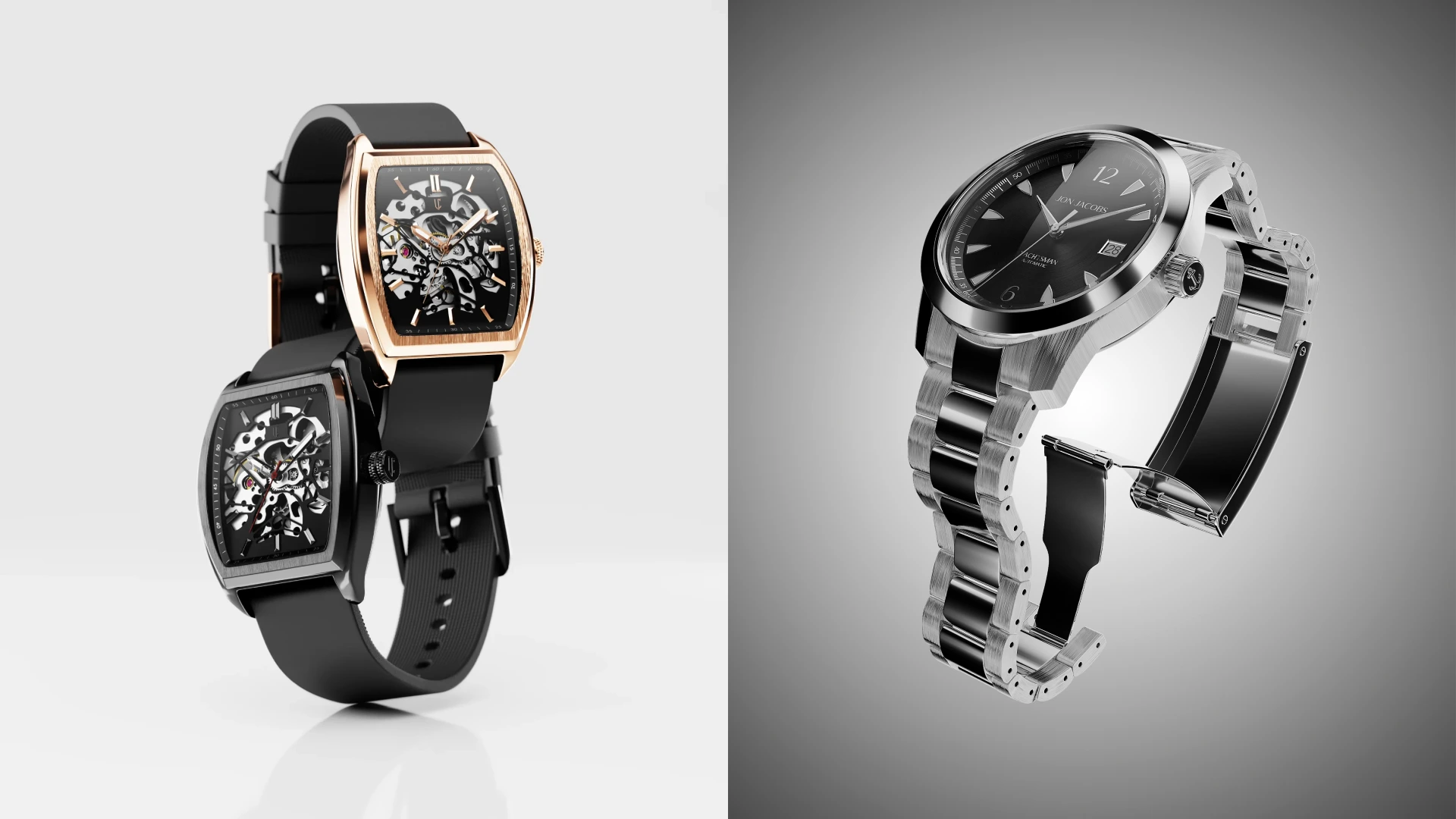
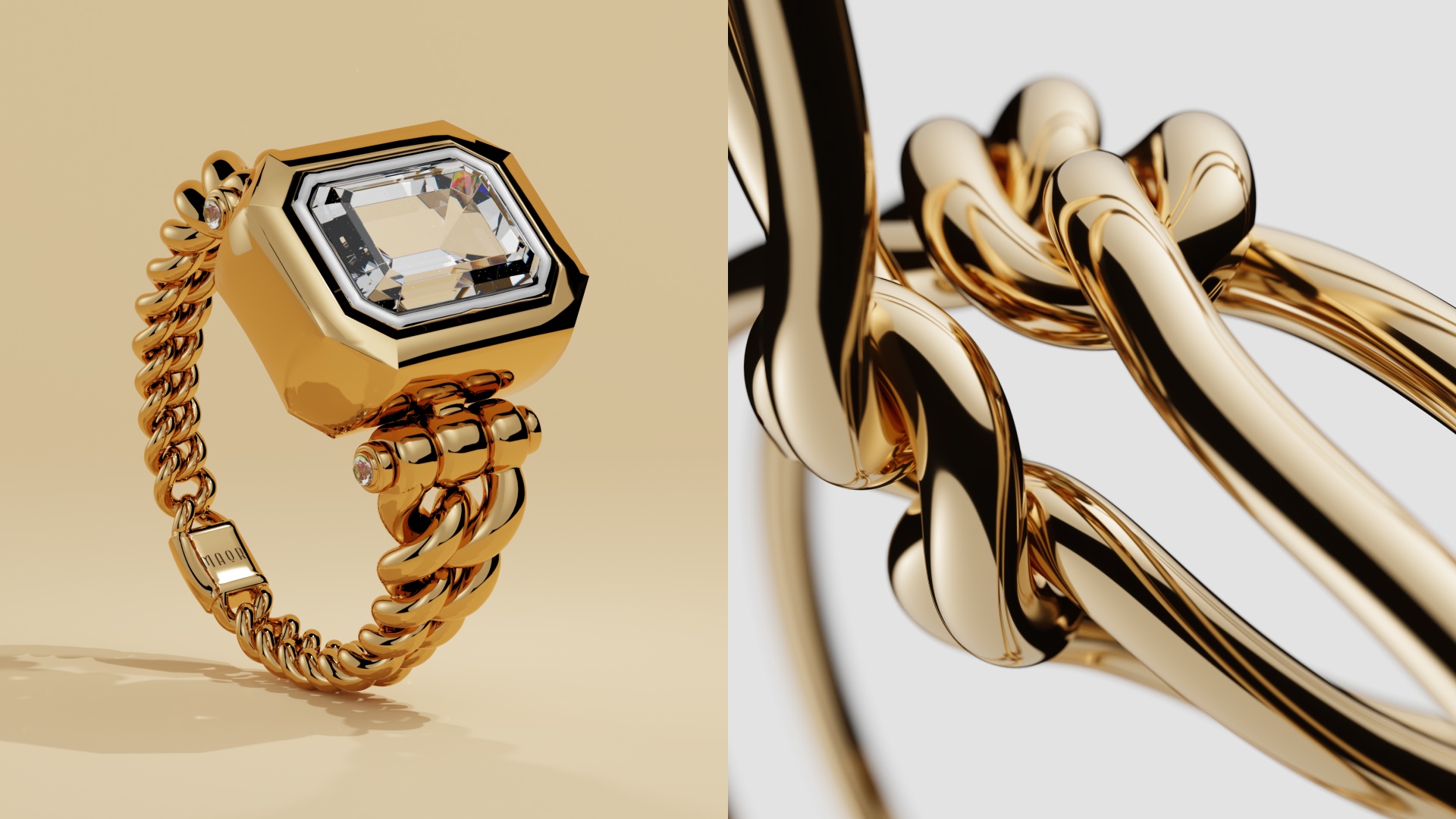
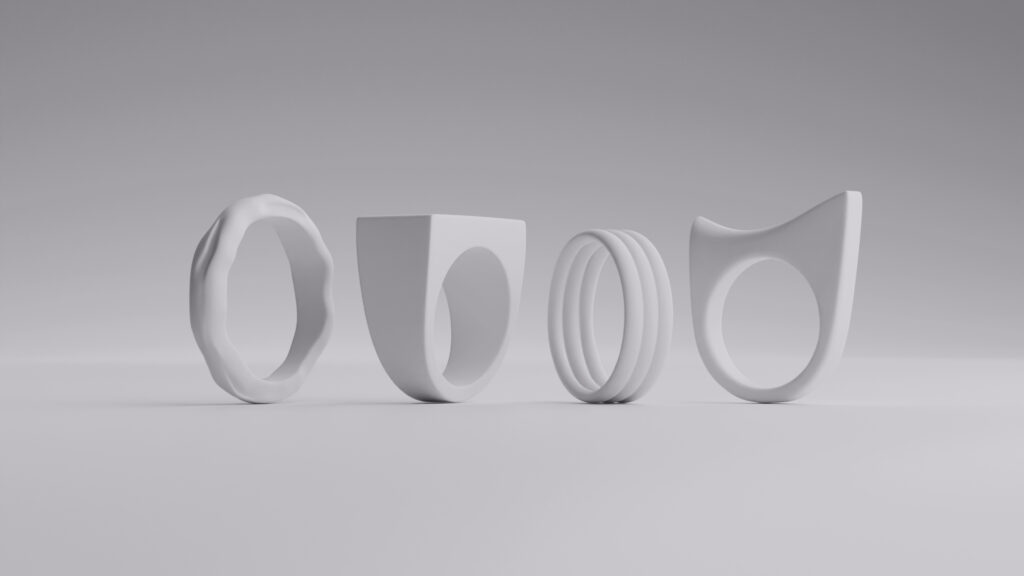
Some details are the product. Stuff like jewelry or watches can’t afford to not show every single detail in all its glory. But how do you do that with just one or two photos, while also not losing resolution? Exactly. 3D product photography, conversely, lets you zoom in as far as you like without losing sharpness, realism, or consistency. You’re not fighting dust, either. Or fingerprints, reflections, lens limitations and all those.
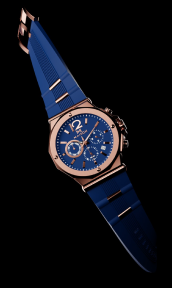
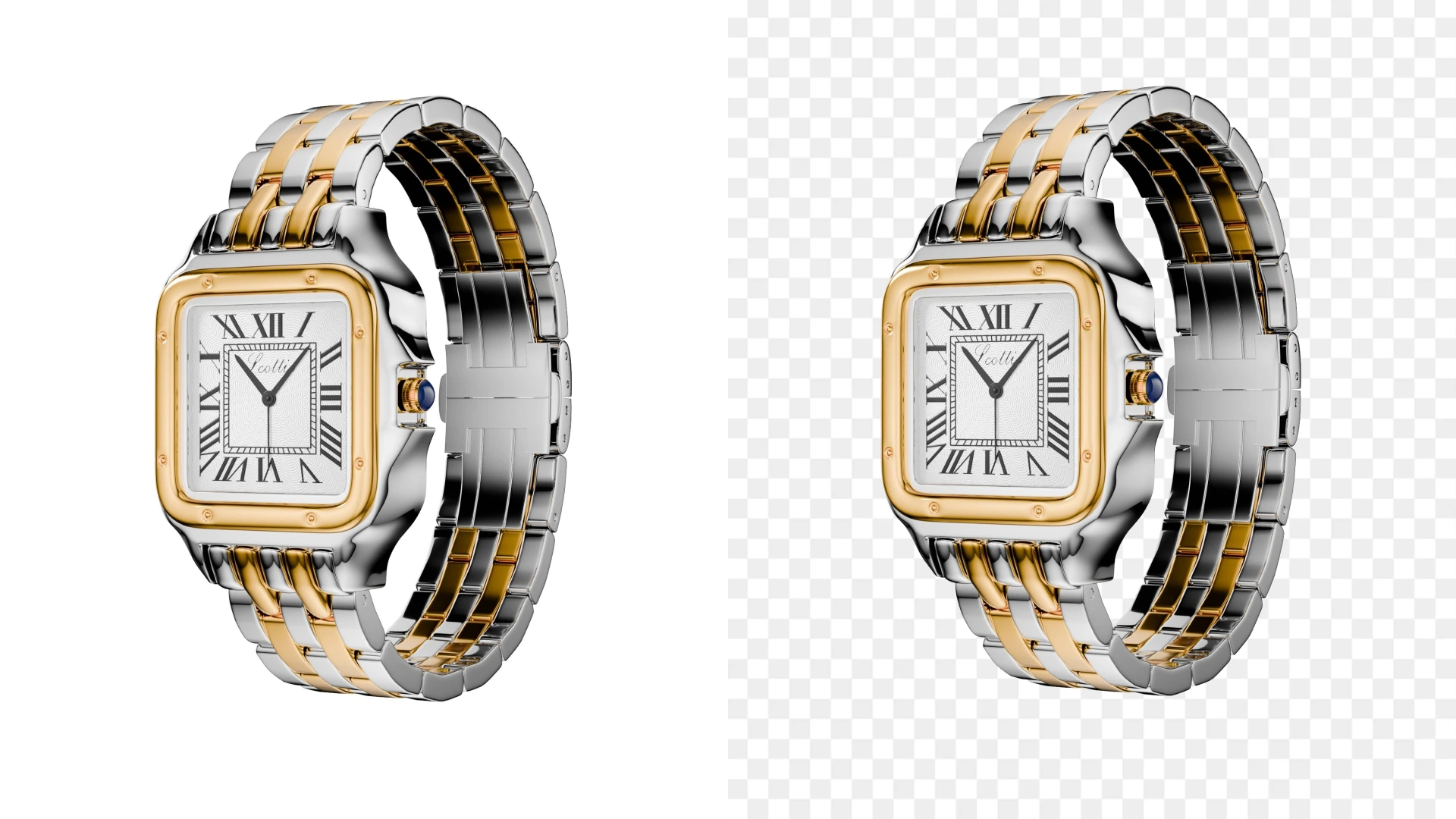
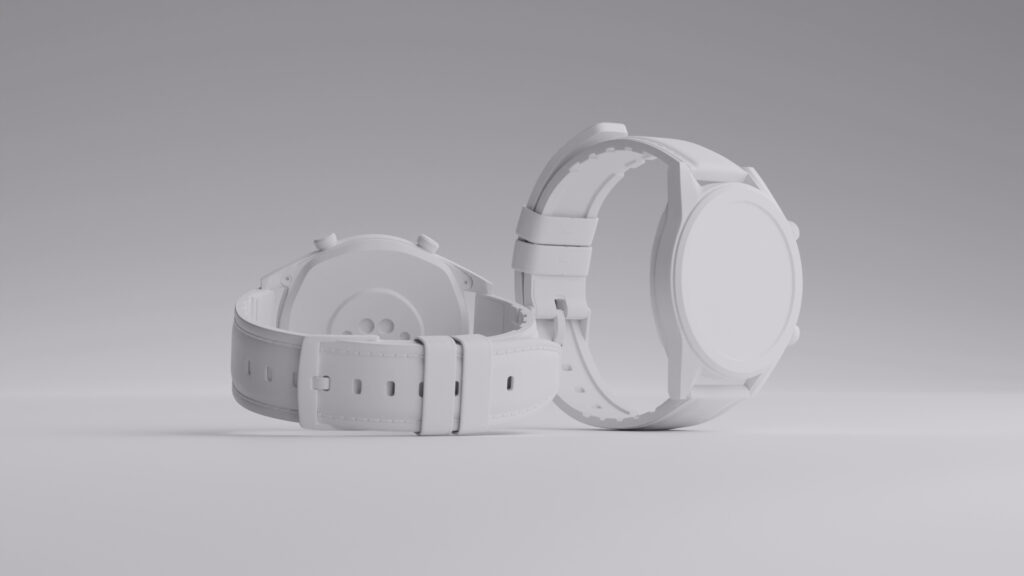
Take a luxury watch. It wants to show off its diamonds, dial texture, brushed steel, and clasp mechanics without anything muddying the view. With 3D product rendering, every surface behaves exactly as it’s told to. This, in turn, means every close-up looks deliberate rather than lucky. You get:
- Extreme macro detail without quality loss
- Perfect control over materials and finishes
- No physical imperfections sneaking in

2. Higher trust and conversion rates
Clear visuals also make people feel safer clicking “Buy.” One of the biggest benefits of 3D product photography is how confidently it shows what a product really looks like, leaving less room for doubt, and even less room for disappointment. Because people are used to perfect images online today, they can be even more disappointed when their product arrives and it doesn’t look like the photo suggested. Even a small inconsistency will lose them in the long run.
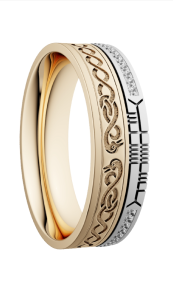
And that makes a lot of sense if you put yourself in their shoes. Think about shopping for (expensive) jewelry online. If the stone cut, metal weight, or proportions feel vague, hesitation creeps in — basically, is it worth their money? With clean 3D product visualization, customers understand what they’re getting before it arrives, and this naturally leads to higher conversion rates (and returning customers).
3. Unlimited angles and compositions
Traditional photography hinges on factors like physics, studio setups, and whatever angle the camera can realistically reach. Oftentimes, some options are simply off the table because of that. 3D product photography doesn’t have those constraints. So once you’ve got a model, you can capture the product from literally any perspective.
That’s an obvious game-changer for complex products. Think of electronics, mechanical parts, or multi-layered designs where internal structure matters. With 3D rendering products, you can even do exploded view images, with each component shown floating in the air, just before getting assembled into the final product.

4. 360° product photography without reshoots
360 product photography works best when it feels smooth and responsive. But it’s famously tricky in a physical studio, and it often comes with a headache-ful of reshoots. Creating 360 product photos through 3D product renderings, though, removes the need for dozens of physical shots stitched together after the fact (and of course, the reshoots).
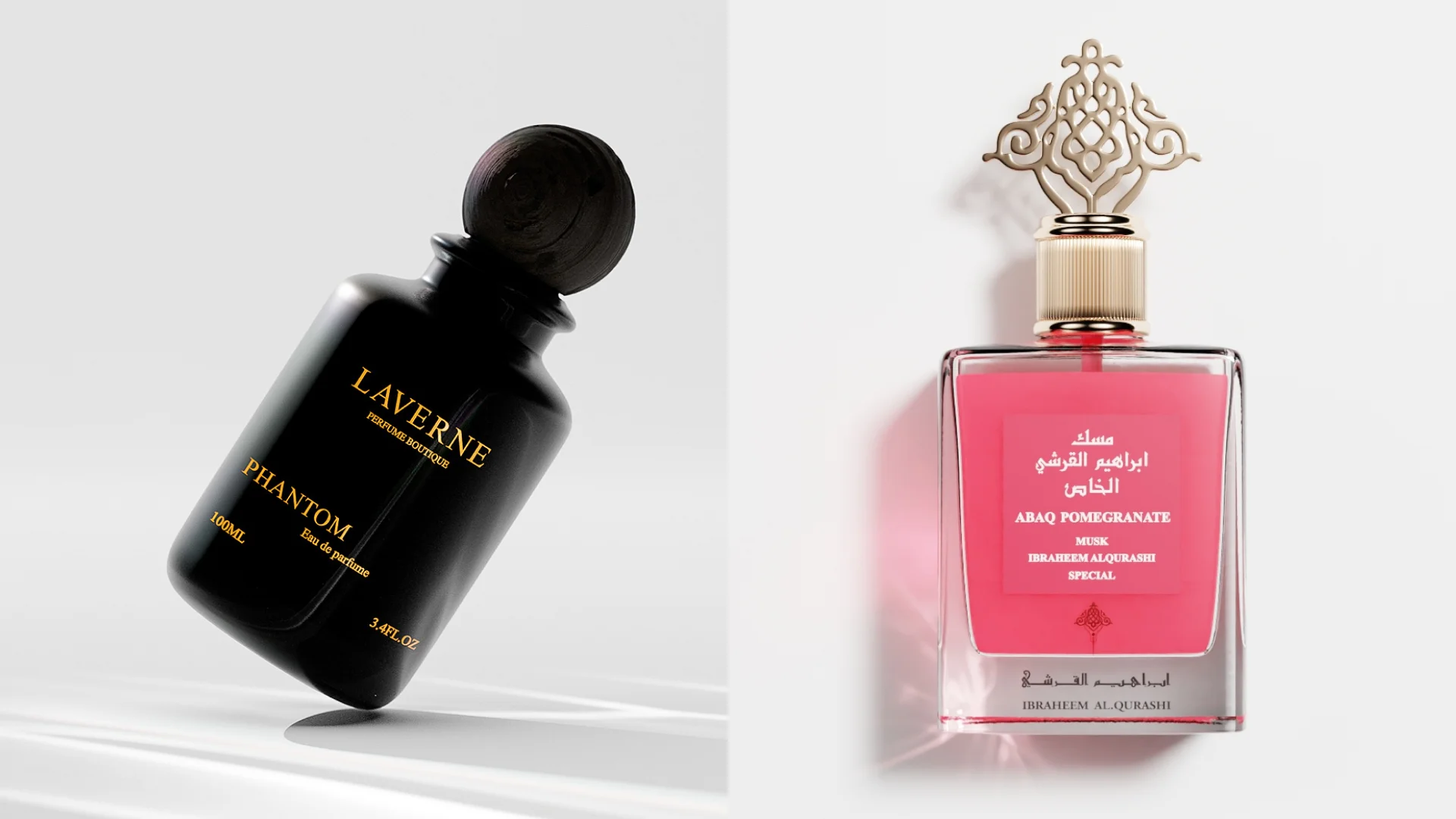
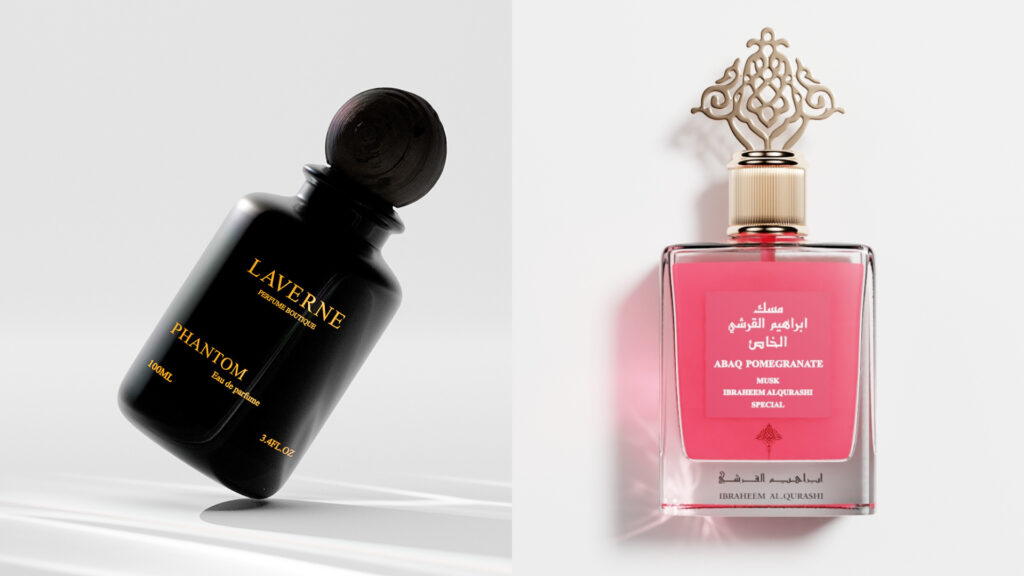
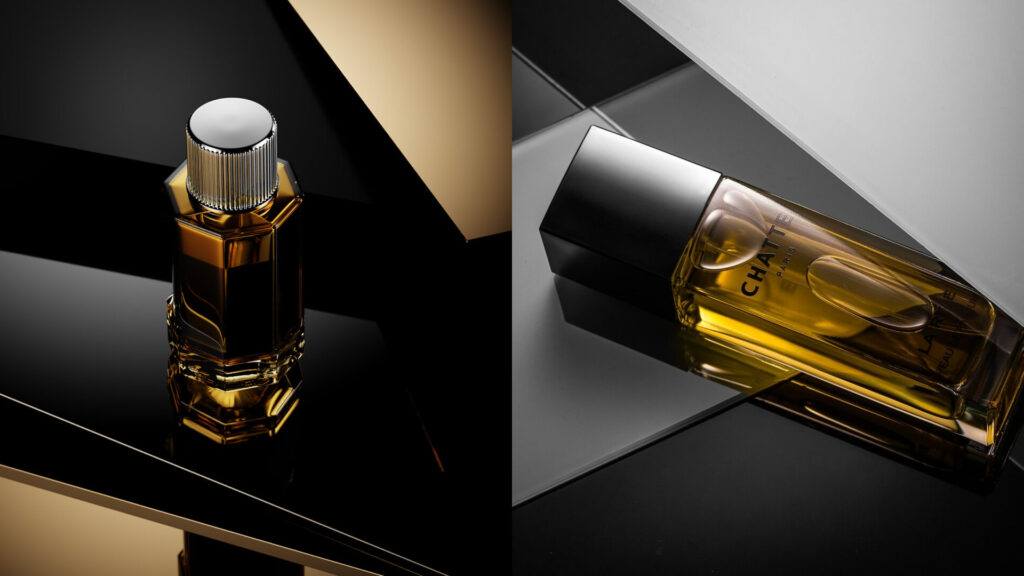
Picture a perfume bottle or sneaker that shoppers can rotate freely to inspect every curve and detail. The experience feels hands-on. This is a must. People shop online more than ever today (and way more than they do physically), so they want to feel as close to touching the product as they can. Plus, 360 photography keeps them engaged longer, which in turn helps them feel more confident about their final choice.

5. AR & VR product visualization
3D product visualization doesn’t stop at static images. Here’s a bunch of trends that buyers around the world seem to be getting increasingly into. The same 3D assets can power AR and VR experiences. In ecommerce, AR and VR means customers can place, wear, or preview products in their own environment. Yep, even closer to that “I can almost touch it” feel.
Furniture is a perfect example here. Instead of guessing whether a sofa fits the space or matches the room, shoppers can see it in the context of their own home. That kind of clarity reduces uncertainty, lowers return rates, and makes the buying decision smoother (if not also fun). In short, you can:
- See products in real environments
- Reduce returns
- Increase buyer confidence
Best for: Furniture, home décor, wearables.

6. Faster time to market
Once a product is modeled, everything moves faster. New angles, colors, environments, or campaign visuals can be generated without reshooting anything. We can’t stress how much cheaper and faster this is. In fact, we’re adamant this is one of the biggest wins with 3D rendering.
Say you’re launching a product in three finishes instead of one. With traditional photography, that’s three shoots. Not only are they expensive to start with, but they may prove logistical nightmares if you add the extra two down the road, or change your mind about a visual halfway through. With 3D product development assets, it’s just a few controlled tweaks and a fresh render.
7. Cost efficiency at scale
While the upfront work matters (and is felt the hardest), 3D product photography becomes more cost-effective the more you use it. That’s because you’re not paying repeatedly for studios, logistics, or reshoots every time something changes.
This is especially useful for brands with large or frequently updated catalogs. Or, actually, even for a small brand that wants to do a quick Christmas offer. One solid product rendering can support ecommerce images, ads, social content, and future campaigns without starting from scratch. Basically:
- One model, endless outputs
- No hidden production costs
Best for: Large catalogs, seasonal updates.
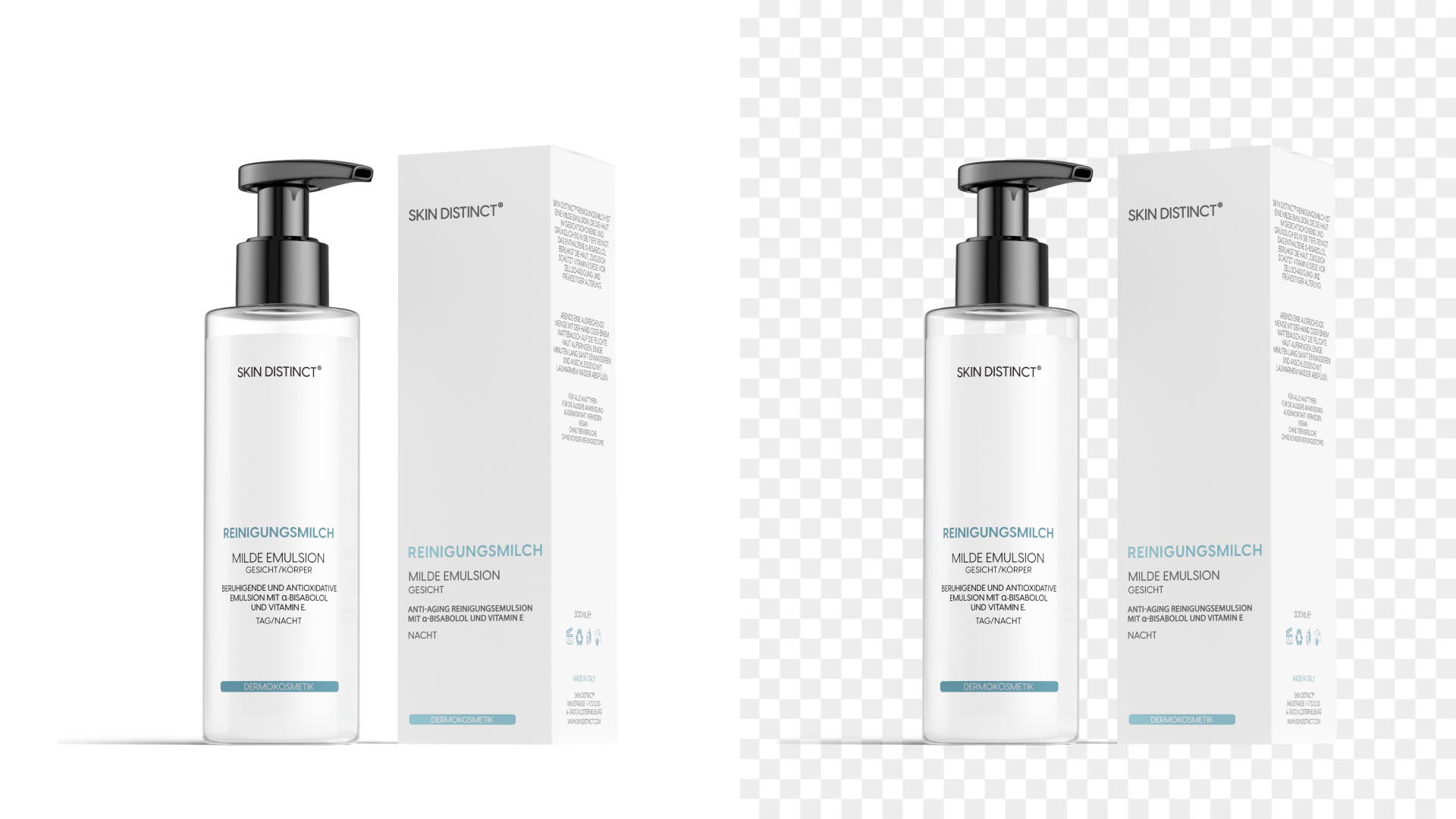
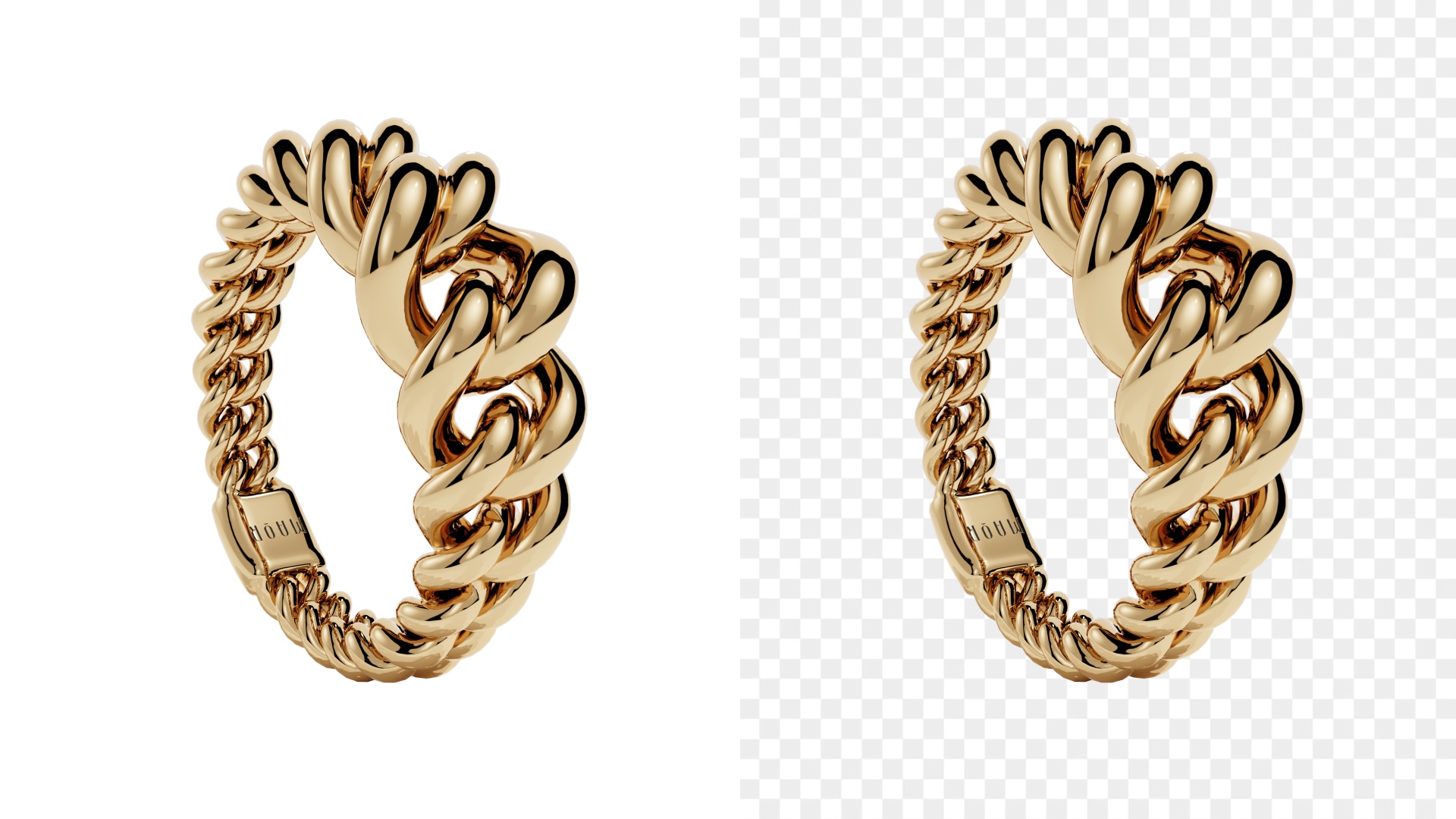
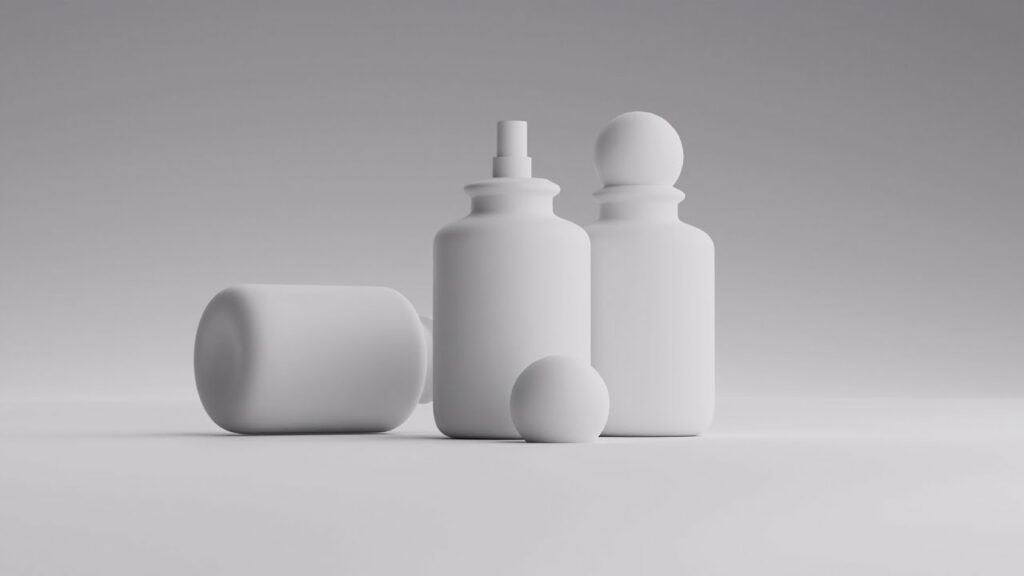
- 3D modeling
- White bg.
- Minimalistic
- Simple prop
- Custom
- 3D modeling
- White bg.
- Minimalistic
- Simple prop
- Custom
8. Consistent branding everywhere
Consistency builds trust, whether customers notice it consciously or not. But let’s not take customers for fools — most of us do our shopping online, which means we’ve seen millions of campaigns and brand visuals so far. Everyone can tell one that’s done with care from a haphazard or amateur one. With 3D product photography, lighting, shadows, angles, and styling remain uniform across your website, ads, and marketplaces.
Say you have a cosmetics brand launching a full line. Instead of each product feeling slightly different depending on the shoot day (or the photographer’s equipment or mood), everything looks cohesive, polished, and unmistakably part of the same brand world. That’s bound to attract a few aesthetically tuned folks online.

9. Perfect for furniture product photography
Furniture product photography is notoriously tricky. Size, weight, lighting, and space constraints make traditional shoots expensive and more often than not, really inflexible. 3D product rendering removes most of that friction.
A single sofa model can be shown in multiple interiors, fabrics, and configurations without moving a thing. It’s cleaner, faster, cheaper, and way more adaptable to modern ecommerce needs.
Why it works:
- Show furniture in multiple interiors
- Swap fabrics, finishes, and sizes
- Power configurators and AR previews
10. Future-proof visual assets
One of the underrated benefits of 3D product photography is longevity. 3D visuals don’t expire after one campaign. In fact, the more, the merrier. It’ll only add to that brand consistency we’ve been talking about.
The same 3D rendering products can be reused for animations, AR experiences, seasonal updates, and future platforms you haven’t even planned for yet. It’s an investment that keeps earning its keep and gets cheaper as you reuse it.
3D rendering vs. product photography: which to choose?
3D rendering is the broader process of making digital photorealistic visuals from 3D models. It covers everything from early concept visuals and product development assets to animations, configurators, and immersive experiences.
3D product photography, on the other hand, is a more focused application of that same process. Meaning it’s built specifically to deliver ecommerce-ready images that look and behave like real photos.
Okay, but which does what, and which one actually serves your purpose?
Choose 3D product photography when:
- You need photorealistic ecommerce images – The goal here is clarity, accuracy, and (stating the obvious) conversion. These images are designed to replace traditional photos on product pages and marketplaces.
- Consistency and scalability matter – When you’re managing multiple SKUs, colors, or updates, 3D product photography keeps everything visually aligned without repeated shoots.
- Products are hard to shoot physically – Small, reflective, fragile, or highly detailed items benefit most from controlled digital environments.
Choose broader 3D rendering when:
- You need animations, configurators, or AR/VR – This is where interactive and motion-based experiences come into play, going beyond static imagery.
- Products are still in development – Rendering allows you to visualize, test, and present products before anything is manufactured.
- You want long-term reusable assets – A well-built 3D model can support years of marketing, sales, and product visualization needs.
In reality, most brands use a combination of both. They start with 3D product development assets to design and refine the product, then reuse those same models for 3D product photography, marketing visuals, and interactive experiences. It’s efficient, scalable, and keeps everything visually consistent from concept to checkout.


Wrapping up
The short version? 3D product photography gives you control, clarity, and 2026-worthy conversion power. Most importantly, it lets your product shine as they should, which in turn solidifies trust with potential customers and gets you loyal ones down the line. Done right, 3D rendering also future-proofs your visuals: you get assets that work just as hard across ecommerce, ads, and trendy AR.
At Welpix, we turn products into high-impact CGI visuals that feel real, intentional, and 100% premium. So if you’re ready to turn your visuals into a serious sales tool, the Welpix crew is always happy to talk.
FAQ
What are the benefits of 3D product photography?
The benefits of 3D product photography include faster production, lower long-term costs, perfect accuracy, higher conversions, and reusable visual assets across ecommerce, ads, and AR.
How is 3D product photography different from traditional product photography?
Traditional photography captures a physical object. 3D product photography creates a digital twin — making updates, angles, and variations far easier and faster.
What products work best with 3D product rendering?
Hard-surface products excel: jewelry, watches, electronics, cosmetics, furniture, and packaging-heavy items.
Is 3D Product Photography worth it?
Yes — especially for brands that scale. The upfront investment quickly pays off through lower reshoot costs, higher conversions, and multi-channel reuse.
Can 3D product visualization reduce returns?
Absolutely. Clear visuals, 360 product photography, and AR previews help customers understand what they’re buying — leading to fewer surprises and fewer returns.