You’ve got a great product and you’re sure of it. However, for some mysterious reason, it’s not being added to cart as often as you think it deserves. There’s a big ecommerce truth behind this common pain point.
People today buy with their eyes first. In fact, three out of four online shoppers say they rely on product photos when deciding whether to buy something, and even more (a whopping 85%) say product images and information are important in choosing the brand they’ll buy from. Meaning your visuals matter at the very top of the buying journey.
And with so many competitors on the market, you get the gist of just how perfect your product photos should be. If your photos look blurry, unprofessional, or arguably worse, inconsistent, they won’t buy from your page and, most likely, they won’t return to it either.
So think of product photography as your digital storefront, salesperson, and first impression rolled into one. There’s good news here, though. Product photography for small businesses doesn’t have to mean massive budgets or studio setups. With the right techniques (and a little smart strategy, which we’re sharing below), small business product photography can look just as polished as big-brand campaigns.
Let us walk through the types, key elements, and practical steps behind best product photography, plus tips you can use right away.
Types of product photography for small businesses
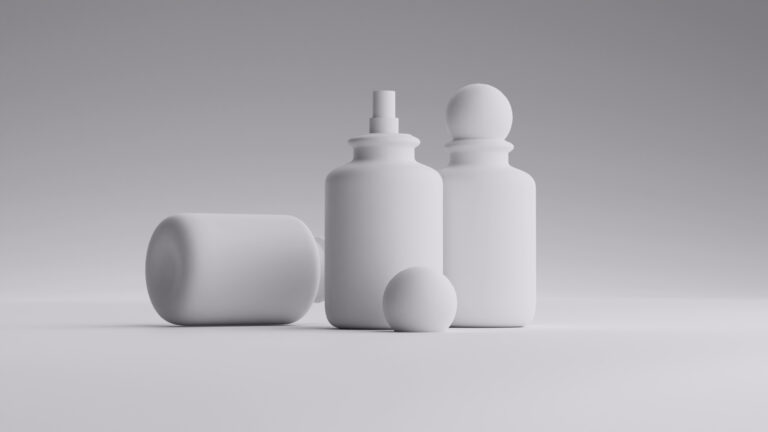
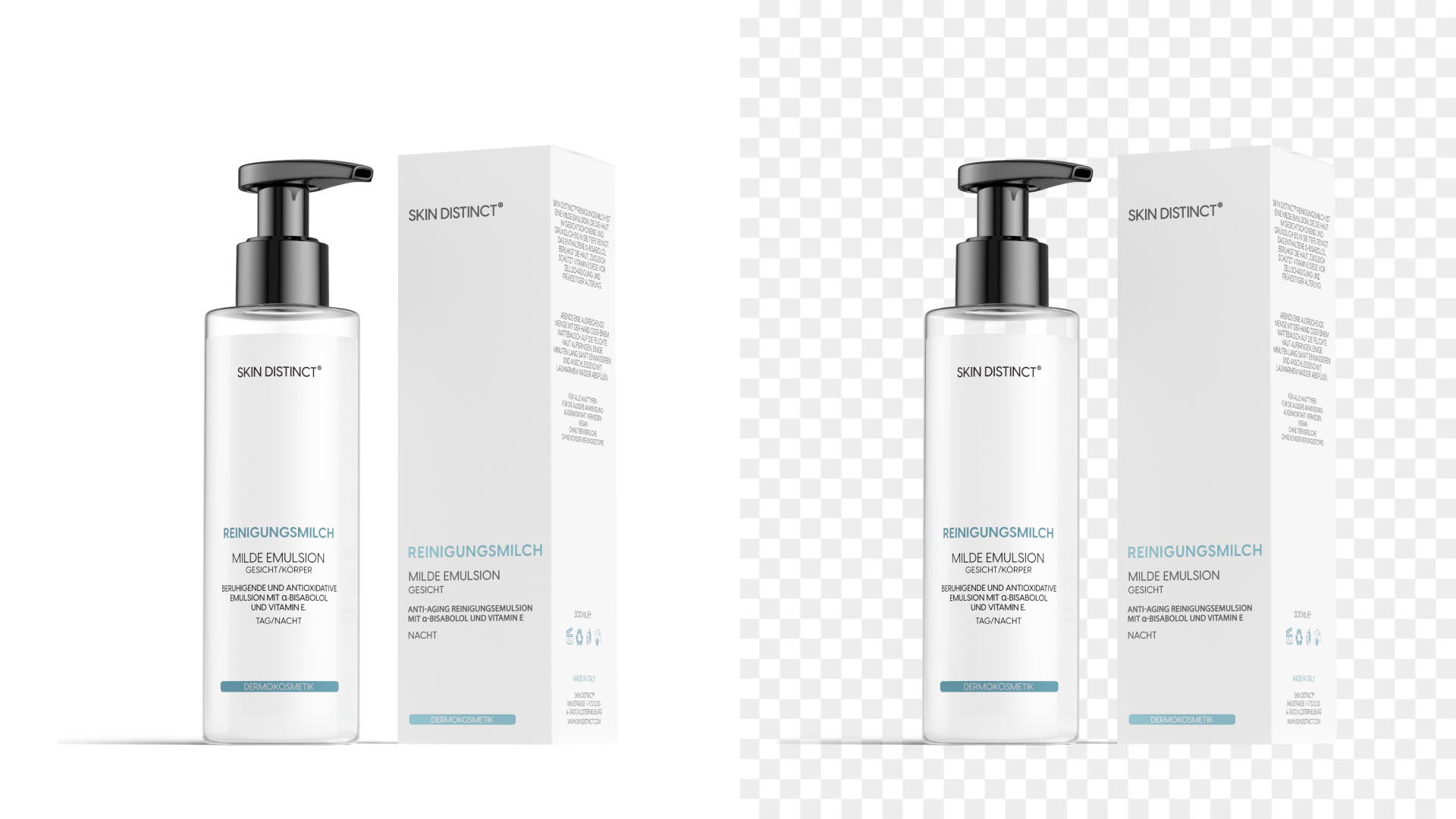
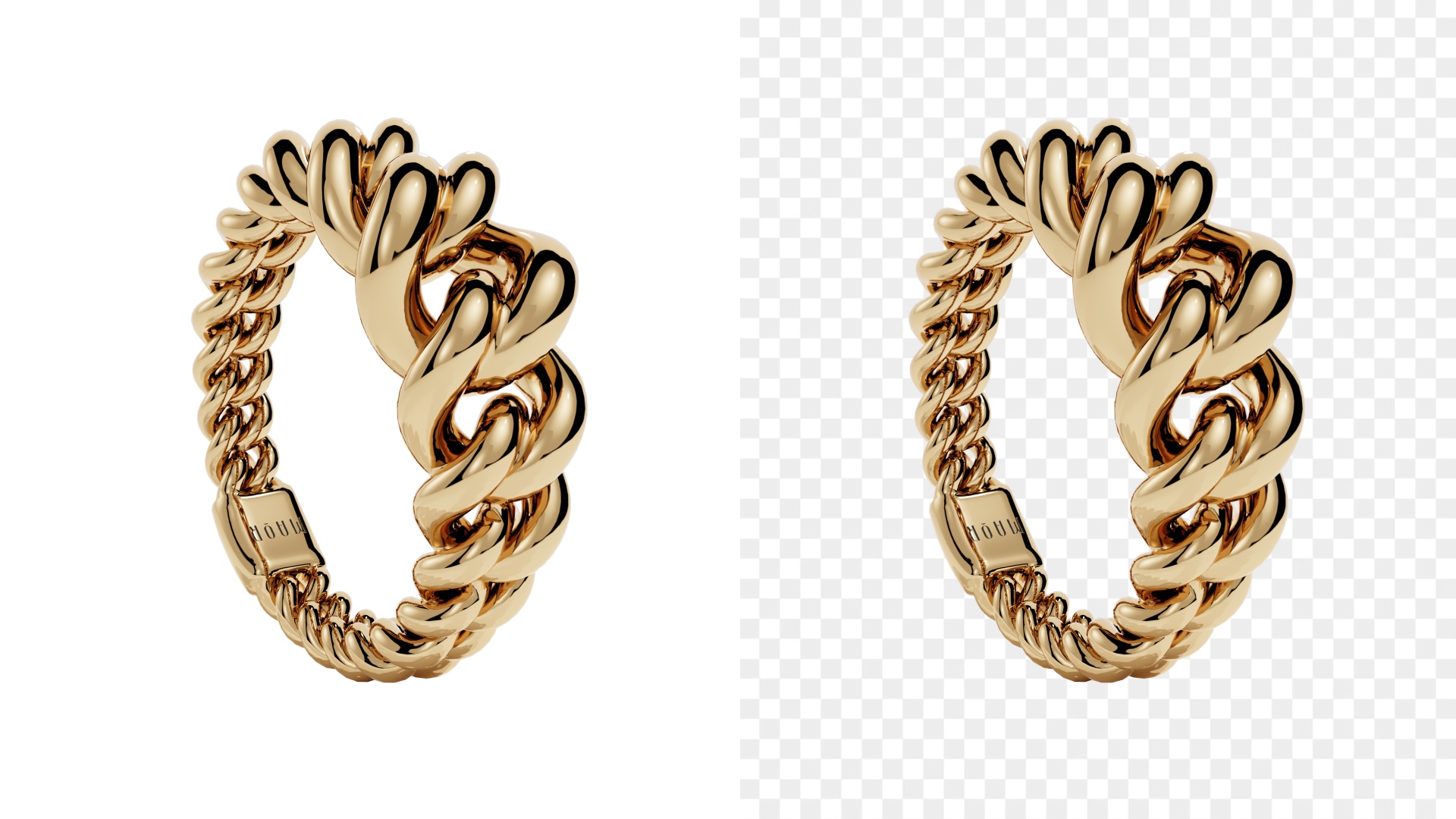
White background product photography
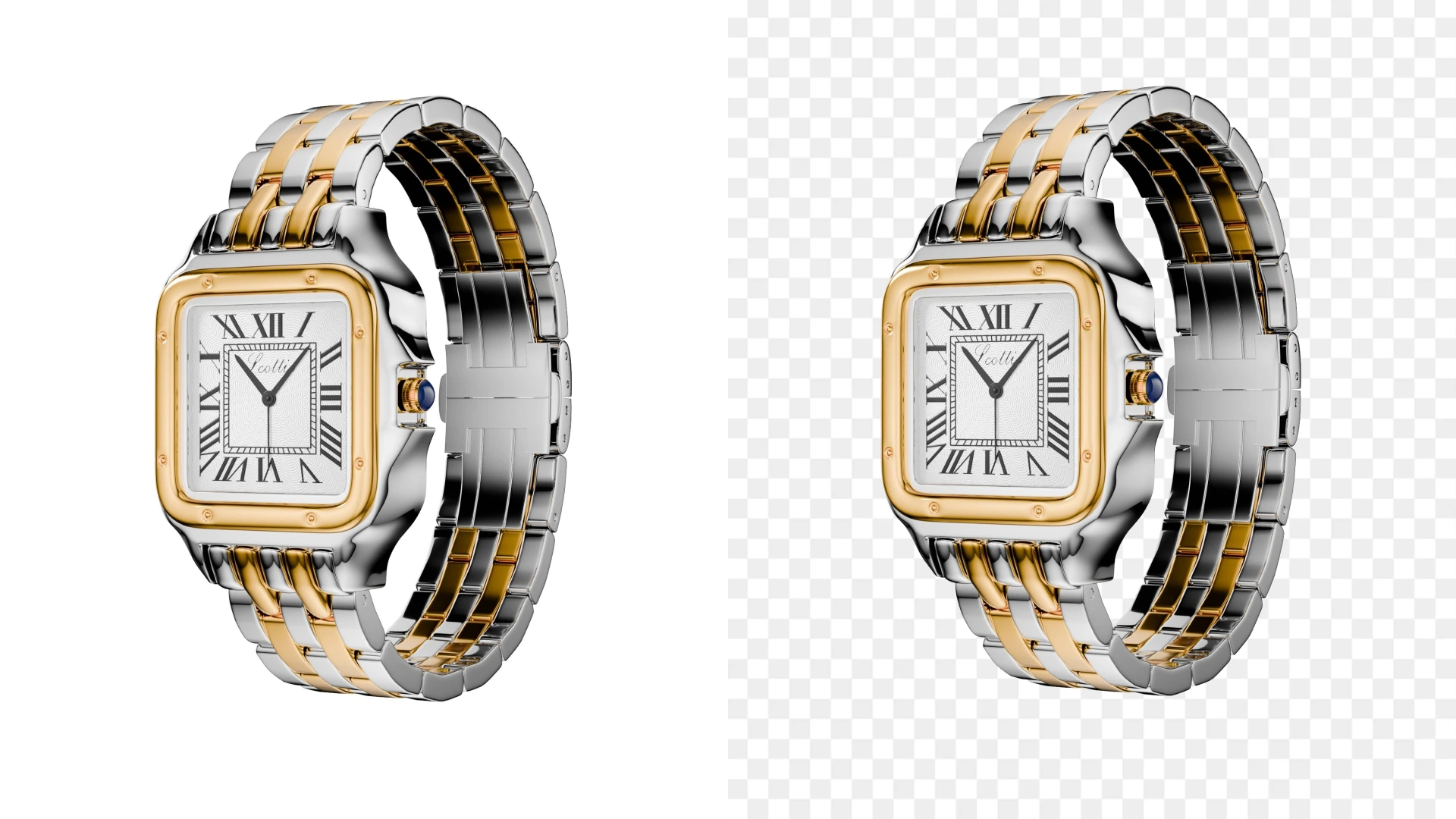
This is the clean, classic look you see on Amazon and most online stores. Amazon requires it. Other stores don’t, but it’s highly recommended nevertheless. When your product sits on a pure white or neutral background with zero distractions, it’s easier focus on what it is. Keep in mind, some of your online buyers may be completely unfamiliar with your product. The more info you give them with that first shot, the better.
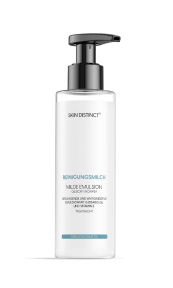
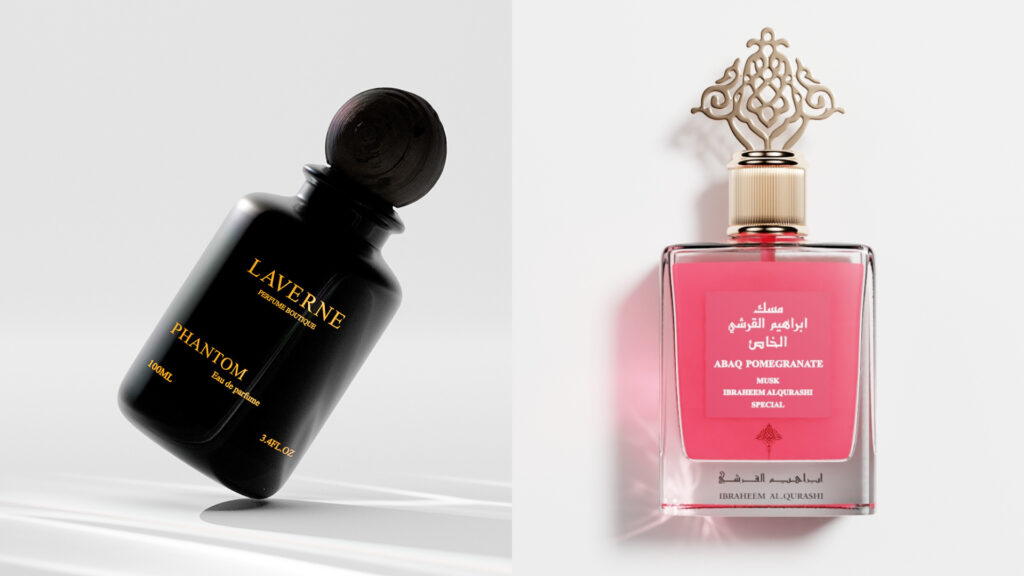
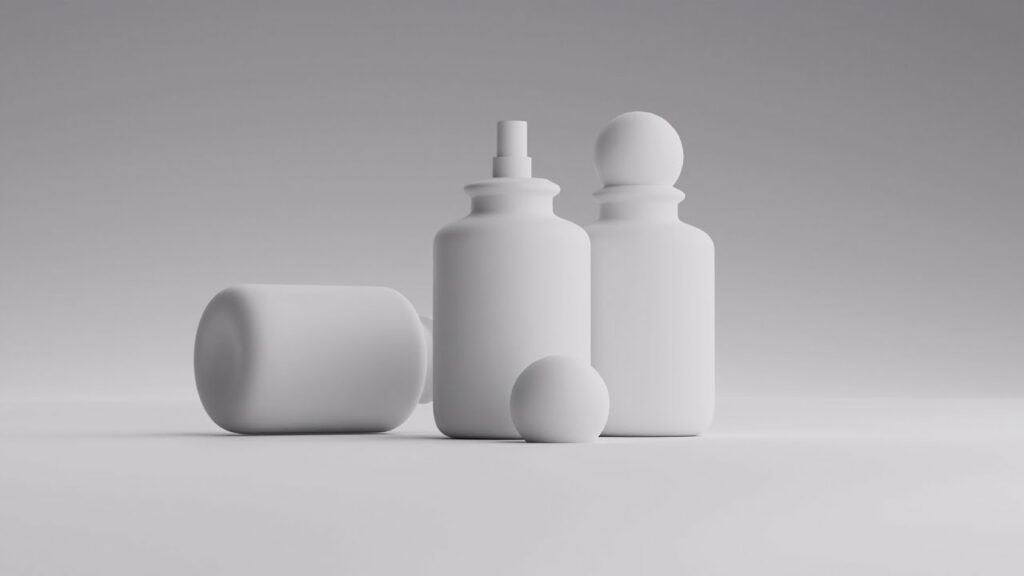
White background product photography is perfect for online stores, catalogs, and marketplaces (like said Amazon) that require consistency. Think of a skincare bottle floating on white: crisp, professional, and we promise, super effective.

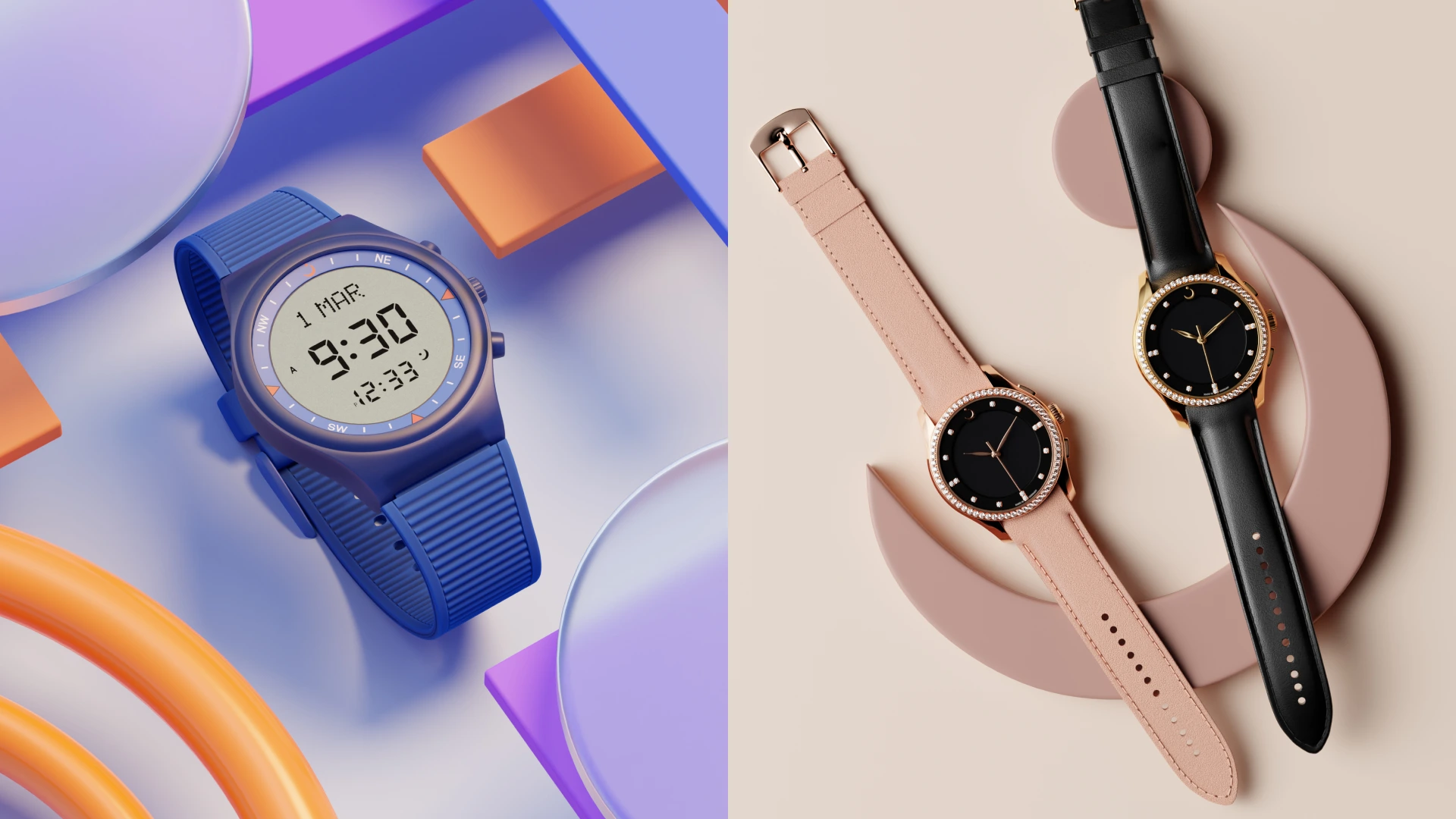
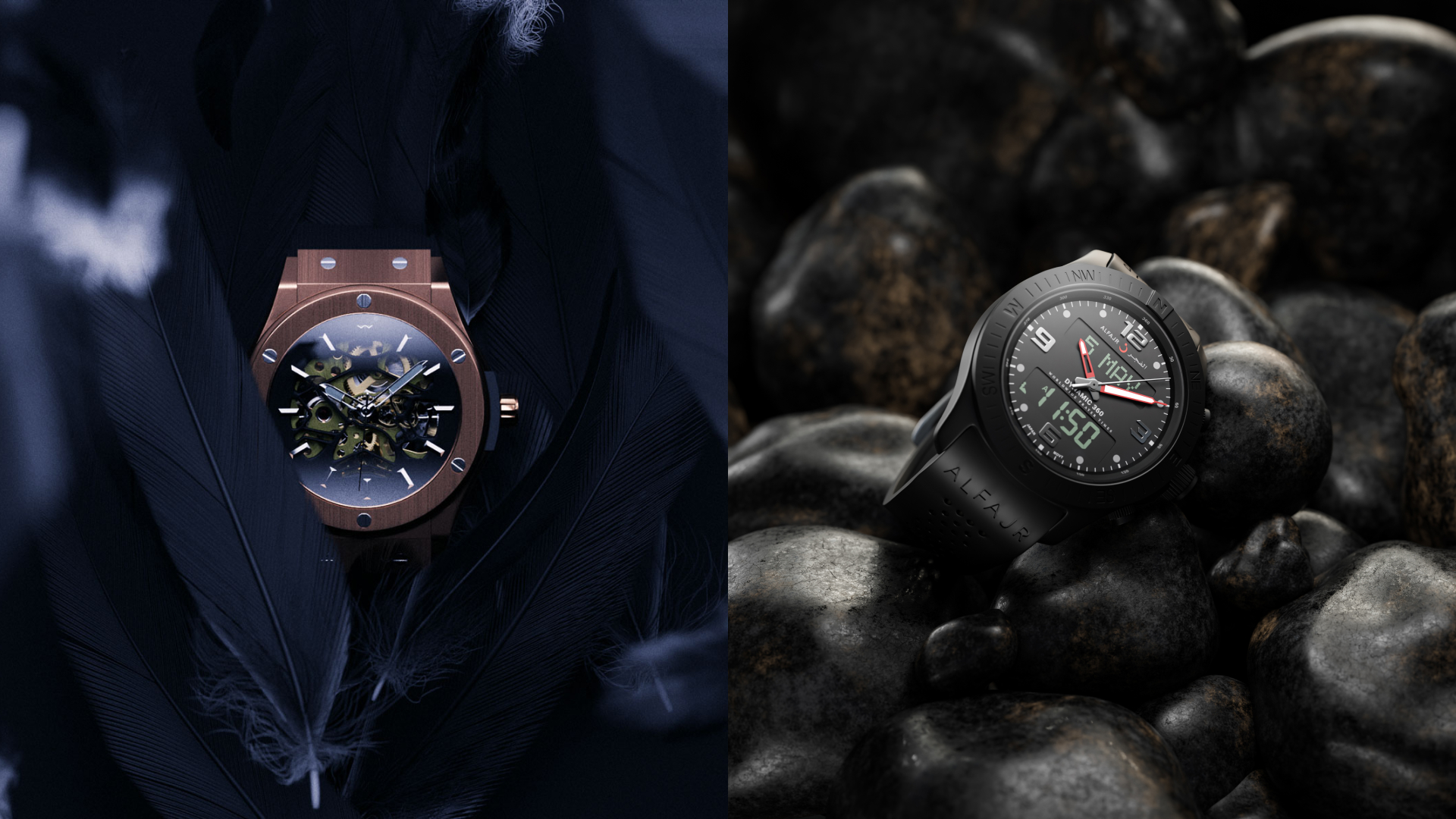
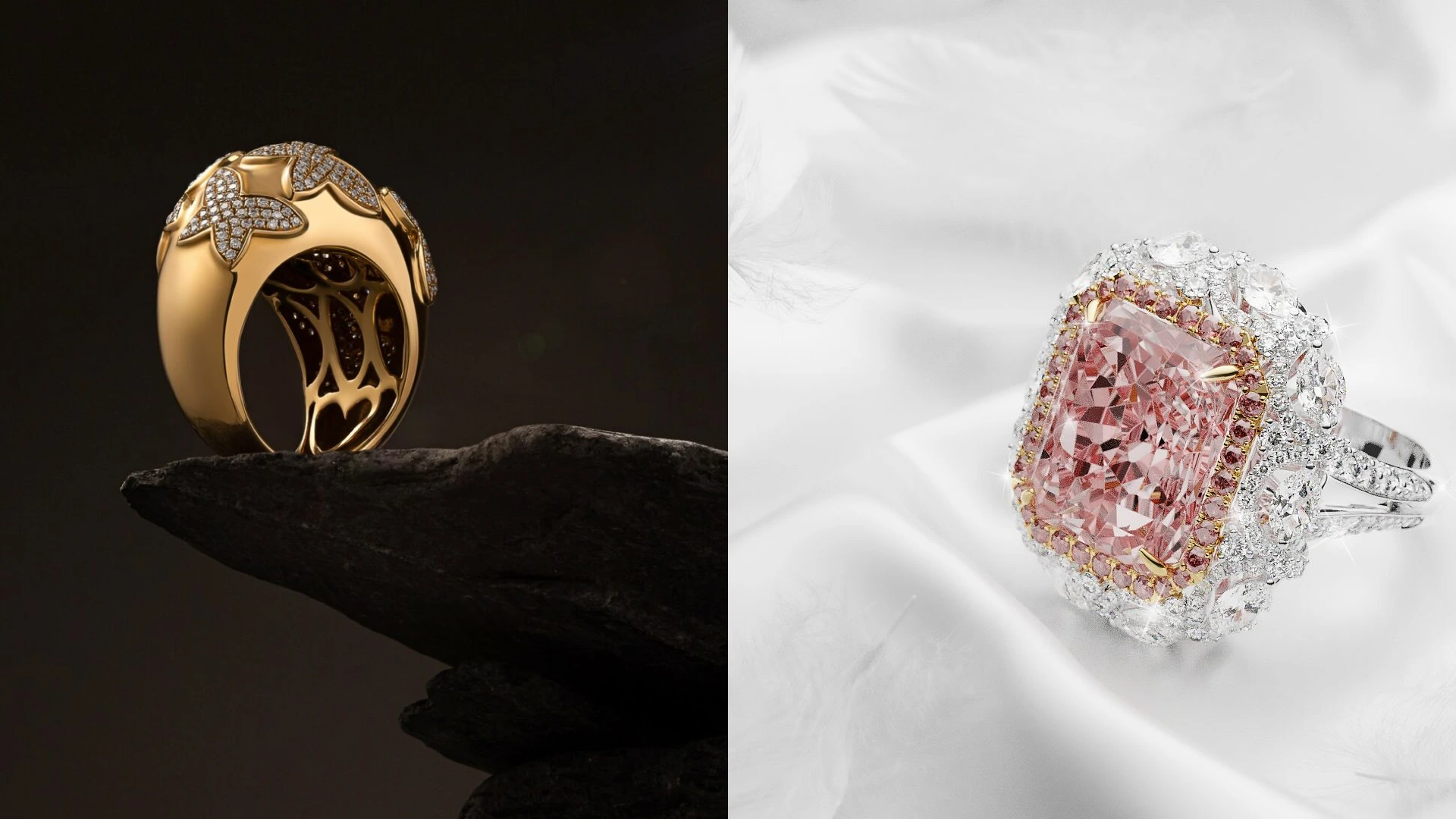
Lifestyle product photography
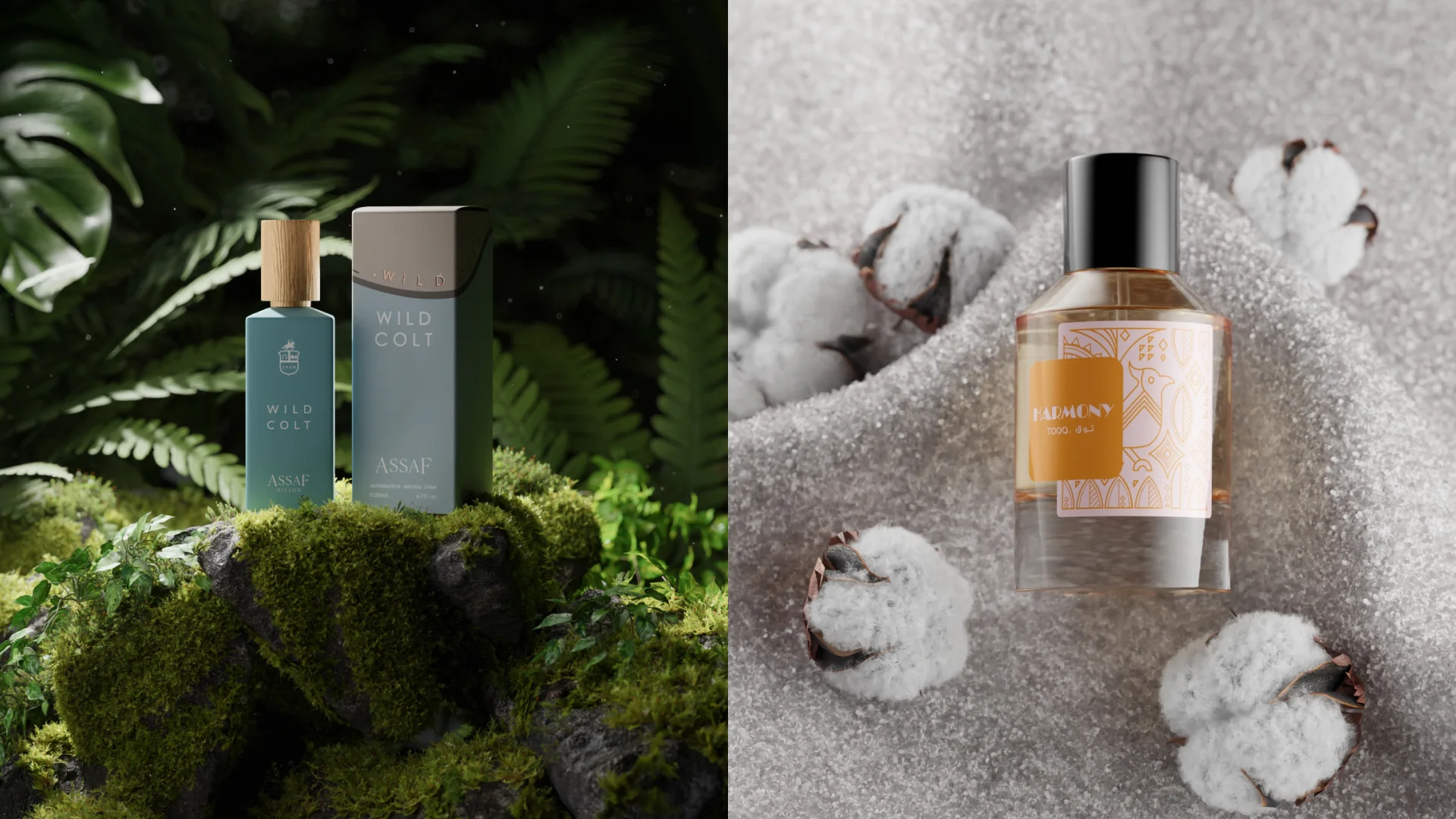
Lifestyle shots show your product in real life, being used or styled naturally. Instead of just a coffee mug on a table, you show it in someone’s hands during a cozy morning routine. This type of small product photography creates desire, aka helps online buyers imagine owning and using the item. This emotional connection often gets cast aside, but it matters more than you might think. It’s what ultimately leads to conversions.

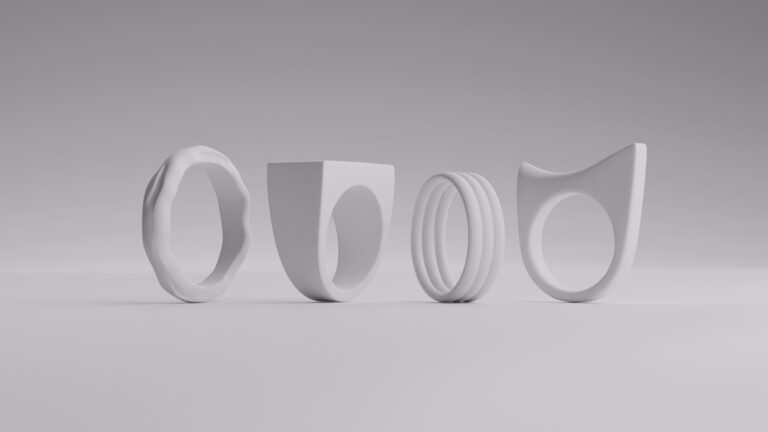
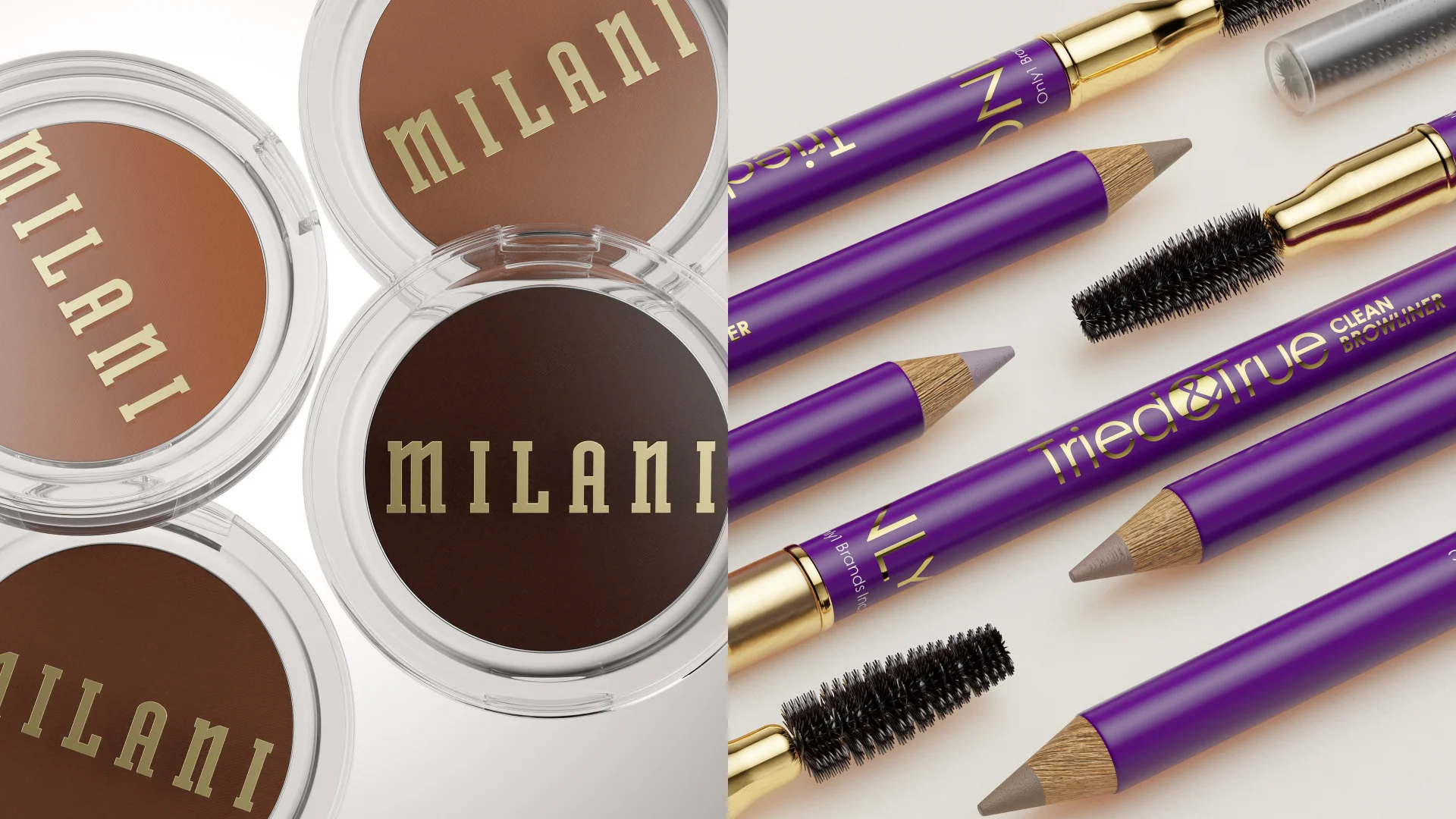
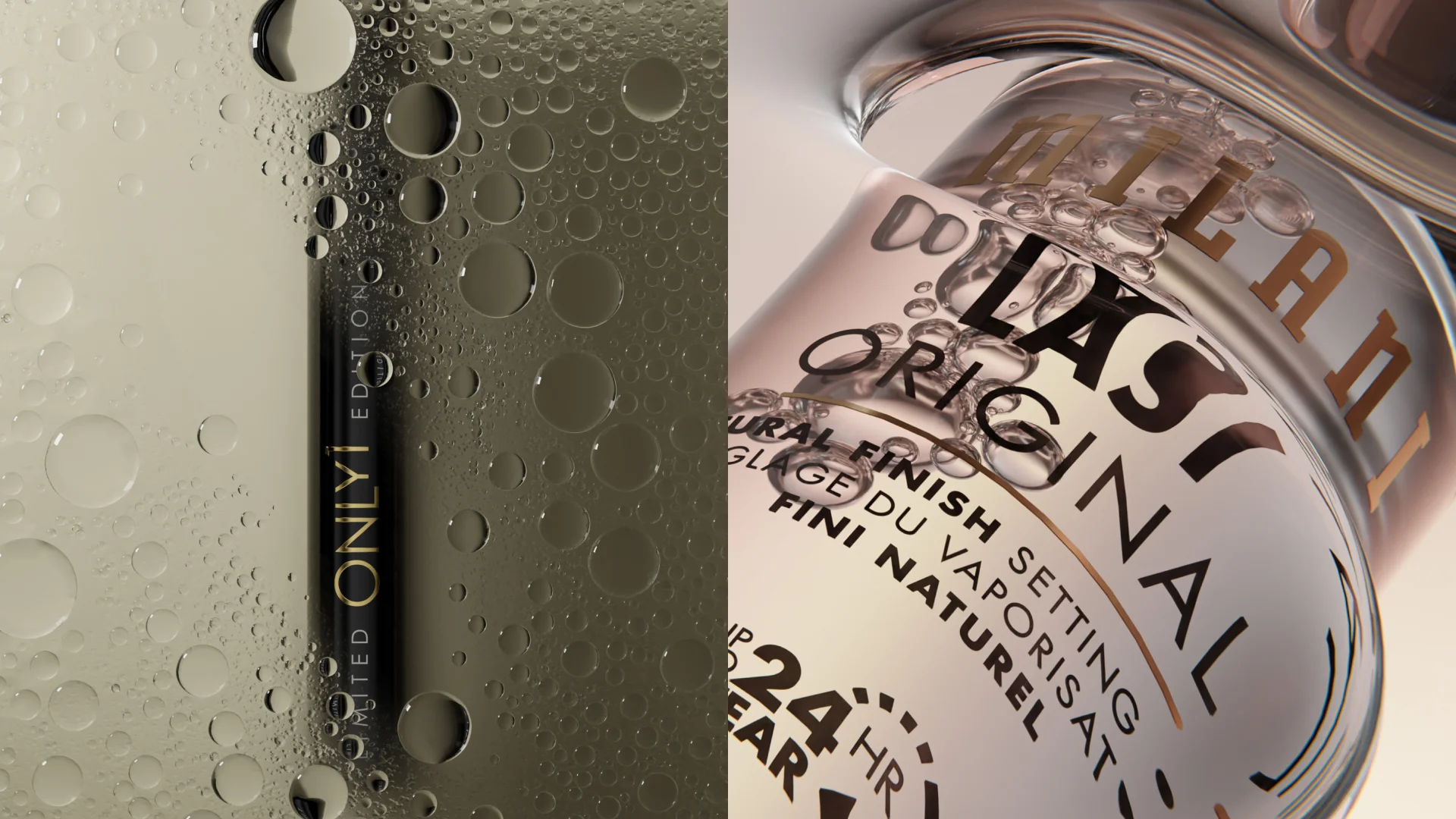
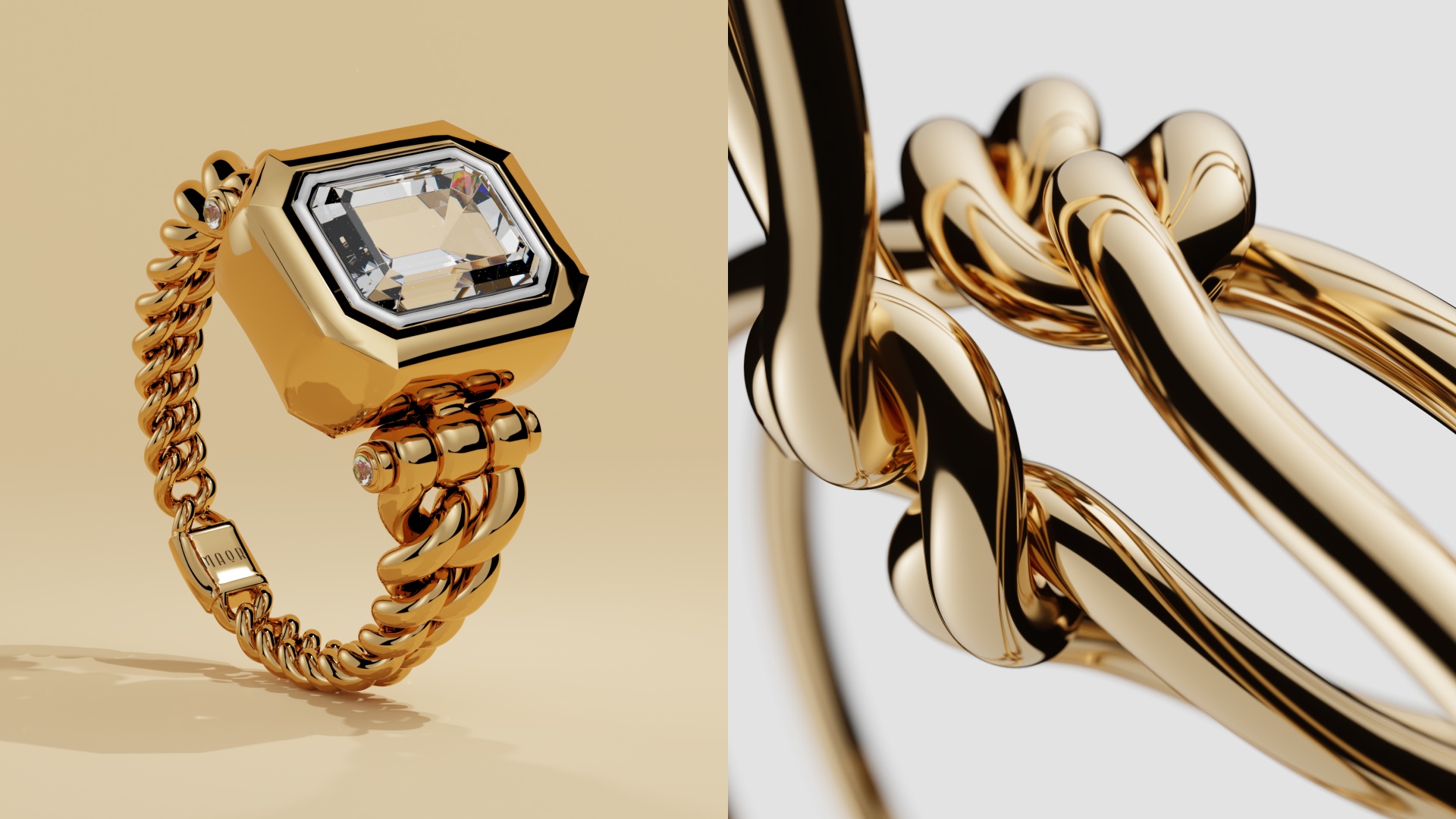
Detail and close-up photography
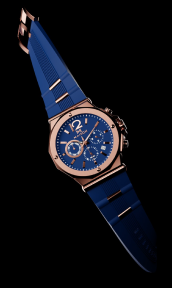
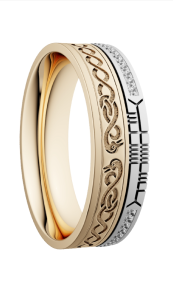
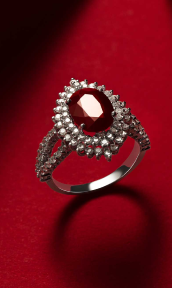
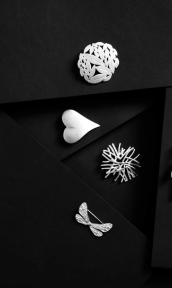
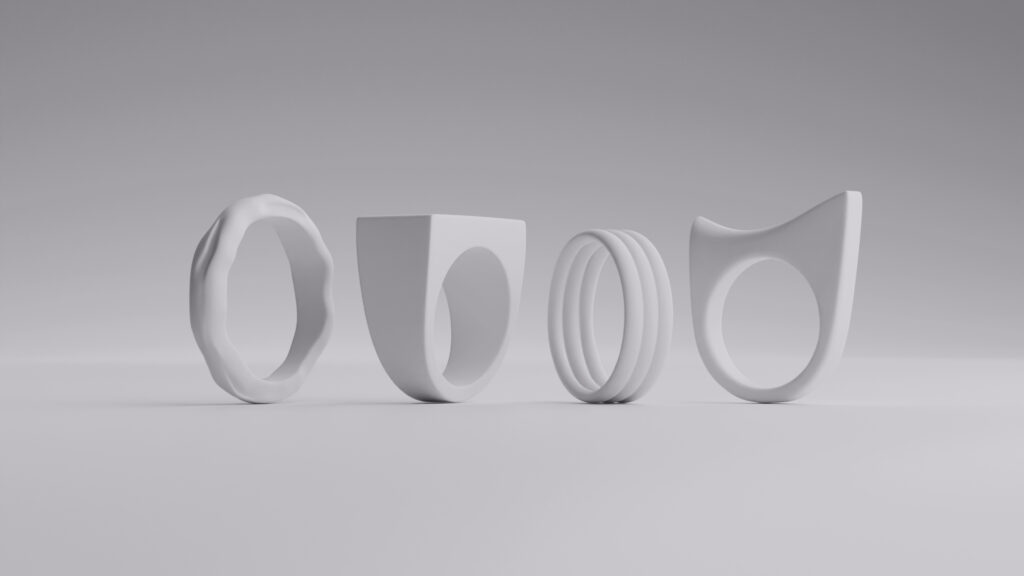
These detail or close-up shots zoom in on textures and materials. They prove even more precious when selling jewelry: clasps, diamonds, details that show your product is premium and has a unique selling point. Close-ups build trust by proving quality, and that, of course, is a huge part of professional product photos that actually sell (especially when online buyers can’t see or try on your product in real life first).

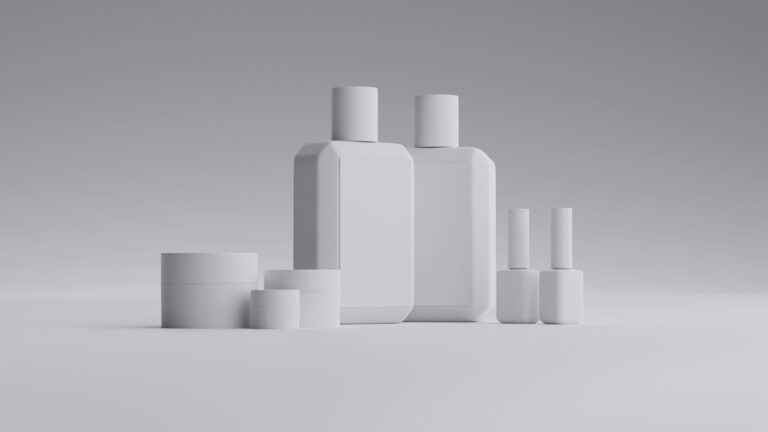
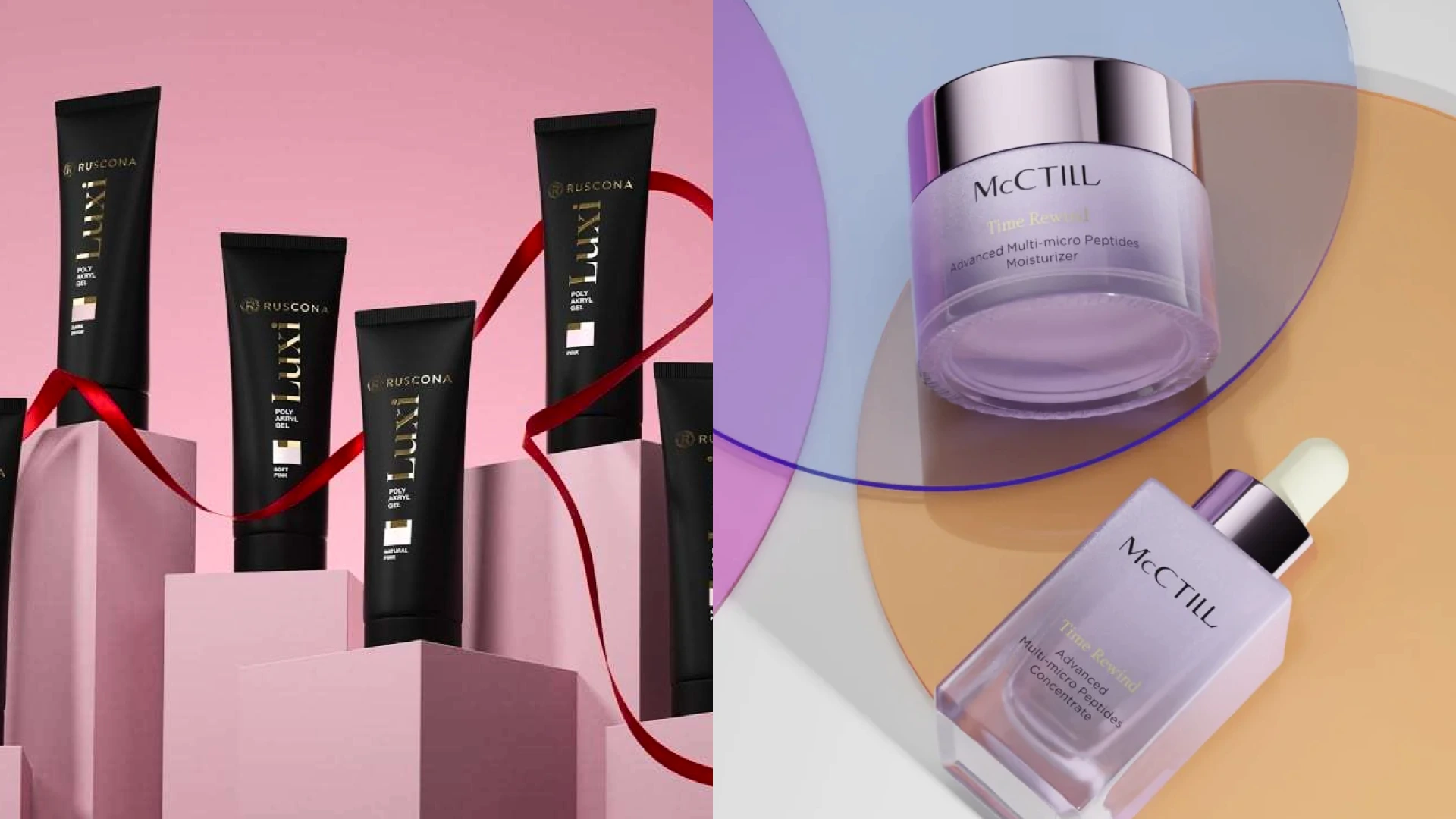
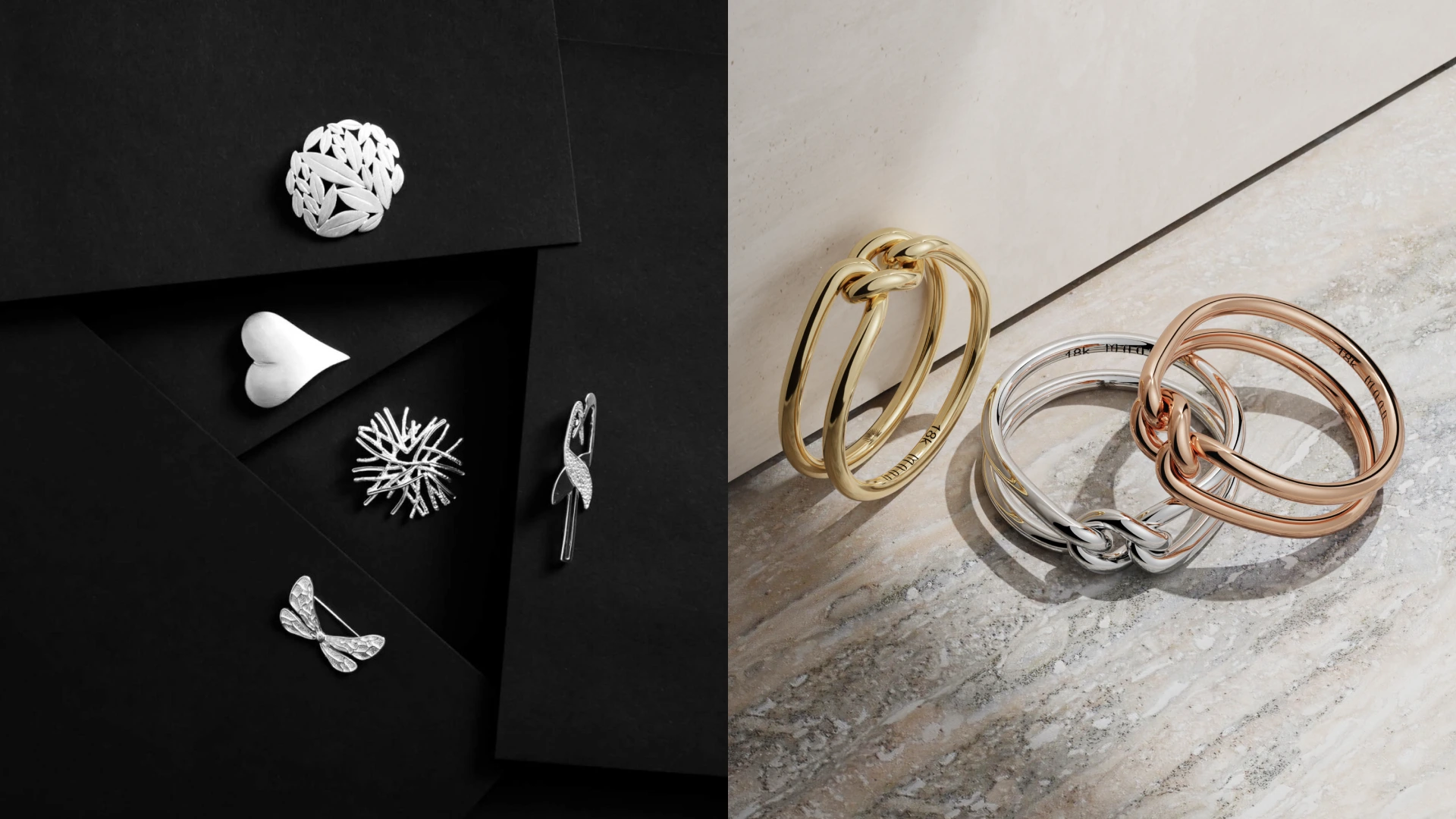
Group and collection shots
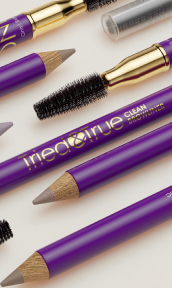
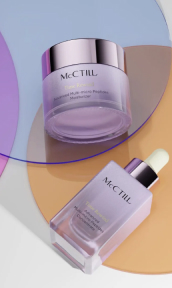
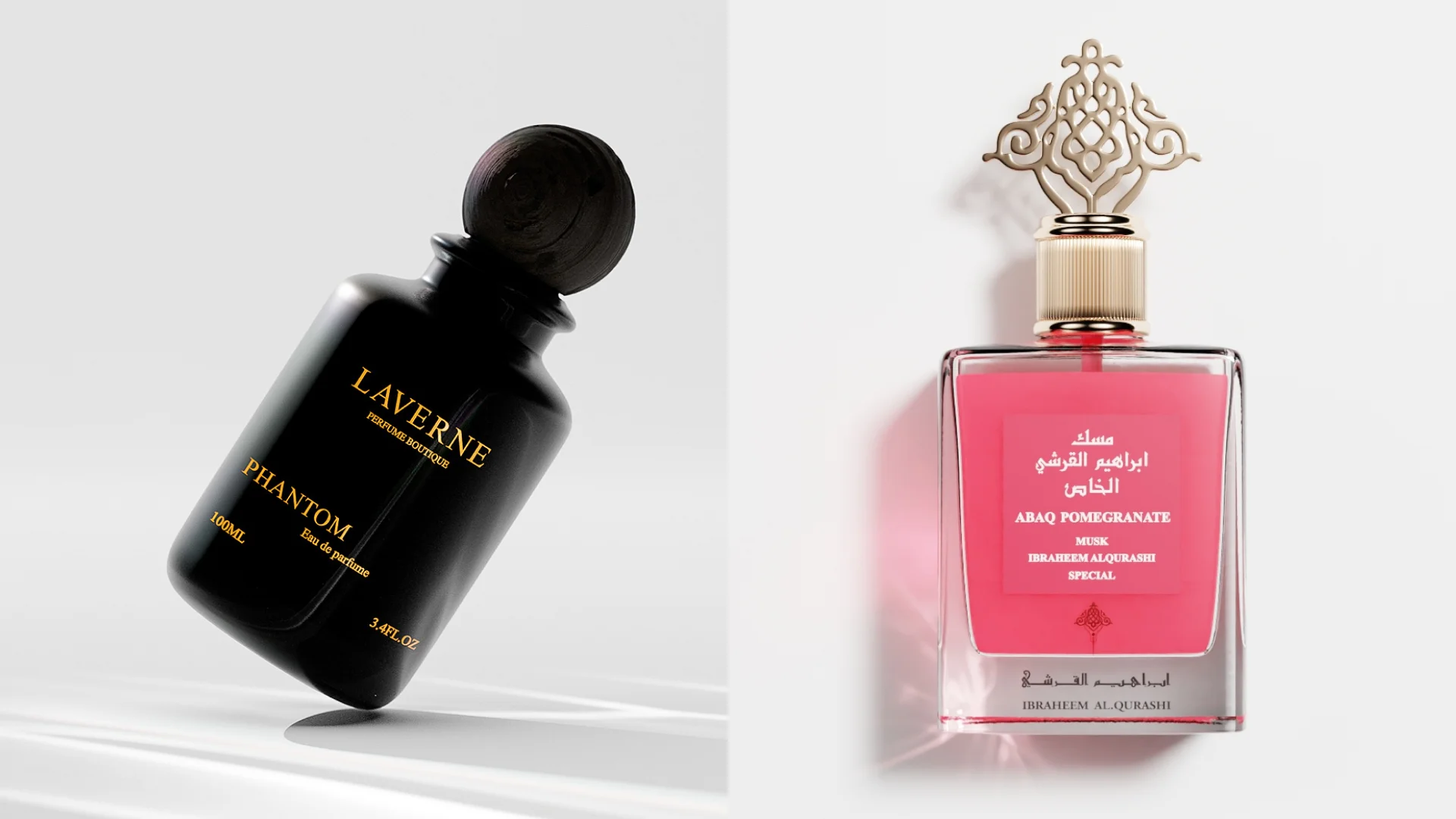
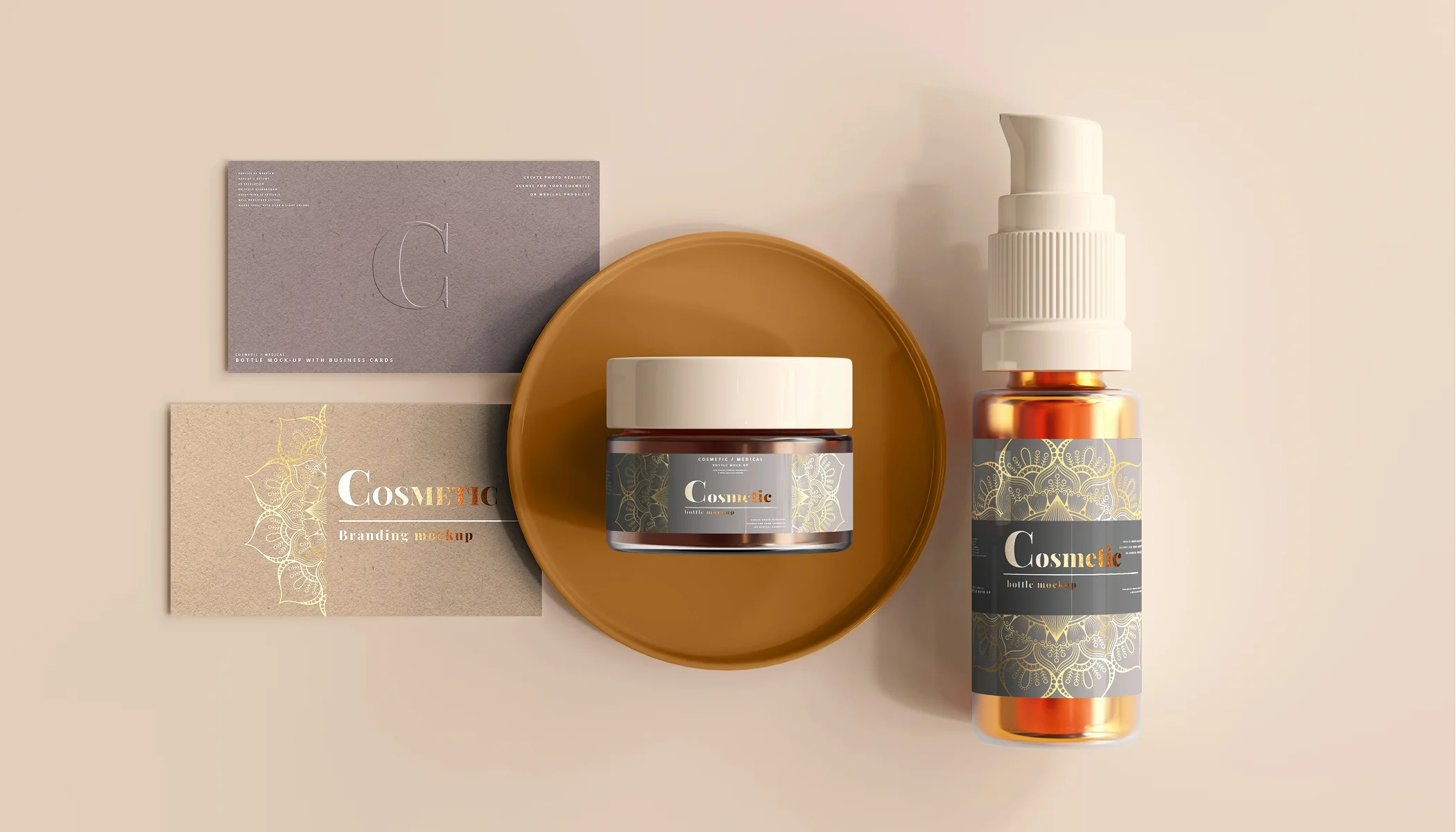
These are the product photos you want when selling variations like colors, flavors, or sets. You photograph multiple products together in a clean, organized layout so shoppers instantly understand their options. It’s common in small business product photography for skincare lines, candles, or product bundles.

Key elements of product photography
Lighting
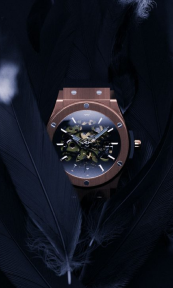
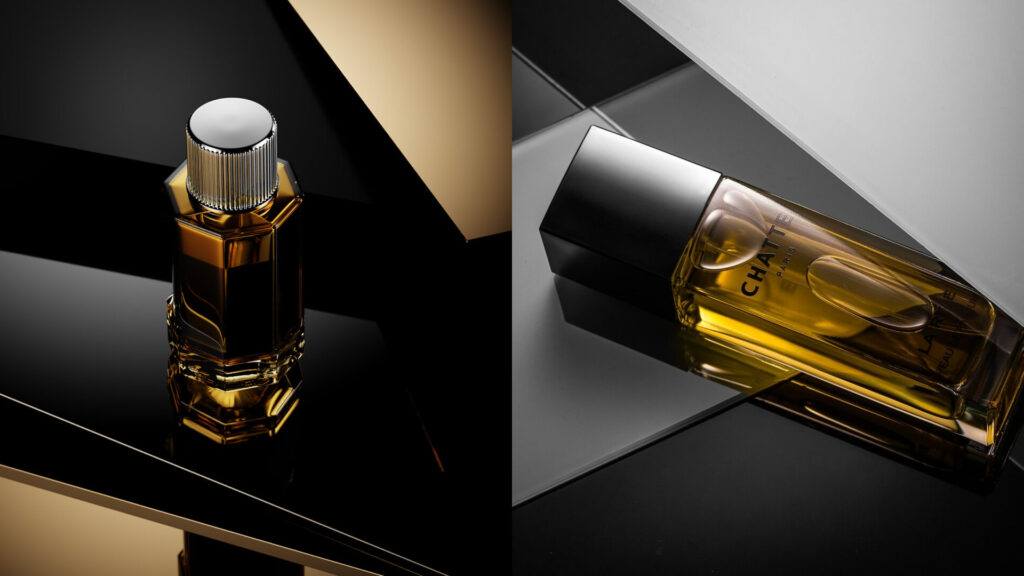
Lighting shapes the mood of your product. But it’s also there to signal clarity and professionalism. Dramatic shadows work in very few contexts, for example. Done wrong, they’re just so 2008. Natural window light works beautifully for small business pics, especially when diffused with a curtain or reflector. The general goal (that we keep seeing works like a charm) is soft, even light that avoids harsh shadows and shows true colors.

Background
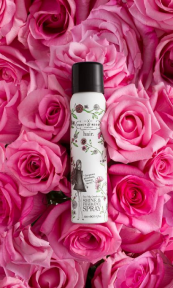
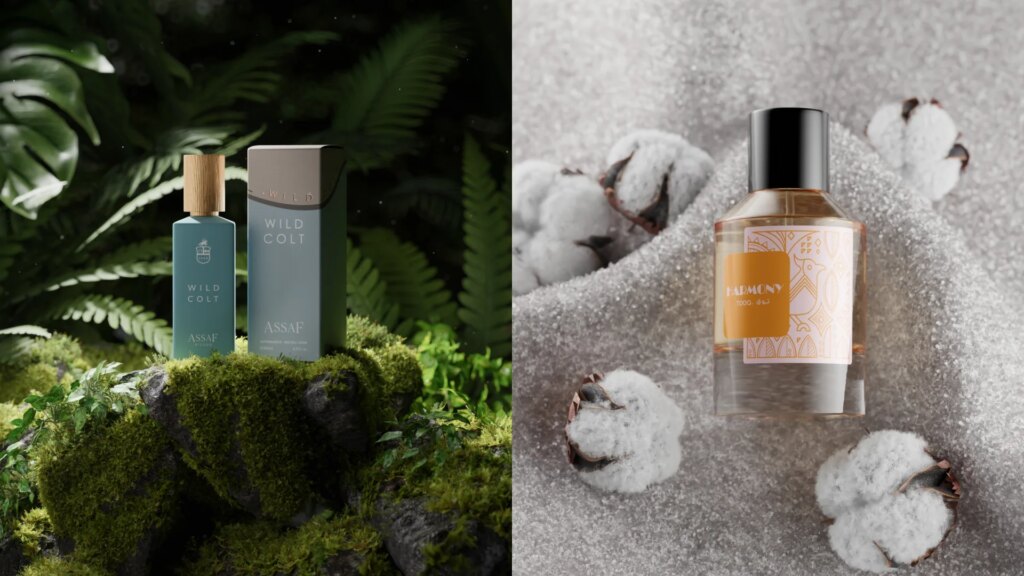
Your background should support the product, not compete with it. White and neutral tones keep things clean and help your product pop out. However, you can also go for textured surfaces (like wood or fabric) for lifestyle shots. Sometimes, you want to tell a certain story (either for your brand overall or for a special campaign or offer). So choose a background that does that and stick to it. Consistency across your photography of products is what makes your brand feel polished and trustworthy.
Composition and angles
Once again, imagine your buyer knows nothing about your product, and they’ve never seen it in a physical store either. The more angles, the better they can get the gist of it.
Now, different angles answer different buying questions. Front views show the main design, side views show depth, and overhead shots work well for flat lays. Mixing these perspectives (and keeping a close eye on composition while at it) is a core part of how to shoot product photography like a pro.

Focus and sharpness
Your product should always be crystal clear. Blurry photos instantly feel amateur, no matter how good the lighting is. And even if it may not look blurry on your phone, double an triple-check it’s clear. Online buyers in 2026 are eagle-eyed, to say the least. Using a tripod (even a cheap one) makes a massive difference in professional product photography.

How to take product photos
Great product photography follows a simple process, which we’ve made into a short list you can follow time and time again. Once you get the hang of it, shooting becomes faster, easier, and far more consistent.
- Set up your light source
Place your product near a window or soft artificial light so it’s evenly lit from the side or slightly from the front. - Choose a clean background
Use a white board, wall, fabric, or styled surface that matches your brand aesthetic. - Position your product carefully
Make sure labels face forward, edges are straight, and everything looks intentional. - Stabilize your camera or phone
Use a tripod or rest it on something solid to keep images sharp. - Shoot from multiple angles
Capture front, side, close-ups, and lifestyle variations to give shoppers a full view. - Edit lightly
Adjust brightness, contrast, and color balance, but make sure you keep textures realistic.
This simple workflow covers the basics of how to do product photography. And as your business grows, it stays the same. The only question is whether you should hire a pro or not.
Now, let’s move on to our 10 most prized tips on product photography for small businesses.
- 3D modeling
- White bg.
- Minimalistic
- Simple prop
- Custom
- 3D modeling
- White bg.
- Minimalistic
- Simple prop
- Custom
10 tips for product photography for small businesses
Use natural light whenever possible
Window light is free, flattering, and perfect for small product photography, whatever your products may be. Just avoid harsh midday sun. It tends to do the same damage as those dramatic Tumblr shadows.
Keep your style consistent
Consistent style means the same lighting, background, and angles across products. Anything less will ruin that professional brand look.
Clean your products before shooting
Dust, fingerprints, and smudges show up more than you think. Many times, online buyers notice these at a subconscious level, and unfortunately, that’s enough for them to scroll past.
Shoot in high resolution
Always use the highest quality setting available for sharper professional product photos. You can always adjust sizes and resolutions later on for various media.
Try lifestyle shots alongside clean ones
They add emotion and create desire, which is absolutely vital if you want to catch your potential buyers’ attention. Boosting engagement on your product pages and social media is the first step towards that precious sale.
Use a simple reflector
A white piece of cardboard can bounce light and soften shadows instantly. Keep soft, flattering light in mind at all times.
Show scale clearly
Include hands or everyday objects so shoppers understand size, especially with products where that can prove misleading.
Don’t over-edit
Heavy filters make products look unrealistic, or worse, make your brand feel amateur.
Photograph variations together
Colorways or bundles look clearer in group shots. Think of a great (but simple) composition and stick to it throughout your group photos.
Know when to go professional
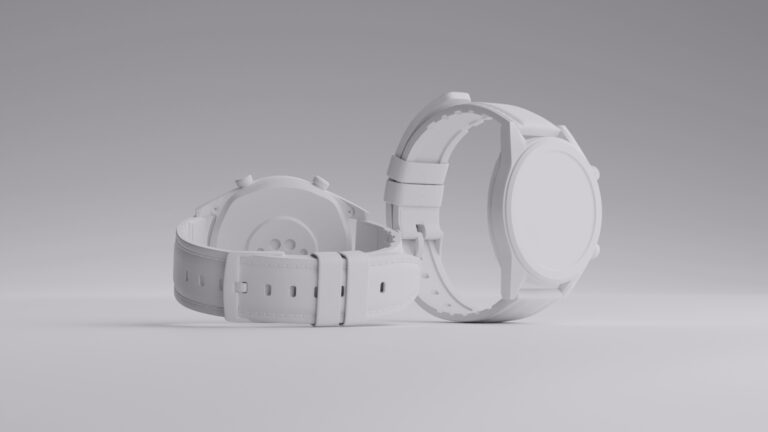
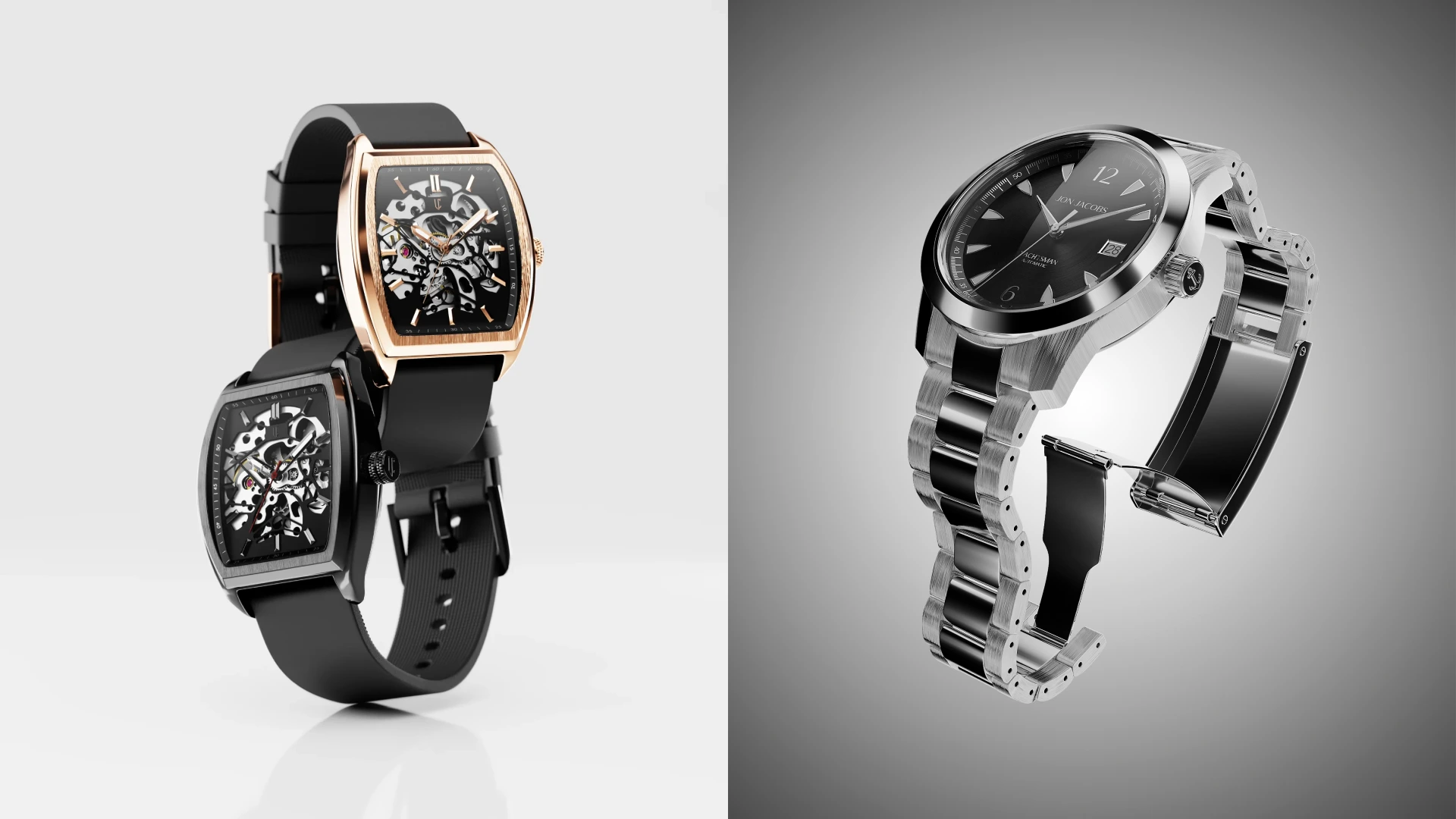
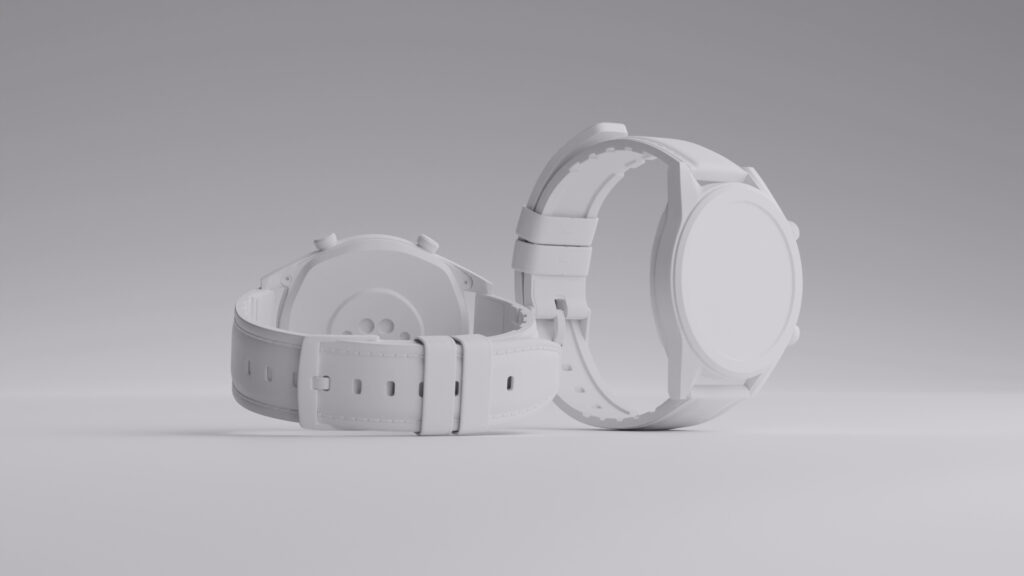
For complex materials, reflective surfaces, or large catalogs, professional product photography or CGI can save oodles of time and money (and logistical headaches) long-term.

Wrapping up


Great product photography for small businesses isn’t about fancy gear or going back to school. If you focus on smart lighting, clean composition, and consistency, we promise you’ll see great results, and fast. With a bit of practice, your small business product photography can look just as strong as A-listers’ campaigns.
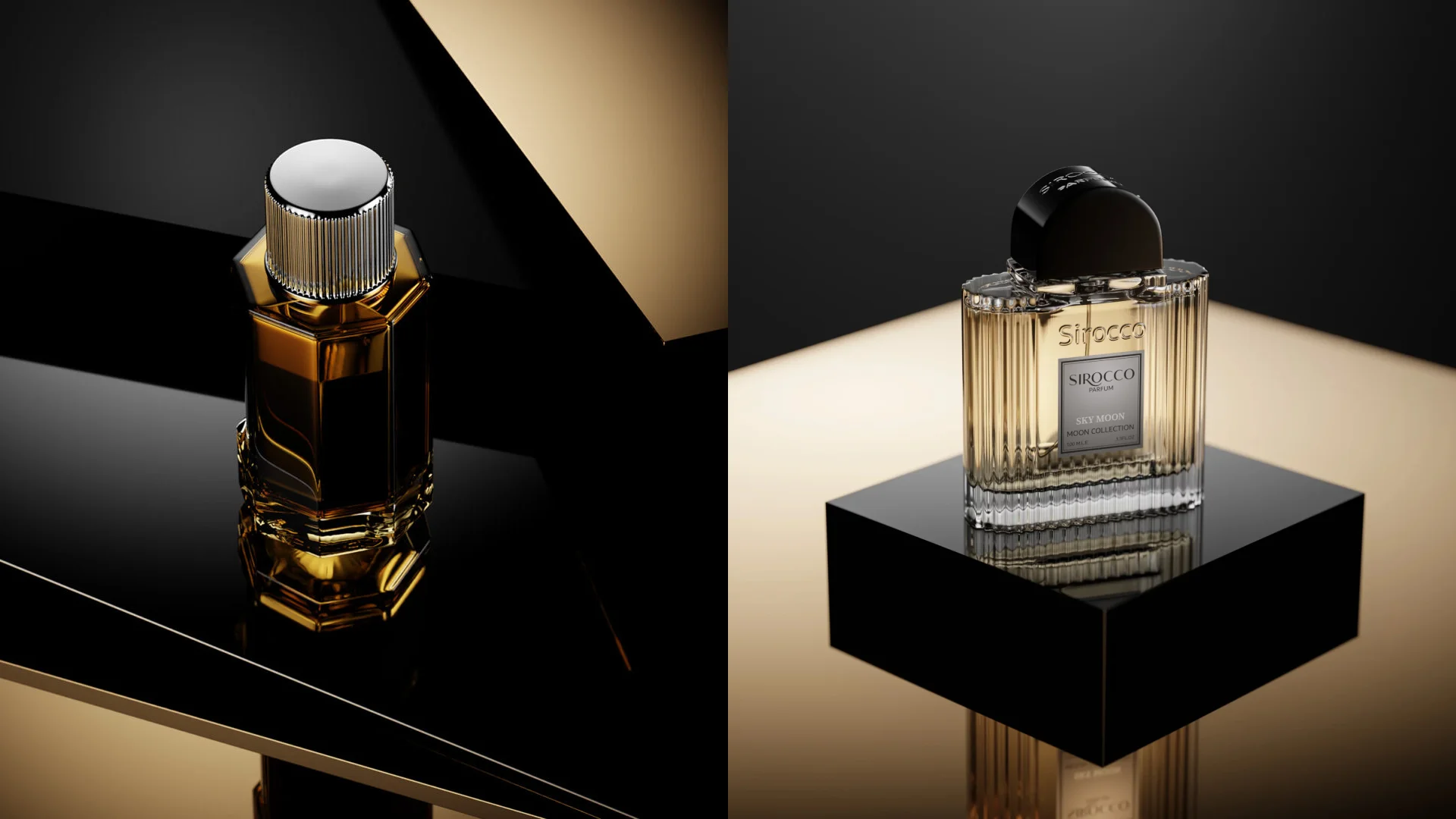
And hey, if you want to scale faster (or achieve what simply can’t be done in a traditional studio), our team at Welpix is ready to talk. We mix professional product photography with CGI to create exactly what you want, be it clean white background shots or a premium perfume that hasn’t been manufactured yet, floating in space.
Your products deserve to look as good as they are. Let’s make that happen.
FAQ
How do you take good pictures of your product?
Use soft lighting, a clean background, sharp focus, and multiple angles. Consistency matters just as much as quality.
How do small businesses take good photos?
Most start with smartphones, natural light, simple setups, and basic editing — then scale to professional product photography as they grow.
What’s the best background color for product photography?
White is the most versatile for ecommerce, but neutral tones and textured surfaces work great for lifestyle shots.
What do I need for basic product photography?
A smartphone or camera, natural light, a clean background, and something to stabilize your shots.
What time of day is best to take product photos?
Morning or late afternoon offers soft, flattering natural light without harsh shadows.
What camera settings should I use for product photography?
Use low ISO for clarity, a mid-range aperture for sharp focus, and adjust exposure so whites stay clean.
Is professional product photography worth it for small businesses?
Yes — especially for online stores where visuals drive trust and conversions.
Can CGI replace traditional product photos?
For many products, yes. CGI offers consistency, scalability, and perfect lighting — without physical shoots.