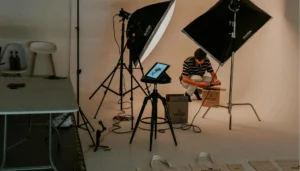
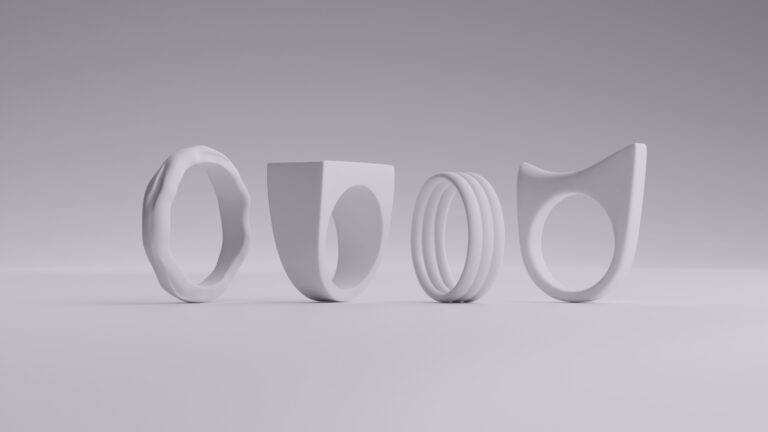
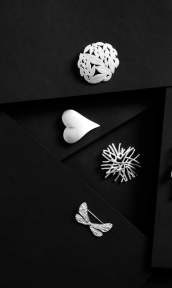
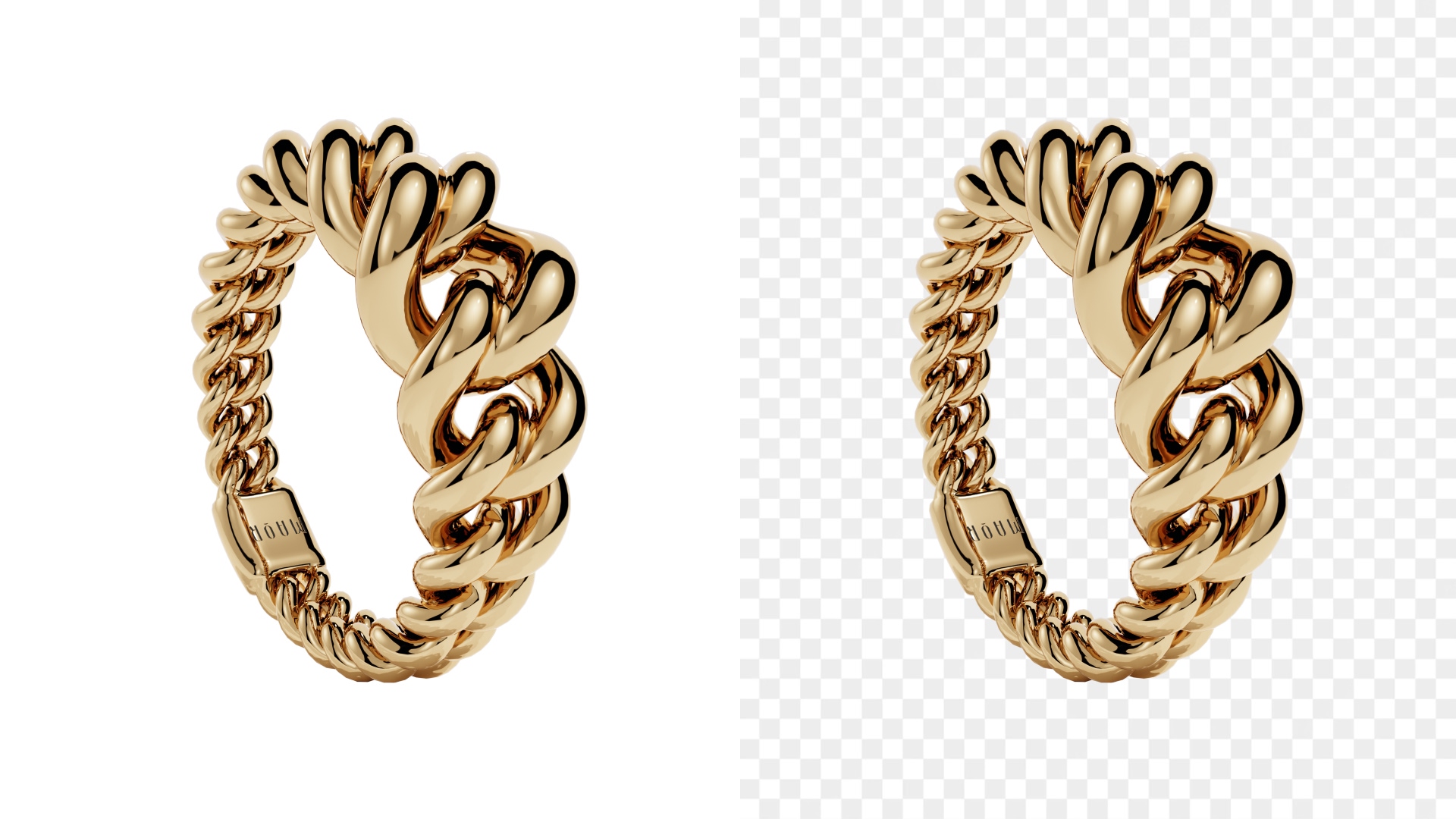
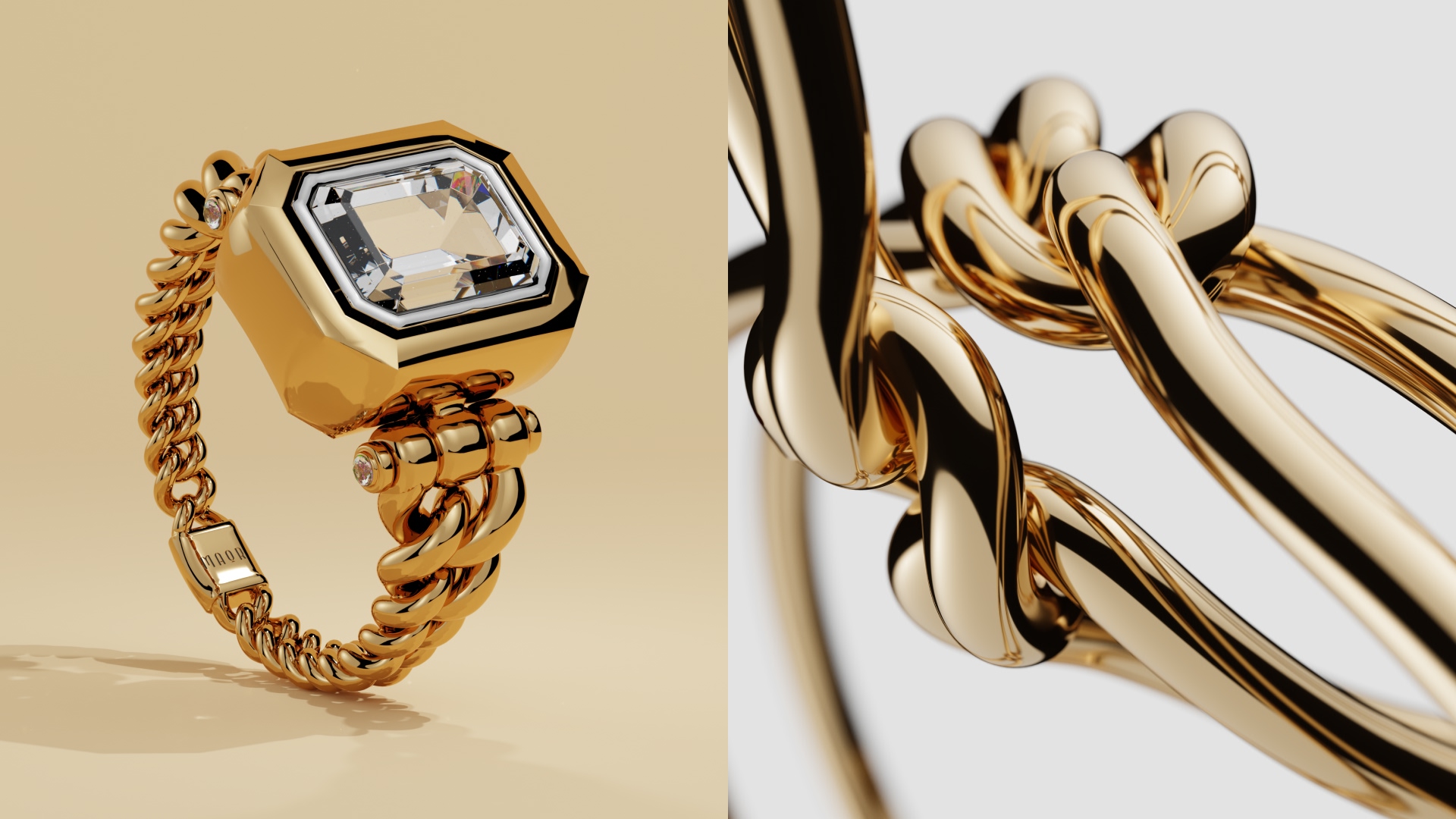
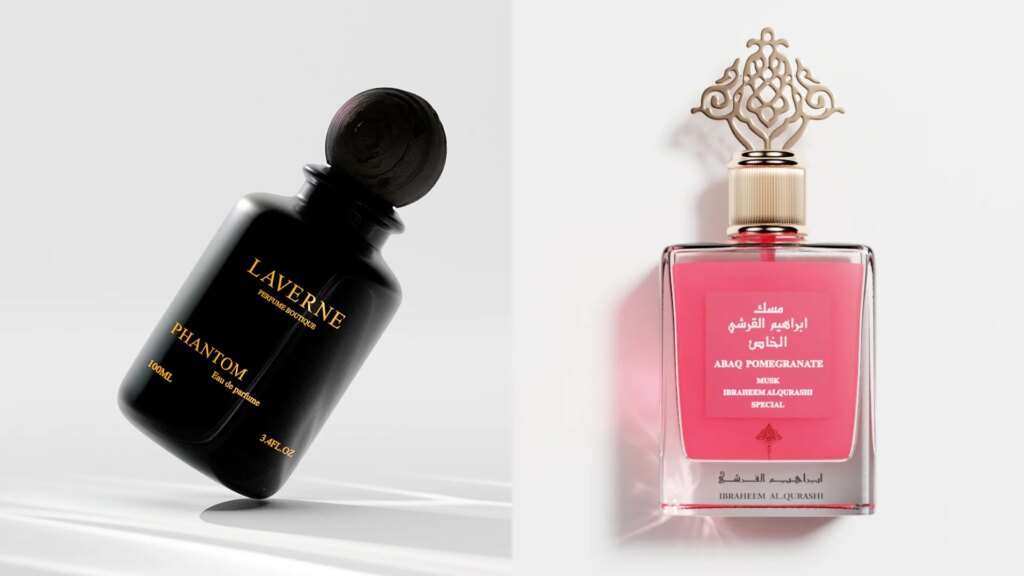
If you’re here reading this article, you probably feel the same way as us. Traditional product photos are expensive, slow, and sometimes a full logistical nightmare. You ship samples (worrying they’ll break), book a studio, coordinate photographers, wait for edits… and if you change the packaging next month, yep, you start over.
But 2026 ecommerce doesn’t wait. And that’s where AI product photography swoops in. You can use AI to generate product images, swap backgrounds, create lifestyle scenes, and update visuals in hours instead of weeks. More and more brands are using AI-generated product images to launch collections before they’re manufactured and test different visuals for ads. They know how fast trends are evolving and how important it is to keep up the pace with online buyers’ expectations.
So if you’re serious about growth, it’s worth reading on about AI product photography. Here’s a quick guide on all things AI photography.
What is AI product photography?
AI product photography uses artificial intelligence to create product visuals from scratch, digitally, without any need for a traditional photoshoot. And it doesn’t just create your desired product photos, as you can also use AI to edit and optimize product visuals.
Basically, instead of relying on a camera and studio setup, you use AI to generate product images, enhance lighting, remove backgrounds, or create full lifestyle scenes to your liking.
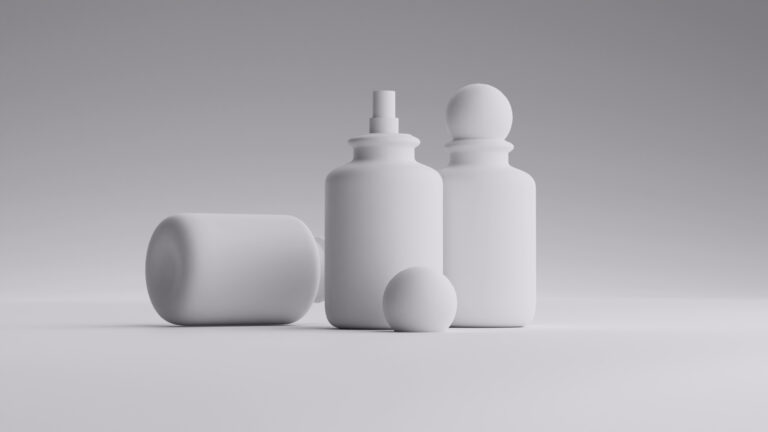
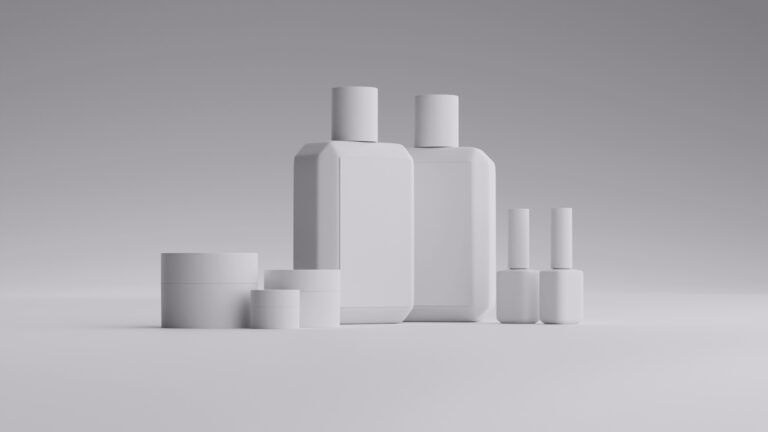
This can work from existing product photos, 3D models, or even simple product descriptions (the more specific, the better!). Done well, AI-generated product images can look polished and consistent, which is just what you need for ecommerce platforms. The best bit is, AI for product photography gives you control, speed, and scalability in one workflow that you can repeat and perfect through time.

Now, check out the greatest benefits of using AI for product photography.
Benefits of AI product photography
- Faster image production
Using AI for product photography means you can create and update visuals in hours instead of weeks. This helps you launch new AI-generated products faster and react quickly to trends. - Lower costs over time
No studio rentals, no repeated reshoots, no shipping samples across the world and hoping for the best. AI for product photos reduces operational costs while delivering high-quality results. - Easy variations and A/B testing
Need five backgrounds for the same product? Or different colors for ads? With AI to generate product images, you can create multiple variations instantly and test what drives more clicks. - Consistent branding across your catalog
Product image AI ensures consistent lighting, angles, and backgrounds across hundreds of SKUs. That visual harmony builds trust and makes your store look premium. - Scalable for large inventories
Whether you sell 20 products or 20,000, AI-generated product images can be produced at scale. Meaning that as your catalog grows, your visual quality doesn’t drop.
- 3D modeling
- White bg.
- Minimalistic
- Simple prop
- Custom
- 3D modeling
- White bg.
- Minimalistic
- Simple prop
- Custom
How AI product photography enhances online sales
Faster time-to-market
Speed matters in ecommerce and we’re sure you already know this. With AI product photography, you can create visuals for pre-orders, limited drops, or seasonal campaigns before physical inventory even arrives. And these faster launches mean you capture demand while it’s hot.

Higher conversion rates
Clean, detailed, high-resolution AI-generated product images help customers understand exactly what they’re buying. And we can’t emphasize how important this is when online buyers can’t touch or try your product. The clearer your visuals, the more confident they feel, and that’s what ultimately nudges them to buy.
Better personalization
Using AI for product photography allows you to tailor images to different audiences. You can show the same AI-generated product in a minimalist setup for one market and a bold lifestyle scene for another. Way to increase relevance and engagement!

Smarter A/B testing
With AI to generate product images, you can test a million times until you’re confident. You can compare different angles, backgrounds, or color tones and let real data show which visuals perform best.
Fewer returns
Accurate, detailed product image AI reduces mismatched expectations. When customers see realistic scale, textures, and angles, they’re less likely to return items due to disappointment. That’s why it’s super important to put the right prompts into AI and to use the right tools.

Tips and best practices
Keep it realistic
AI-generated product images should enhance reality, not invent it. Make sure colors, textures, and proportions match the real product to maintain trust.
Optimize for each platform
Different ecommerce platforms have different image requirements. When using AI for product photos, always adjust size, ratio, and background depending on where the image will live.
Combine AI with human oversight
Even the best AI product photo editor needs direction. Plus, AI is famously known for fabricating details every now and then. So always review outputs carefully and refine prompts or settings to ensure the final result aligns with your brand.
Test before scaling
Before rolling out AI-generated products across your entire catalog, test a small batch. Measure conversion rate, engagement, and return rate to confirm that AI product photography improves online sales for your brand specifically.
Real-world applications
Fashion
Brands use AI-generated product images to showcase clothing on virtual models, swap environments, and create seasonal campaigns (instead of reshooting collections on repeat).

Electronics
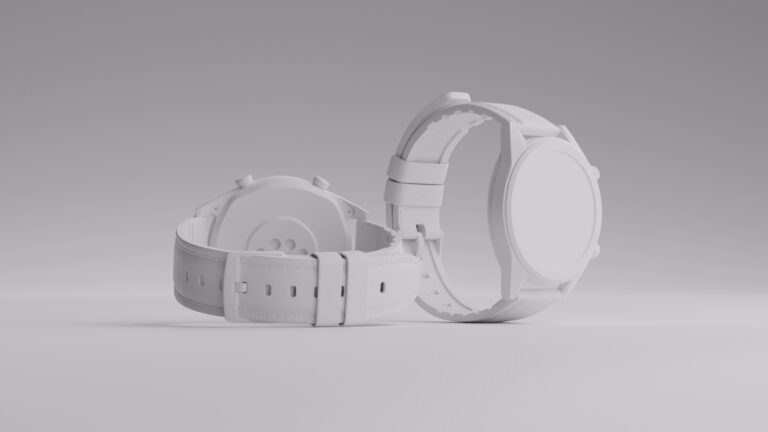
AI for product photography helps create clean, high-detail images, 360-degree views, and multiple configuration variants for tech products. You can make visuals that traditional photography would find extremely difficult, and make sure your online buyers see your products’ tiniest features in all their glory.

Furniture and home goods
Using AI to generate product images allows brands to stage furniture in different rooms and styles, helping customers visualize scale and placement.

Beauty and cosmetics
AI product photography powers virtual try-ons and ultra-detailed texture shots. Once again, this helps with clarity and confidence: your potential customers will see finishes and results before buying.

Food and beverage
AI-generated product visuals can simulate packaging on shelves, lifestyle scenes, or close-ups that highlight ingredients and quality.

That said, AI comes with challenges, and we recommend you understand them before committing to using AI solely for your product photos.
Challenges and considerations
Authenticity concerns
If AI-generated product images look too perfect or unrealistic, customers may feel misled. Transparency and accuracy are essential. If you don’t get those, you’re looking at a lot of potential “doesn’t look like in the pictures” returns.

Technical learning curve
Using AI for product photography effectively requires understanding tools, prompts, and workflows. Poor inputs often lead to poor outputs.
Initial setup costs
While AI reduces long-term costs, the best AI tools for product photography may require subscriptions or integrations. Sometimes, a lot of expert support, too.
Creative limits
Product image AI excels at clean, scalable visuals, but highly artistic campaigns may still benefit from human-led creative direction. That’s why we strongly suggest speaking to a professional creative partner when using AI for product photography.
Just look at how our latest product animation turned out (and think whether you could get this with a simple AI prompt):
Why choose professional AI product photography services
Access to advanced tools
Professional teams use the best AI tools for product photography and know how to fine-tune them for hyper-realistic, ecommerce-ready visuals.
Brand-level consistency
An experienced team ensures every AI-generated product image aligns with your brand identity, both technically and strategically.
Scalable workflows
When you’re launching new AI-generated products regularly, professional services handle volume without compromising quality.
Data-driven optimization
Experts create better visuals, that’s a given. But they do something else right after: they analyze performance. Meaning they refine your AI product photography strategy based on conversion data and platform insights.


Wrapping up

Ecommerce is as competitive as it will ever be, and attention spans are getting shorter. Which means you need to keep up with trends and work hard to capture online buyers’ attention with great visuals.
AI product photography can be a smart solution to do both. It gives you speed, consistency, and creative flexibility without the traditional chaos and costs of photoshoots. And when done right, AI product photography improves online sales in a very real, measurable way.
However, if you want to take your brand one step further and give it a premium, professional look, the Welpix crew is here to help. We use CGI remotely, so you don’t have to ship your products across continents, and we deliver visuals exactly how you want them, made ready to convert.
FAQ
What is AI product photography in ecommerce?
AI product photography uses artificial intelligence to create and enhance product visuals for ecommerce stores. It replaces or complements traditional photoshoots by generating high-quality AI generated product images digitally.
How does AI product photography improve online sales?
AI product photography improves online sales by increasing visual quality, speeding up launches, enabling A/B testing, and reducing return rates through clearer, more accurate product representation.
Can AI generate product images without a physical product?
Yes. You can use AI to generate product images from 3D models, sketches, or even text descriptions, making it possible to market products before manufacturing is complete.
What are the best AI tools for product photography?
The best AI tools for product photography include advanced AI product photo editor platforms, 3D rendering solutions, and product image AI systems designed specifically for ecommerce optimization.
Is using AI for product photography cheaper than traditional photoshoots?
In most cases, yes. Using AI for product photography reduces costs related to studios, shipping, and reshoots, especially for large catalogs or frequent product updates.
Can AI generated product images look realistic?
When configured properly, AI generated product images can look highly realistic. The key is providing accurate inputs and reviewing outputs to ensure authenticity.
Should businesses work with professionals for AI product photography?
Working with professionals ensures you use AI for product photos strategically. Experts help align visuals with brand identity, platform requirements, and performance goals to maximize results.