If you’ve been in the ecommerce game longer than a day, you already know your product images do most of the selling. Copy hardly ever gets a chance anymore. Plus, online shoppers scroll and judge fast, because they’re being bombarded with thousands of ads every single day. In fact, research consistently shows that over 70% of online buyers rely heavily on product photos when deciding whether to purchase, and about 1 in 4 returns happen because products don’t match how they looked in images.
Meaning professional product imagery must 100% look perfect. Your business has thus two powerful options: traditional photography and CGI product photography. Each has its strengths, costs or trade-offs, and ideal use cases. Your decision depends on myriad factors: product type, catalog size, speed, budget, the frequency of your updates, and so many more. The better you know your scopes, the more confident you can choose between the two.
We’ve compiled this guide below to help you choose wisely.
What is CGI product photography?
Traditional photography involves capturing real physical products using cameras, lighting setups, props, and professional photographers. It’s exactly what it sounds like: the classic approach to artistic product photography. And it’s still perfect for showcasing natural textures, organic imperfections, and that real-world feel that absolutely still sells. In fact, most times, CGI also aims to recreate this feel, adding small imperfections to products so they don’t look fake (or made by AI).
Many fashion, food, and handcrafted brands still love traditional shoots for their authenticity and emotional storytelling. And so many more brands are using a mix of traditional and CGI. But for those who stick to traditional-only, they often do image retouching after. This is where photos are edited for color correction, dust removal, and product retouch to polish the final result.
Now let’s see the two contenders side by side.

What is traditional photography?
Traditional photography involves capturing real physical products using cameras, lighting setups, props, and professional photographers. It’s exactly what it sounds like: the classic approach to artistic product photography. And it’s still perfect for showcasing natural textures, organic imperfections, and that real-world feel that absolutely still sells. In fact, most times, CGI also aims to recreate this feel, adding small imperfections to products so they don’t look fake (or made by AI).
Many fashion, food, and handcrafted brands still love traditional shoots for their authenticity and emotional storytelling. And so many more brands are using a mix of traditional and CGI. But for those who stick to traditional-only, they often do image retouching after. This is where photos are edited for color correction, dust removal, and product retouch to polish the final result.
Now let’s see the two contenders side by side.
Comparison between CGI and traditional photography
CGI product photography and traditional photography aim for the same goal. Beautiful product visuals, that is. However, they get there very differently.
Traditional shoots require physical samples, studio time, photographers, scheduling, and reshoots whenever something changes. CGI photography builds a digital product once and then creates unlimited variations.
So CGI photos shine in consistency, speed, scalability, and precision. Traditional photography shines in the organic feel and real-world texture, which research shows buyers still look for online.
Here’s a quick breakdown:
|
Aspect |
CGI Product Photography |
Traditional Photography |
|
Setup |
Digital 3D modeling |
Physical studio + gear |
|
Speed |
Fast updates & variations |
Slower reshoots |
|
Flexibility |
Unlimited angles, colors, scenes |
Limited by shoot setup |
|
Consistency |
Perfect across catalogs |
Can vary between sessions |
|
Best for |
Large catalogs, ecommerce, tech, furniture |
Fashion, food, handmade items |
|
Long-term cost |
Lower at scale |
Higher over time |
Advantages of CGI product photography
Unlimited flexibility
Once your CGI product is built, you can create endless CGI product shots for new colors, angles, environments, and seasonal scenes in minutes. You don’t even have to have it all planned out. Your model will still be there a year later, when a new campaign may arise. And you’ll be skipping all those costly reshoots, shipping samples, and logistical hurdles.

Cost efficiency at scale
If your brand has multiple SKUs or frequent updates, CGI photography quickly becomes cheaper than repeated traditional shoots (for the same reason we just mentioned). One model fuels hundreds of CGI product images.
Photo-real quality
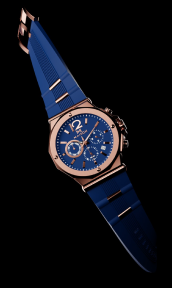
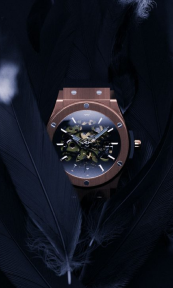
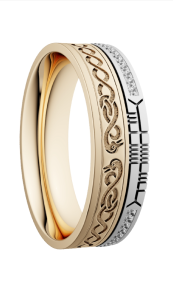
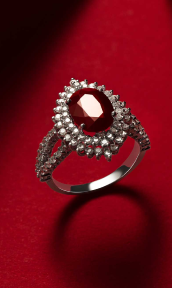
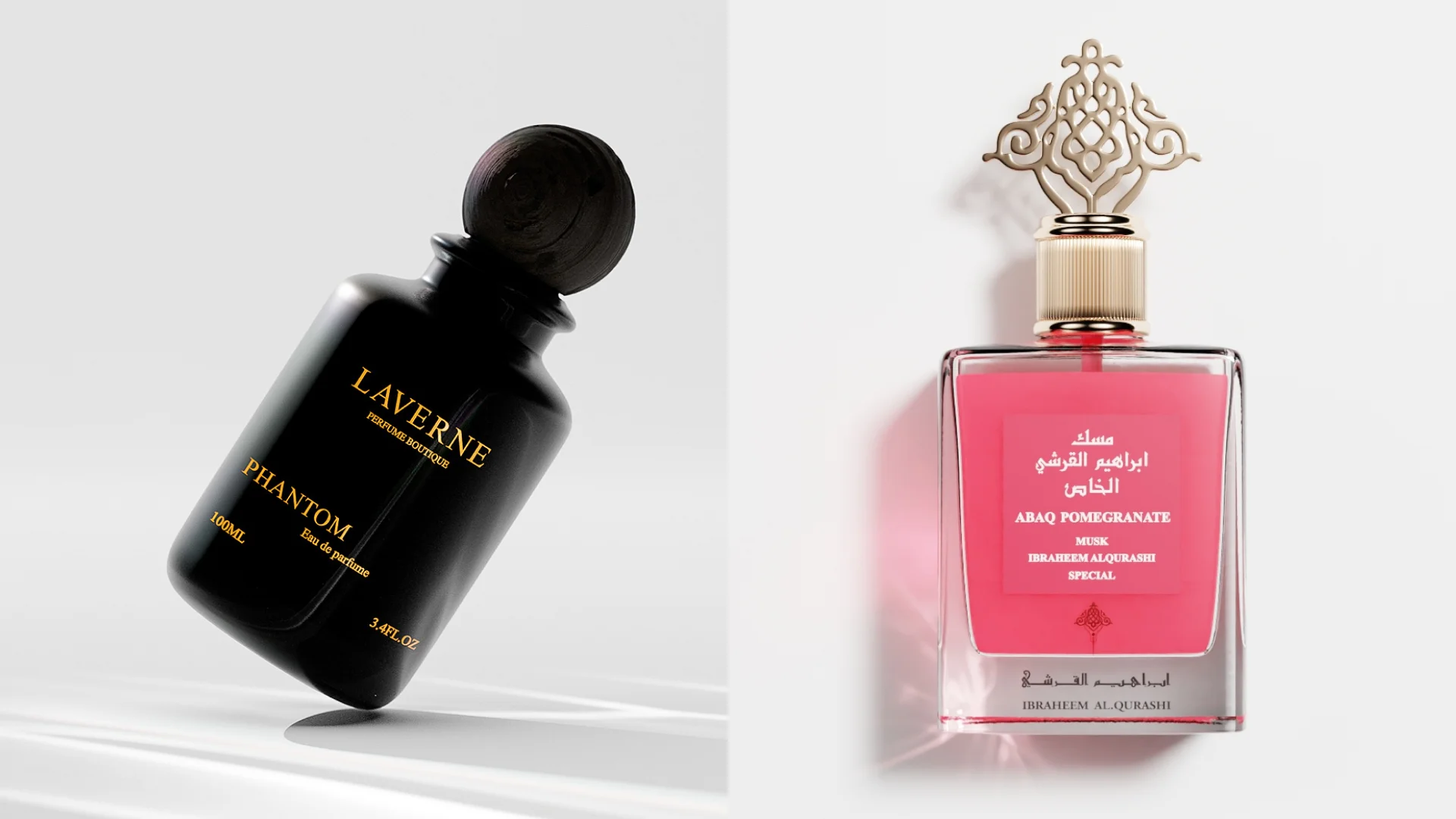
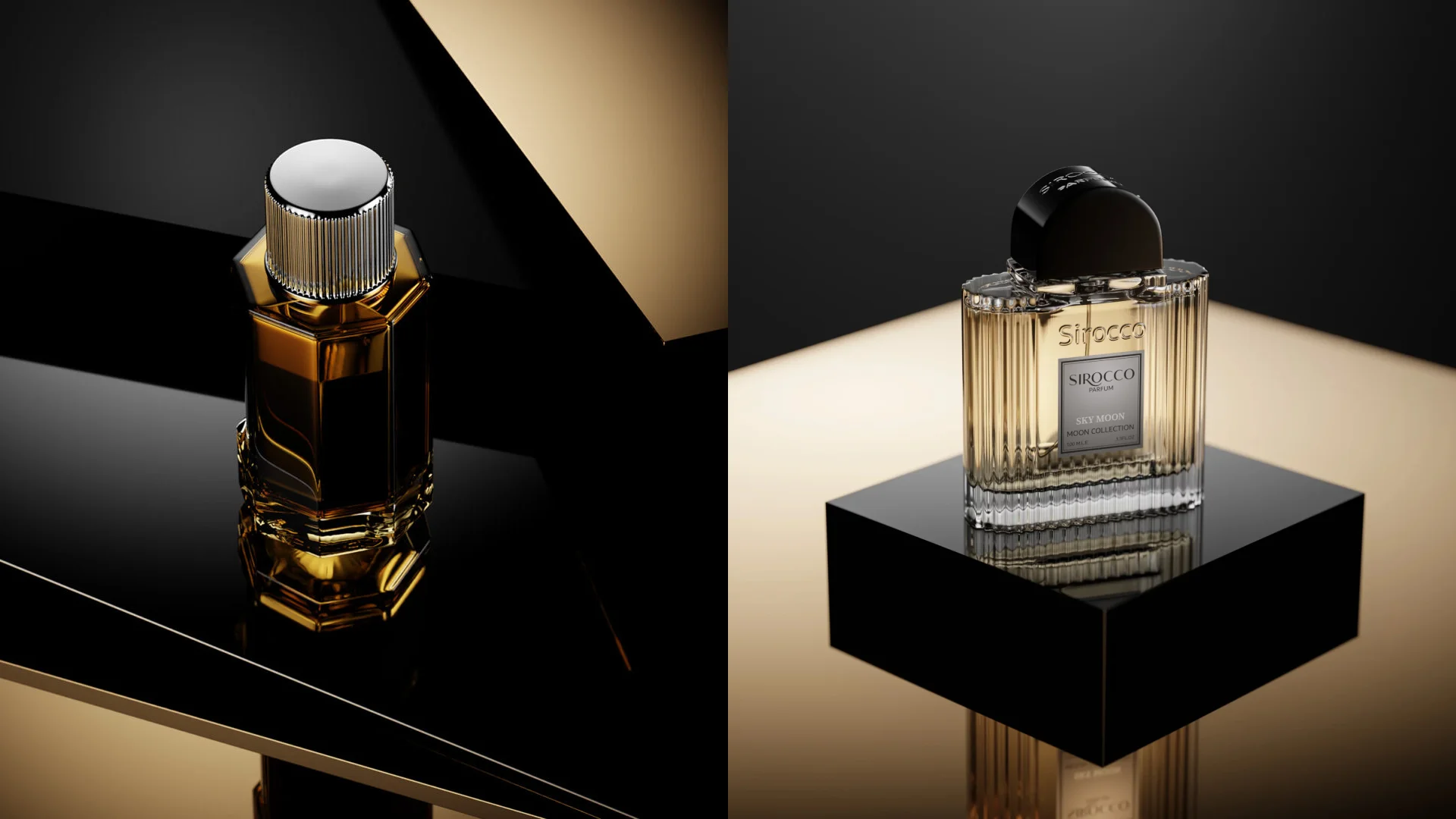
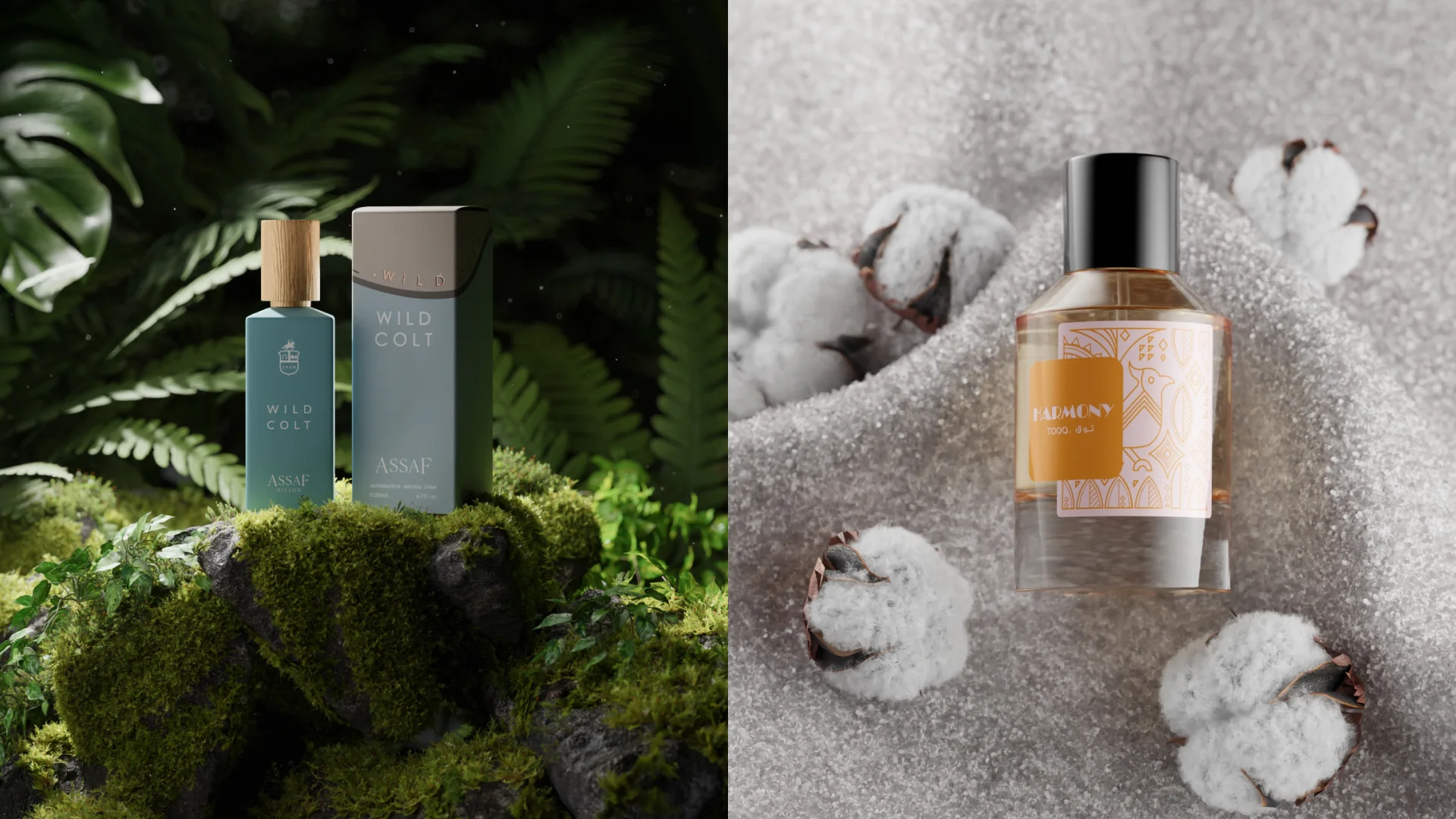
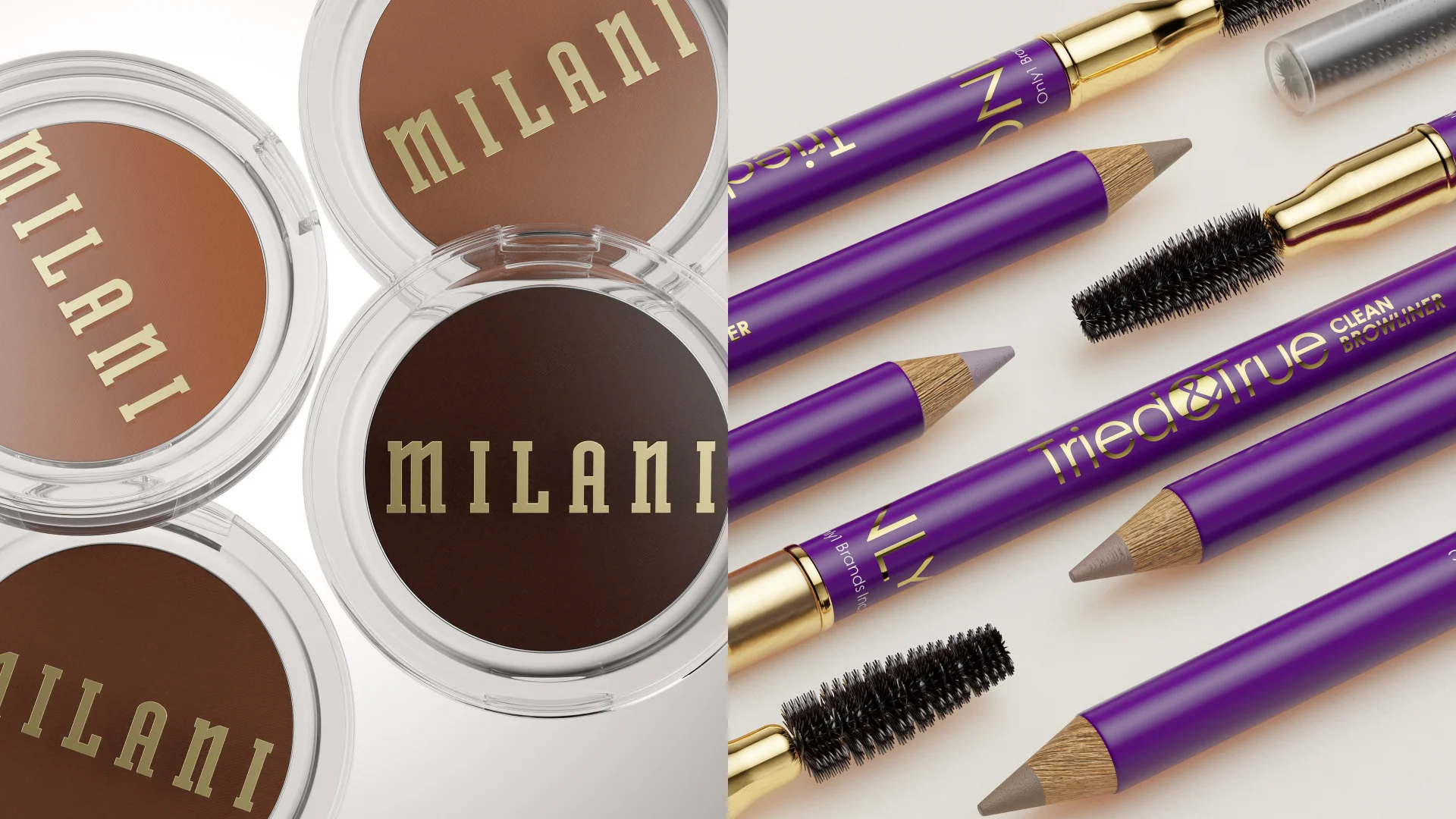
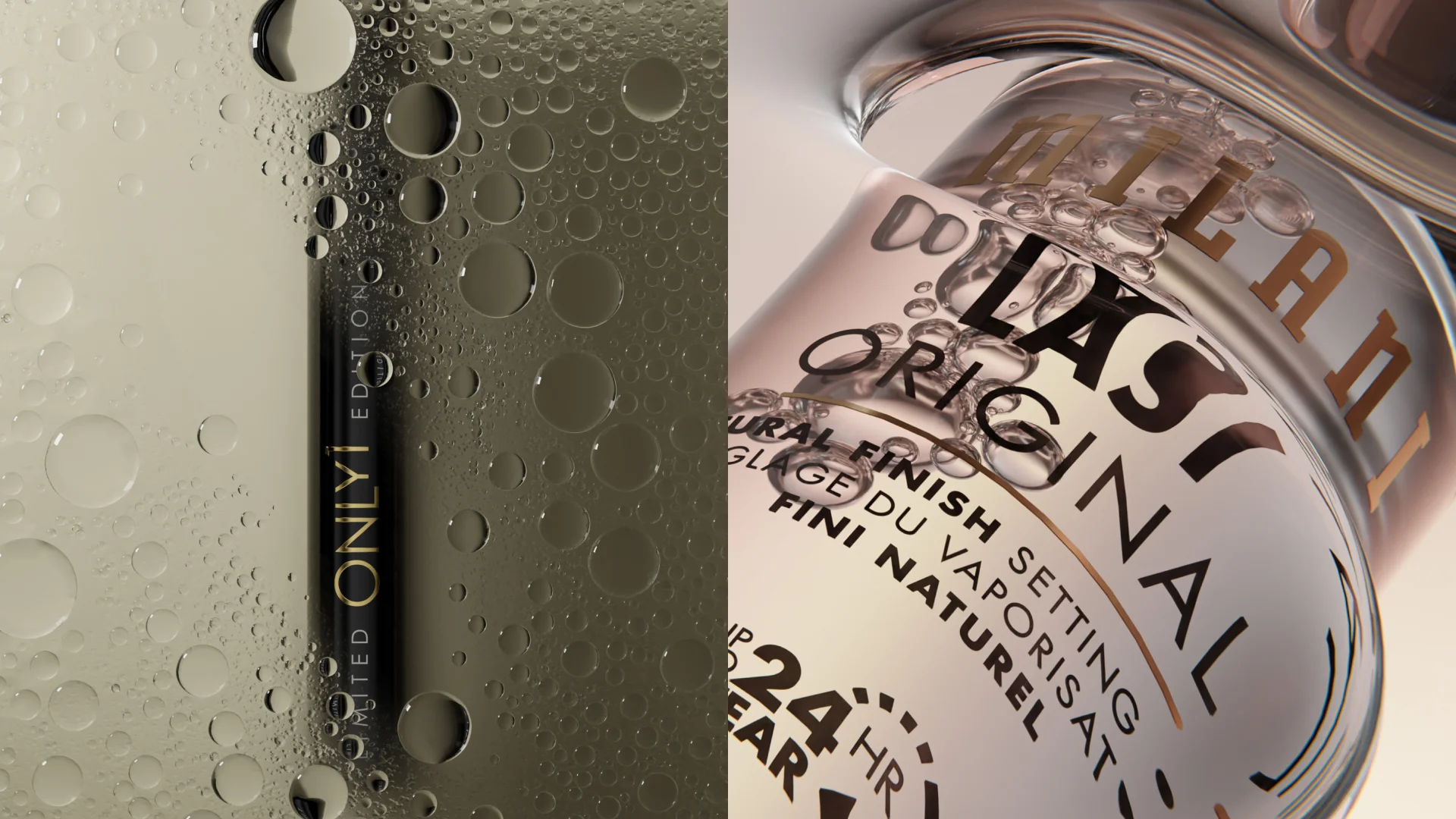
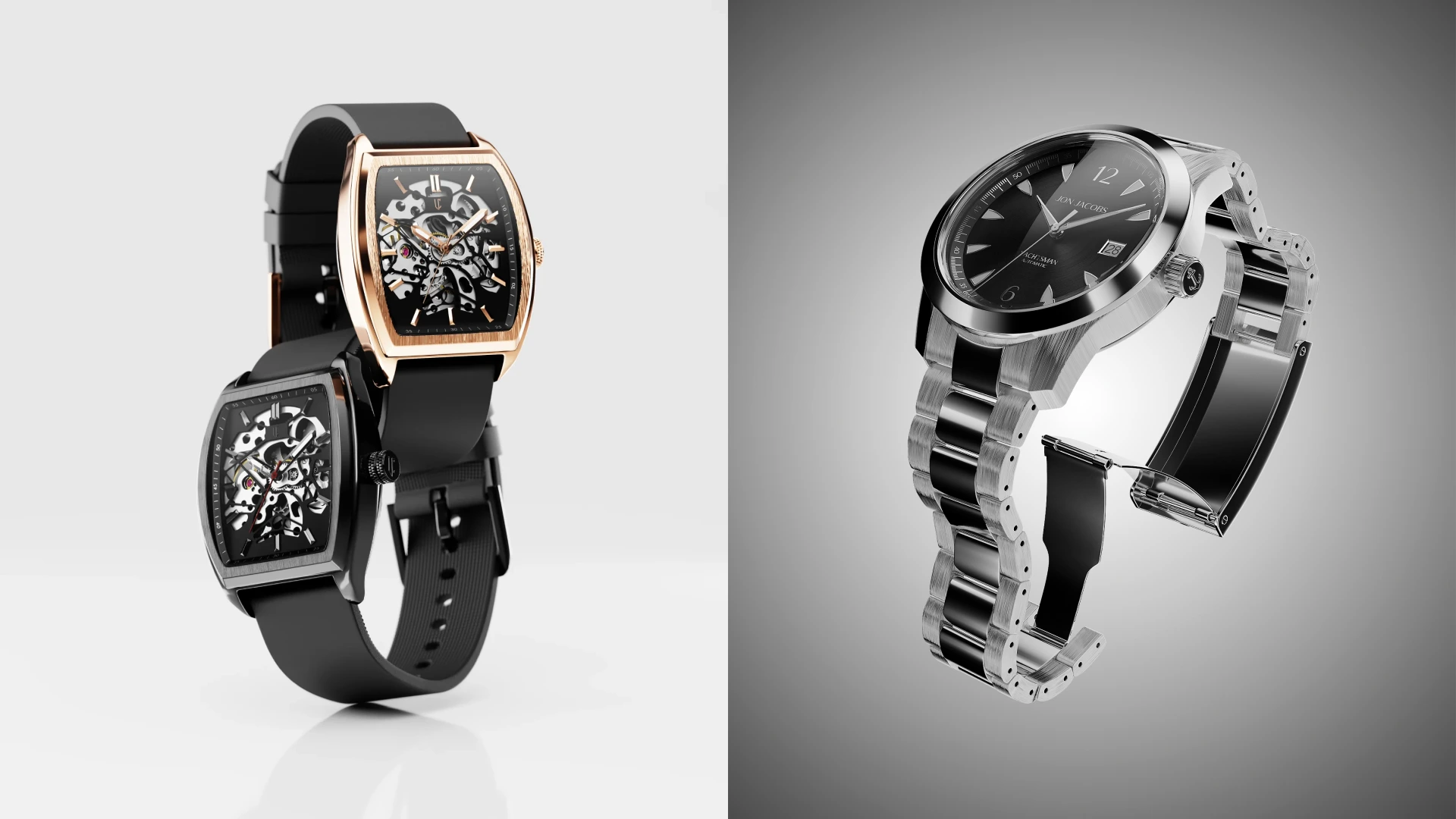
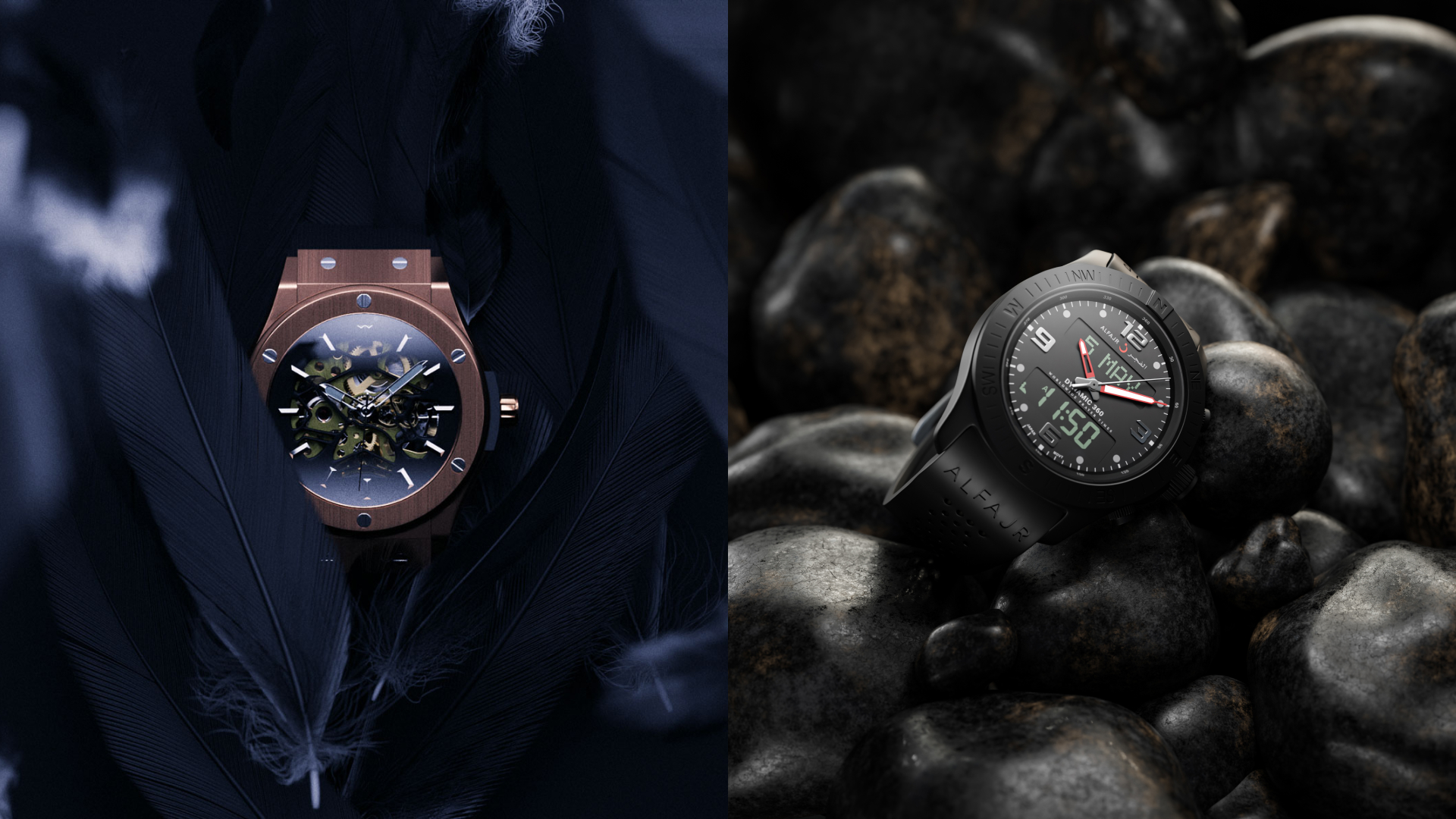
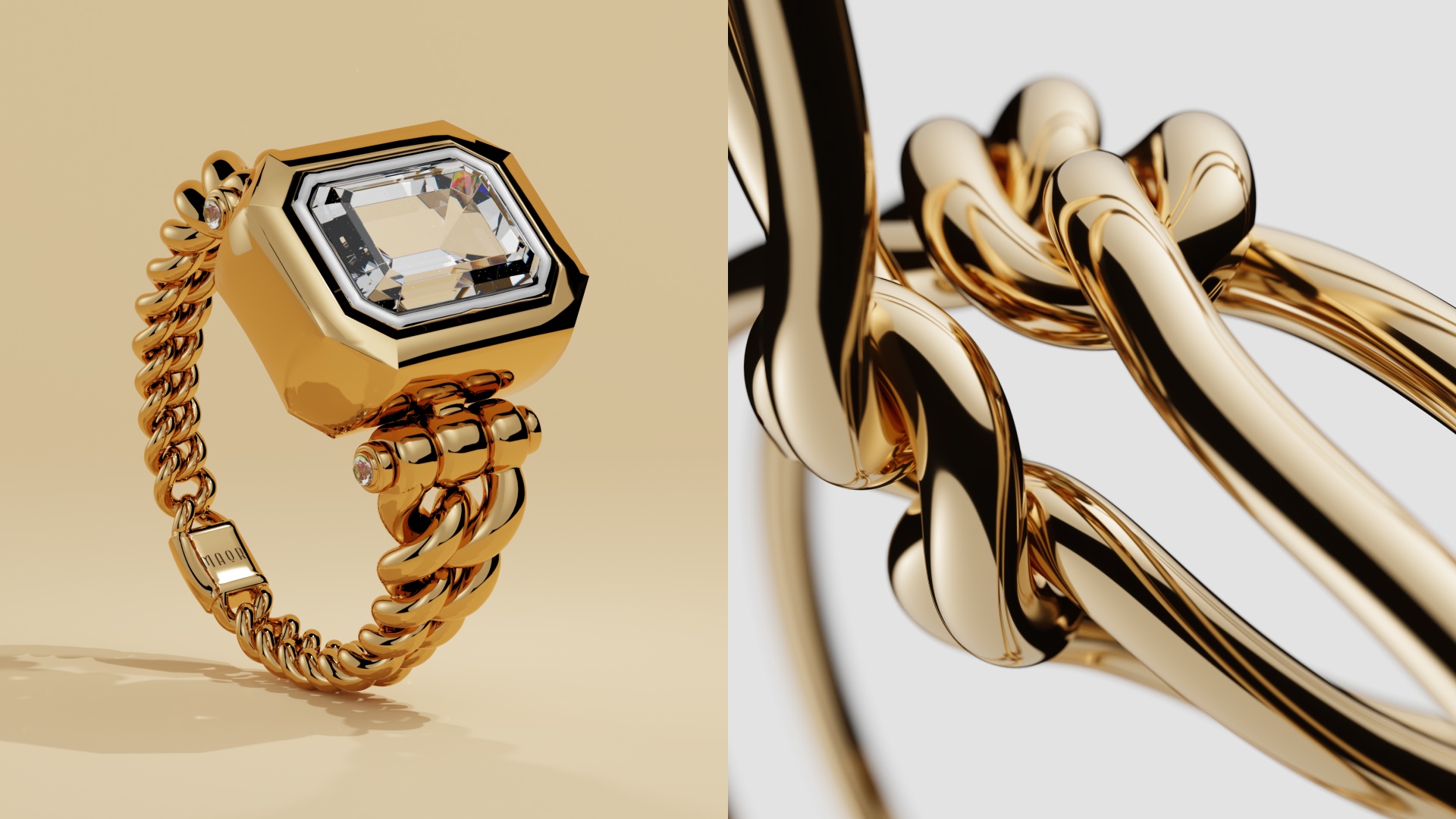
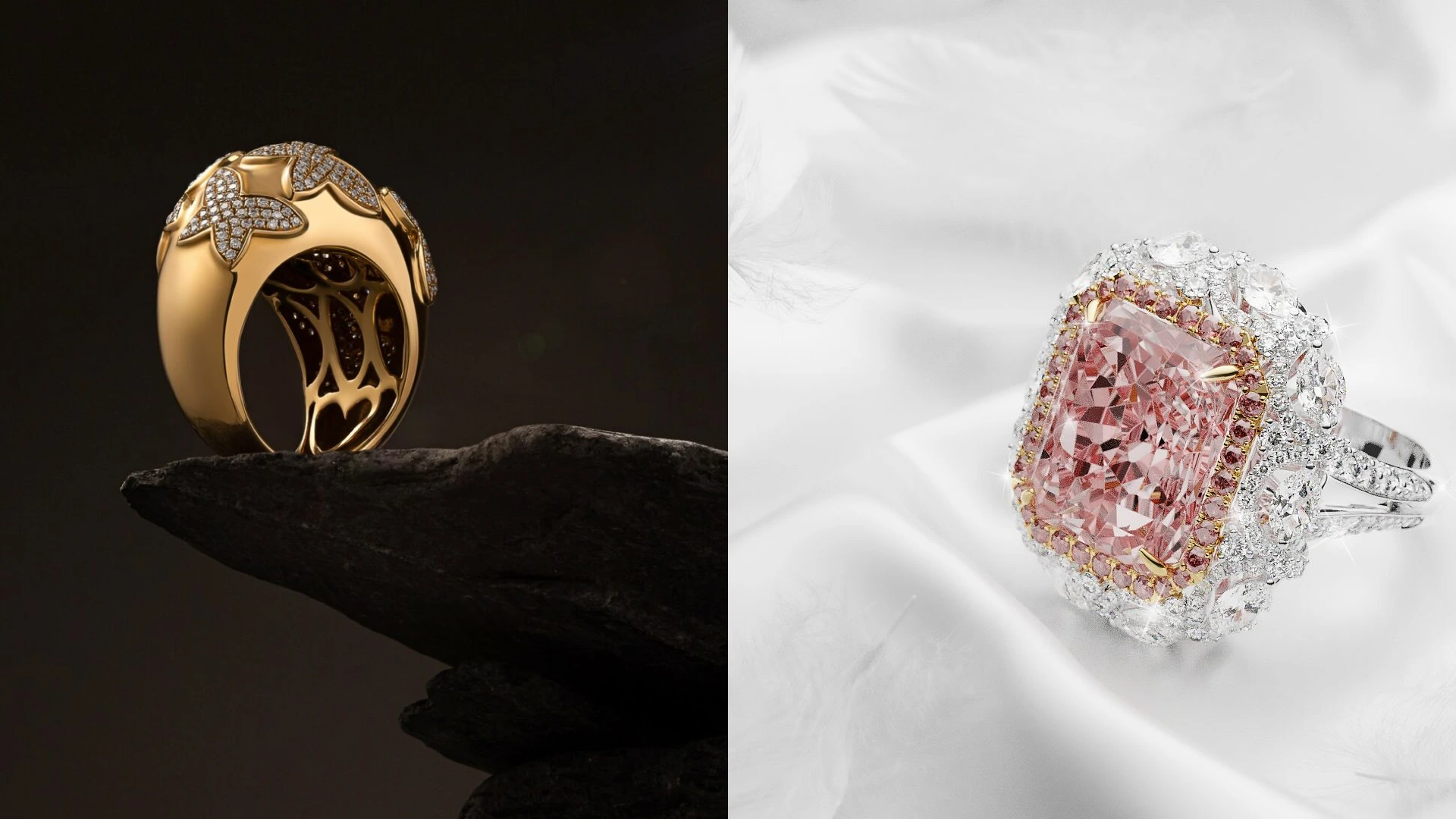
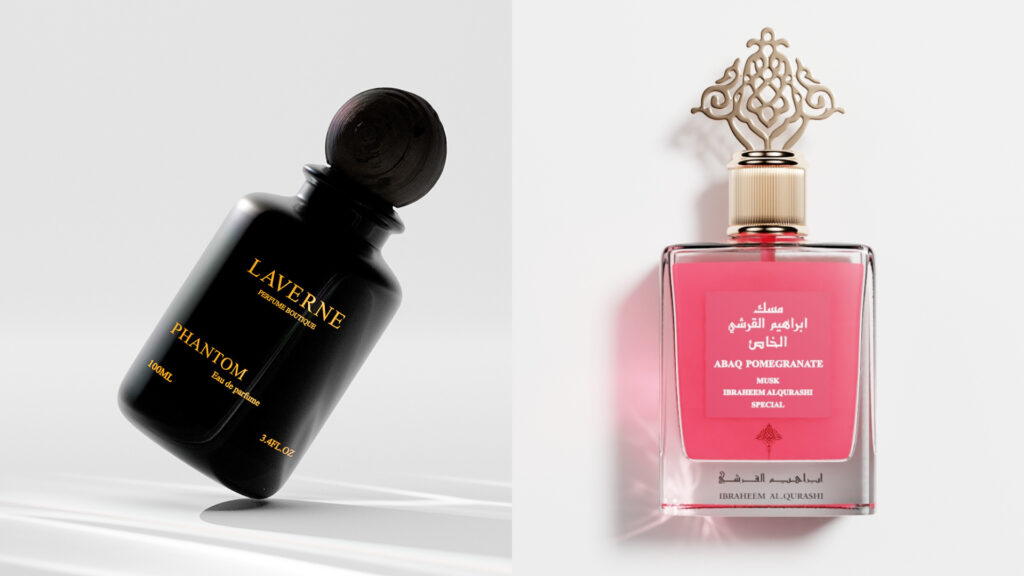
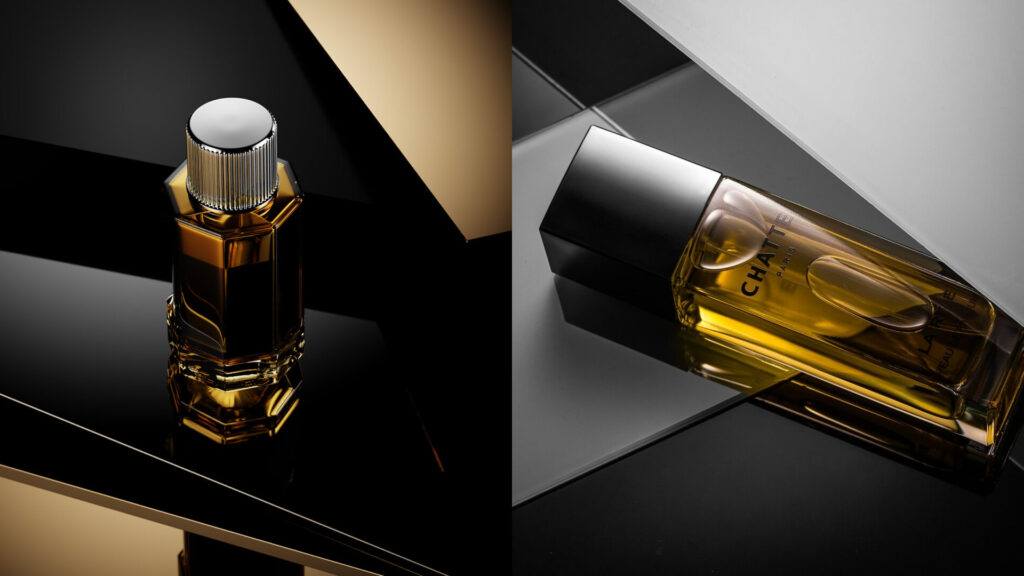
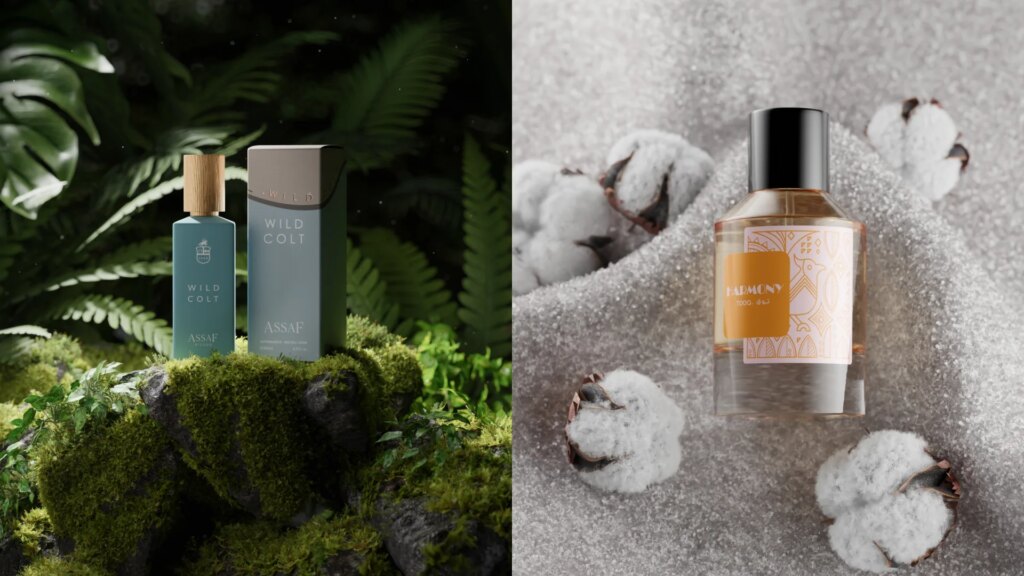
Modern photo-real CGI is indistinguishable from real photography. CGI professionals simulate materials, reflections, shadows, and textures with perfect accuracy. They can even add smudges or dents to make the product look real. And the cool thing is, they’ll add them where you want them (as opposed to physical studios’ happy accidents).

Speed to market
This one’s a huge selling point. With CGI, you can launch products before manufacturing even finishes. Then, you can update visuals overnight when packaging or colors change. And ecommerce moves fast, so this can prove a lifesaver.
Total creative control
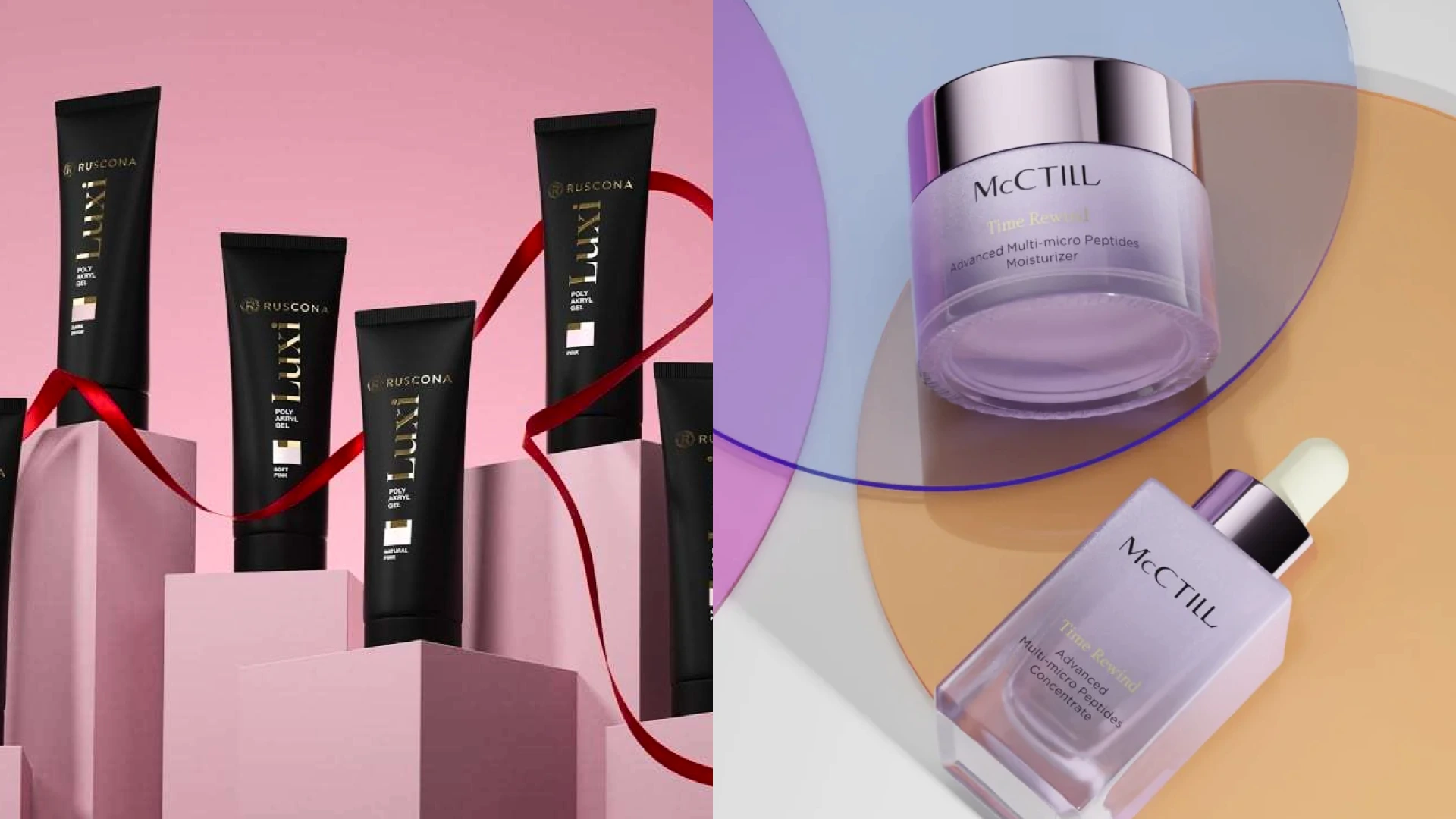
Speaking of CGI artists adding things where you want them: lighting, composition, and backgrounds are all perfected digitally. So there’s no weather issues, inconsistent shadows, or surprise flaws. Plus, you can feature your product in surreal environments or impossible angles.

Advantages of traditional photography
Natural authenticity
Real products photographed in real environments naturally capture organic textures and subtle imperfections that some brands love. And sometimes, that’s just easier to get than making a 3D model from scratch and adding all those imperfections in a computer.

Emotional storytelling
Lifestyle shoots with real people and settings can feel warmer and more relatable, especially in fashion and food. These images create the desire that online shoppers need to make that purchase.
Lower entry barrier
If you have a small catalog or just need a one-off shoot, traditional photography may feel simpler upfront, and for sure it’s also cheaper if you already have the needed equipment (and don’t require expensive pros or studios).
Familiar workflow
Most brands already understand how photoshoots work and have photographers they trust. If CGI feels unfamiliar, it may also feel daunting.
Limitations of traditional photography
With traditional photography, things add up quickly, in terms of both time and money (and sometimes, headaches). Each product variation needs its own shoot, small packaging tweaks mean reshoots, and maintaining the same lighting across a large catalog is harder than it sounds. And it’s exactly this consistency that makes brands look premium.
Add in props, locations, crew schedules, and studio time, and what starts simple can turn into a slow, expensive process, especially as your ecommerce business scales. But since what you choose depends on your scope, let’s dive into that before we throw any option away.
CGI or Traditional: how to choose
Choose CGI Product Photography if you:
- Have many product variations
- Update visuals frequently
- Need perfect consistency
- Want faster launches
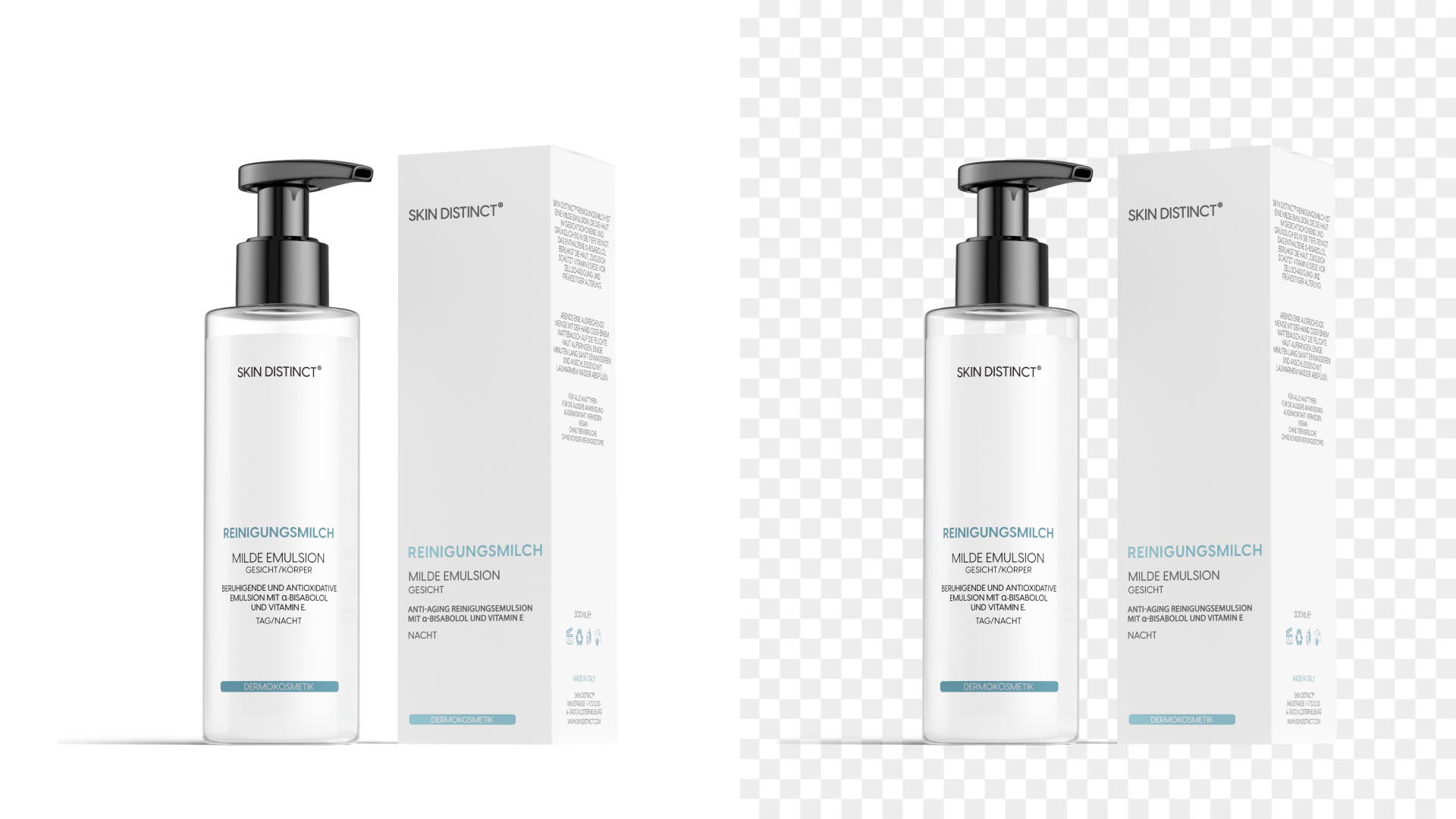
- Sell furniture, electronics, cosmetics, or footwear
- Care about long-term cost efficiency
Choose Traditional Photography if you:
- Sell handcrafted or organic products
- Rely heavily on lifestyle storytelling
- Have a small, static catalog
- Want a natural, real-world feel
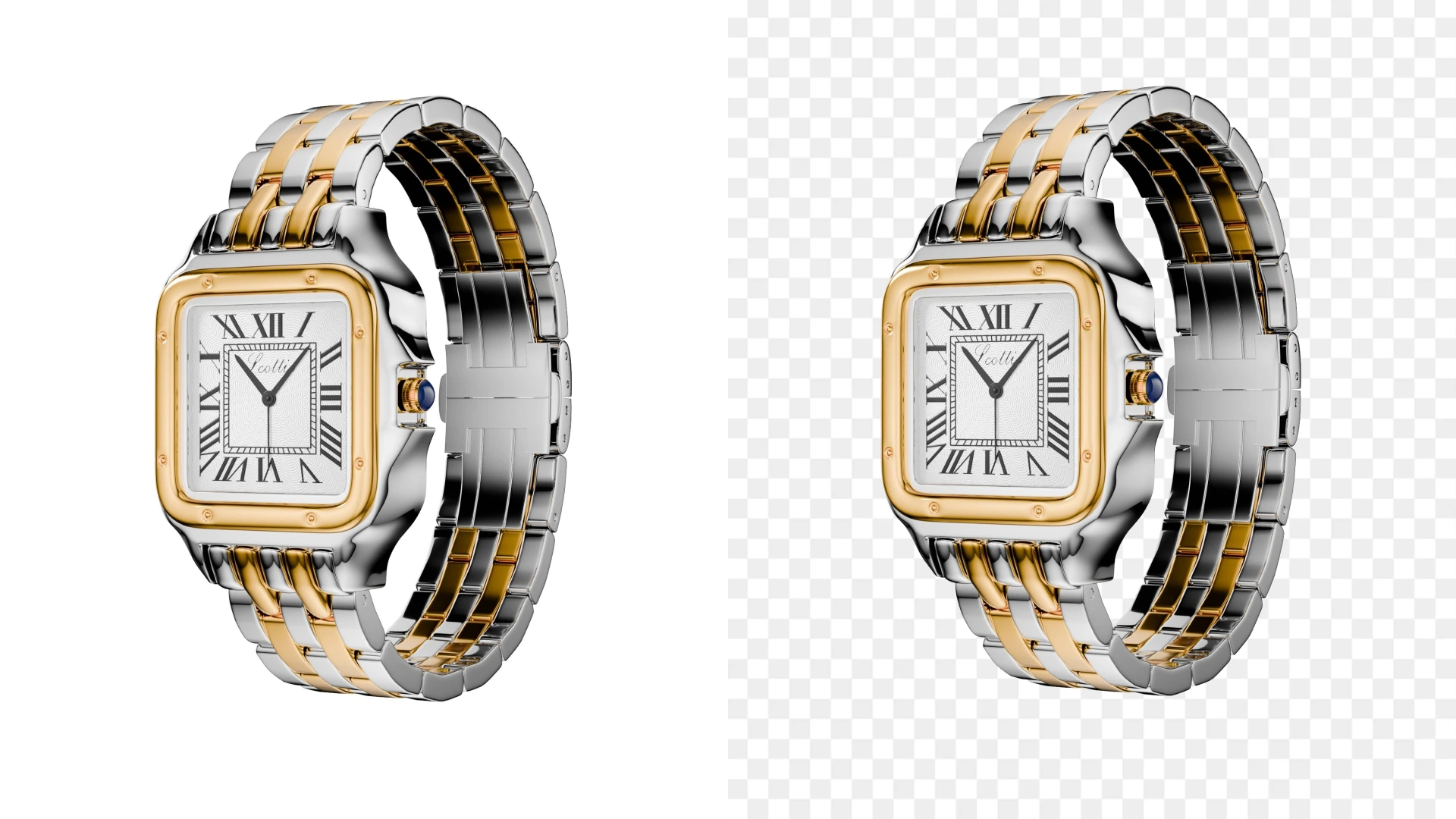
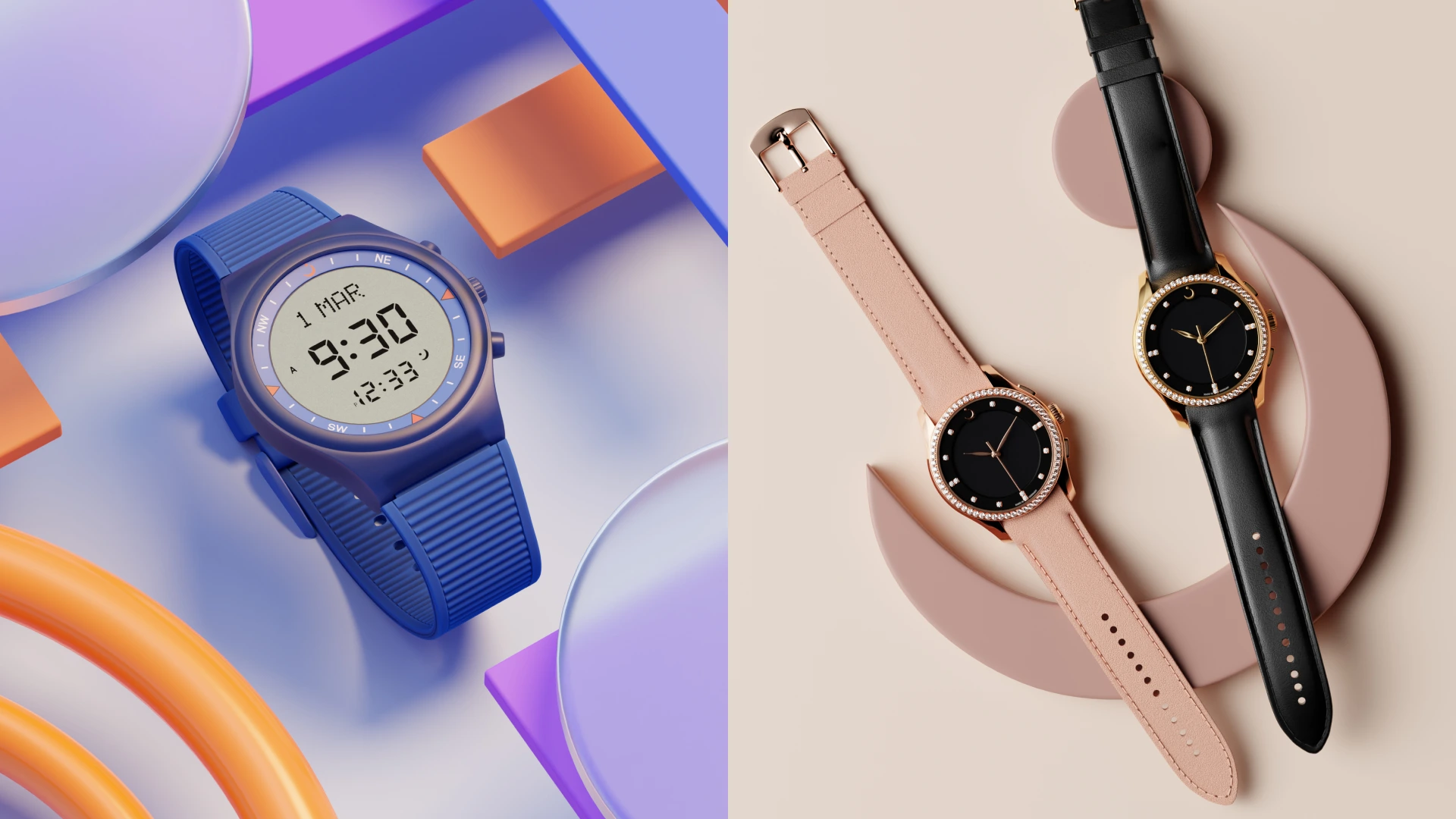
But let’s drive the point home: most brands in 2026 combine both. They use CGI product images for clean ecommerce listings and traditional shoots for branding campaigns. Or CGI for product animation and traditional photography for other campaigns (or filming influencers).
- 3D modeling
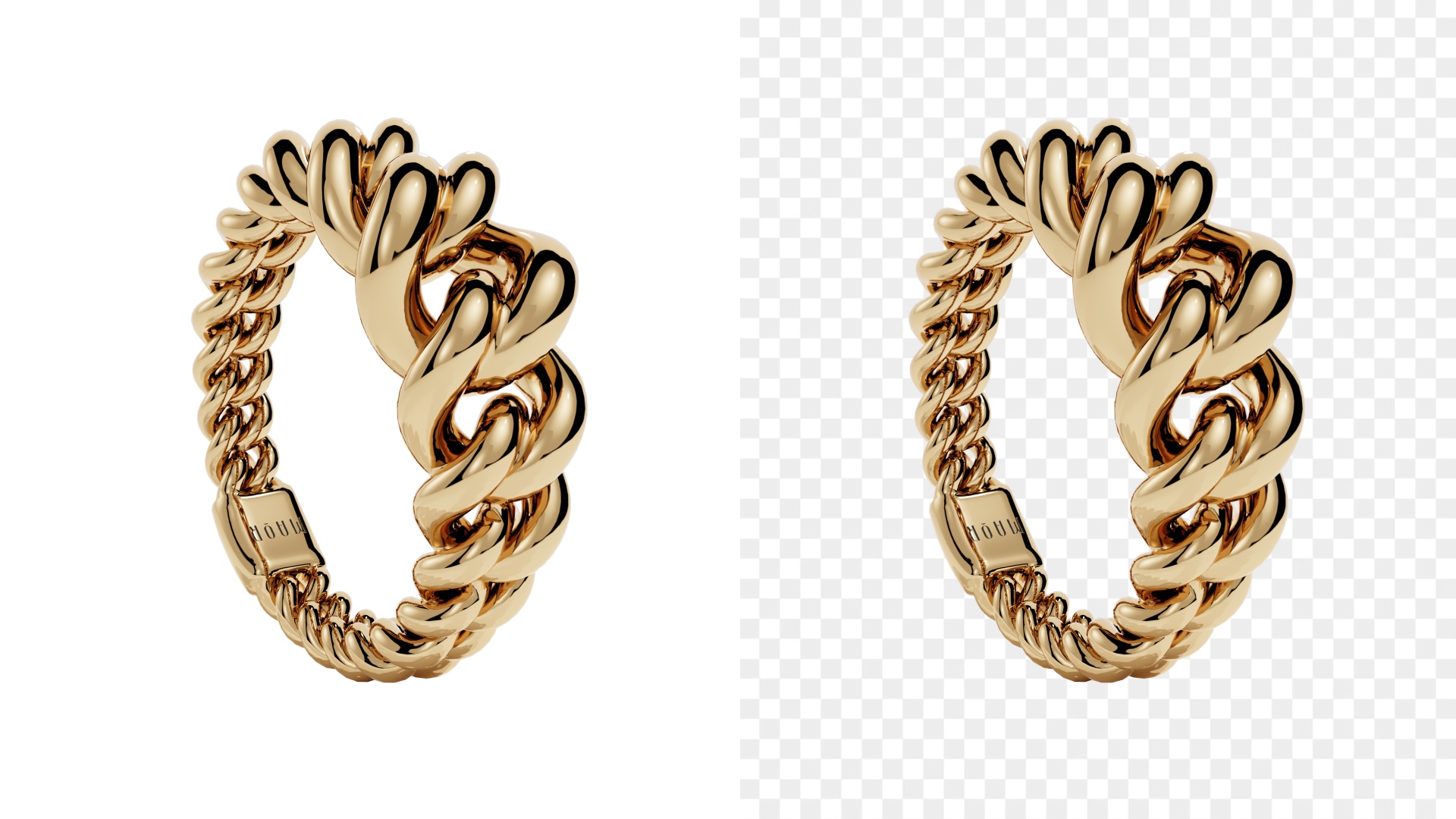
- White bg.
- Minimalistic
- Simple prop
- Custom
- 3D modeling
- White bg.
- Minimalistic
- Simple prop
- Custom
Wrapping up


The debate around traditional product photography vs CGI is now age-old. And it very much isn’t about which is “better.” Neither is overall. It’s up to you to decide which option fits your brand’s speed, scale, and goals.
But for ecommerce businesses growing in 2026, CGI product photography is quickly becoming the smarter long-term move. It gives you crazy flexibility, perfect consistency, truly gorgeous visuals, and serious cost savings.
And that’s exactly where the Welpix crew comes in. We make photo-real CGI product images that look flawless and are catered to your unique needs and wants. Plus, these assets scale effortlessly and turn browsers into buyers, then buyers into loyals. So get in touch with us today and we’ll walk you through the fun process.
FAQ
Is CGI product photography more expensive than traditional photography?
Upfront modeling can cost more, but over time, CGI photography is far cheaper, especially for large catalogs and frequent updates.
Can CGI photos look real?
Yes. Modern photo-real CGI is often impossible to distinguish from real photography.
What products work best with CGI photography?
Furniture, electronics, cosmetics, footwear product photography, and technical products perform exceptionally well with CGI product rendering.
Do CGI images replace product retouching?
CGI eliminates most traditional product retouch needs since lighting, materials, and details are perfected digitally.
Is traditional photography still useful?
Absolutely, especially for lifestyle storytelling and organic textures.
Can brands combine CGI and traditional photography?
Many do. CGI for ecommerce listings, traditional photography for campaigns and social content.
How fast can CGI product shots be created?
Once the 3D model is built, new CGI photos can be generated in hours instead of days.
Is CGI good for ecommerce marketplaces like Amazon?
Yes. Consistent, clean CGI product images perform extremely well across ecommerce platforms.