If you run an ecommerce brand, chances are you’ve terms like CGI, 3D animation, CGI visualization, or product CGI animation thrown around like they’re the same thing. They’re not. And we think it’s vital to understand the differences between them (subtle or not) if you don’t want to lose time, money, and useless back-and-forth with your creative partners.
That’s why we’ve compiled this guide for ecommerce brands, founders, and marketers. We’ll break down what CGI stands for, how CGI and animation differ (in detail), and of course, when to choose each for your business goals.
Let’s get into it.
What is CGI?
CGI stands for Computer-Generated Imagery. In plain English, that’s any visual created with a computer instead of a physical camera.
Now, CGI can be static or animated, and it can also be 2D or 3D. But these aren’t the same categories. Static vs animated refers to whether anything moves. 2D vs 3D refers to depth and perspective. Meaning you can have static 3D CGI (like ecommerce product images) and animated 2D CGI (like motion graphics or animated icons).
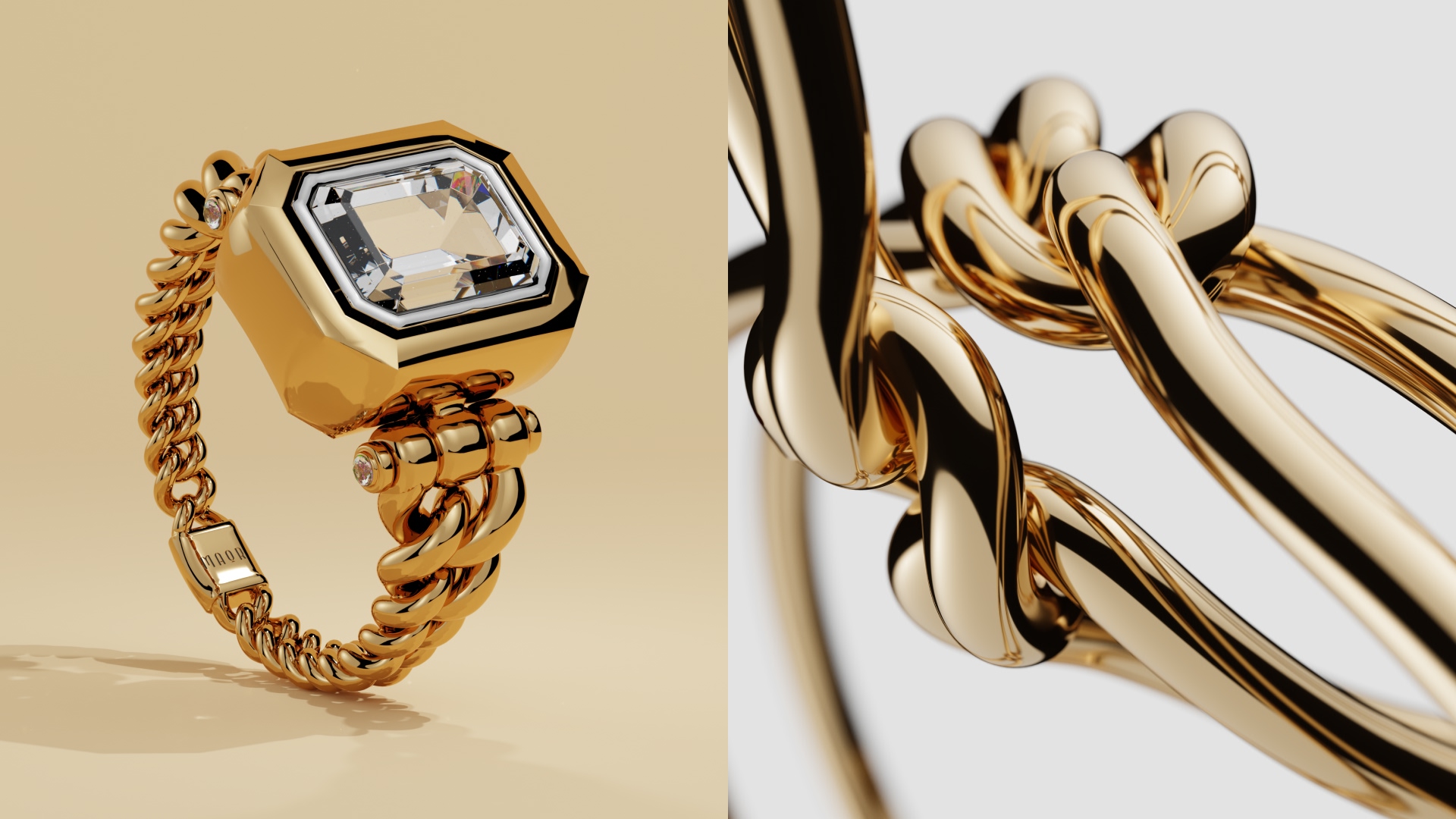
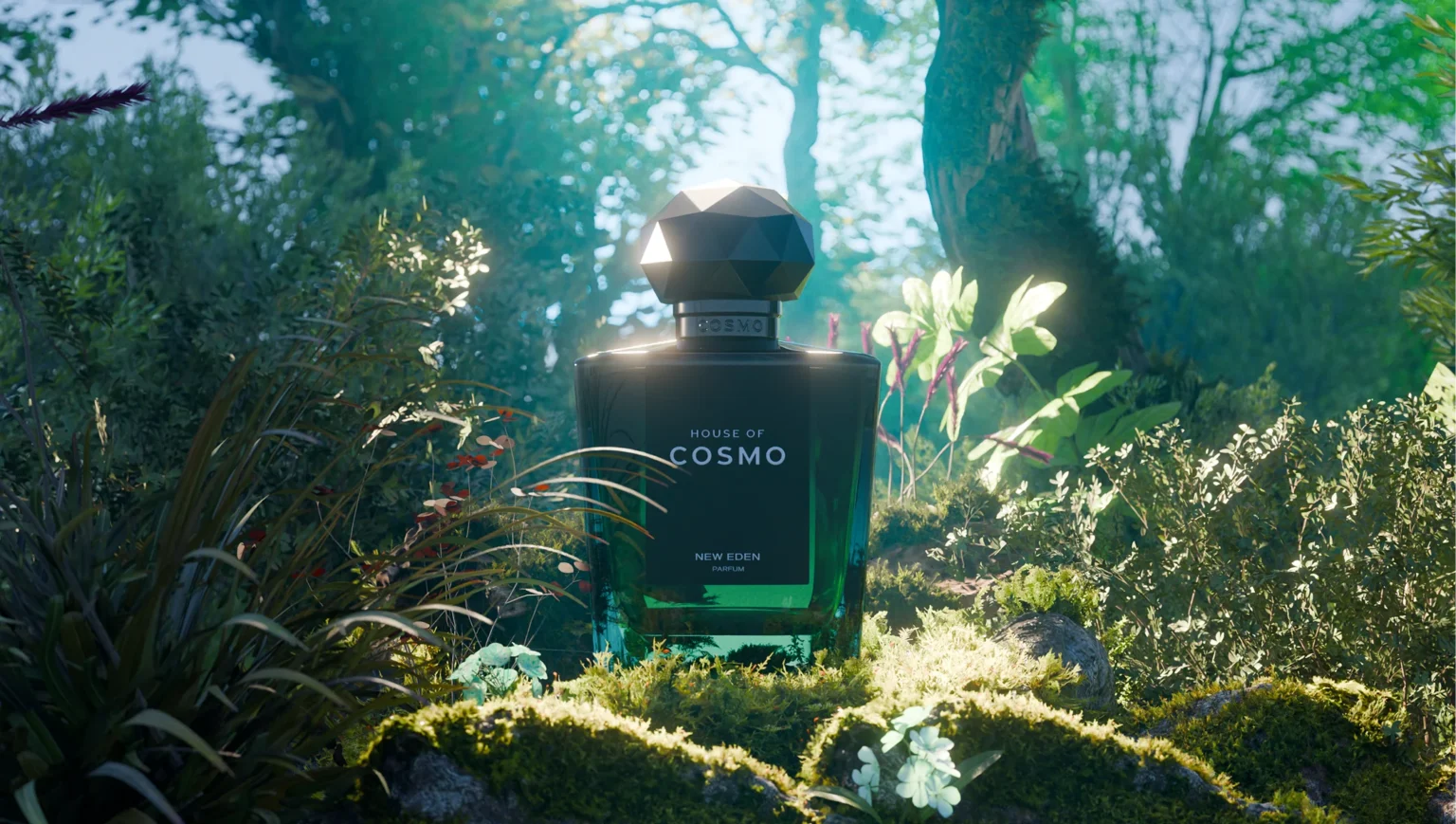
A single realistic product image can be CGI (in 3D). A full animated commercial can also be CGI (also in 3D). The defining factor here isn’t movement but that the image is digitally created.
Here’s the simple definition of CGI animation and imagery in practice:
- CGI is created entirely on a computer (rather than photographed)
- It includes still images, animations, and visual effects
- CGI can be 2D or 3D
- CGI is widely used for product CGI, background CGI, and CGI visualization
- CGI computer animation is often reused across multiple platforms
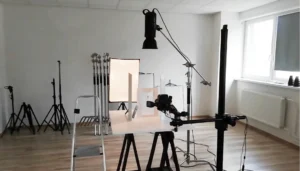
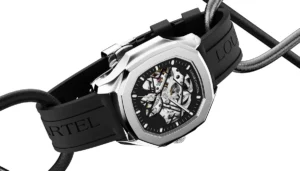
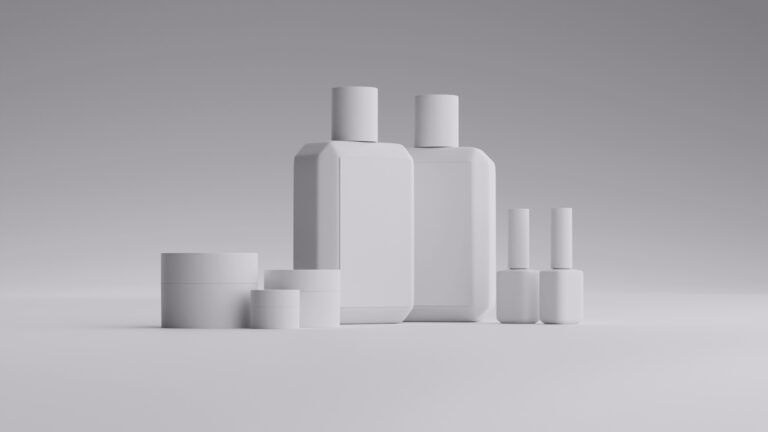
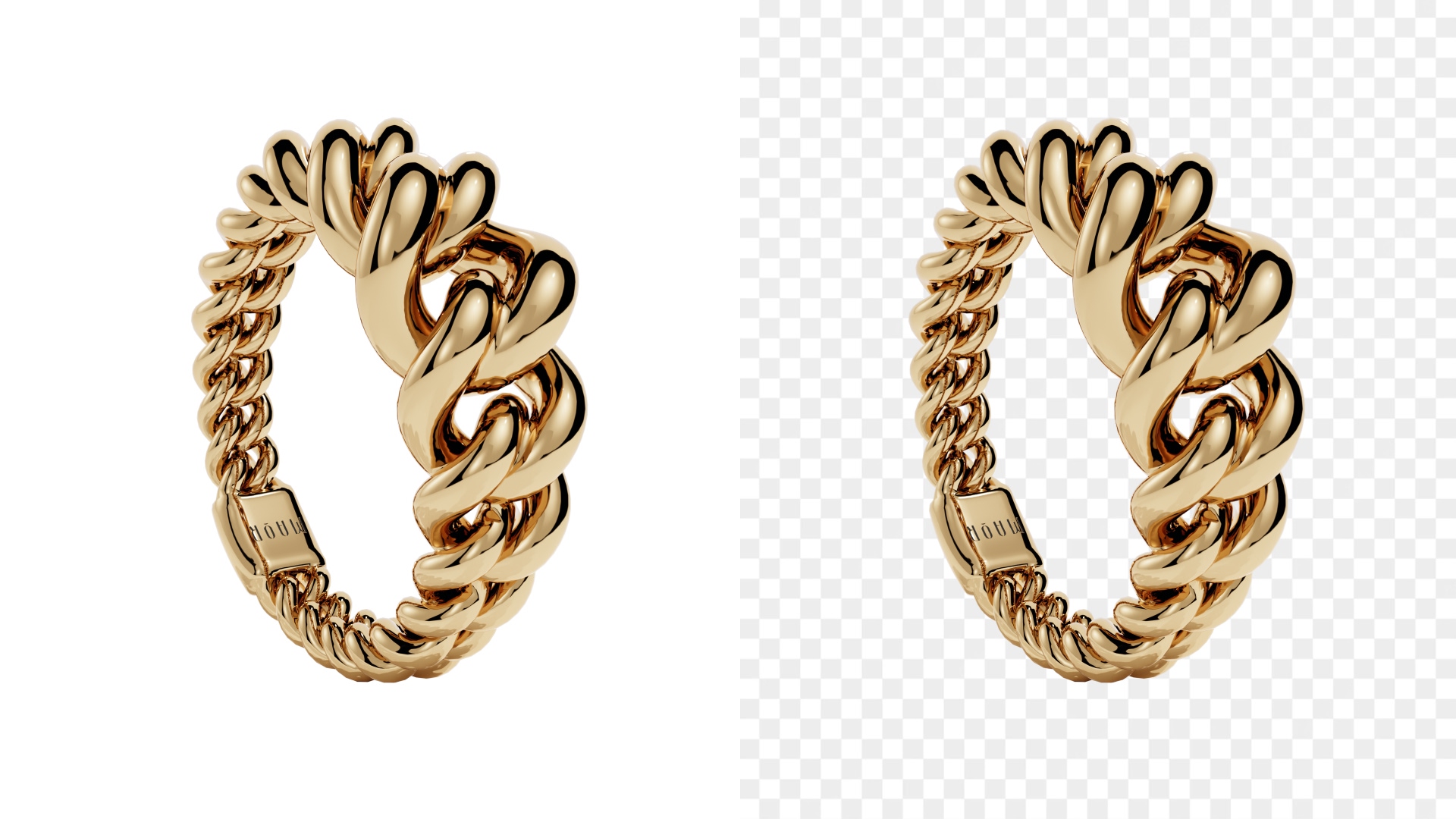
In ecommerce, CGI is commonly used to create realistic CGI product images before the product is even manufactured. That saves brands oodles of time and money they’d normally spend on shipping, photoshoots, reshoots, etc.
The CGI animation production process
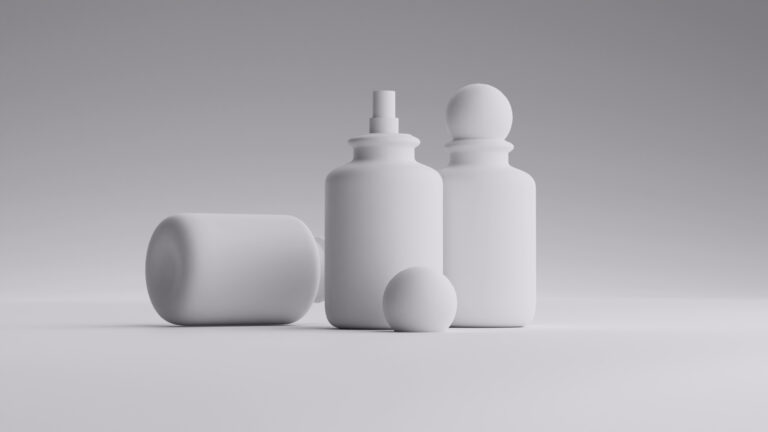
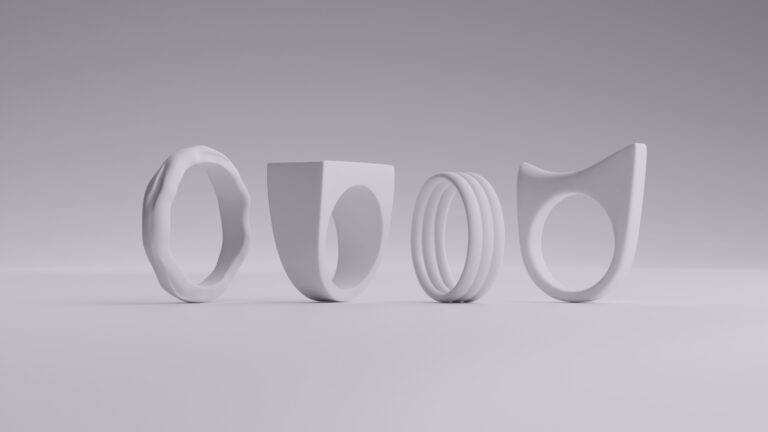
The CGI process usually starts with a CGI model (a.k.a. a digital version of the product built in 3D software). Once that model exists, the CGI artists apply materials, textures, and lighting to create a perfect digital twin of the actual product, in the atmosphere and context you want.
From there, the project can go in two directions. If you only need still visuals, the scene is rendered into high-resolution CGI renderings. If motion is required, the same CGI model is animated, turning it into computer animation CGI. Either way, CGI offers a lot of benefits compared to traditional product photography: flexibility, control, and consistency across platforms, campaigns, and more.
What is 3D animation?
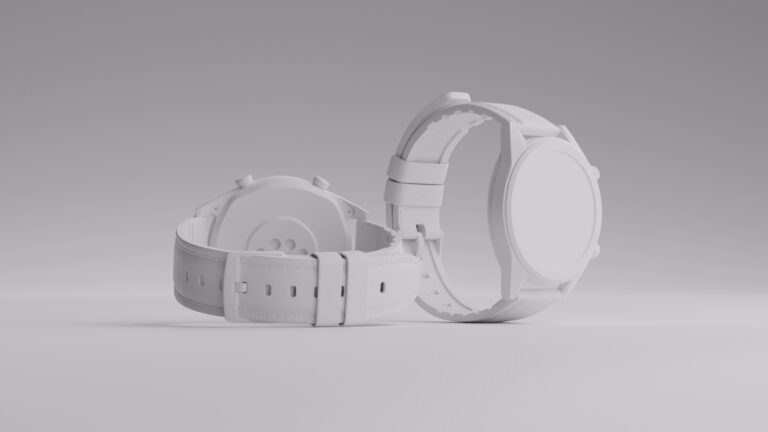
Not all CGI is 3D animation, but all 3D animation is CGI. 3D animation is a specific type of CGI that focuses on movement. It’s basically what happens when a CGI model is moving to show a product’s features or flattering angles. Sometimes, your product needs to tell a story to sell better.
In 3D animation, objects move through digital space. So you get products that rotate, liquids that flow, that sort of thing. Or you can have parts assembling, if you have a complex tech gadget that needs explaining beyond a few pretty photos.
Here are the key points that define 3D animation:
- It always involves motion
- It uses 3D CGI models as a base
- It’s ideal for explaining how products work
- It’s commonly used in product CGI animation and demos
- It requires more production time than static CGI
For ecommerce, 3D animation is especially powerful when you need to show functionality, transformations, or usage scenarios that photos simply can’t capture.
3D animation production process
The 3D animation process starts similarly to CGI stills: with creating a 3D model, then adding texturing and lighting. The difference begins only once motion comes into play.
After the CGI model is ready, animators define how it moves by using keyframes, simulations, or physics-based systems. The point is to make it move exactly like your real product would. Then, cameras are animated, timing is refined, and multiple test renders are reviewed. Once everything feels right, the final animation is rendered and polished. This extra complexity is why animation vs CGI stills differ in cost and timeline.
Now, let’s take a look at a quick breakdown between CGI vs 3D animation.


CGI vs 3D animation: what's the real difference?
|
Aspect |
CGI |
3D animation |
|
Definition |
Any computer-generated visual |
A moving form of CGI |
|
Movement |
Optional |
Required |
|
Output |
Still images or animations |
Animated sequences only |
|
Production time |
Faster for stills |
Longer due to motion |
|
Typical use |
Product CGI, background CGI, CGI visualization |
Product CGI animation, demos, ads |
|
Cost |
Lower for static visuals |
Higher due to animation work |
|
Reusability |
Very high |
High once animation exists |
- 3D modeling
- White bg.
- Minimalistic
- Simple prop
- Custom
- 3D modeling
- White bg.
- Minimalistic
- Simple prop
- Custom
Different types of CGI
The next thing we want to make clear is that CGI isn’t one single technique. In fact, it’s a whole ecosystem of tools and outputs, each suited to different goals. There’s an emphasis on “different goals.” Always keep in mind your unique goals (from a specific product to your brand’s philosophy—but more on that later).
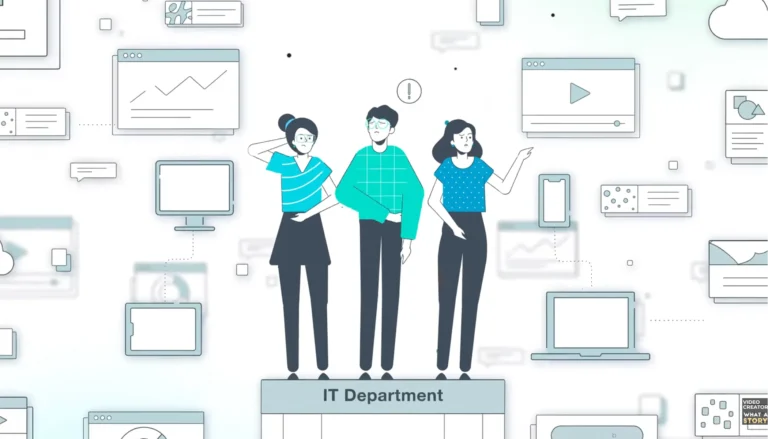
2D CGI
2D CGI includes flat visuals created digitally: motion graphics, animated icons, stylized explainer videos, so on. They’re used a lot for UI animations, infographics, and similarly lightweight brand content. And that’s the fun part: even if it looks hand-drawn, it’s still CGI if a computer made it.
3D CGI
3D CGI involves depth, lighting, and perspective. And like we said above, it includes both static CGI renderings and animated content (a.k.a. 3D animation). In ecommerce, 3D CGI is commonly used for realistic product visuals, 360-degree views, and detailed close-ups that show a product’s more unique selling points or tricky features.
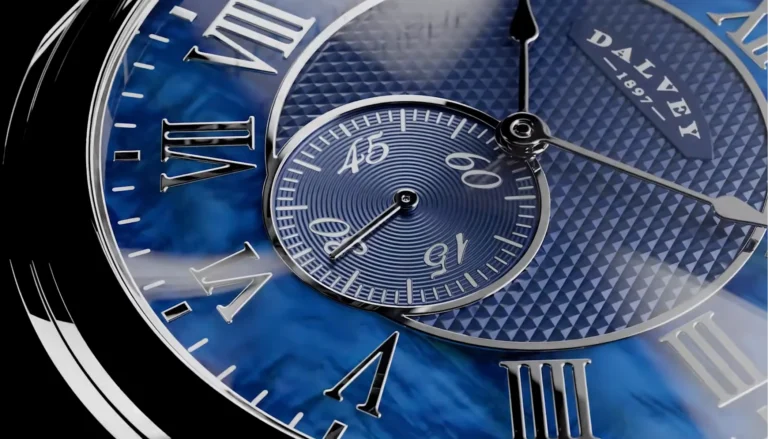
Visual effects (VFX)
VFX is CGI blended with real footage. Think digital backgrounds or object replacements (because how else would you put Obi-Wan on Tatooine?). But yes, VFX has gone beyond movies a long time ago. In advertising, it’s used to enhance product shots or place CGI models into real-world environments.
Digital compositing
Compositing is the stage where everything comes together. That’s various CGI layers, shadows, reflections, and effects, all combined into a single cohesive image or video. This is the magic that makes CGI look believable (instead of pasted-on).
Where CGI and 3D animation show up in the real world
CGI and animation are everywhere in 2026, that thing’s for sure. However, they’re used differently depending on various industries. So let’s break those down.
Film and TV
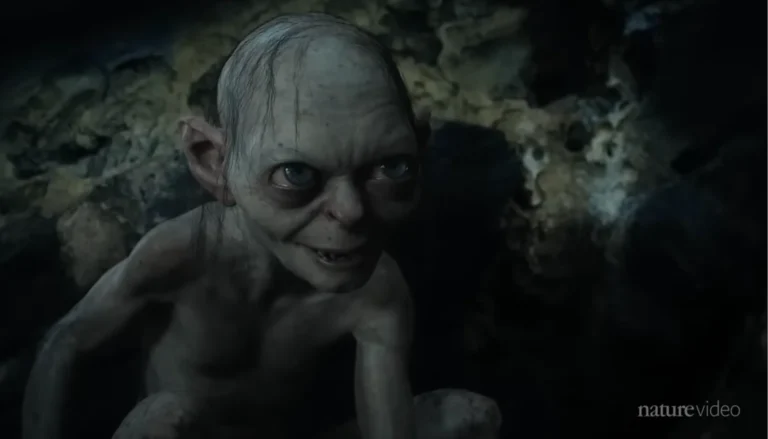
Film uses a mix of static CGI, 3D animation, VFX, and compositing. Some CGI elements never move, while others are fully animated characters or environments. Think Gollum in The Lord of the Rings: a fully CGI character created a whopping 25 years ago. Or today, The Mandalorian, which uses real-time background CGI and virtual sets instead of green screens.
Gaming
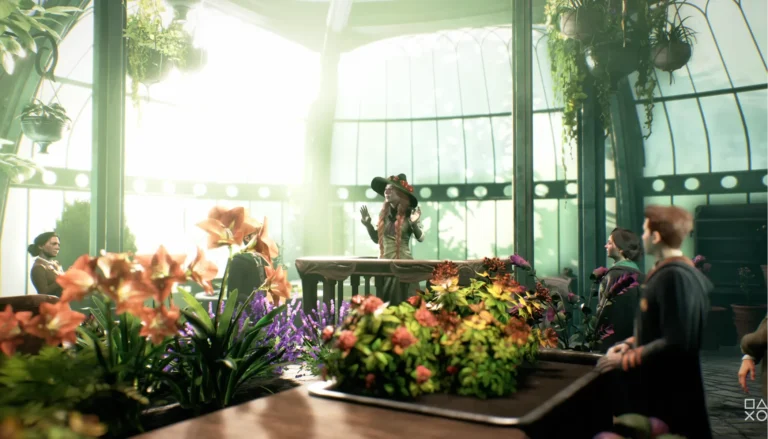
Games rely heavily on CGI computer animation. Everything from characters to environments is built using CGI 3D assets and animated in real time. And if you’re nerdy like that, it’s fun to follow just how far videogames evolved thanks to ever better CGI over the last few decades. Games like The Last of Us Part II and Red Dead Redemption 2 prove just that, with lifelike characters and super-dynamic, super-immersive environments that react to players within nanoseconds.
Advertising and marketing
This is where CGI vs 3D animation becomes a strategic (and we say, really important) choice. Static CGI works wonders for banners, hero images, and ecommerce listings alike. 3D animation shines in ads, social media, and product storytelling. Take a quick peek at any social media platform, and you’ll see how many brands are using both.
Architecture and real estate
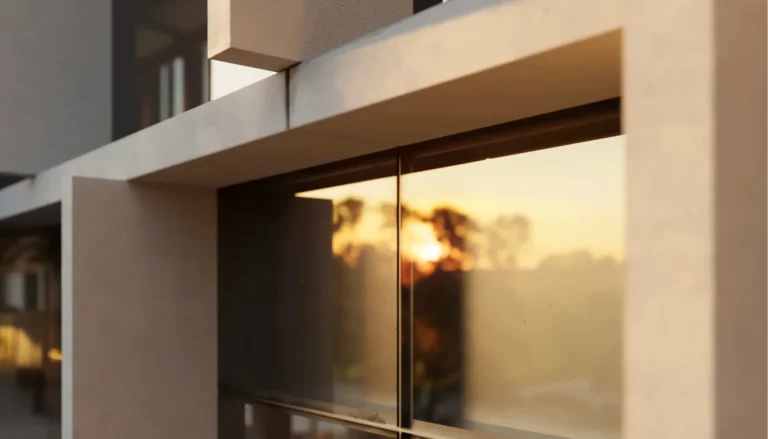
Architectural CGI visualization helps sell spaces before they exist. Still images set the mood, while animated walkthroughs create that emotional engagement needed to sell. It’s the same logic with smaller, less expensive products, too.
Ecommerce
Ecommerce brands use product CGI to show products clearly and consistently. You can add animation to demonstrate your product’s features, usage, and value. That way, you get more confident, more informed buyers (who may actually go ahead and buy).
How to choose the right technique for your project
Choosing between CGI and animation isn’t about trends at all. In fact, both are as trendy as can be today. If you look at big brands online, chances are they use both CGI and 3D animation, most likely for various goals or campaigns.
And that’s the answer: intent. If you know what you want to achieve, you’ll know what to choose and how to use it.
Start with your goal. If you need clean, detailed visuals that load fast and look premium, static CGI renderings are perfect. If you need to explain how something works or create an emotional pull, 3D animation is more expensive but definitely worth the investment.
Think about your platform. Ecommerce listings and landing pages benefit from static product CGI. Social ads and video platforms love 3D animation as it holds attention for longer.
Consider your budget and timeline. CGI stills are quicker to produce and easier to revise. Animation takes longer, of course. However, once a 3D model is built, it’s endlessly reusable in different animations, different seasonal offers, different variants.
Speaking of which, we advise thinking long-term. A well-made CGI model can fuel years of content, from still images to full product CGI animation. That’s why CGI is a smart, scalable content strategy.

Wrapping up


CGI vs 3D animation shouldn’t be viewed as a rivalry as much as a toolkit or a pick-and-mix game. CGI is the umbrella, and 3D animation is one powerful branch of it. One gives you control, consistency, and realism. The other adds motion, storytelling, and emotion. The smartest, largest, or most successful ecommerce brands tend to use both. You can definitely think about doing the same.
If you want sharp, realistic CGI, scalable assets, the Welpix crew has you covered. We work remotely, thus globally, and we pride ourselves on our collaborative workflow. We walk you through our easy process and stay in touch every step of the way. Talk to us about your vision and we’ll make it happen—that’s a promise.
FAQ
What is the difference between CGI and animation?
CGI refers to all computer-generated visuals, while animation specifically involves movement. Animation vs CGI isn’t about quality, but about motion.
Is all 3D animation CGI?
Yes. All 3D animation is a form of CGI, but not all CGI includes animation.
What is CGI mostly used for in ecommerce?
CGI is used for product CGI, CGI renderings, background CGI, and CGI visualization across listings, ads, and catalogs.
Is CGI better than traditional photography?
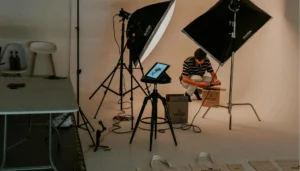
For ecommerce, CGI often offers more control, faster updates, and easier scaling than photography, especially for large product catalogs.
Is 3D animation more expensive than static CGI?
Yes, generally. Animation requires more production time, but it also delivers higher engagement when used strategically.
Can CGI look realistic?
Absolutely. Realistic CGI can be nearly indistinguishable from photography when done well.
Should my brand use CGI or 3D animation?
Most brands benefit from both. Start with CGI stills for consistency, then add 3D animation where explanation or emotion matters.