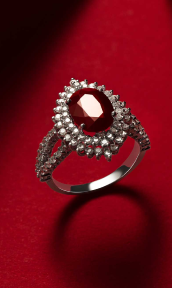
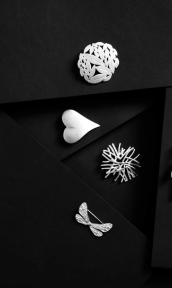
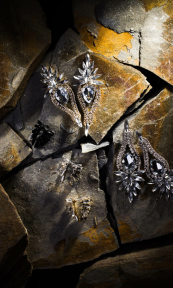
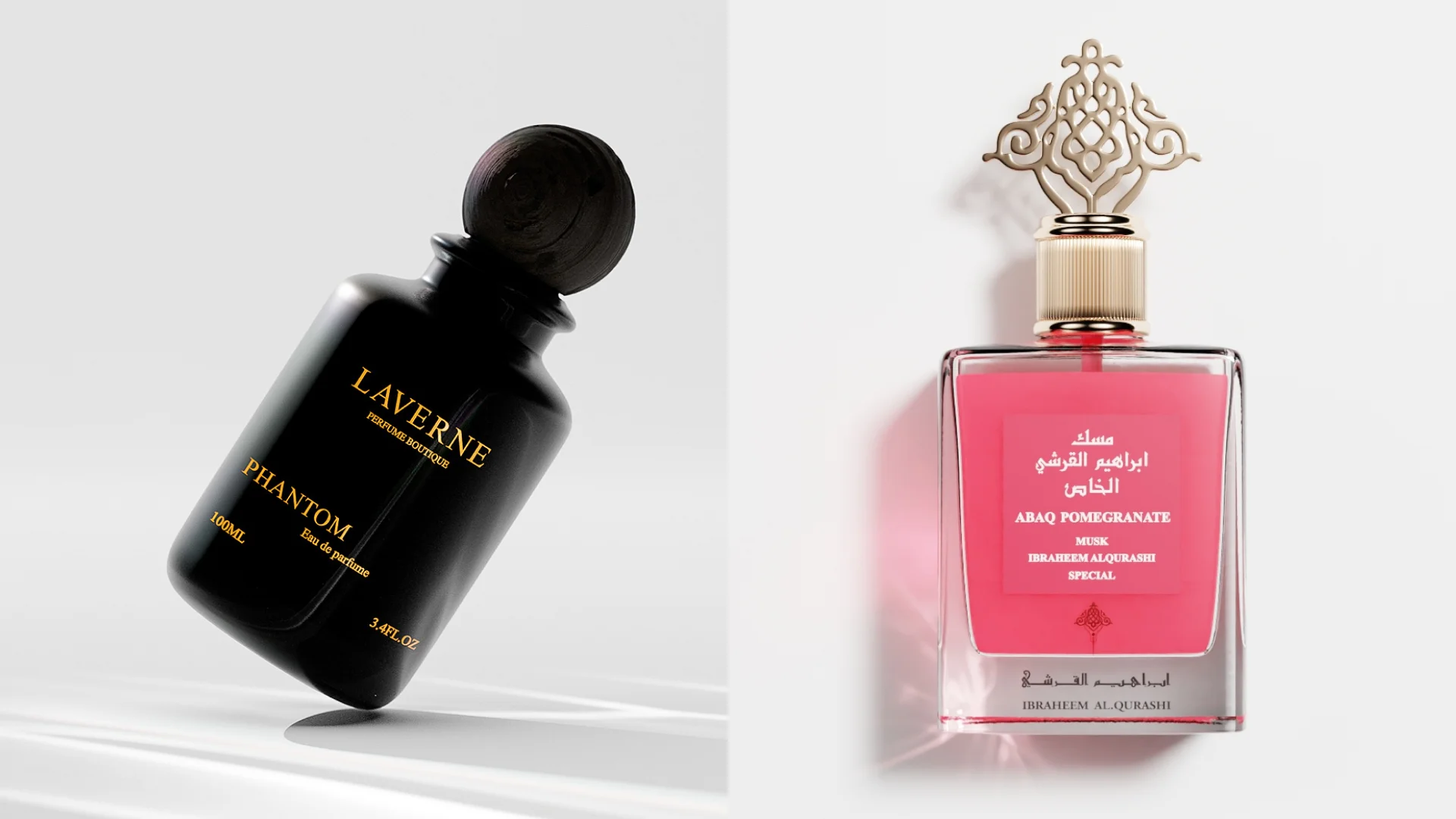
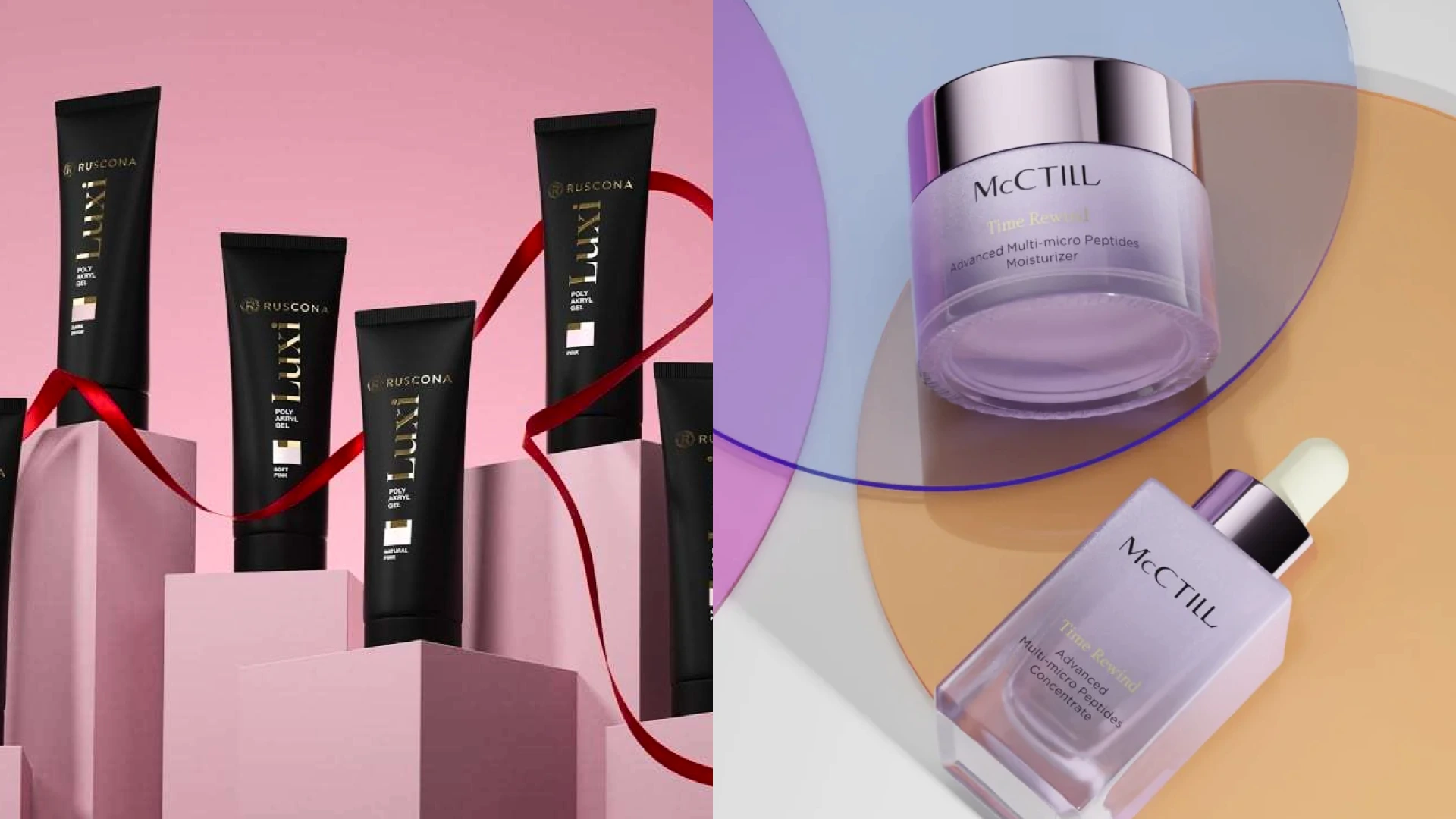
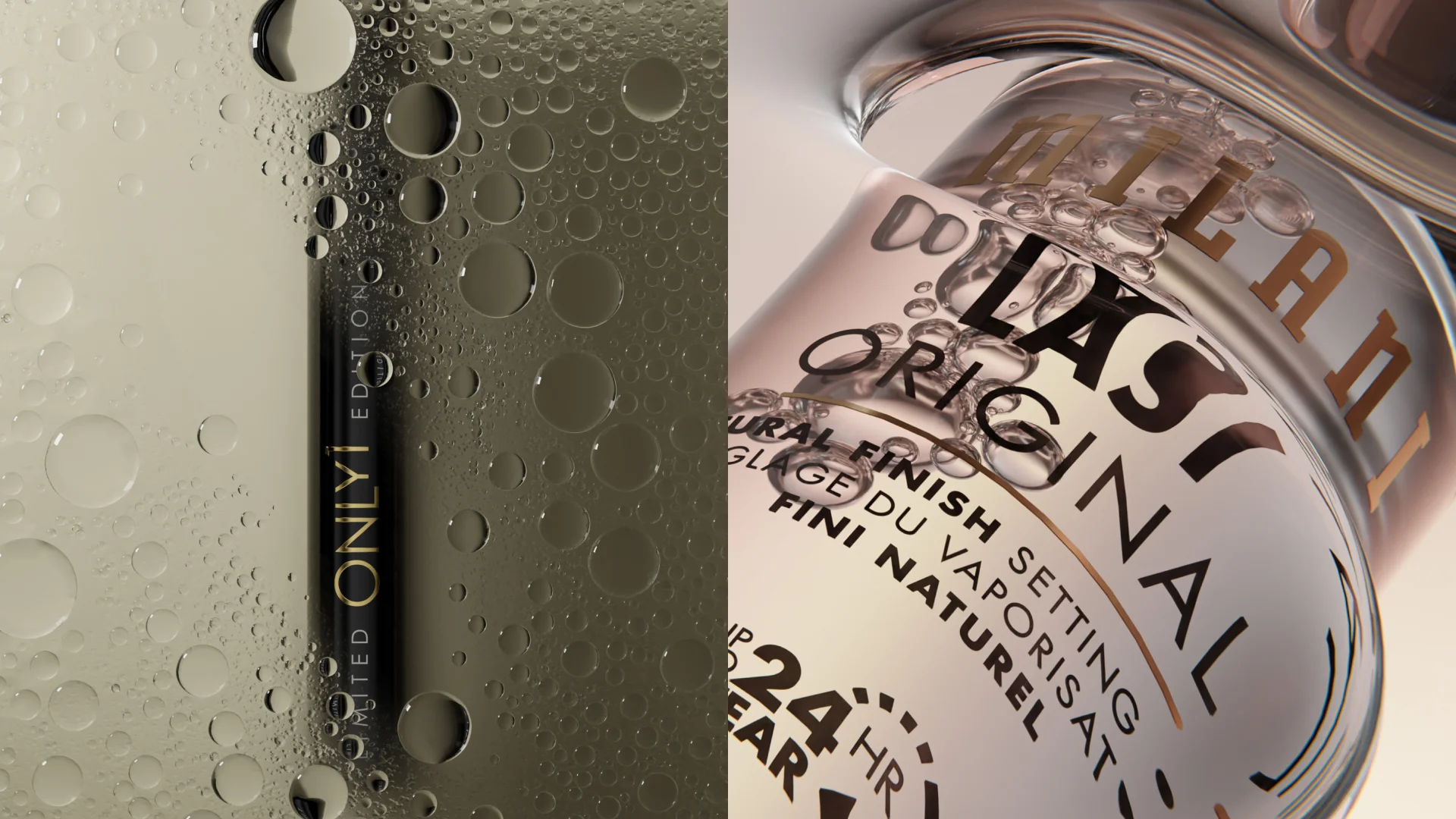
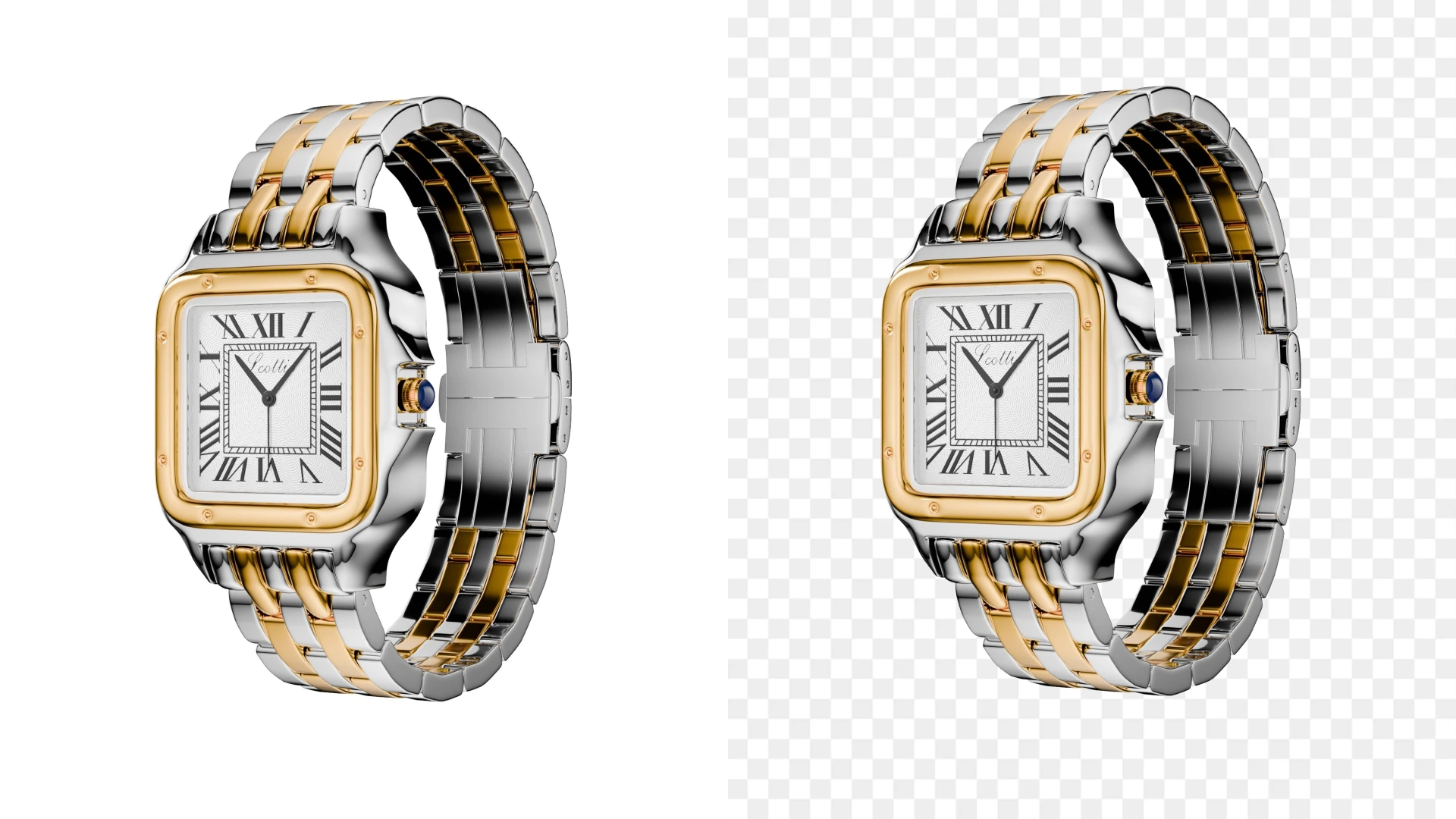
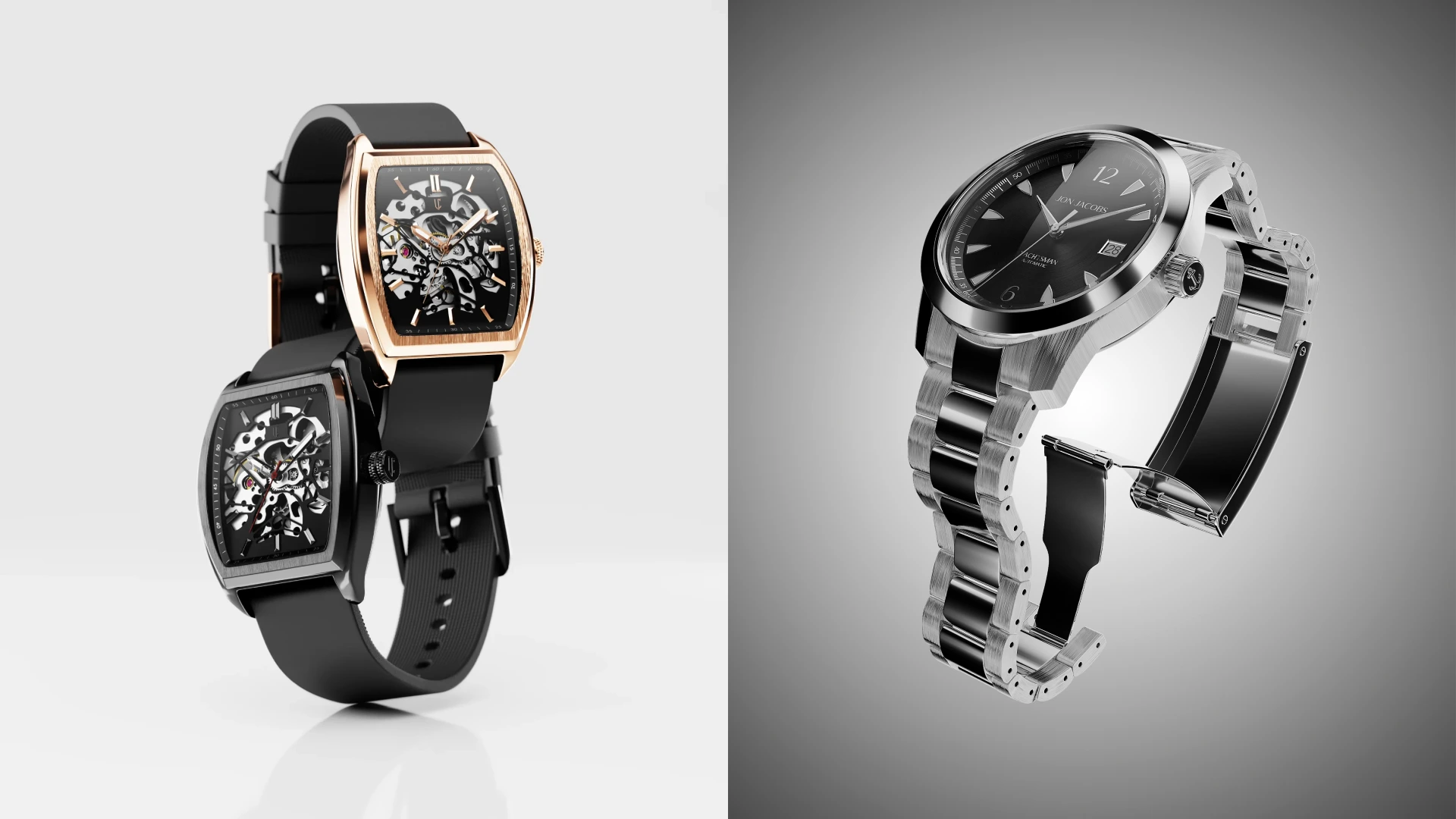
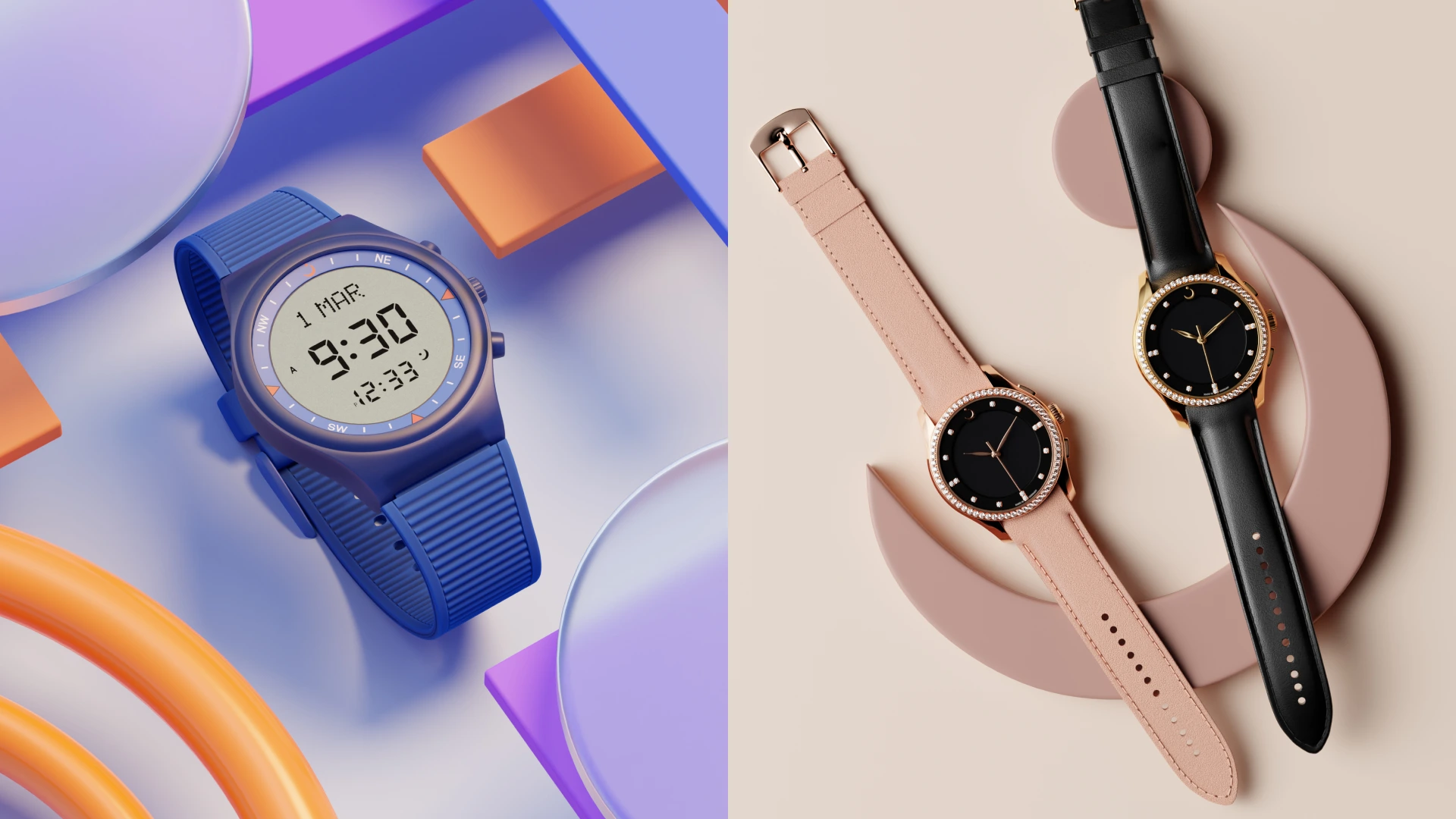
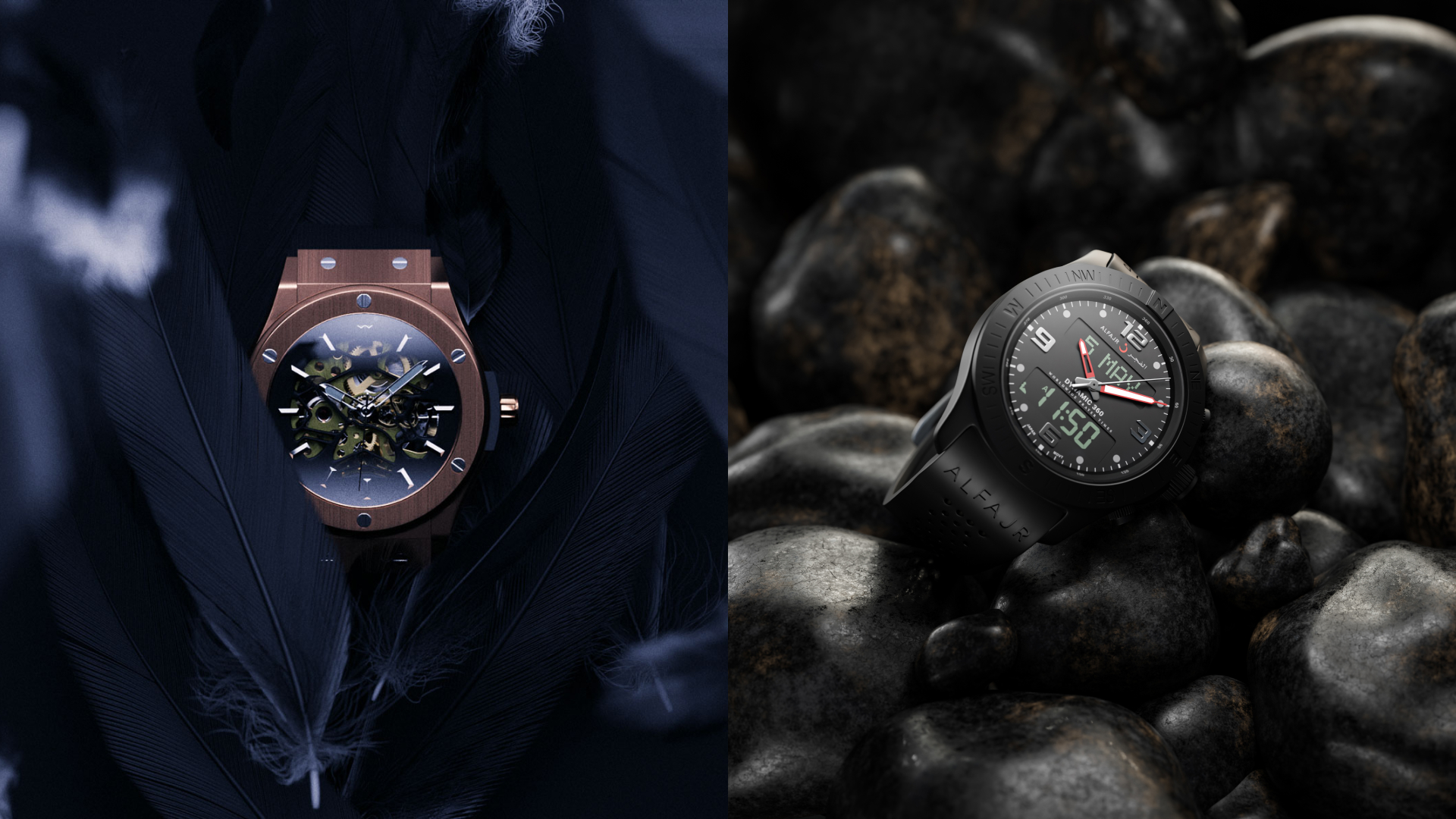
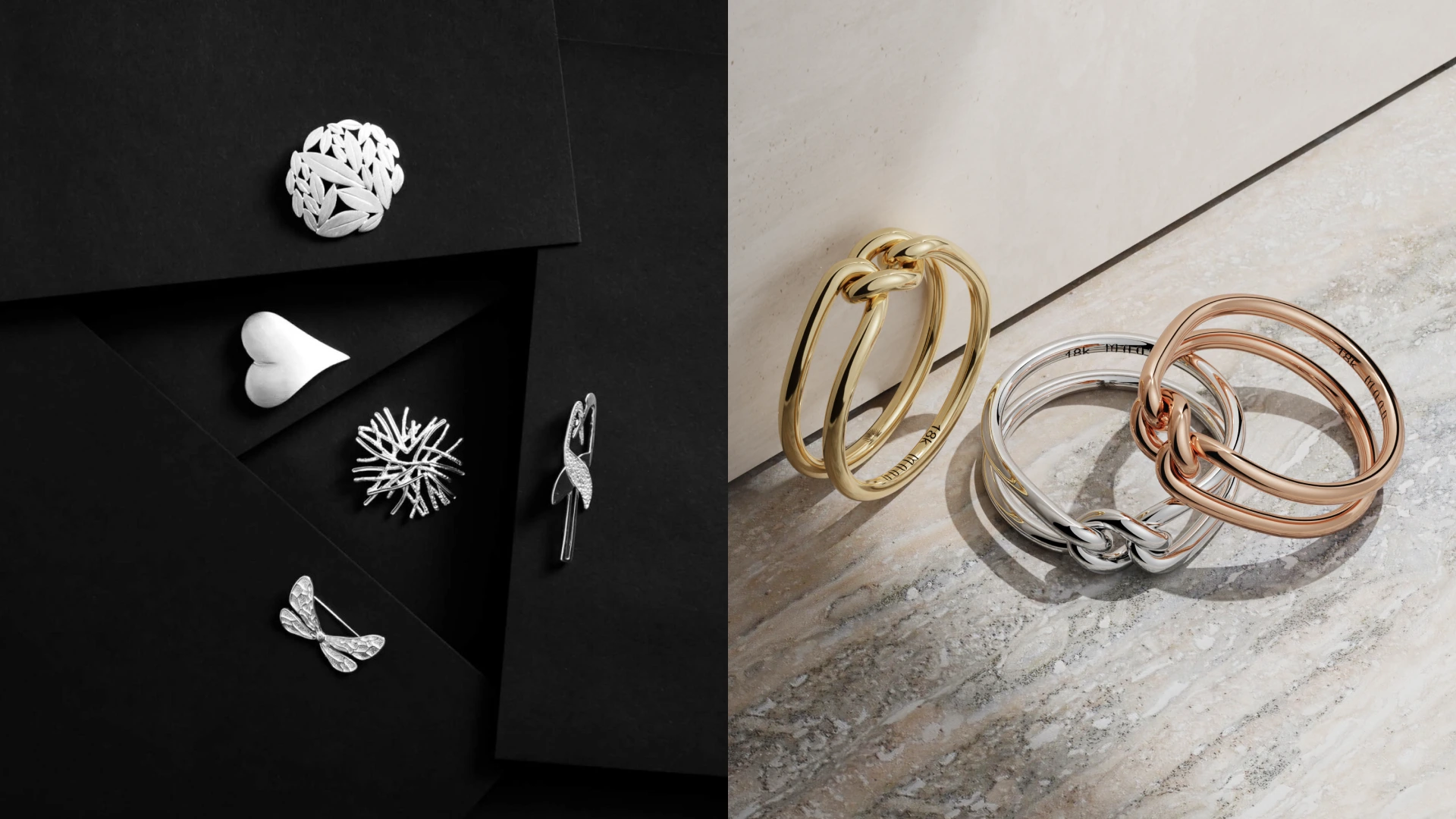
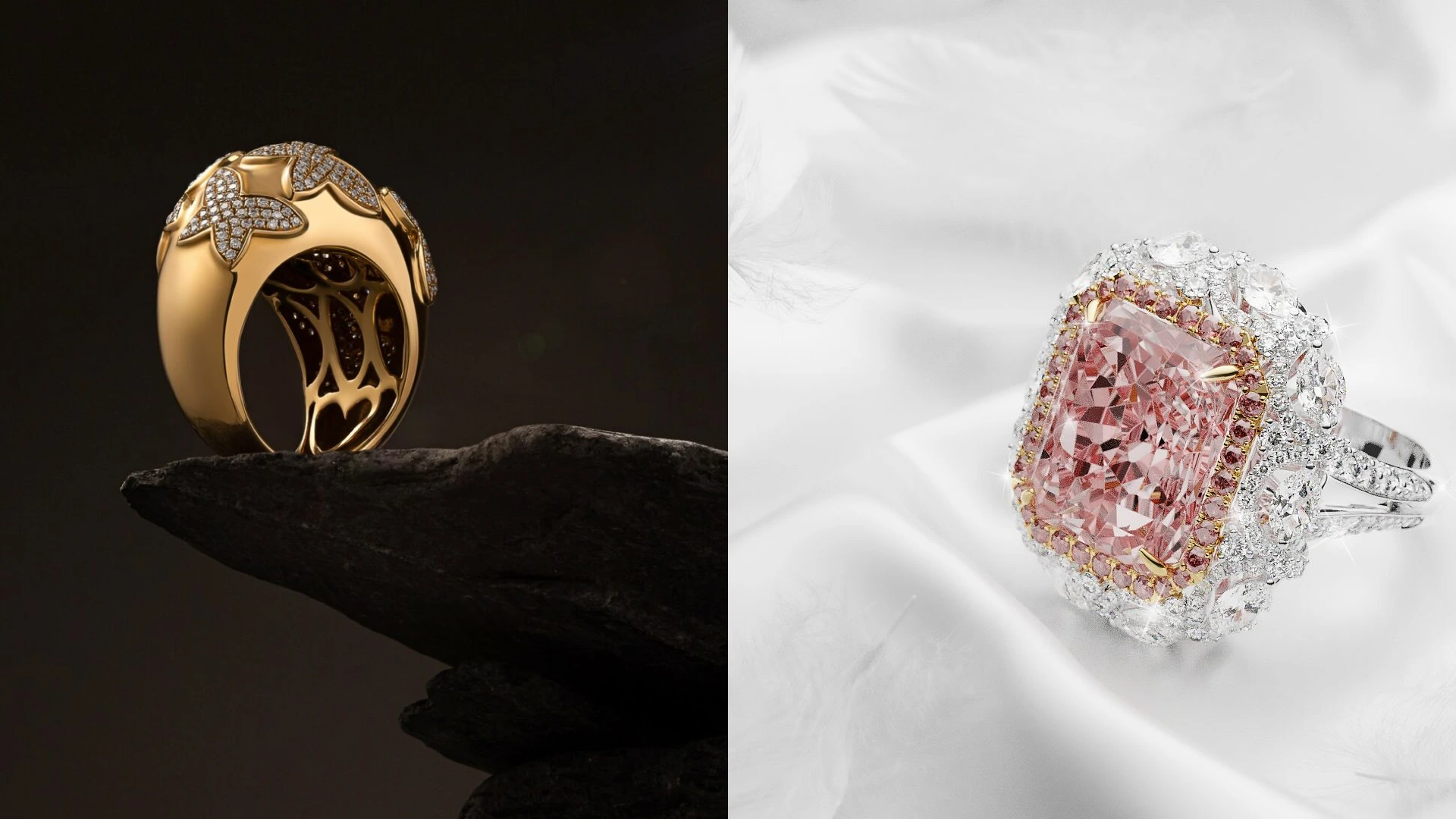
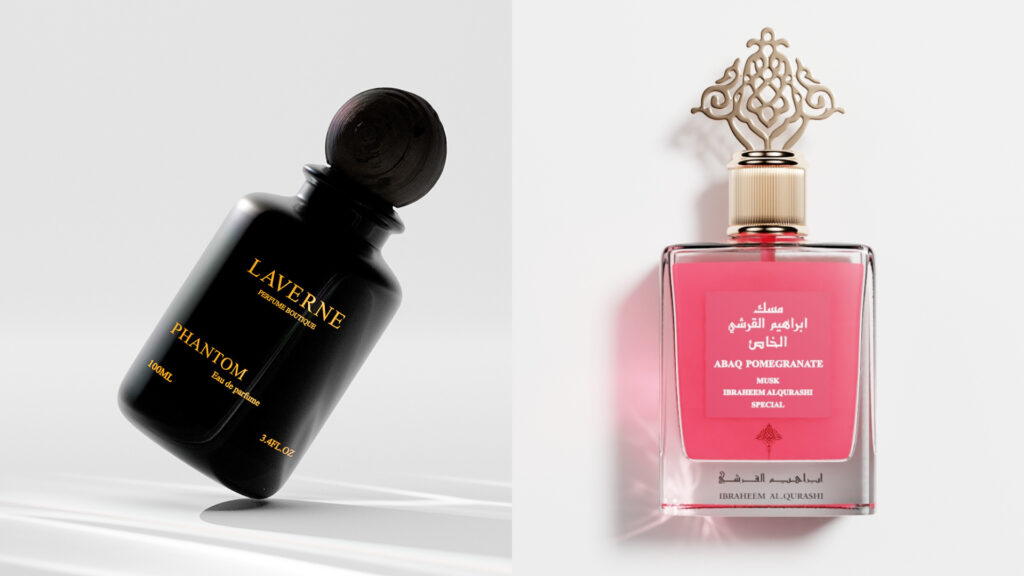
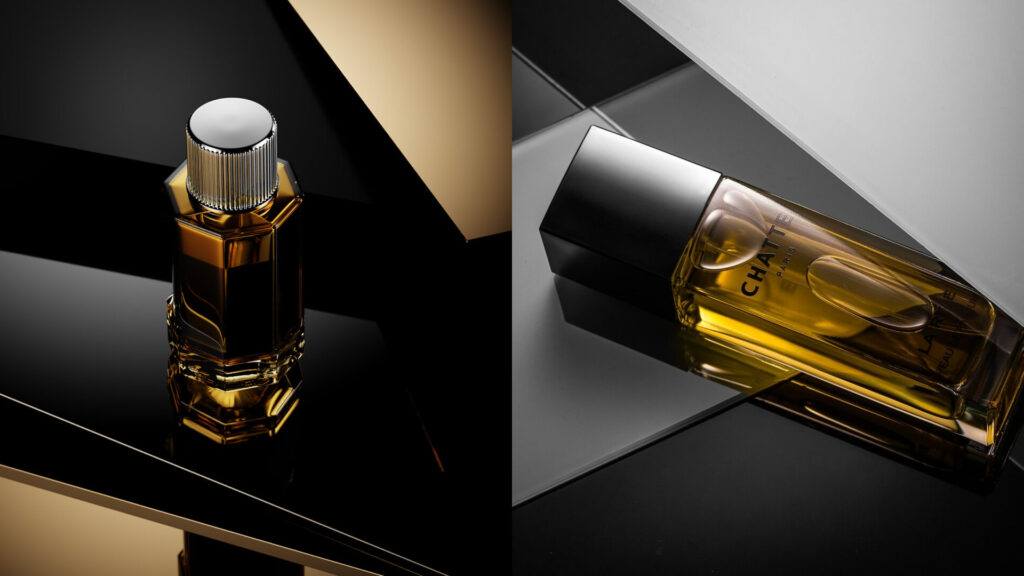
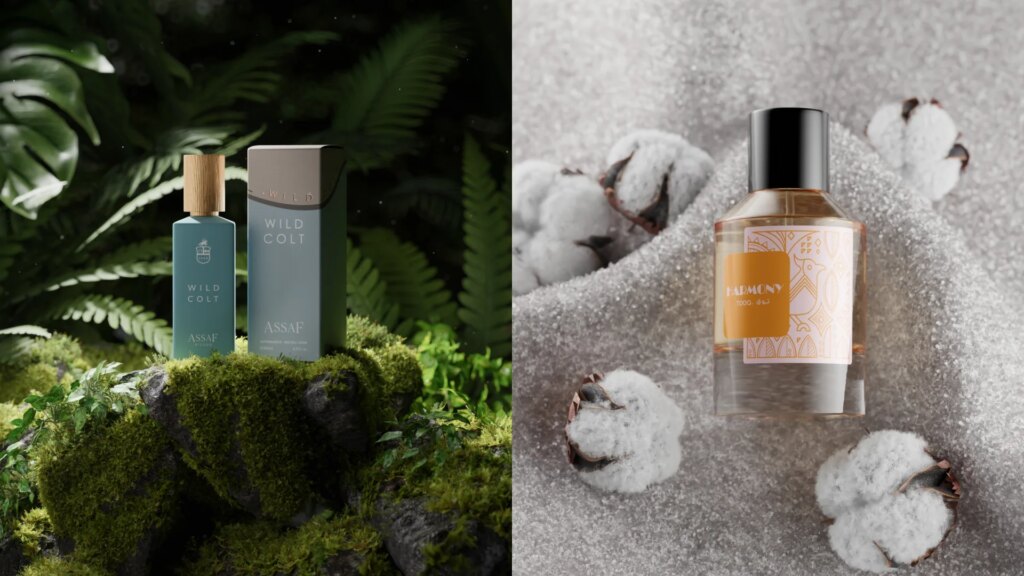
In ecommerce, your product images are the main driver of your sales, if not the sale itself. In fact, products shown with high-quality visuals see up to 33% higher conversion rates. And fashion brands using AI-driven visuals are now cutting production time by over 50% (while also increasing SKU coverage).
It’s safe to say 2026 is the year AI becomes table stakes for ecommerce worldwide.
Now, AI product photography for ecommerce has changed how brands create, scale, and optimize visuals, too. Meaning you don’t need a studio anymore, or weeks of back-and-forth to get professional product photography that actually performs. AI product photography lets you generate consistent, conversion-ready ecommerce product photography faster and at a fraction of the cost.
However, this doesn’t mean it only takes one click. That’s why we’ve compiled a thoroughly researched (but simply explained) guide below.
Benefits of AI product photography in E-commerce
Apart from what we already said in the intro, the benefits are hard to count. We’ll talk about the ones we think are most relevant in ecommerce right now:
Speed that keeps up with ecommerce
Traditional ecommerce product photography moves at the speed of scheduling emails. AI product photography, on the other hand, moves at the speed of launches. So you can generate, edit, and adapt AI product photos in minutes (instead of the usual days). This is vital when you’re updating collections or reacting to trends. The latter changes so fast, you just don’t have time to put a week into research or design.
Cost efficiency without visual compromise
Here’s something else you might not have at scale. Studio rentals, photographers, stylists, props… all of these costs add up fast. AI product photography for ecommerce removes most of those fixed costs while still delivering clean, professional product photography. AI fashion or ecommerce photography becomes gold for brands managing large catalogs or frequent updates.
Infinite scalability
Need five backgrounds, three formats, and two seasonal looks for the same product (and fast)? You’re not alone. That’s why so many brands are using AI today. AI handles all these tasks without multiplying your budget. Ecommerce photography thus becomes modular, reusable, and endlessly adaptable (which, in turn, saves a lot of money down the line).
Consistency that builds trust
AI tools apply the same lighting logic, color accuracy, and framing across your entire catalog. This is so precious when building a brand’s credibility. People see and remember these details. And of course, reliable stores convert better.
Now, on to some of the actual features AI product photography can do.
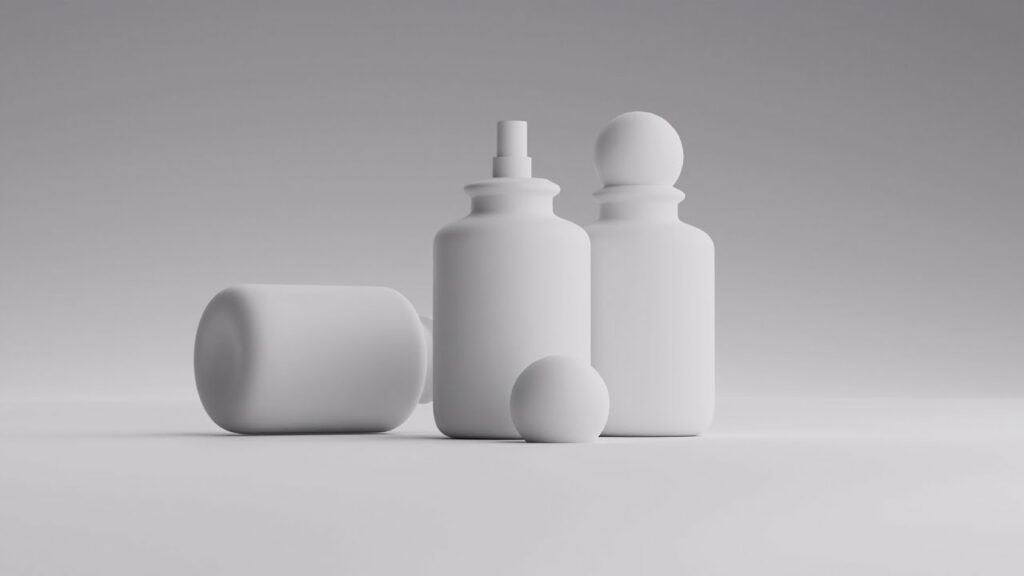
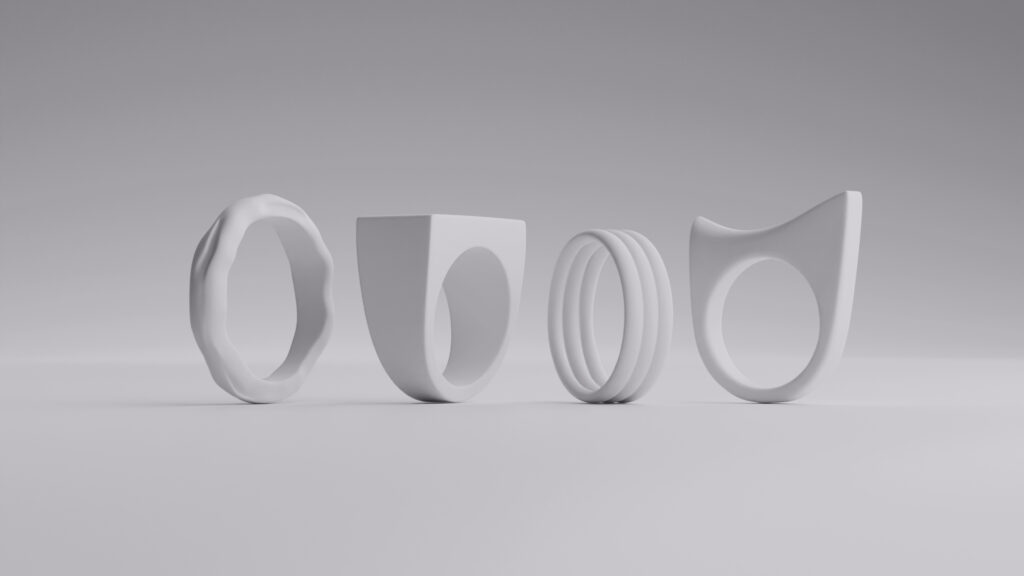
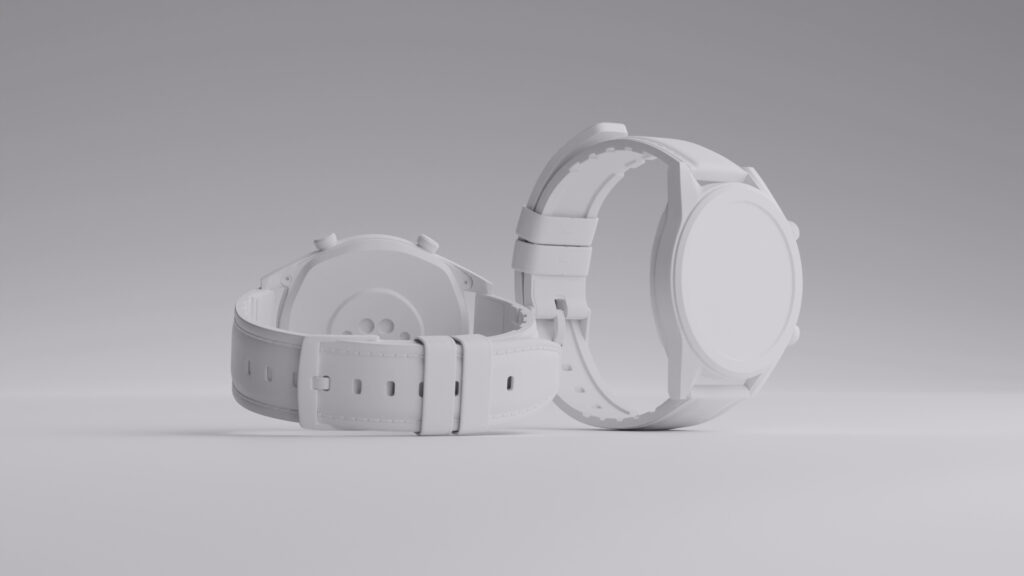

What AI can do: background removal, color correction, CGI & more
Background removal and replacement
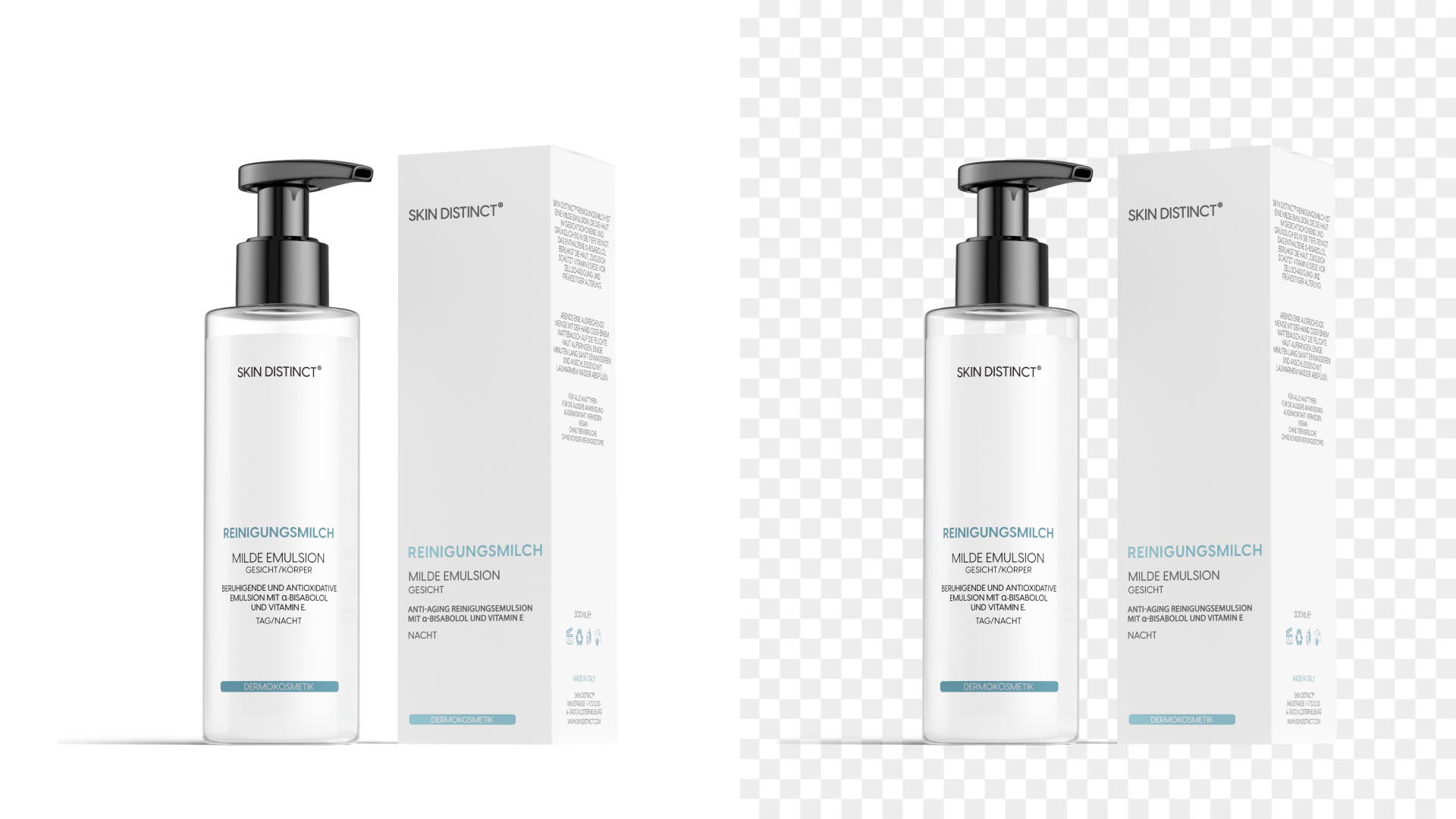
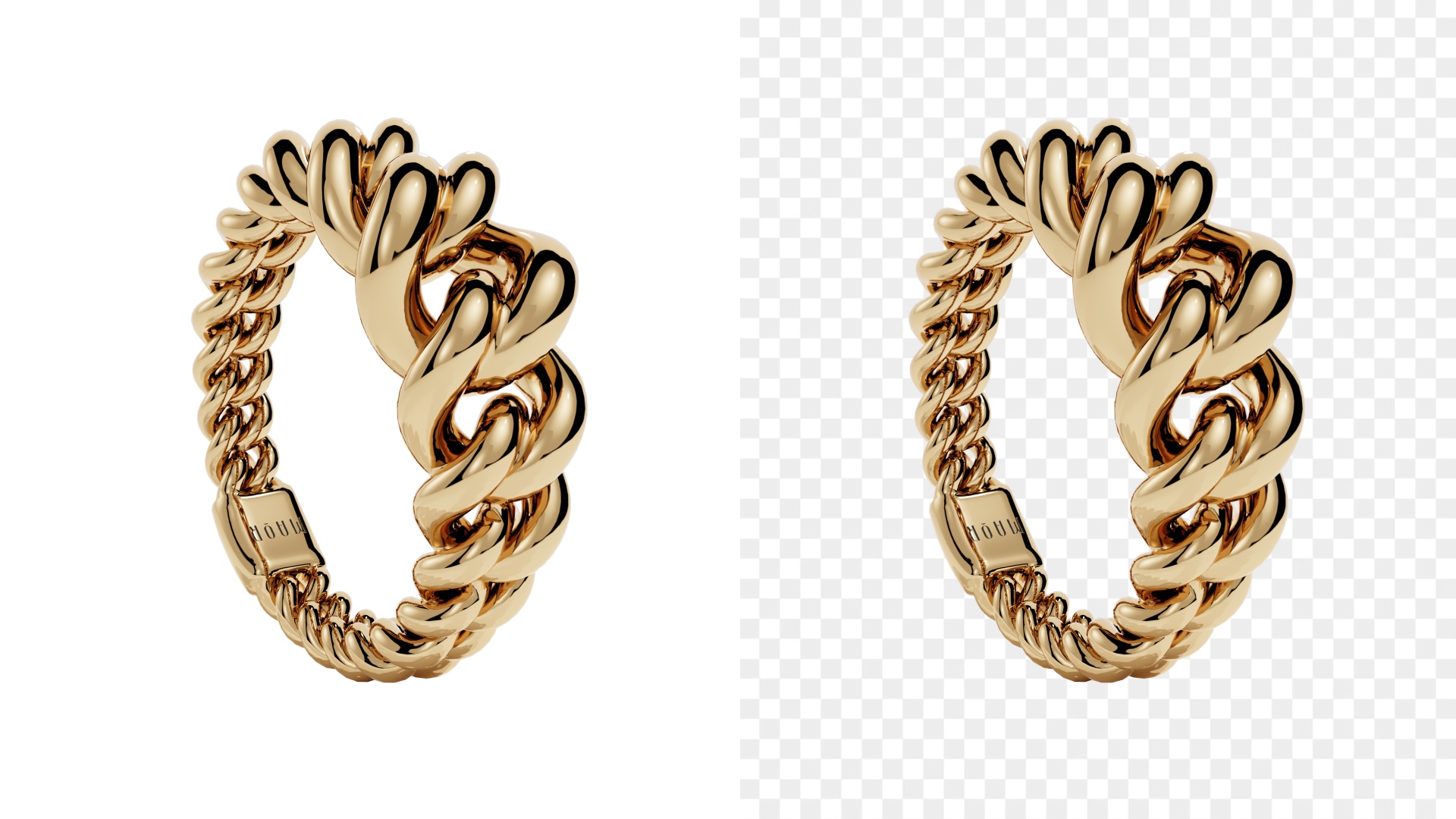
AI instantly isolates your product and removes the background with pixel-level precision. You can swap in white backgrounds for marketplaces, branded colors for your store, or lifestyle scenes to help your buyer see themselves owning your product. And it goes without saying, this is done with zero reshoots.

Color correction and lighting normalization
AI product photography tools automatically adjust exposure, contrast, white balance, saturation, and more. This means your AI product photos look accurate across all screens. That’s essential for ecommerce product photography (where color mismatch, as we said above, kills trust).
Lifestyle scene generation
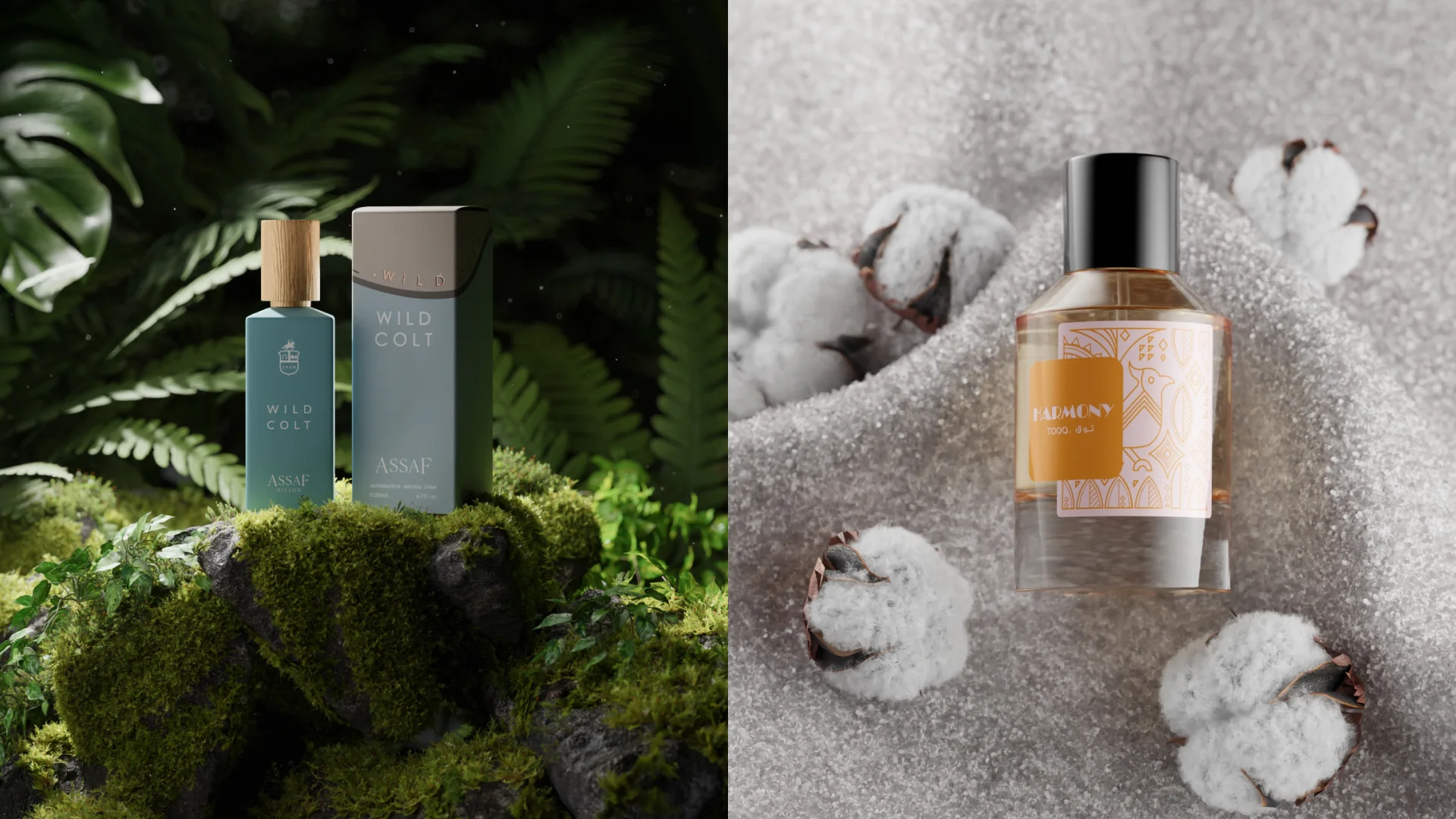
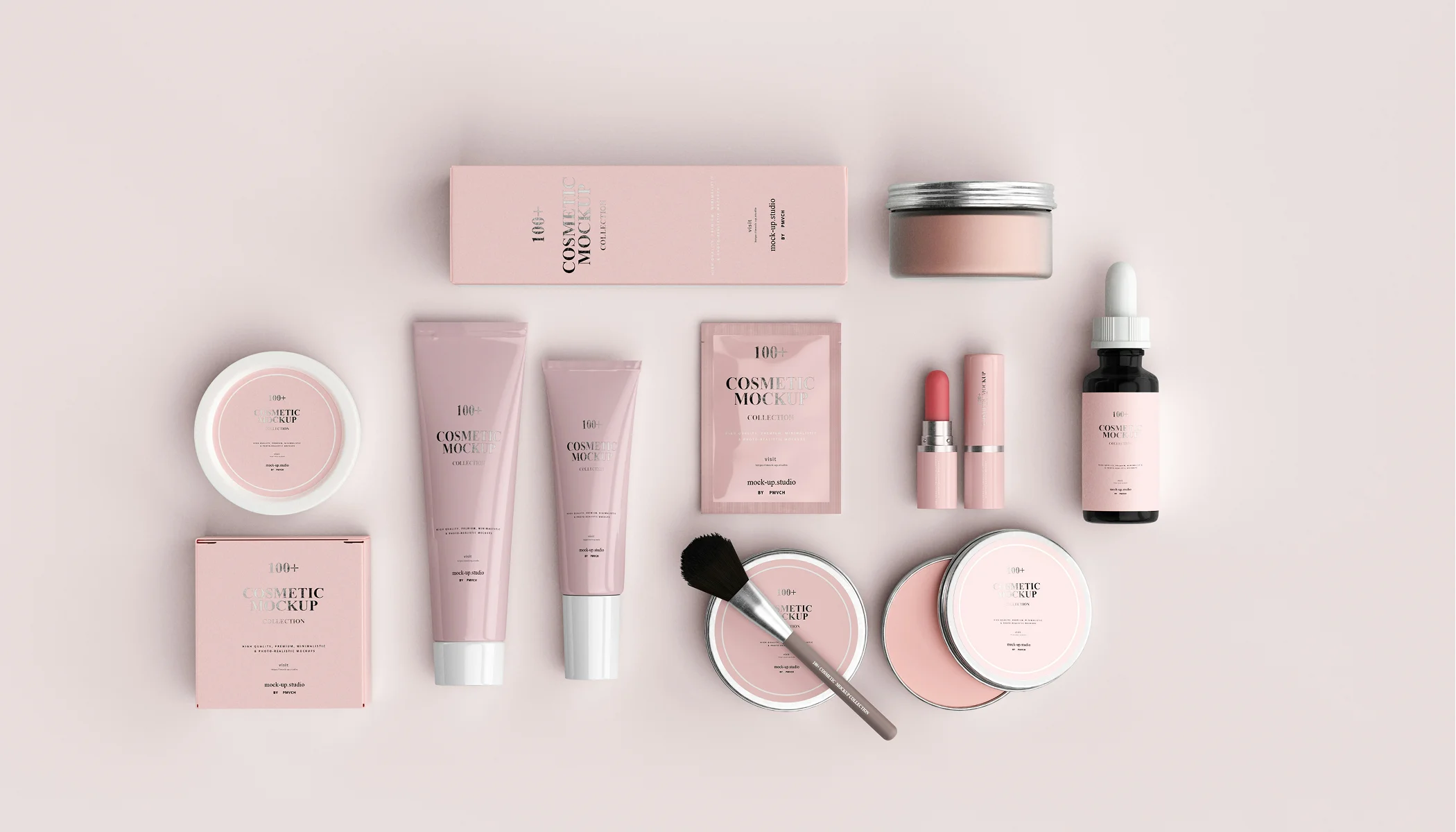
AI can place your product into realistic, on-brand environments without a lifestyle shoot or costly post-production. This is great for fashion, beauty, home goods, and accessories, where context drives desire, and the buyer instantly sees themselves in the environment you created. Done right, AI can create pretty much any environment you envision, from minimalistic kitchens to outer space.

Shadow and reflection creation
Depth is one of those details that communicates “professional” at a subconscious level. AI generates natural shadows and reflections based on object shape and light direction, turning flat images into professional product photography that feels tangible.

Smart resizing and multi-channel formatting
AI adapts your ecommerce photography to every platform: social, marketplaces, banners, ads, etc. And it does so without cropping out critical details. So you get one asset with infinite formats. Which leads us to the last perk.

Batch editing at scale
Upload hundreds of images, apply the same edits, and export consistent results in one go. This is where we believe AI product photography for ecommerce truly outperforms manual workflows.
How to use AI in product photography
Using AI in product photography doesn’t require a full studio setup (or any technical gymnastics). The process is, in fact, as straightforward as it can be: you start with a basic product image, make a few intentional creative choices, and let AI handle the heavy lifting. From there, it’s just refining, previewing, and exporting visuals prepared for all your ecommerce channels.
Here’s how the workflow typically looks from start to finish:
- Capture a clean base image or product reference
Start with a sharp, well-lit photo of your product. It doesn’t need to be studio-perfect — even a smartphone shot works as long as the product is clear and unobstructed. - Upload it to your AI product photography tool
Drop the image into your chosen platform and let the AI detect the product automatically. This becomes the foundation for everything that follows. - Define the visual direction
Choose your background, lighting style, and framing. Whether you’re going for clean marketplace-ready shots or lifestyle scenes, this is where you set the tone. - Apply AI enhancements
Add color correction, lighting adjustments, shadows, or reflections to give the image depth and polish — the kind that reads as professional product photography. - Preview across ecommerce layouts
Check how your AI product photos look on product pages, ads, and different screen sizes to make sure nothing feels cropped, flat, or off-brand. - Export optimized versions for every channel
Download platform-ready images for your store, ads, and marketplaces — no extra resizing or formatting required.
Used correctly, AI doesn’t replace how to take product photos — it finishes the job faster and better.

Benefits and tips for choosing the right AI tools
Benefits of AI product photography tools
- Faster time to market – Launch products and campaigns without delays.
- Lower production costs – Scale ecommerce product photography without scaling spend.
- Consistent branding – Maintain a unified visual identity across all channels.
- Higher conversions – Cleaner visuals reduce friction and improve buyer confidence.
Tips for choosing the right platform
- Choose tools that support batch processing if you manage large catalogs.
- Look for lifestyle scene generation if emotional appeal matters for your products.
- Prioritize platforms that export marketplace-ready formats.
- If realism is critical, ensure the tool integrates well with CGI workflows.
Best AI tools for product photography
Photoroom
A go-to tool for background removal, resizing, and quick AI product photos. Ideal for fast ecommerce photography workflows and small teams.

Claid
Strong at lighting correction, batch processing, and maintaining visual consistency across large ecommerce catalogs.

Caspa AI
Designed for ecommerce brands that want lifestyle visuals without lifestyle shoots, especially in fashion and DTC.

Dresma
Combines AI automation with ecommerce-specific workflows, great for marketplaces and catalog-heavy brands.

Common AI product photography mistakes and how to avoid them
- Over-editing your AI product photos. This usually happens when it’s too tempting to keep “improving” an image until it looks unnaturally smooth or overly stylized. To fix it, dial enhancements back and aim for realism: preserve natural textures and avoid aggressive lighting effects. Remember: professional product photography should look trustworthy.
- Ignoring brand guidelines. AI tools offer endless creative options, which is precisely why brands sometimes drift visually without noticing. The solution is to define clear rules for backgrounds, lighting, colors, and framing so AI consistently reinforces your identity (instead of inventing a new one every time).
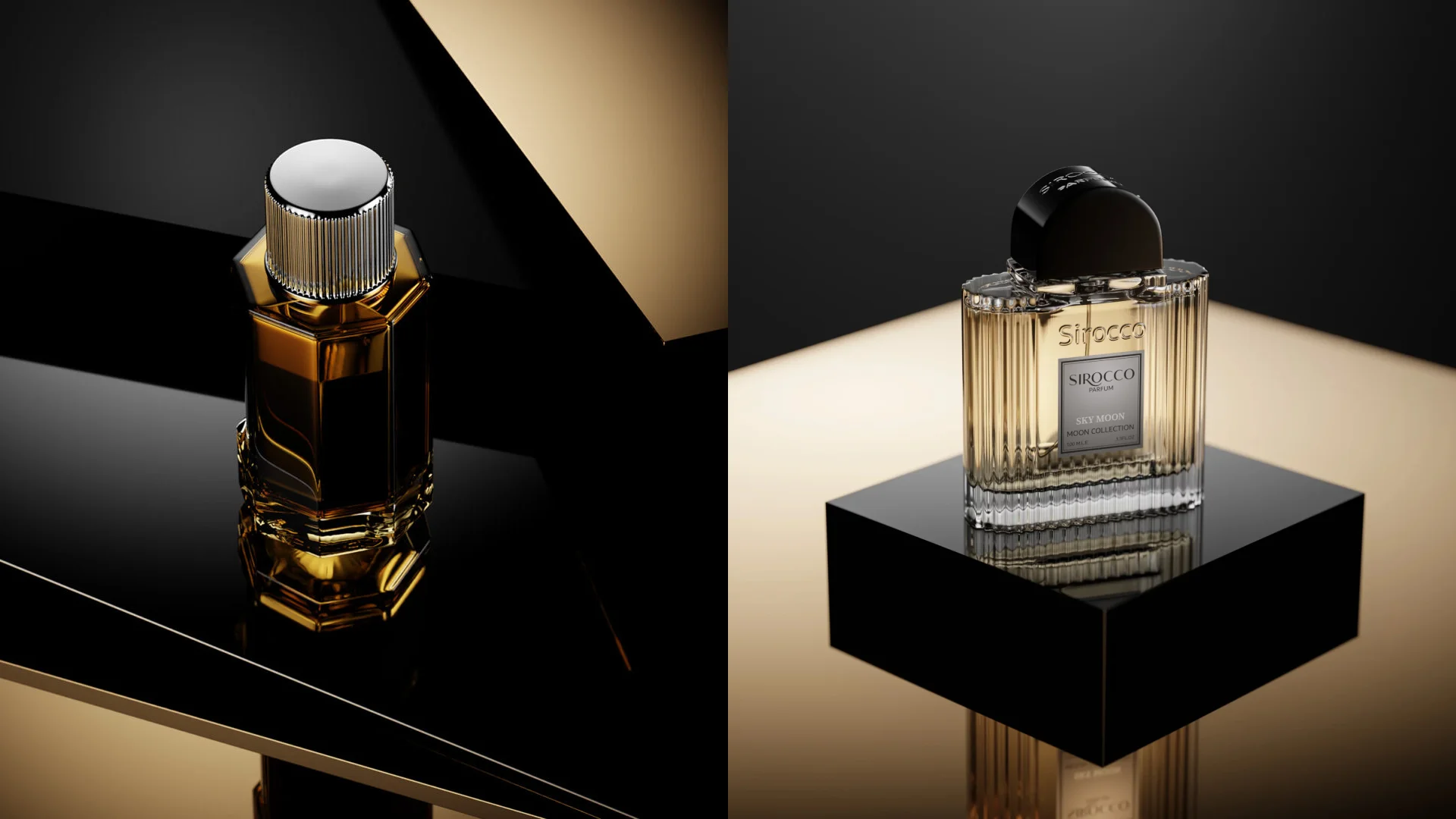
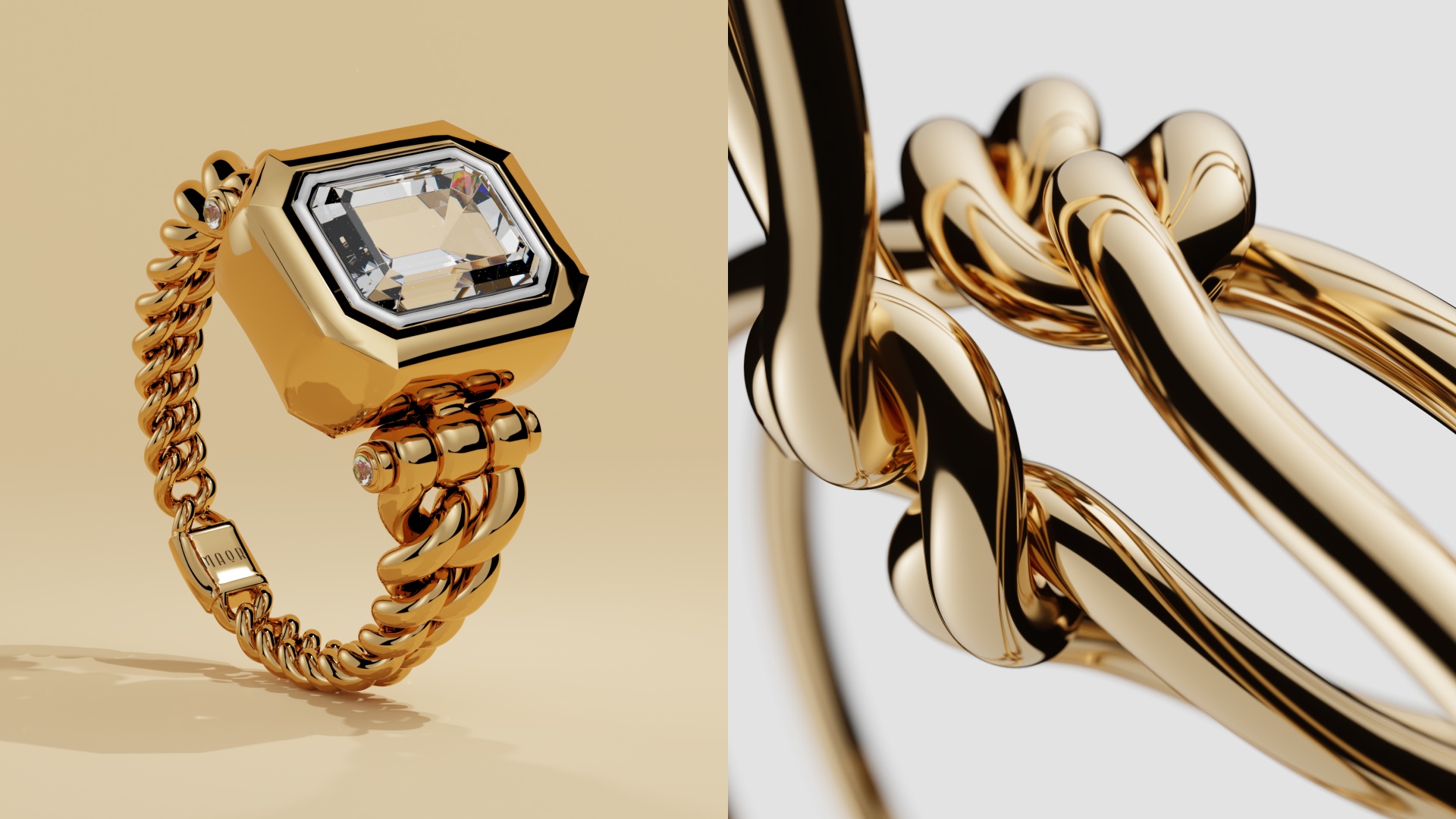
- Using AI alone for complex products. This mistake happens when speed is prioritized over accuracy, especially for products with intricate materials, reflective surfaces, or precise proportions. When realism matters, combine AI with CGI so structure, scale, and materials are rendered correctly. Then, use AI to handle staging, variations, and optimization.
Why CGI still matters (and how it works with AI)

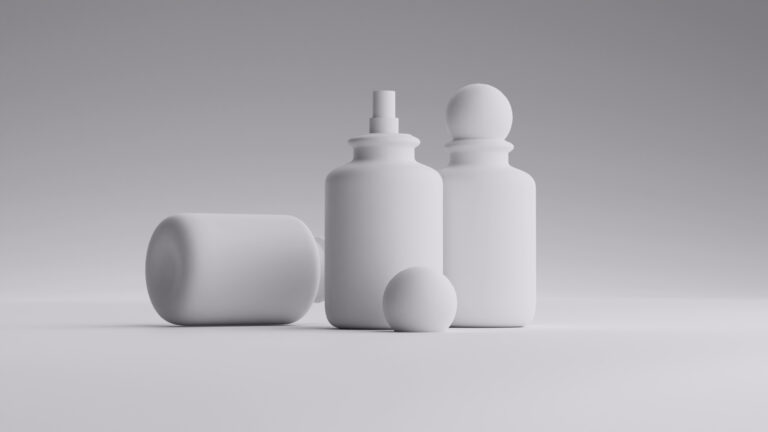
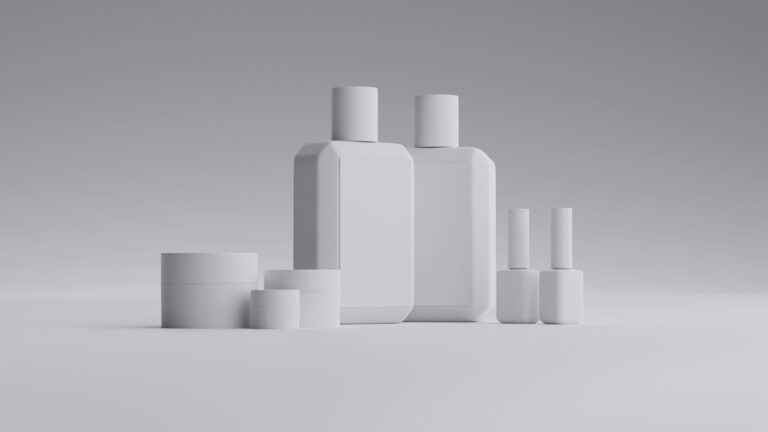
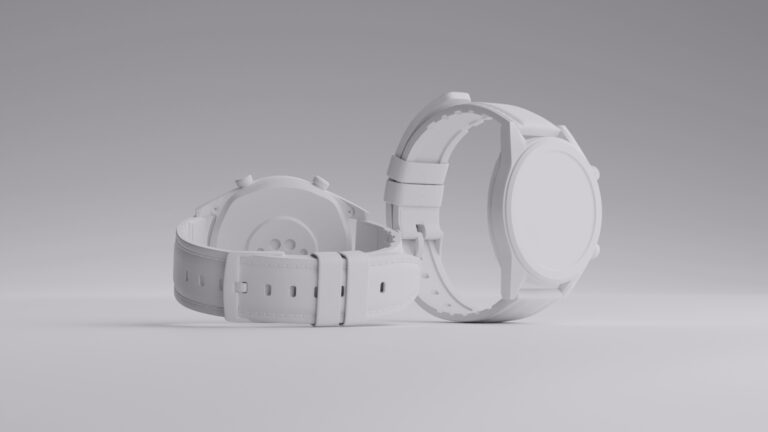
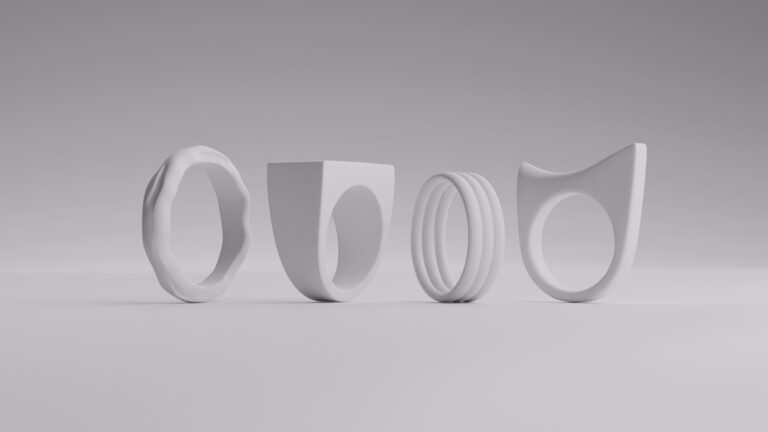
AI is brilliant when you need speed and flexibility over anything else. It helps you generate variations, adapt visuals to different channels, and move fast without ballooning costs. But when products have complex geometry, reflective surfaces, fine materials, or multiple components, CGI still does the heavy lifting.
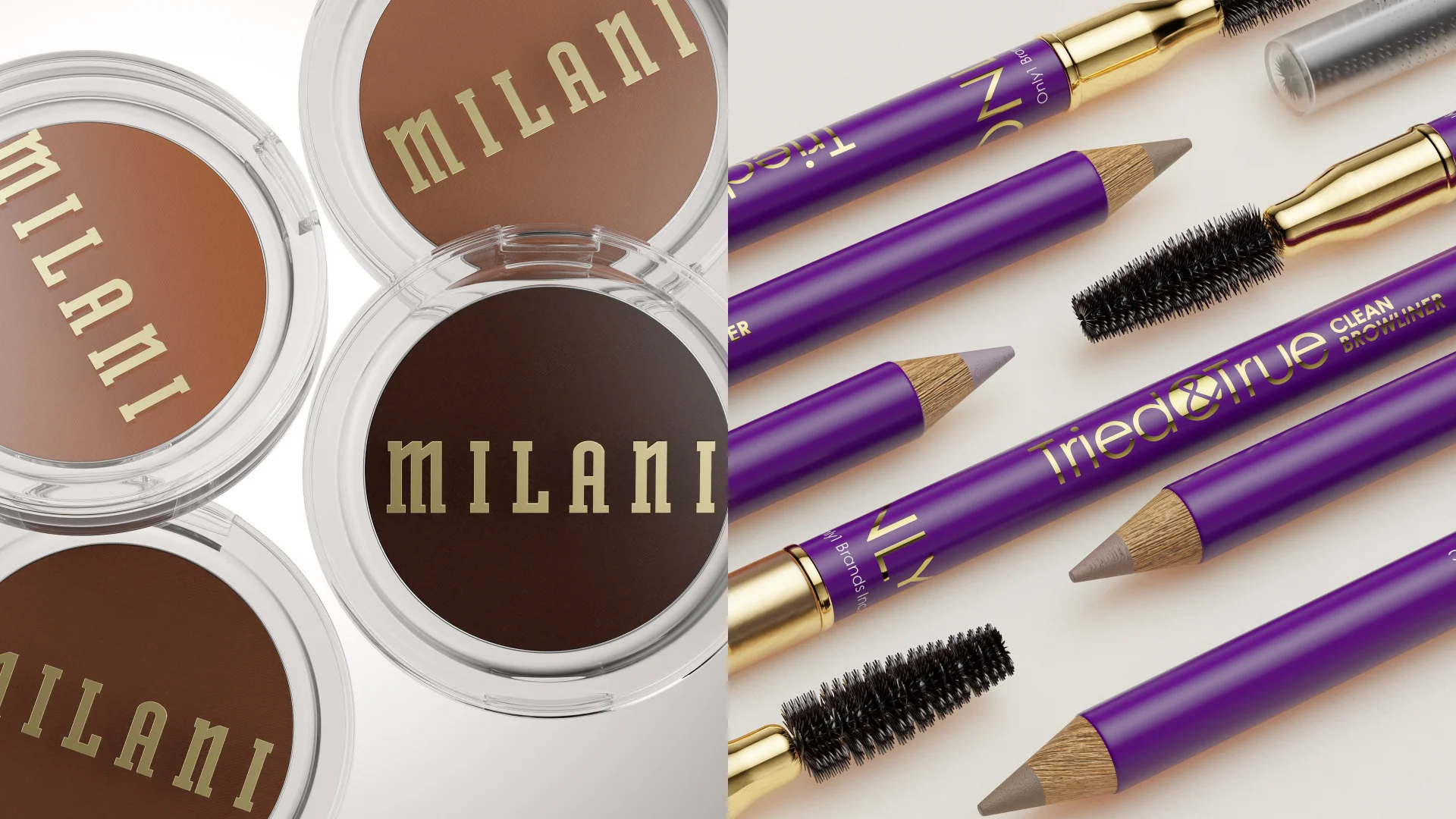
CGI offers precise control over form, lighting, scale, and realism. That’s the kind of control AI alone can’t reliably deliver yet, not without heavy fine-tuning (which goes against the whole speediness point). That’s why the most effective ecommerce photography today stacks both technologies: CGI to build the product accurately, and AI to stage, adapt, and optimize it across use cases.
That hybrid approach is exactly how we work at Welpix.
We’re a team of CGI product photography professionals who understand when automation helps and when human expertise is queen. We use AI to speed up workflows, test variations, and scale visuals, but every project is grounded in CGI made by expert humans with over a decade of experience in the field.
If you’re wondering what combination makes sense for your products, your catalog size, or your budget, get in touch with the Welpix crew. We’ll walk you through the options and workflow, then help you build visuals that actually sell.
- 3D modeling
- White bg.
- Minimalistic
- Simple prop
- Custom
- 3D modeling
- White bg.
- Minimalistic
- Simple prop
- Custom
Wrapping up


AI product photography for ecommerce has become a smarter system in 2026. It helps you move faster, scale cleaner, and convert better without sacrificing quality. And when paired with CGI, it becomes a serious competitive advantage.
If you want ecommerce product photography that looks premium, performs everywhere, and doesn’t slow your business down, the Welpix crew knows how to make that happen. You know where to find us.
FAQ
What is ecommerce product photography AI?
It’s the use of AI to create, edit, and optimize product visuals specifically for ecommerce platforms.
Why is AI photography outperforming traditional fashion shoots?
Because it’s faster, cheaper, and easier to scale — while still delivering consistent, high-quality visuals.
How can AI product photography help rising fashion brands?
It lets them launch collections quickly, test visuals, and look established without massive production budgets.
Is AI product photography right for luxury or premium brands?
Yes — especially when combined with CGI for precision, realism, and control.
How long does an AI product photoshoot take?
Minutes to hours, not days or weeks.
Is AI product photography cost-effective for startups?
Very. It lowers entry barriers while still delivering professional product photography results.