How much does it cost to have an in-house photo studio?

If you’ve been running an online store for a while, you’ve probably wondered if it’s worth building your own in-house photo studio instead of constantly outsourcing your product shoots. After all, you’d have more control,…

How much does it cost to have an in-house photo studio?How much does it cost to have an in-house photo studio?

If you’ve been running an online store for a while, you’ve probably wondered if it’s worth building your own in-house photo studio instead of constantly outsourcing your product shoots. After all, you’d have more control, faster turnaround times, and potentially lower long-term costs.

But before you start clearing out the spare room or eyeing that empty corner in your warehouse, you’ll want to know exactly what this move will set you back. From equipment to ongoing maintenance, running a photography setup isn’t as simple as throwing up a backdrop and snapping away. It’s a business investment — one with both upfront and hidden costs that can quickly add up.

Let’s break it all down, from why having an in-house product photography setup might make sense, to what kind of budget you’re really looking at, and why CGI might just leapfrog over the whole process for a fraction of the cost.

Why an in-house photo studio can make sense for e-commerce

Why an in-house photo studio can make sense for e-commerce

For e-commerce brands, product images are more than pretty pictures — they’re your primary sales tool. An in-house photo studio can give you creative freedom and speed that outside agencies can’t always match.

Faster turnaround times

If you’re relying on a commercial photo studio rental, you’re often at the mercy of their schedule. That means waiting days or weeks for a slot… and then more waiting for edited images. With your own setup, you can shoot the moment new stock arrives. This is especially valuable for seasonal launches or limited-edition drops.

Lower per-image costs over time

The photography studio rental cost for a product shoot can range from $100 to $400 per hour, plus photographer fees. If you shoot products regularly, those invoices add up fast. While the initial in-house photo studio cost is higher, the cost per image decreases with each shoot, especially if you produce hundreds of SKUs a year.

Brand consistency

Different photographers and studios have different editing styles, lighting setups, and equipment. An in-house studio means you control every variable: lighting, angles, backdrops, even how colors are rendered. Consistency boosts brand recognition and trust, which translates to higher conversion rates.

In short, the upfront photo studio setup cost can be steep, but for high-volume e-commerce brands, the control, speed, and long-term savings can outweigh the initial spend.

Breaking down the costs of building an in-house studio

Breaking down the costs of building an in-house studio

Let’s talk real numbers. Your photography studio expenses will depend on the size of your operation, the type of gear you choose, and whether you hire in-house staff or handle shoots yourself. We’ll look at costs in both USD and EUR for flexibility.

1. Equipment

Cameras

A solid DSLR or mirrorless camera will run between $1,000–$3,000 (€900–€2,700). If you’re shooting high-end products like jewelry or luxury goods, expect to be on the higher end for better sensor quality and resolution.

Lenses

Product photography often requires a macro lens for detail shots and a versatile zoom for lifestyle scenes. A good macro lens costs $500–$1,200 (€450–€1,100). A high-quality zoom lens can set you back another $800–$2,000 (€720–€1,800).

Lighting

Continuous LED panels or strobe lights are essential for consistent, controllable lighting. A basic set with stands and modifiers will be around $1,000–$2,500 (€900–€2,300). Softboxes, reflectors, and diffusers add another $200–$600 (€180–€550).

Backdrops and props

A backdrop system with multiple color rolls runs $200–$500 (€180–€450). If your brand has seasonal or themed shoots, expect to invest in prop kits ($100–$400 / €90–€360 per set).

Computer and editing software

A high-performance computer for editing can cost $1,500–$3,000 (€1,350–€2,700). Add $120–$240/year (€110–€220) for Adobe Creative Cloud or other editing software.

Estimated total for equipment: $4,820–$12,040 (€4,300–€10,900)

2. Space preparation

Room renovation

If you’re converting a space, you might need fresh paint, blackout curtains, soundproofing, or flooring adjustments. Budget $500–$2,000 (€450–€1,800). 
Even simple changes like repainting walls in a neutral, non-reflective color can improve light control and prevent color casts in your images. Blackout curtains are especially useful if you’re shooting with artificial lighting and need to block out changing daylight. In larger spaces, you might also need to install partitions to separate your shooting area from other work zones.

Electricity and outlets

Photography lighting and computers draw significant power. Additional outlets or wiring upgrades can cost $200–$800 (€180–€720). 

It’s worth installing outlets exactly where your lights and backdrops will be positioned so you don’t end up running extension cords across the floor — a classic but dangerous tripping hazard in a busy studio. If you plan on using high-wattage strobes or multiple continuous lights at once, consider having an electrician add dedicated circuits to handle the load without blowing fuses mid-shoot.

Climate control

Electronics and certain products require stable temperatures and low humidity. A small AC unit or dehumidifier might cost $200–$1,000 (€180–€900). 

This isn’t just for the photographer’s comfort. Heat can overwork lighting equipment and computers, while excess humidity can warp wooden props or damage delicate materials like leather and paper packaging. For studios in hot or damp climates, investing in climate control can mean the difference between consistent, problem-free shoots and costly retakes.

Estimated total for space prep: $900–$3,800 (€810–€3,420)

3. Staffing

Photographer salary

Hiring an in-house photographer in the U.S. averages $35,000–$60,000/year (€32,000–€55,000 in the EU). For part-time or freelance contracts, expect $25–$100/hour (€23–€90/hour).

Photo assistant or stylist

If your shoots involve complex setups, you might need a stylist to arrange products and props. That will be around $20–$50/hour (€18–€45/hour).

Post-production editor

For high-volume image editing, a dedicated retoucher can cost $30,000–$50,000/year (€27,000–€45,000) or $15–$40/hour (€14–€36/hour).

Estimated annual staffing cost: $40,000–$110,000 (€36,000–€100,000)

4. Ongoing costs

Equipment maintenance

Budget $200–$500/year (€180–€450) for cleaning and calibration. Professional camera sensor cleaning and lens calibration can keep images sharp and prevent costly downtime if dust or dirt ruins a shoot.

Replacement gear

Every 3–5 years, expect to replace or upgrade cameras and lighting. Spread out, that’s about $1,000–$3,000/year (€900–€2,700/year). This also covers keeping up with evolving tech, like newer camera bodies with higher resolution or lights with better energy efficiency.

Consumables

Backdrops, props, batteries, and storage cards can run $300–$1,000/year (€270–€900). If your brand does seasonal campaigns, budget extra for themed props and new backdrop colors to keep your content fresh.

Utilities

Electricity for lighting, computers, and climate control may add $50–$150/month (€45–€135/month). Costs can be higher if you run continuous lights for long shoots or keep air conditioning running year-round.

Estimated annual ongoing cost: $1,800–$6,300 (€1,620–€5,670)

Overall estimated first-year total:
– Small-scale: $47,520 (€43,000)
– Mid-range: $80,000 (€72,000)
– High-end: $132,000+ (€118,000+)

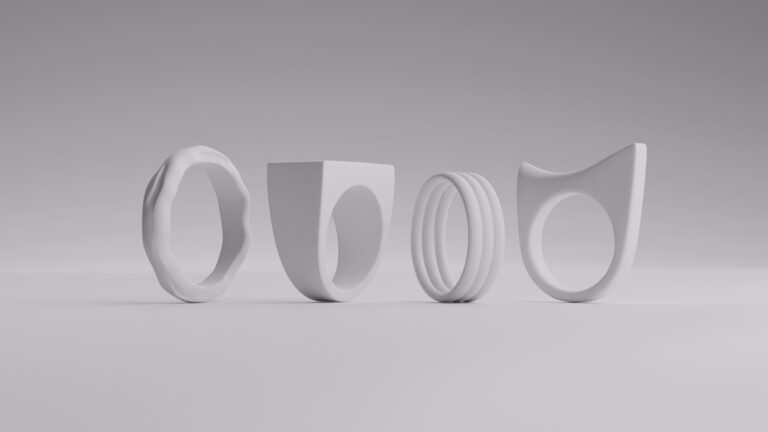
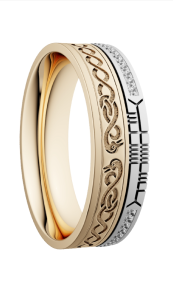
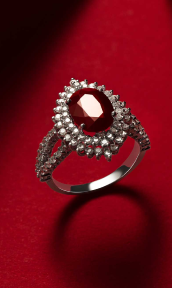
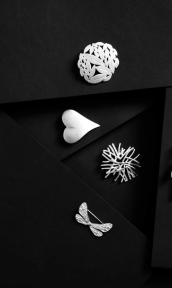
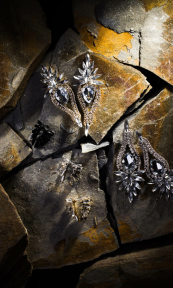
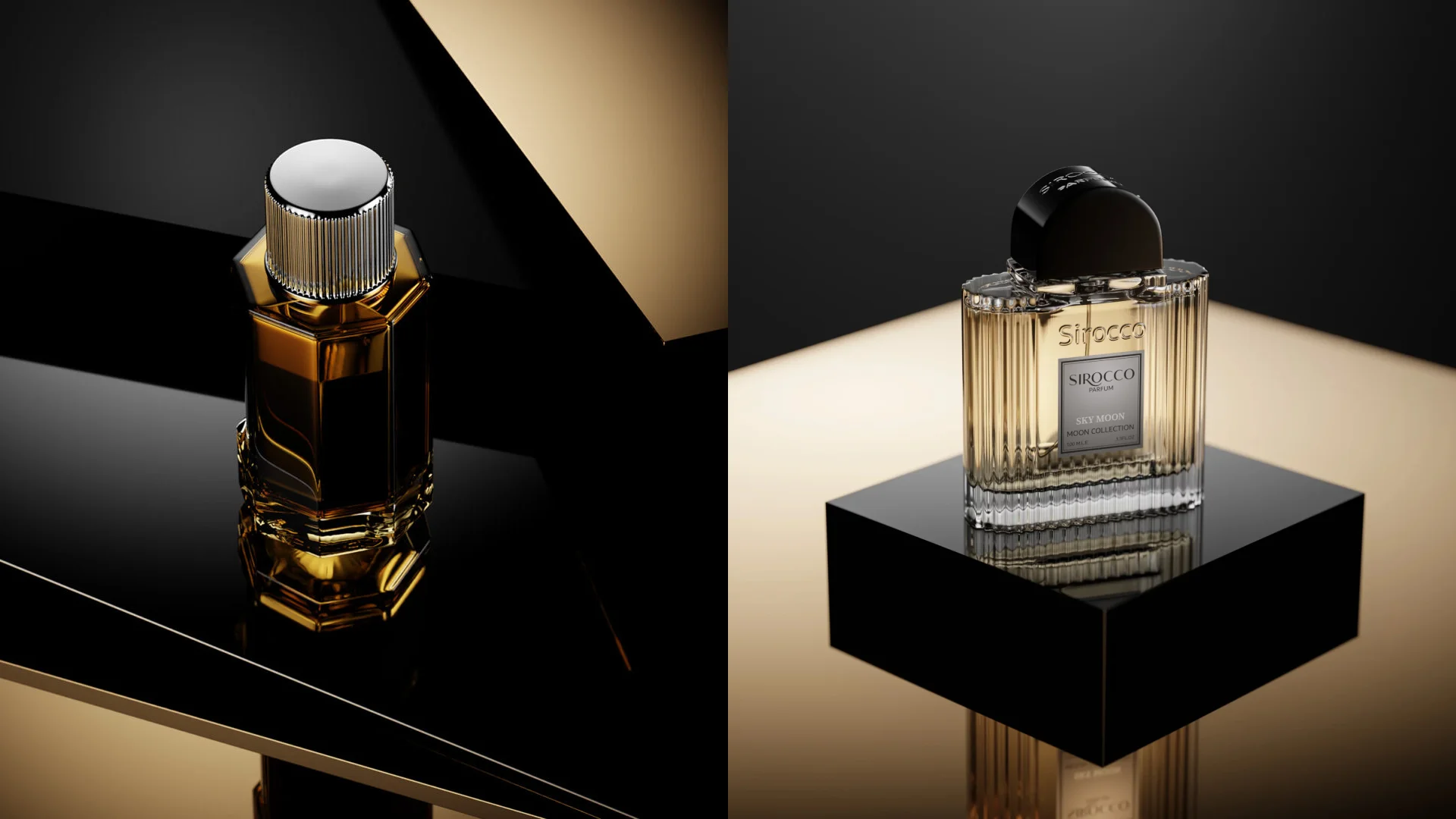
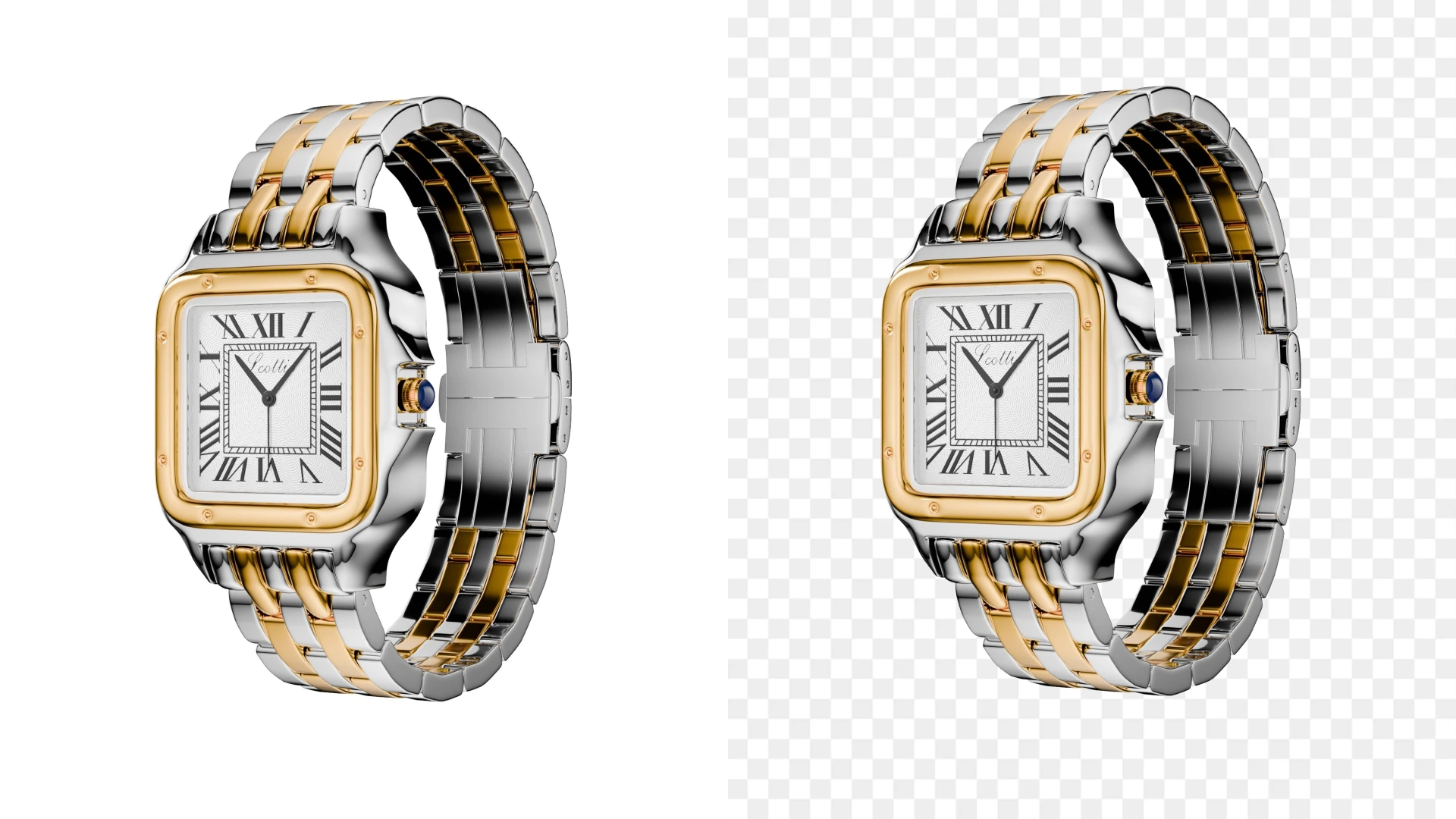
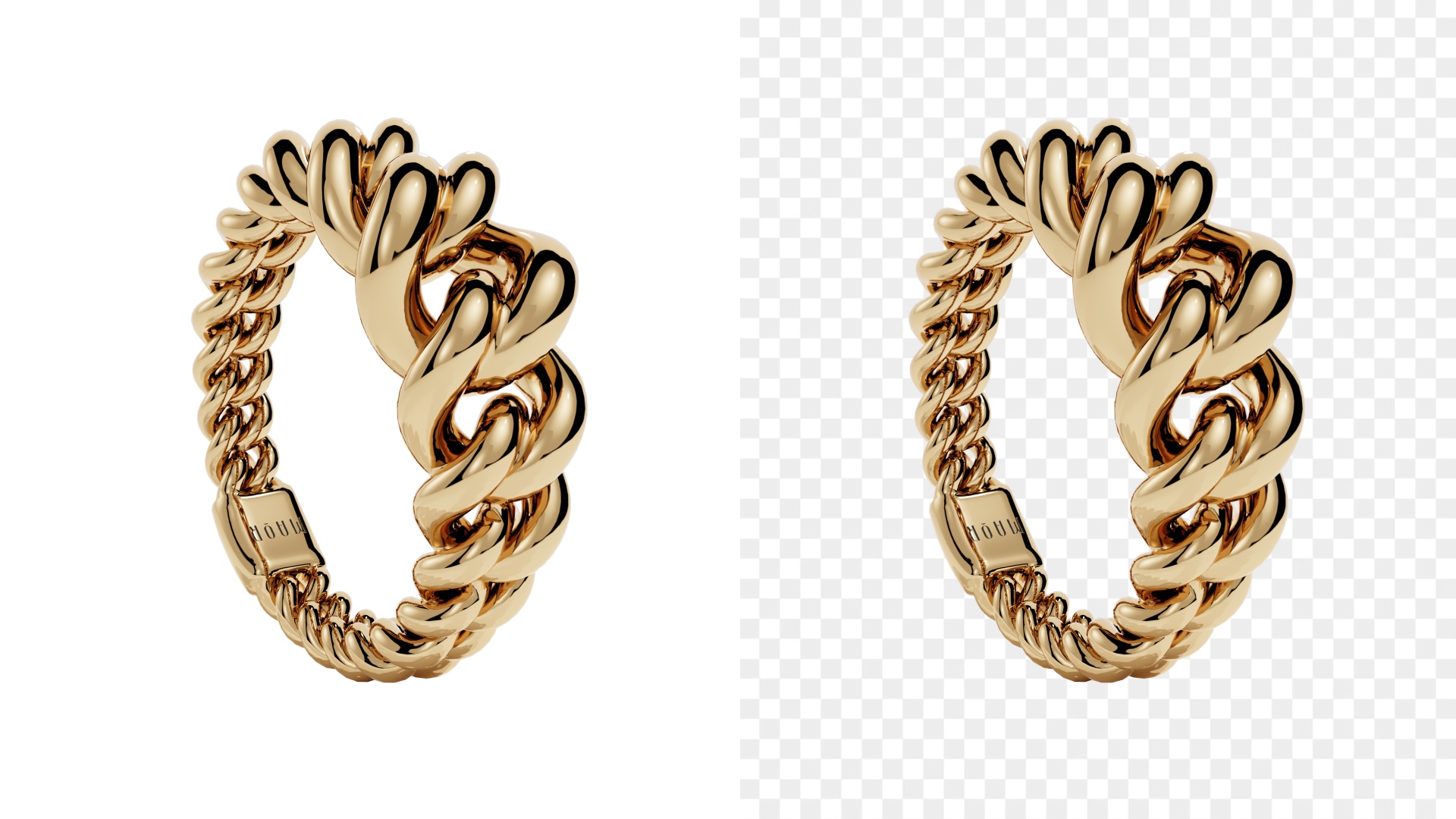
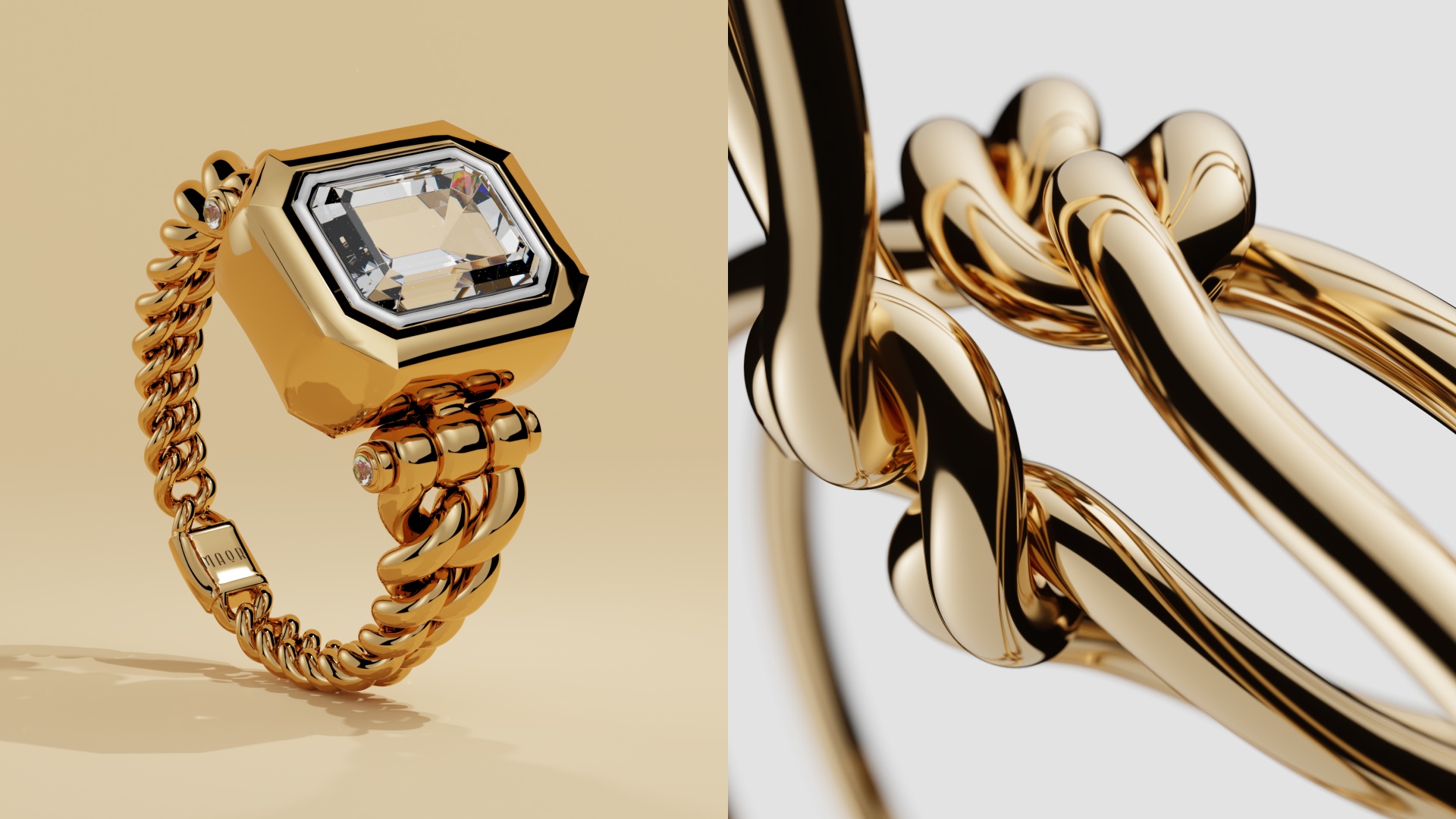
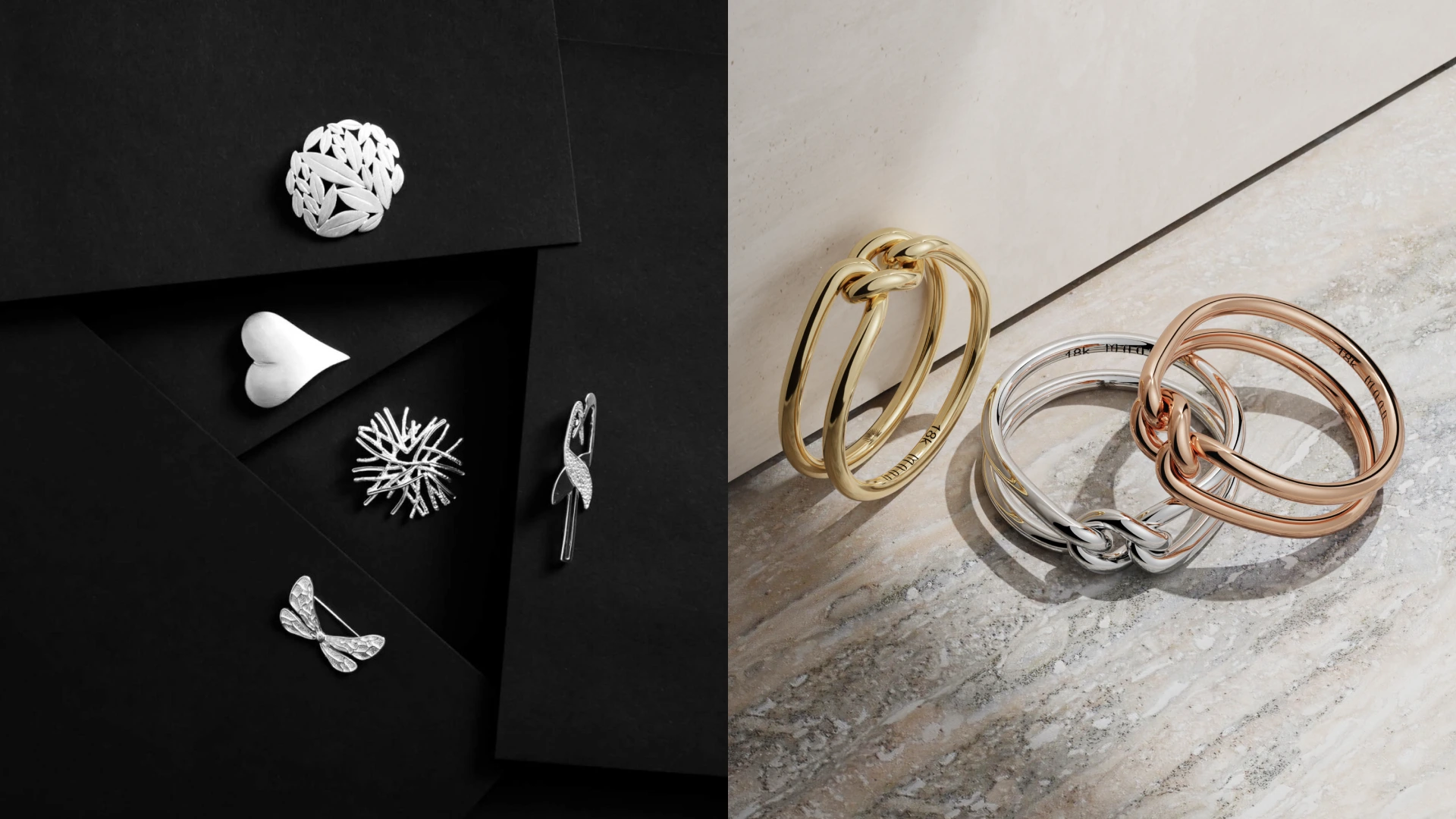
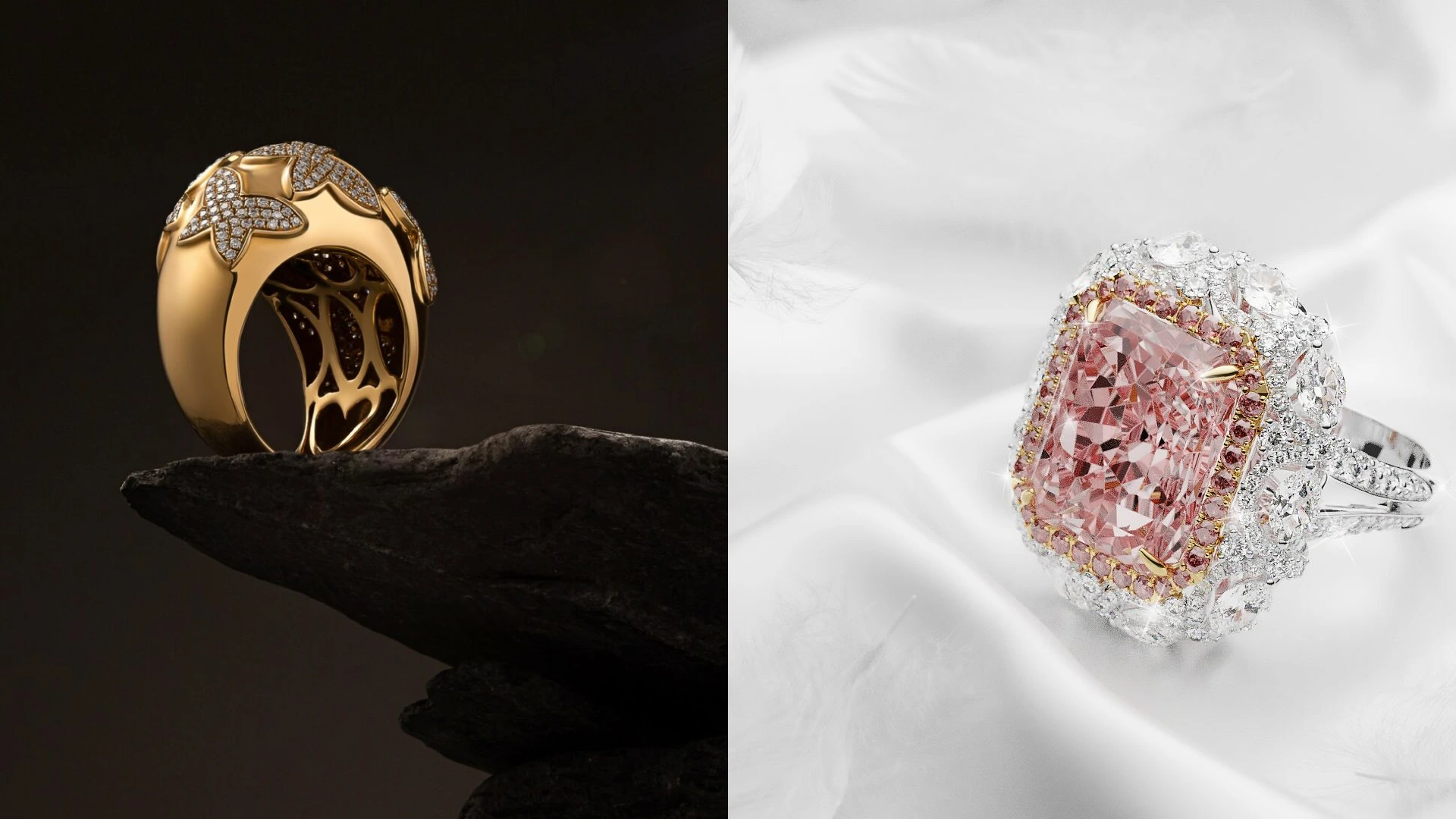
Jewelry 3D product modeling
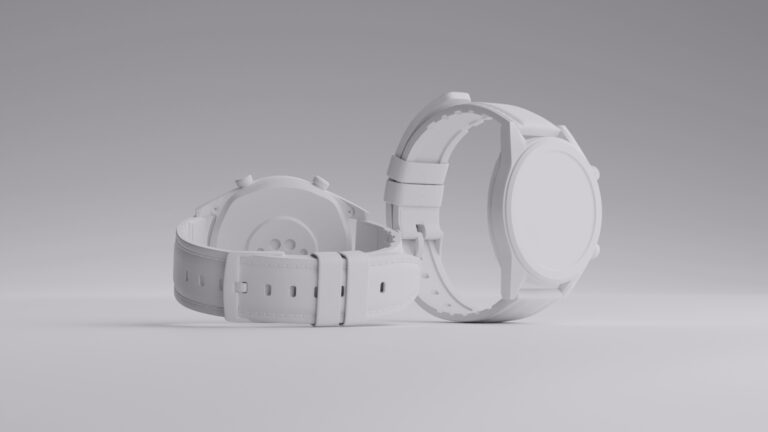
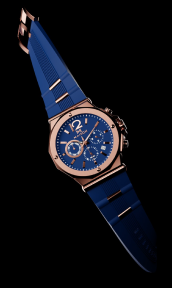
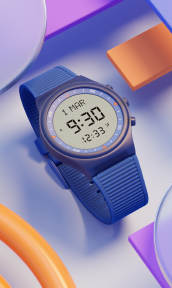
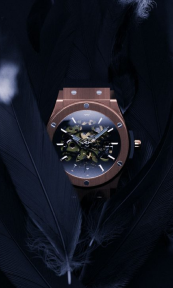
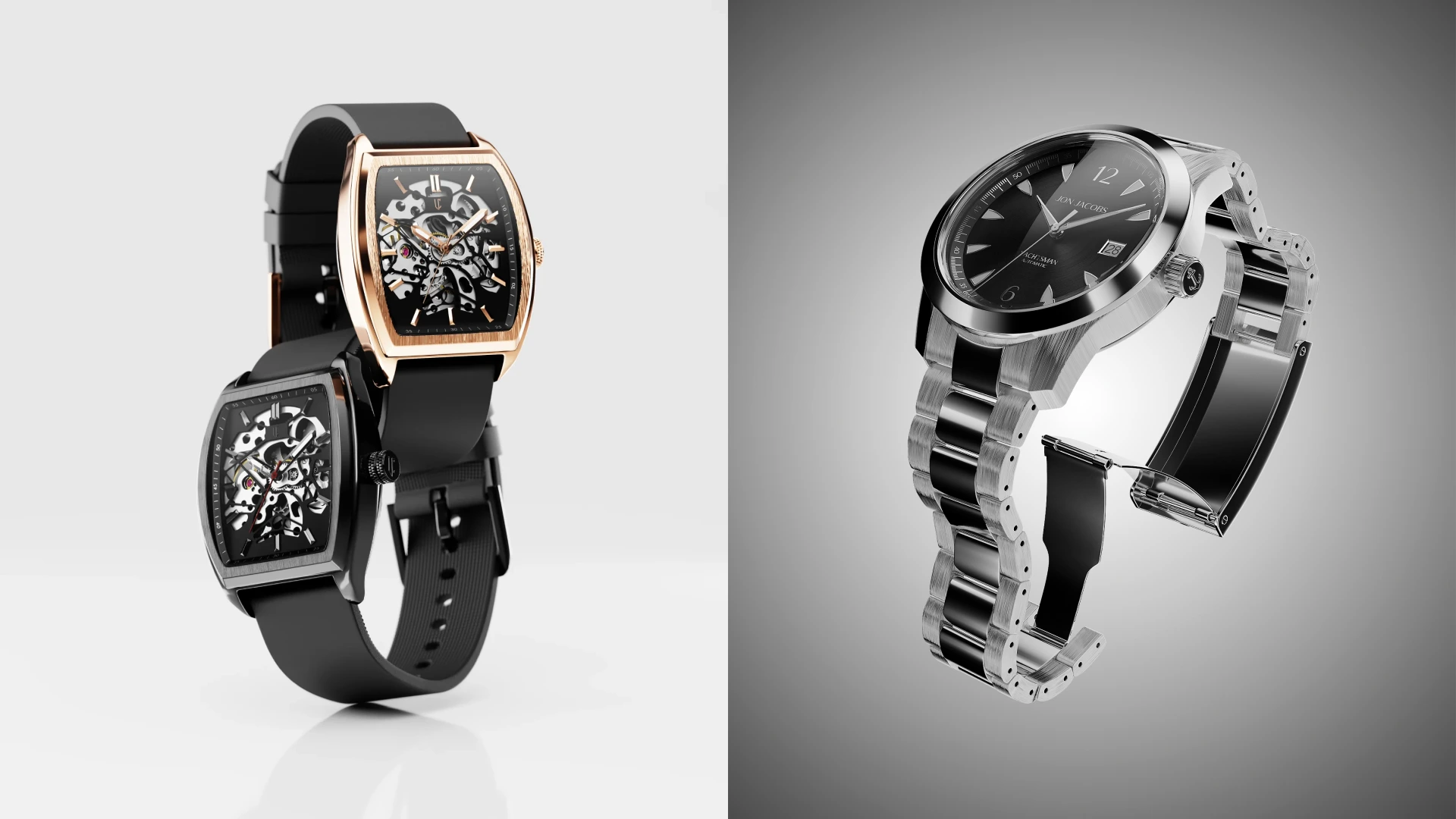
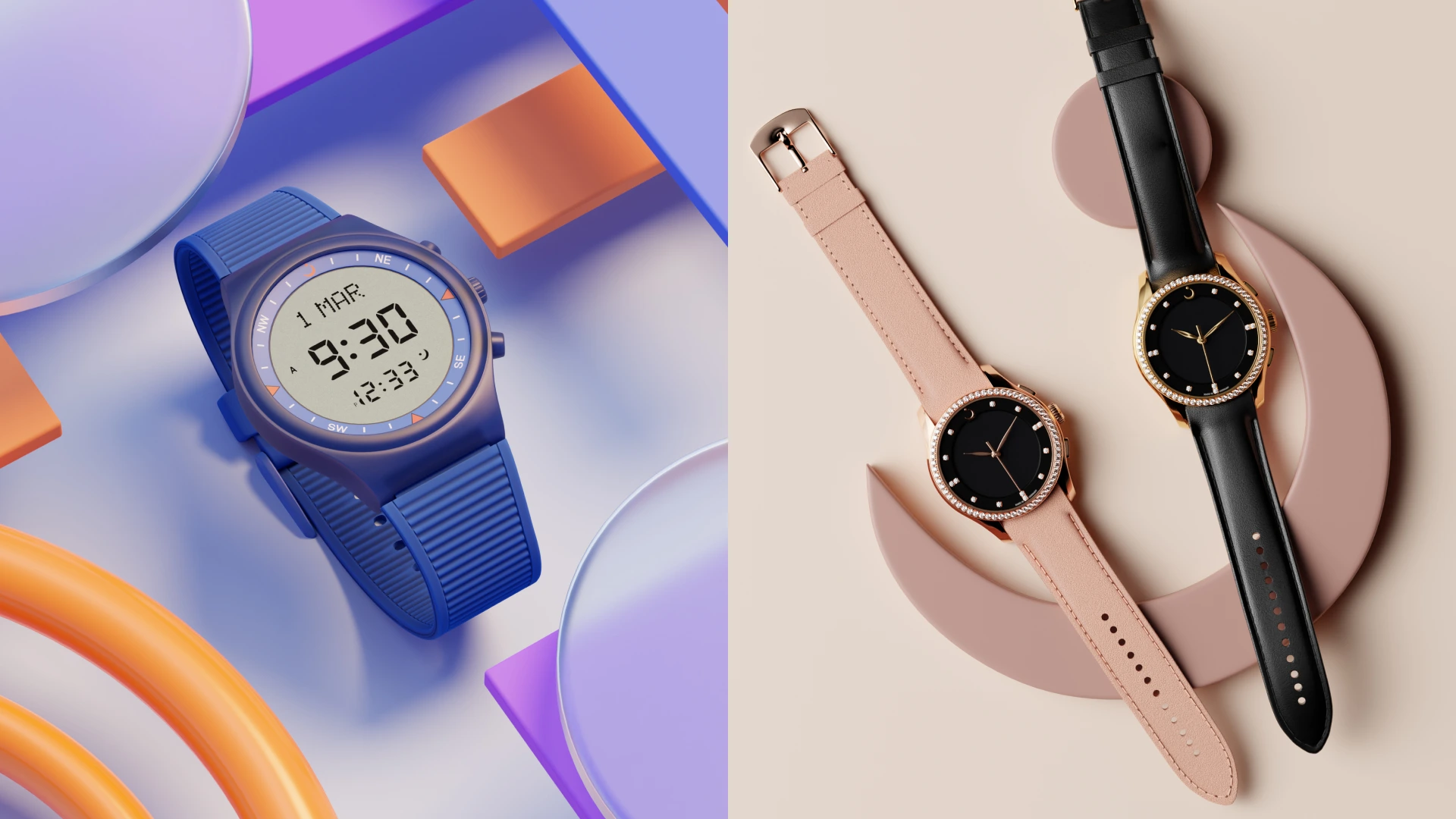
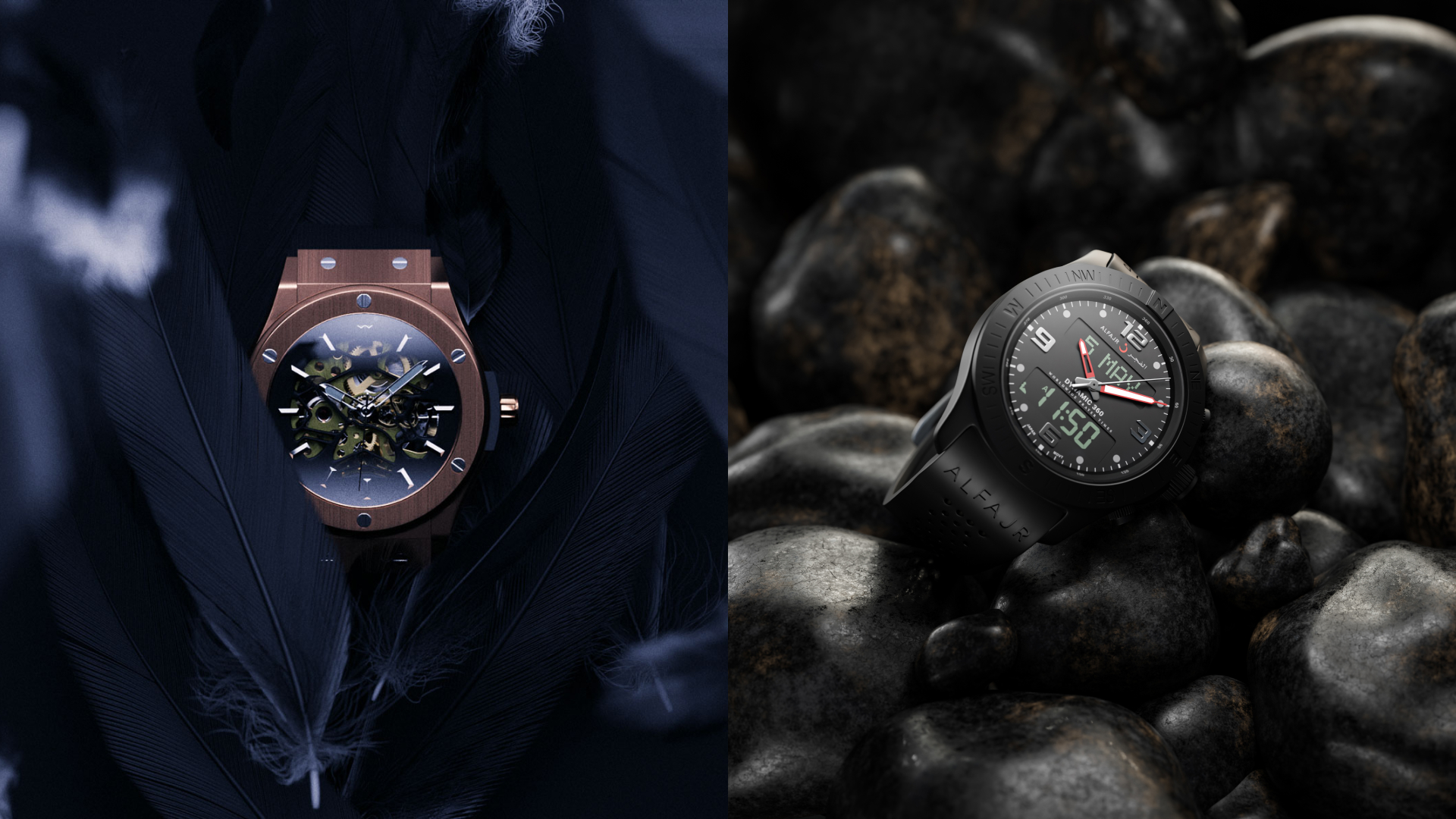
Watch 3D product modeling
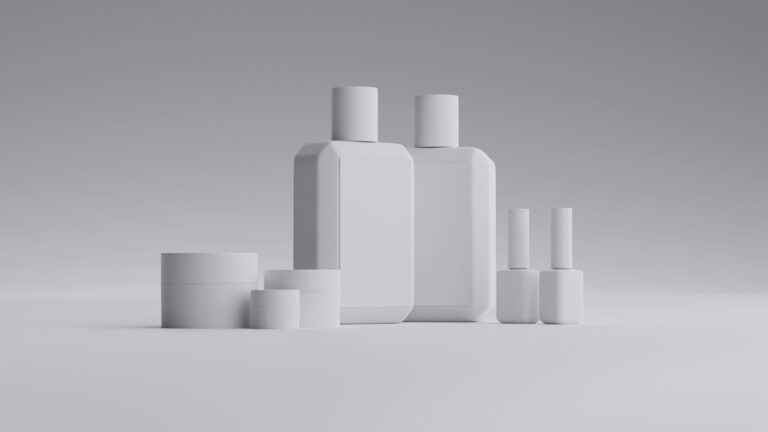
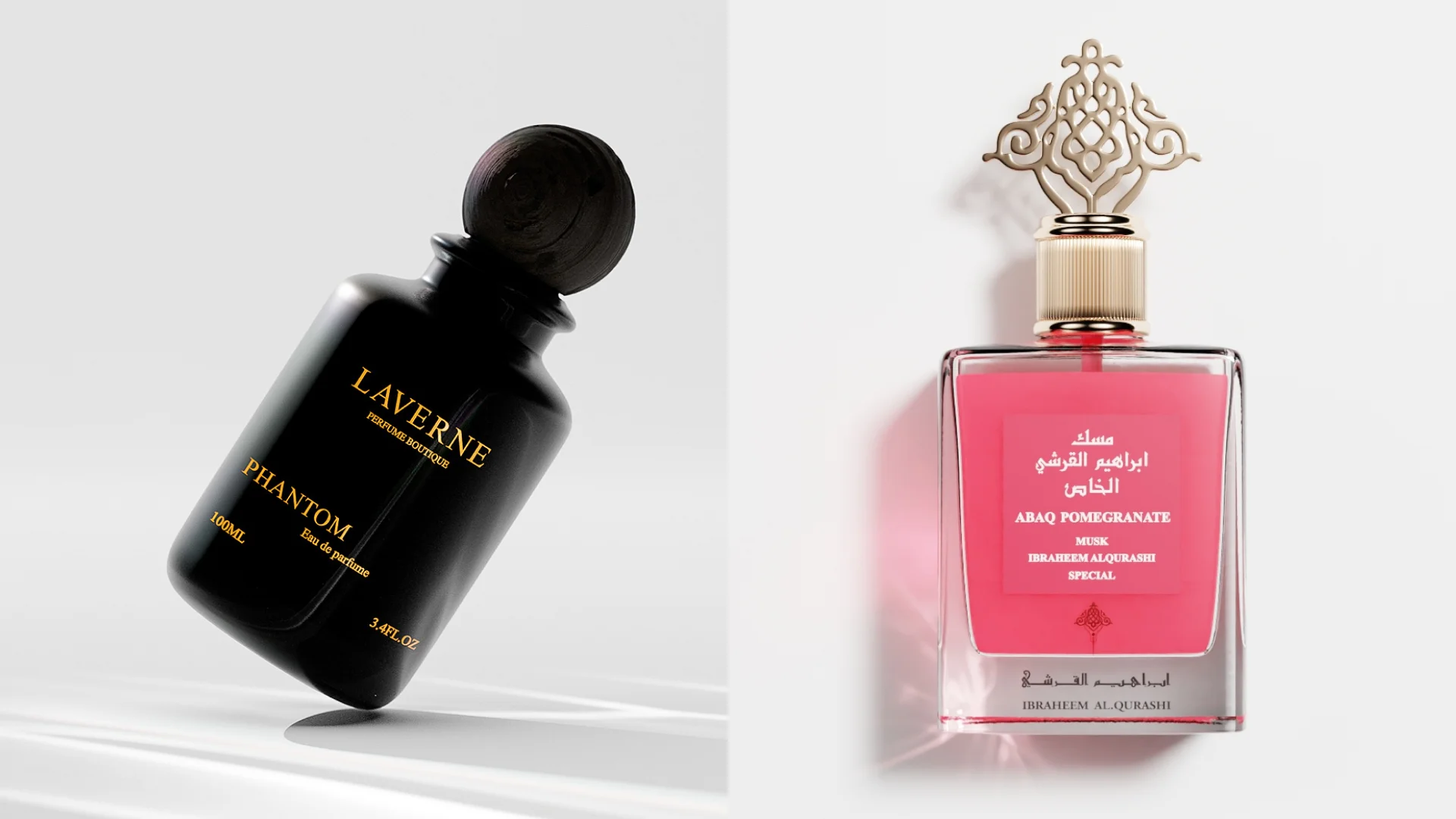
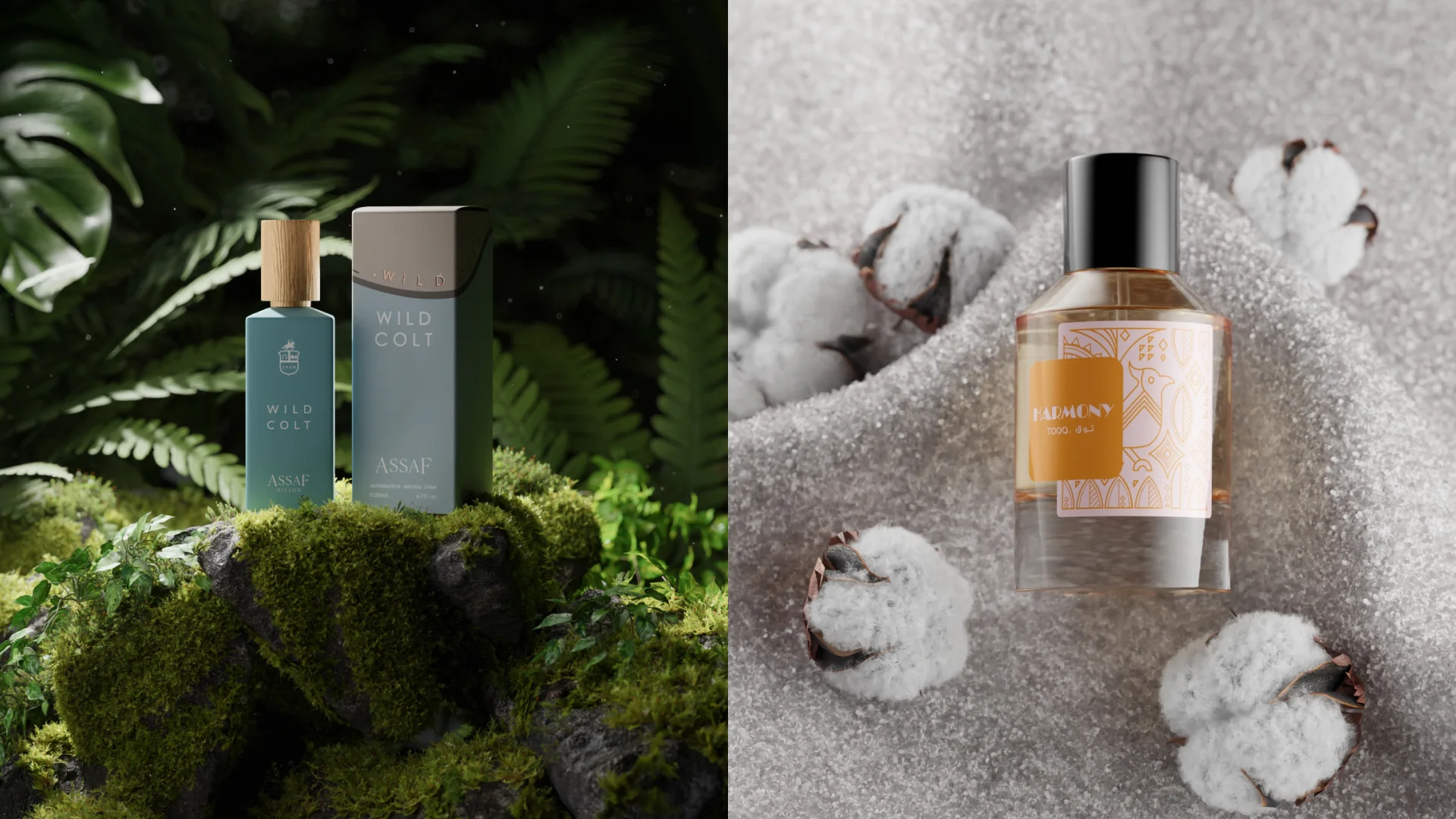
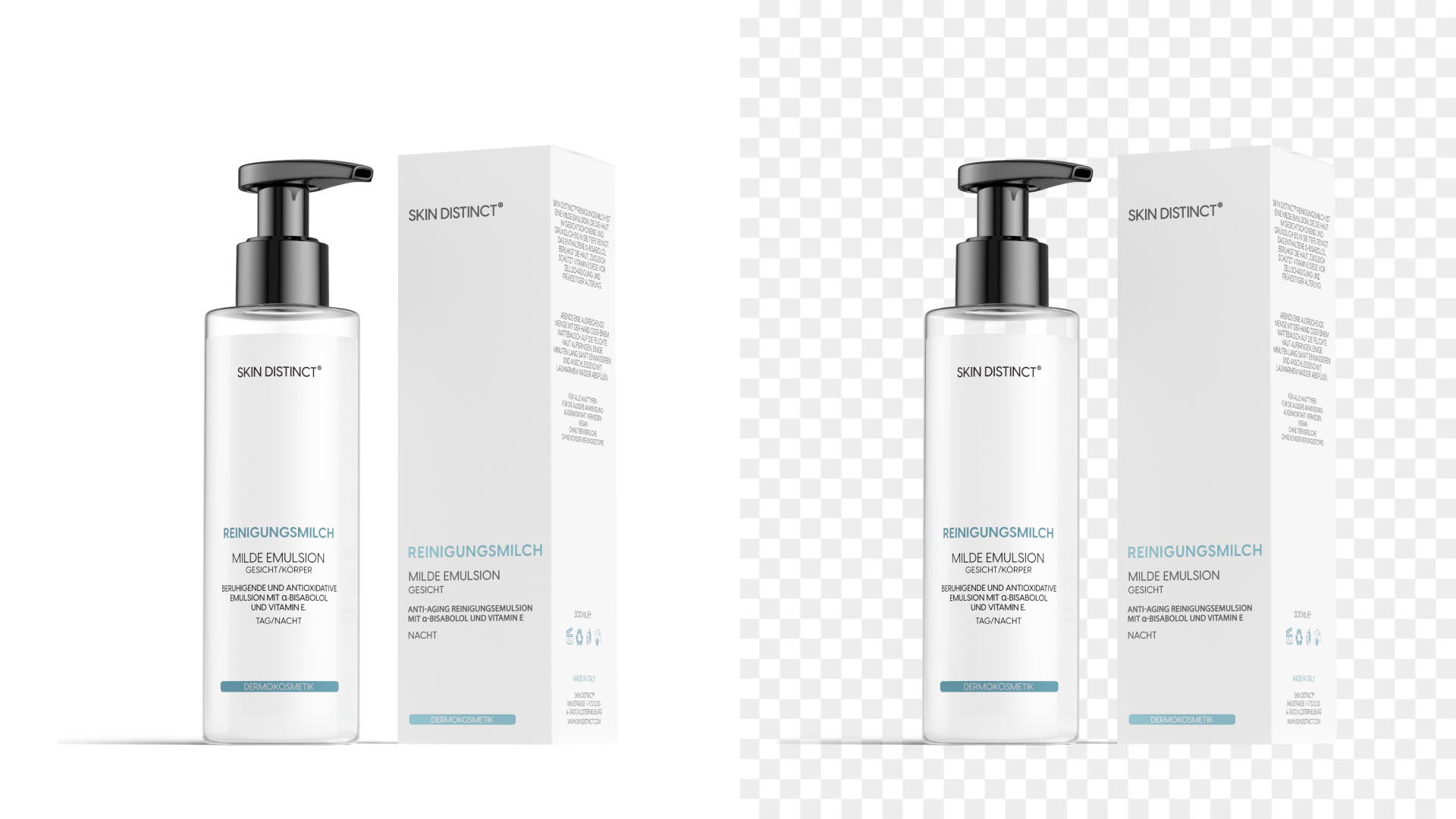
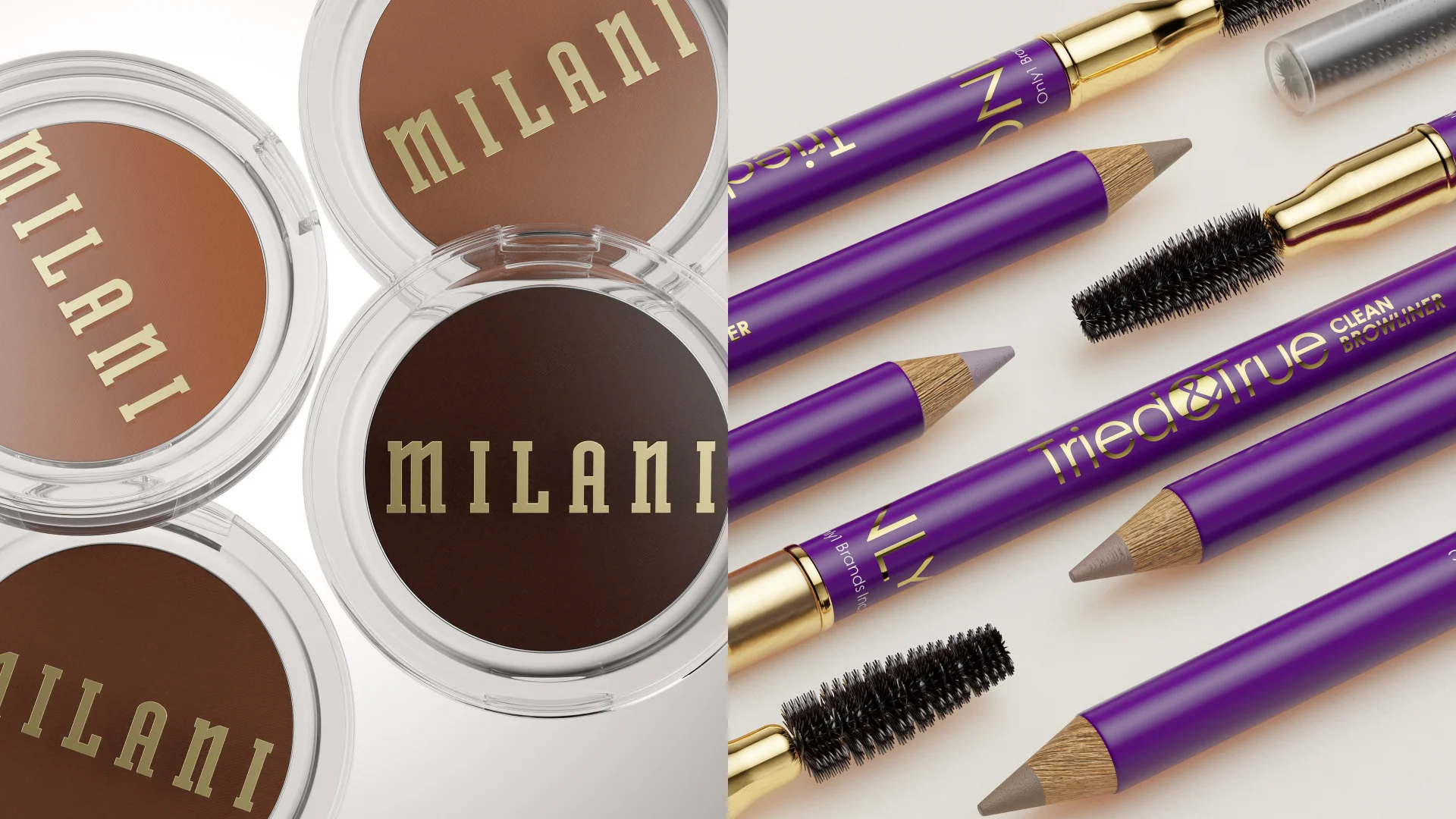
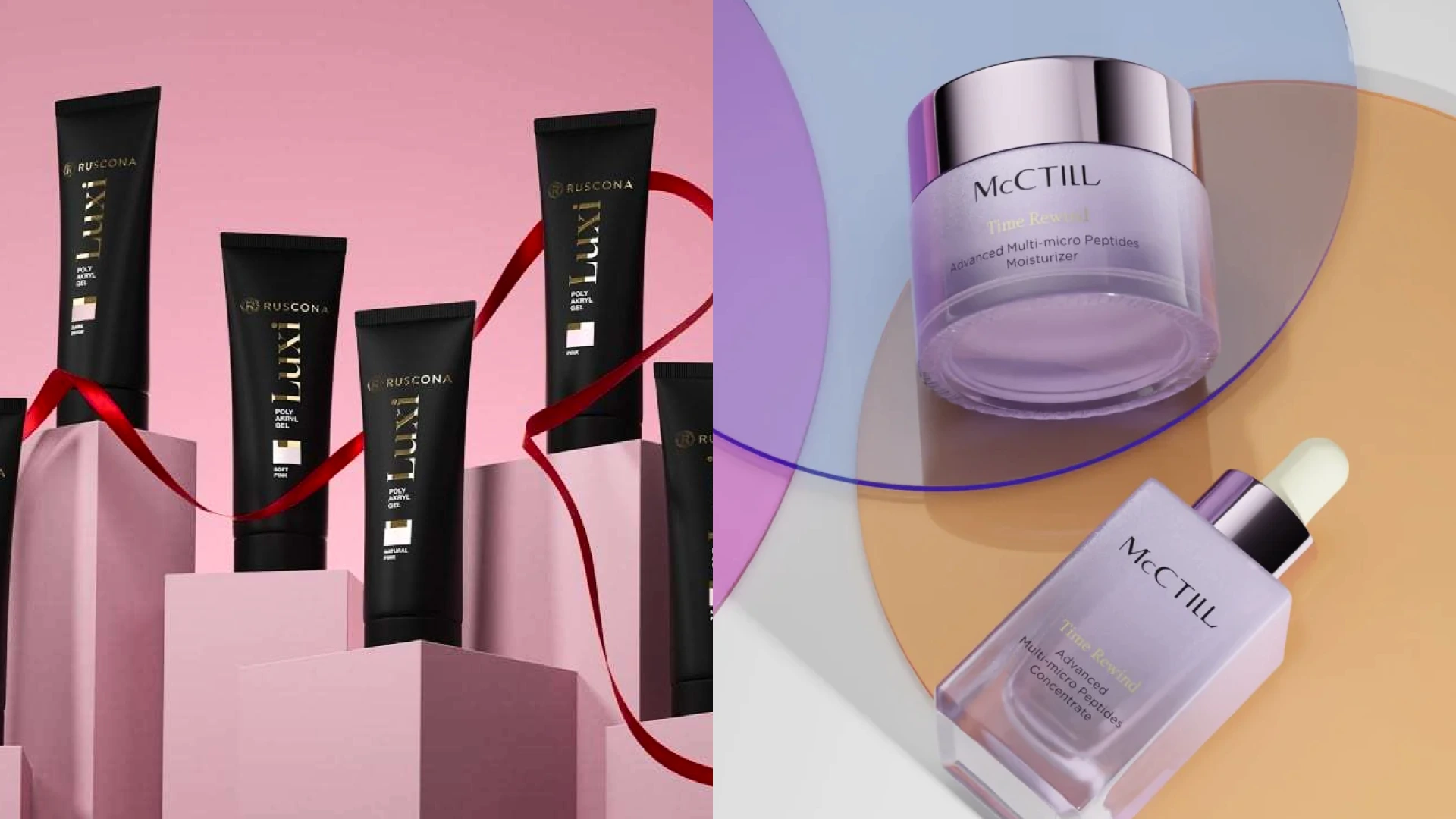
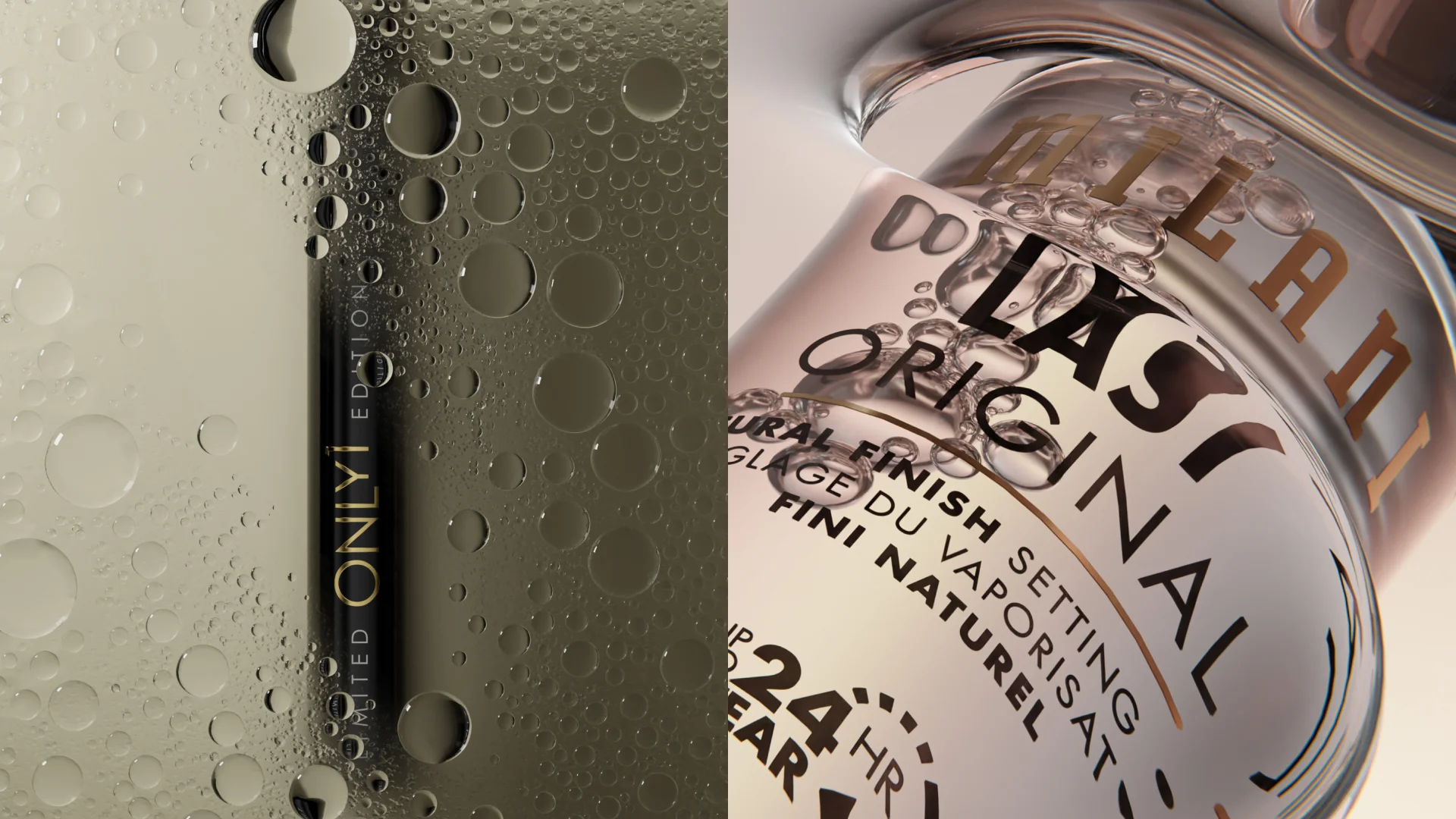
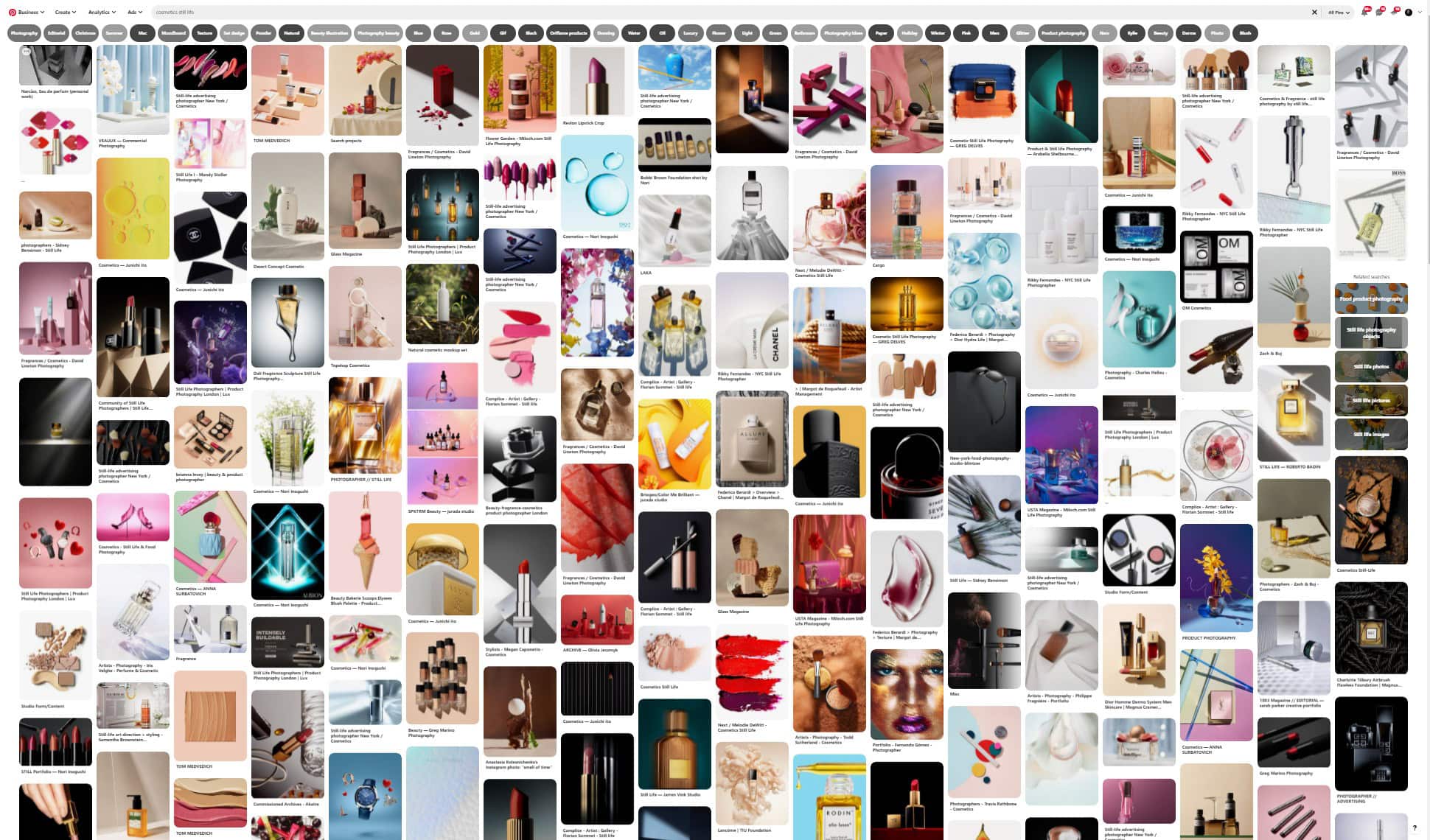
Cosmetic 3D product modeling

How an in-house product photo studio works

How an in-house product photo studio works

Running an in-house product photo studio means managing a full production pipeline from product prep to final image delivery.

Product intake and prep. Items arrive, get unpacked, cleaned, and inspected for defects. This prevents wasting time shooting damaged goods.
Set design and lighting. Products are placed in a predefined setup, maybe a lightbox for small electronics, or a full table scene for homeware. Lighting is tested and adjusted for each product category.

Photography process. A photographer follows brand style guides for angles, composition, and the number of shots per item. High-volume operations may shoot hundreds of products a day.

Post-production workflow. Images are transferred to editing software for color correction, background removal, retouching, and formatting for web or print.

Storage and distribution. Final files are archived, named according to SKU or campaign, and uploaded directly to e-commerce platforms or marketing teams.

The efficiency of your in-house workflow determines your return on the hefty photo studio setup cost.

Where you can set up your in-house studio

Where you can set up your in-house studio

Choosing the right space can save you headaches (and a lot of money) later.

Small office corner. For small product lines, a dedicated corner with a backdrop and two lights can work. You’ll need at least 8×8 feet (2.4×2.4m) of open space.

Spare room. Ideal for brands with steady photo needs. A 10×12-foot (3×3.6m) room allows for multiple backdrop options and more lighting angles.

Warehouse section. Perfect for bulky products or lifestyle setups. Partition off an area at least 15×20 feet (4.5x6m) for flexibility.

Commercial lease. If you need a separate professional location, factor in photography studio rental cost — $1,000–$3,000/month (€900–€2,700/month) in most cities.

Space size, lighting conditions, and accessibility will impact your total photography studio cost more than you think.

Why CGI might be the smarter choice

Why CGI might be the smarter choice

Before you start adding up the photography equipment cost and committing to a year’s lease, consider another option: CGI product photography. Here are all its perks.

Lower cost of running a photo studio

With CGI, you skip cameras, lights, props, and staff entirely. You pay only for the images you need, which means no ongoing equipment maintenance, no photo studio rental cost, and no salaries for photographers or retouchers. For brands launching dozens or even hundreds of SKUs a year, this can free up thousands in your photography studio budget for marketing, product development, or ad spend.

Unlimited creative control
Want your product floating in midair? Sitting on a beach at sunset? Inside a luxury penthouse? CGI makes it possible without travel, shipping, or set building. You can test endless backgrounds, lighting styles, and color palettes until you find the perfect fit… and then save that setup to use again for future campaigns, ensuring consistent branding.

No physical limitations
Your products don’t even have to exist yet. CGI can work from CAD files or prototypes, letting you market before production starts. This is a game-changer for pre-orders, crowdfunding campaigns, or industries where product development timelines are long, like furniture or electronics. It also eliminates the risk and cost of damaging physical products during transport or handling.

It’s fully remote

Work with a CGI team from anywhere. No need to ship products back and forth or schedule in-person shoots. Communication, revisions, and approvals happen online, so you can keep projects moving even when your team is spread across different locations or time zones. This flexibility means your product photography can scale with your business without the logistical headaches of a physical studio.

In most cases, professional CGI costs significantly less than building and maintaining a commercial photo studio, and the turnaround time is faster, too. And don’t be afraid that the products will look “too perfect” — our team of professionals at Welpix knows exactly how to make a product look as real as real gets.

So get in touch with us today.

Wrapping up

how it works videoHow it work video
Try us for FREE
Show us your product and we will show you, what we can do with it

An in-house photo studio can be a fantastic asset for high-volume e-commerce brands — but the total cost of building, staffing, and running one can easily hit tens of thousands in the first year. For some brands, the control and speed are worth it. For others, the costs outweigh the benefits.

If you’re after flexibility, creative freedom, and lower upfront investment, CGI product photography might be the better long-term play. Either way, the key is knowing your actual needs and budget before diving in.

FAQ

How much does it cost to build a small in-house studio?

A bare-bones setup in a small space can start at around $5,000 (€4,500) for equipment and minimal renovations — but this doesn’t include staffing.

What’s the average cost to run a professional photo studio per year?

Including staff salaries, equipment upkeep, and utilities, you could spend anywhere from $20,000 to over $100,000 (€18,000–€90,000) annually.

Can I make my own photo studio on a tight budget?

Yes, but expect trade-offs in image quality and workflow efficiency. A DIY studio might work for very small product lines but isn’t ideal for large-scale e-commerce.

How long does it take to set up an in-house studio?

If you already have the space, you can set up basic equipment in a week. Renovations, hiring, and workflow planning can stretch it to a month or more.

Is CGI really cheaper than an in-house studio?

For most small to mid-sized brands, yes. CGI eliminates the cost of running a photo studio entirely and charges per project or image.

Avatar for Martin Pitonak

Martin Pitonak

Martin Pitonak is a creative professional and entrepreneur with nearly 20 years of experience in the creative industry. His passion for helping businesses in all areas of visual marketing sets him apart in a variety…

More Posts

UPGRADERS product lineup featuring black and white boxes multiple amber bottles a method guide booklet and yellow pH test strips on a white surface

How strategic CGI became the lifeline for a supplement that wasn’t selling online

In: Food
Premium brands today know that most sales happen online, so their digital shelf must look as pristine as a high-end…
Luxurious, high-end 3D rendering showcasing three Maison Solís bottles on a polished gold tray

How Maison Solís Launched Faster with CGI: Luxury Perfume CGI

Maison Solís knew what a launch meant for a luxury perfume brand. Basically, it could make it or break it.…
CGI vs Photography: A jar of the supplement is centered over a modern background of glossy white circular shapes with thin gold outlines, creating a striking, high-contrast, artistic pattern.

Stop shipping your products: Why QUINIX Chose CGI over Photography

In: Food
The supplement market today is all about less is more. People are growing more health-conscious by the week. They’d rather…
Deep red cosmic gas cloud/aura enveloping the bottle. It rests on a moon dust surface, utilizing deep crimson saturation. Design is final.

From concept to Cosmo: A CGI case study in bringing a luxury fragrance brand to life

Launches are brand declarations for a luxury fragrance brand. That very first visual that the customer sees defines the brand’s…
CGI Chocolate Visuals - A black Riyadh Chocolate box, broken chocolate, and almonds are captured dynamically in mid-air, falling against a blurred, warm-toned silhouette of the Riyadh skyline.

Why CGI was the only way to build Riyadh Chocolate’s signature look

In: Food
When Project32 Creative Studio reached out about a Riyadh Chocolate launch, we were as excited as we were hyper-focused. We…
K18 hair products shown in a dynamic composition with white, abstract liquid splashes, all set against a bright, yellow-green background - CGI Product Photography Helped K18 Launch With Zero Inventory

How we launched K18’s new product with CGI before it even existed

To say K18 made waves is an understatement. The San Francisco haircare brand has breakthrough science as their identity, and…
CGI Animation for Chocolate - Fahda Chocolate Brand Animation Campaign

Why smart chocolate brands choose CGI: saving costs while maximizing creative control

In: Food
How do you make an audience taste chocolate with their eyes? We partnered with TOLD agency to create a surreal…
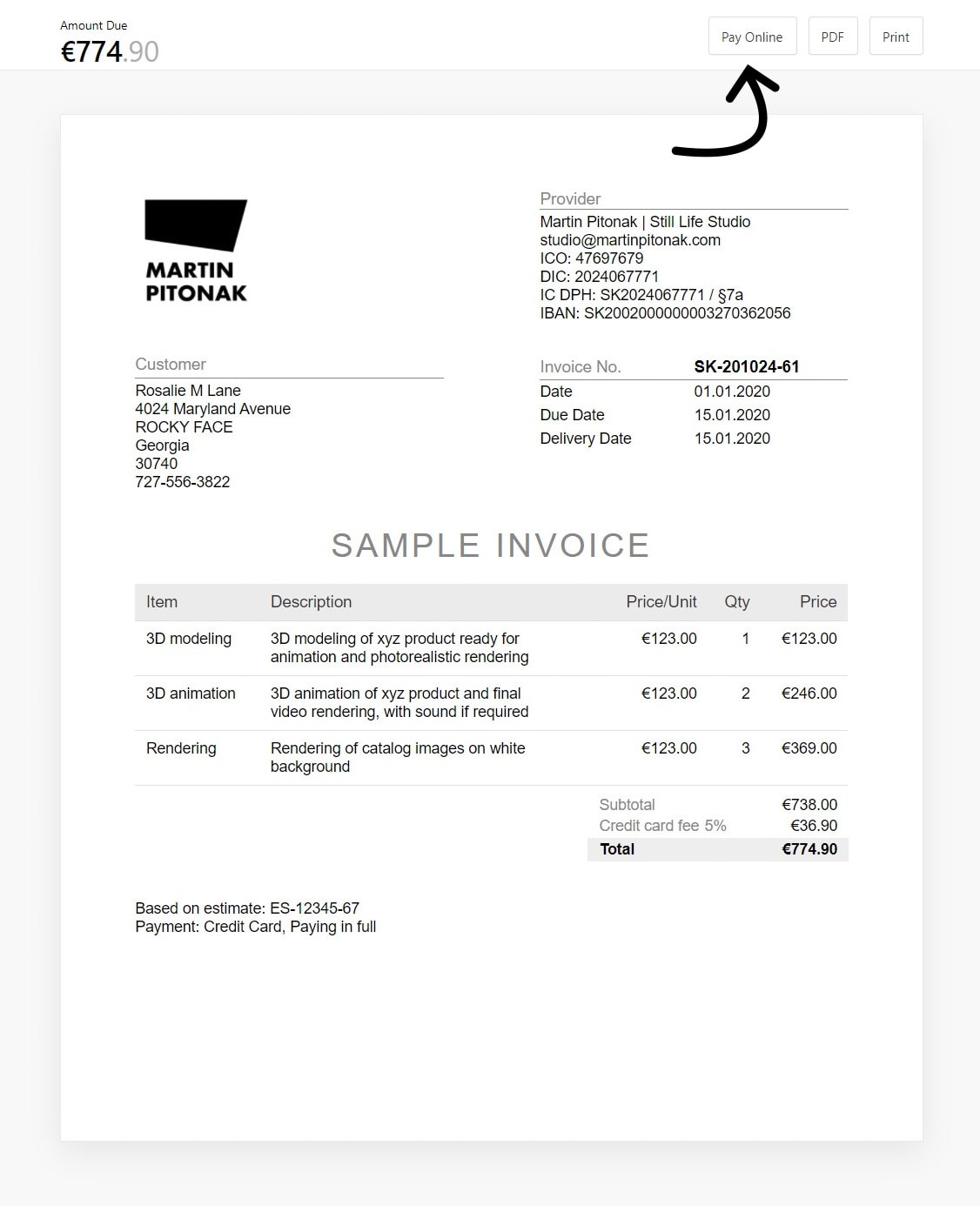
3D Product modeling
1. Component
3D product modeling
The process of creating a 3D model of your product, from images
3D Product modeling
1. Component
3D product modeling
The process of creating a 3D model of your product, from images
3D Product modeling
1. Component
3D product modeling
The process of creating a 3D model of your product, from images
3D Product modeling
1. Component
3D product modeling
The process of creating a 3D model of your product, from images
2. Component
Choose creative style
Wide range of creative styles to cover all your produt photography needs
Catalog
Minimalistic
Simple props
Custom
2. Component
Choose creative style
Wide range of creative styles to cover all your produt photography needs
Catalog
Minimalistic
Simple props
Custom
2. Component
Choose creative style
Wide range of creative styles to cover all your produt photography needs
Catalog
Minimalistic
Simple props
Custom
2. Component
Choose creative style
Wide range of creative styles to cover all your produt photography needs
2. Component
Choose creative style
Wide range of creative styles to cover all your produt photography needs
2. Component
Choose creative style
Wide range of creative styles to cover all your produt photography needs
2. Component
Choose creative style
Wide range of creative styles to cover all your produt photography needs
2. Component
Choose creative style
Wide range of creative styles to cover all your produt photography needs